
Coffee in Sweden is more than a beverage — it’s a cultural anchor, a daily ritual, and a symbol of connection. With Swedes among the world’s top coffee consumers, the country has cultivated both historic brands and modern specialty roasters that stand out globally.
The History of Coffee in Sweden: From 18th Century Ban to Daily Ritual
Coffee’s journey in Sweden is filled with drama, resistance, and eventual triumph. Introduced in the late 1600s, it quickly became popular among the elite. But by the mid‑1700s, authorities saw coffee as a threat to public order and imposed heavy taxes and outright bans.
Key historical milestones include:
- 1657: Diplomat Claes Rålamb introduces coffee after a mission to Constantinople.
- 1685: First recorded shipment of coffee arrives in Gothenburg.
- 1746–1823: Multiple bans and taxes imposed, with coffee cups even confiscated.
- 19th century: Coffee becomes a staple, spreading across all social classes.
- 20th century onward: Sweden emerges as one of the world’s top coffee‑consuming nations.
These events highlight how coffee survived political resistance to become a national symbol. Today, the ritual of fika — pausing for coffee and conversation — is deeply rooted in Swedish life, showing how a once‑forbidden drink became a cultural treasure.
Why Swedish Coffee Culture Is Unique: Fika and Beyond
Swedish coffee culture is defined by more than taste — it’s about community, balance, and slowing down. The concept of fika is central, representing a daily pause to share coffee and pastries with friends, family, or colleagues. Unlike fast coffee cultures elsewhere, Sweden emphasizes quality and connection.
Distinctive traits of Swedish coffee culture include:
- Fika Rituals: Scheduled breaks at workplaces and homes, often twice daily.
- Preferred Brewing: Strong filter coffee (bryggkaffe) served black, though lattes and cappuccinos are growing in popularity.
- Pastry Pairings: Cinnamon buns (kanelbullar), cardamom rolls, and cookies are fika staples.
- Social Connection: Fika is seen as essential for bonding and maintaining relationships.
- Global Influence: Cafés worldwide now adopt fika as a lifestyle trend.
Together, these elements make Swedish coffee culture unique. It’s not just about caffeine — it’s about creating space for conversation, reflection, and community. This cultural emphasis explains why Swedish coffee brands resonate far beyond Scandinavia.
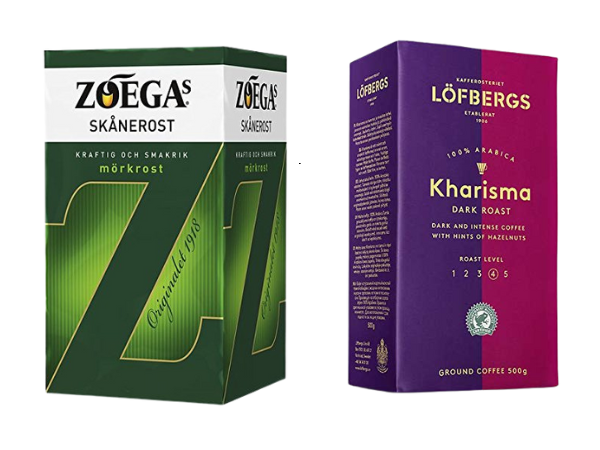
Gevalia: Sweden’s Heritage Coffee Brand
Founded in 1853 in Gävle, Gevalia began as a small trading house and grew into one of Scandinavia’s most recognized coffee names. Its blends are known for balance, smoothness, and a touch of caramel sweetness, making it a staple in Swedish homes and abroad.
Key traits of Gevalia coffee include:
- Historic Roots – Established in Gävle, with over 170 years of roasting tradition.
- Royal Recognition – Once an official supplier to the Swedish Royal Court.
- Flavor Profile – Medium roasts with citrus and caramel notes, ideal for filter brewing.
- Global Reach – Popular in Sweden and marketed as a premium brand in the U.S.
- Consistency – Known for reliable quality across blends and formats.
Gevalia’s enduring success lies in its ability to adapt. While rooted in Swedish tradition, it expanded internationally, becoming a household name in North America. Today, Gevalia represents the heritage side of Swedish coffee culture, offering approachable blends that connect past and present.
Zoégas: The Dark Roast Specialist
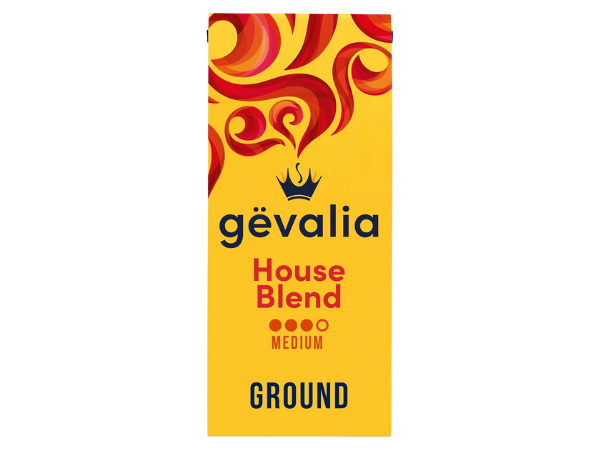
Zoégas was founded in 1886 in Helsingborg by Carlos and Maria Zoéga. Carlos had spent years in Brazil studying coffee before returning to Sweden, where he introduced bold, dark roasts that quickly became popular in southern Sweden.
Defining features of Zoégas coffee include:
- Founding Story – Established by Carlos Zoéga after his time in Brazil.
- Signature Roast – “Skånerost,” a full‑bodied dark roast with earthy and berry notes.
- Regional Identity – Strongly associated with southern Sweden’s preference for darker brews.
- Ownership – Acquired by Nestlé in 1986, now part of Nestlé Sweden AB.
- Cultural Impact – Symbol of tradition and strength in Swedish coffee culture.
Zoégas remains the dark roast champion of Sweden, appealing to those who prefer bold, intense flavors. Its blends embody regional pride and highlight how Swedish coffee culture varies across the country.
Löfbergs: Family Legacy and Sustainable Innovation
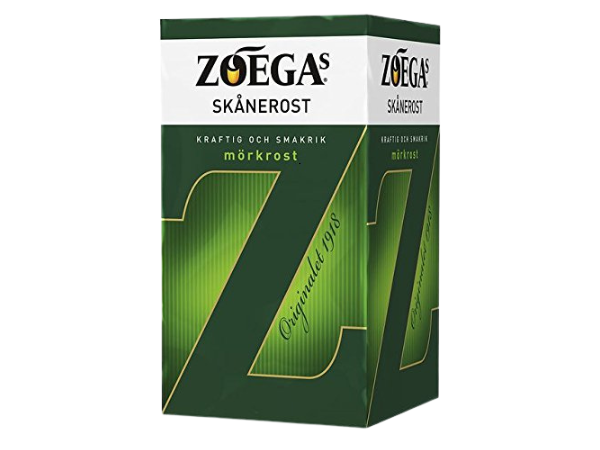
Founded in 1906 in Karlstad, Löfbergs is one of Sweden’s largest family‑owned coffee roasters. Over four generations, the company has grown from a regional roastery into a global player, while maintaining a strong commitment to sustainability and ethical sourcing.
Key traits of Löfbergs coffee include:
- Family Heritage – Still owned and operated by the Löfberg family after more than a century.
- Sustainability Leadership – Early adopter of Fairtrade and organic certifications, with climate‑neutral goals.
- Signature Blends – Known for “Kharisma” and “Lila Paket,” offering nutty, full‑bodied flavors.
- Global Reach – Supplies cafés and restaurants across Scandinavia and exports worldwide.
- Innovation – Invests in renewable energy and packaging solutions to reduce environmental impact.
Löfbergs represents the modern conscience of Swedish coffee, proving that tradition and sustainability can go hand in hand. Its blends are not only flavorful but also reflect Sweden’s progressive approach to environmental responsibility.
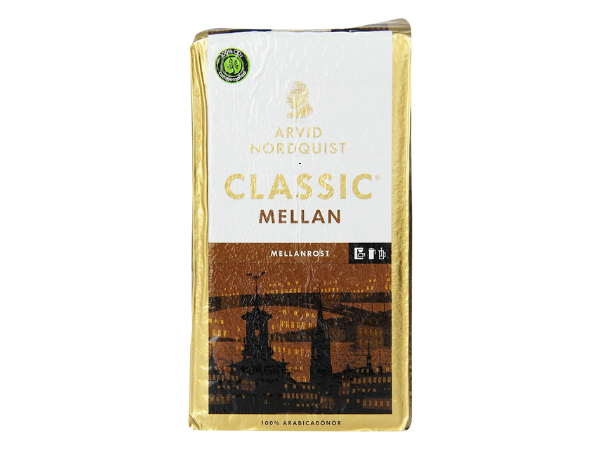
Arvid Nordquist: Premium Arabica with Ethical Sourcing
Established in 1884 in Stockholm, Arvid Nordquist began as a delicatessen and evolved into one of Sweden’s most respected premium coffee brands. The company emphasizes quality Arabica beans and a strong ethical framework, making it a favorite among eco‑conscious consumers.
Defining features of Arvid Nordquist coffee include:
- Premium Arabica – Uses only 100% Arabica beans for smooth, aromatic blends.
- Ethical Sourcing – Certified climate‑neutral, with strong commitments to fair trade and sustainability.
- Flavor Profiles – Balanced blends with notes of chocolate, nuts, and subtle fruit.
- Heritage – Over 140 years of experience in fine foods and coffee.
- Packaging Innovation – Focus on recyclable and eco‑friendly materials.
Arvid Nordquist stands out as a premium choice in Swedish coffee, combining refined taste with environmental responsibility. It appeals to consumers who want both luxury and sustainability in their daily brew.
Johan & Nyström: Pioneers of Specialty Coffee Culture
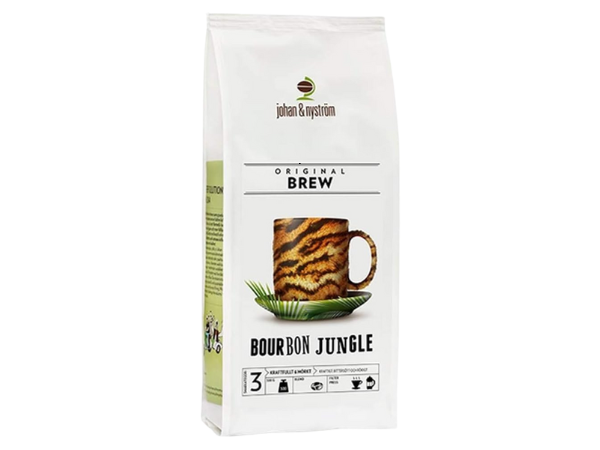
Founded in 2004, Johan & Nyström is credited with bringing the third‑wave coffee movement to Sweden. Unlike heritage brands, it focuses on small‑batch roasting, single‑origin beans, and transparency in sourcing. Its cafés in Stockholm are hubs for coffee enthusiasts seeking unique flavor experiences.
Highlights of Johan & Nyström coffee include:
- Specialty Focus – Emphasis on single‑origin beans and lighter roasts.
- Transparency – Direct trade relationships with farmers, ensuring fair compensation.
- Flavor Exploration – Fruity, floral, and nuanced profiles that highlight terroir.
- Community Impact – Educational workshops and tastings to spread coffee knowledge.
- Global Recognition – Award‑winning roaster respected across Europe’s specialty scene.
Johan & Nyström embodies the innovative side of Swedish coffee, appealing to adventurous drinkers who value craftsmanship and flavor diversity. It represents Sweden’s role in shaping modern specialty coffee culture worldwide.
What Makes Swedish Coffee Brands Stand Out Globally
Swedish coffee brands are admired worldwide for their balance of tradition and innovation. From century‑old roasters to modern specialty pioneers, they combine heritage with sustainability and flavor excellence.
Core qualities that set Swedish brands apart:
- Heritage: Gevalia (1853) and Zoégas (1886) carry generations of roasting expertise.
- Sustainability: Löfbergs and Arvid Nordquist lead in fair trade and climate‑neutral initiatives.
- Specialty Innovation: Johan & Nyström and Koppi highlight single‑origin beans and lighter roasts.
- Flavor Profiles: Smooth, balanced brews with nutty, caramel, or berry notes tailored for filter brewing.
- Global Reach: Swedish brands are exported worldwide, influencing coffee culture abroad.
These qualities ensure Swedish coffee brands remain competitive globally. They appeal to everyday drinkers seeking consistency and to specialty enthusiasts craving unique flavor experiences. Sweden’s ability to merge tradition with modern values makes its coffee scene truly distinctive.