Coffee in Spain is more than a beverage; it’s a cultural ritual that blends Iberian tradition with Latin American influence. From bustling Madrid cafés to artisanal roasters in Barcelona, Spanish coffee culture thrives on bold flavors, heritage roasting, and a deep respect for the bean.
The Story of Spanish & Latin Coffee: Traditions That Shaped a Culture
Spanish coffee culture has roots in the 17th century, when beans arrived through Mediterranean trade. Over time, cafés became social hubs, and coffee evolved into a symbol of community. Latin America, especially Colombia, Brazil, and Mexico, supplied beans that shaped Spain’s flavor identity.
Key traditions that shaped Spanish & Latin coffee:
- Café solo – A strong espresso shot, the backbone of Spanish coffee.
- Café con leche – Espresso with hot milk, a breakfast staple.
- Café bombón – Espresso with condensed milk, popular in Valencia.
- Latin beans – Colombian smoothness, Brazilian nuttiness, Mexican brightness.
- Social ritual – Coffee breaks (la pausa del café) as cultural anchors.
Together, these traditions created a fusion of Iberian roasting and Latin bean excellence. Spanish coffee is not just consumed; it’s celebrated as part of daily life. The Latin connection ensures Spain’s coffee remains diverse, flavorful, and globally respected.
What Makes Spanish Coffee Unique? Aroma, Roast Style, and Heritage
Spanish coffee stands out for its dark roast style, often called Spanish roast. This longer roasting process produces bold, smoky flavors with low acidity, perfect for espresso drinks. Heritage plays a role too—many roasters emphasize tradition over novelty, keeping flavors consistent across generations.
Defining traits of Spanish coffee:
- Intense aroma – Smoky, bittersweet notes with chocolate undertones.
- Full-bodied mouthfeel – Strong, heavy texture ideal for espresso.
- Low acidity – Smooth finish compared to lighter roasts.
- Heritage blends – Recipes passed down through families and roasters.
- Pairing culture – Coffee enjoyed with pastries, tapas, or social gatherings.
This unique profile makes Spanish coffee instantly recognizable. It’s not about chasing trends but preserving a bold, comforting flavor that reflects Spain’s cultural heartbeat. The roast style ensures every sip feels like tradition in a cup.
Top 10 Coffee Brands: Spanish & Latin Picks
Spanish roasters are known for their bold, dark espresso blends, while Latin brands bring diversity with smooth Colombian Arabicas, nutty Brazilian beans, and spiced Mexican traditions.
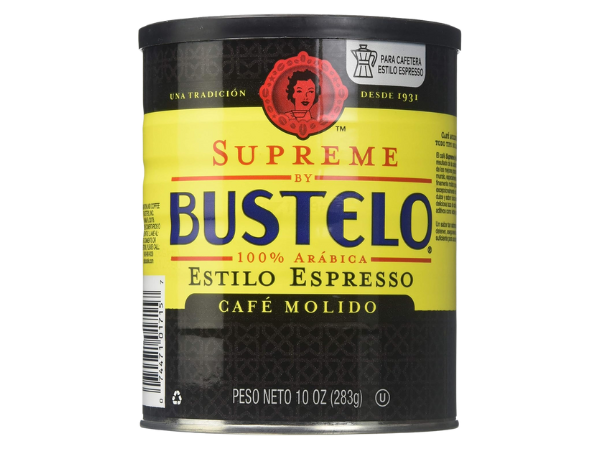
Café Bustelo
Café Bustelo is one of the most recognizable Latin coffee brands, famous for its bold, espresso‑style flavor. Founded in 1928 by Gregorio Menéndez Bustelo, a Spanish immigrant from Asturias, the brand began in East Harlem, New York, serving Cuban exiles and Hispanic communities who preferred strong espresso over filtered coffee.
Key highlights of Café Bustelo:
- Latin roots – Inspired by Havana’s strong coffee culture.
- Espresso style – Dark, rich, full‑bodied flavor.
- Iconic packaging – Bright yellow and red cans, now a cultural symbol.
- Community heritage – Popular among Cuban, Puerto Rican, and Spanish immigrants.
- Modern appeal – From bodegas to hip cafés, Bustelo bridges tradition and trend.
Bustelo’s legacy lies in its ability to remain authentic while adapting to new generations. Today, it’s owned by the J.M. Smucker Company, but its identity as a Latin coffee classic remains intact.
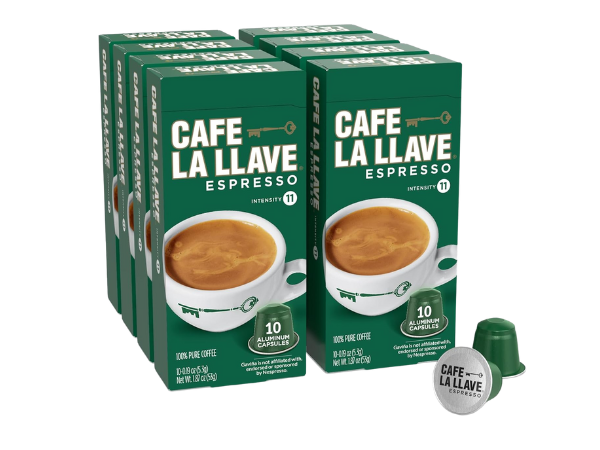
Café La Llave
Café La Llave is a Cuban‑style espresso brand created by the Gaviña family, whose coffee journey began in Cuba in the 19th century. Brothers José María and Ramón Gaviña emigrated from Spain to Cuba in 1870, cultivating coffee in the rich mountains of southern Cuba.
Key highlights of Café La Llave:
- Cuban heritage – Dark roast espresso reflecting traditional Cuban coffee.
- Family legacy – Passed down through generations of the Gaviña family.
- Affordable and bold – Known for strong flavor at accessible prices.
- Cultural symbolism – “La Llave” means The Key, representing tradition and identity.
- Part of Gaviña Gourmet Coffee – Alongside Don Francisco’s and other brands.
La Llave remains a staple in Latino households, especially for those who cherish the ritual of brewing espresso in a stovetop moka pot. Its bold flavor and cultural symbolism make it more than just coffee—it’s a key to preserving Cuban identity abroad.
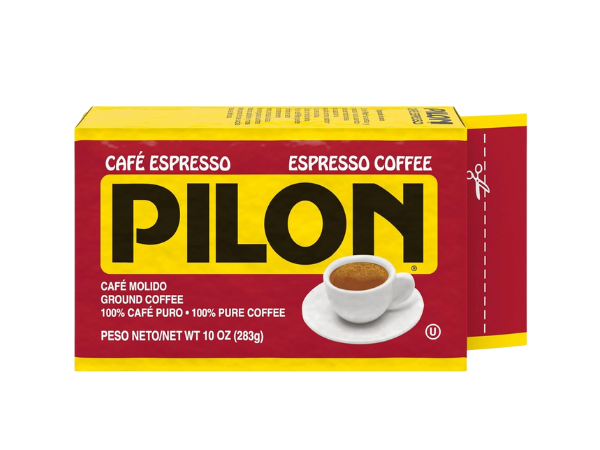
Pilón Espresso Coffee
Pilón is a Cuban‑style espresso brand that has become a household name across Latin communities in the U.S. and the Caribbean. Known for its bold, dark roast, Pilón delivers the strong flavor profile that Cuban coffee drinkers expect.
Key highlights of Pilón Espresso Coffee:
- Cuban heritage – Developed to replicate the intense espresso served in Havana cafés.
- Dark roast profile – Full‑bodied, smoky, and slightly sweet.
- Versatility – Perfect for stovetop moka pots, espresso machines, or traditional Cuban cafecito.
- Community staple – Widely consumed in Cuban‑American households, especially in Miami.
- Owned by J.M. Smucker Company – Ensures wide distribution while preserving its Latin identity.
Pilón represents more than just coffee—it’s a cultural ritual. Brewing Pilón often involves preparing cafecito (sweetened espresso) or colada (shared espresso shots), reinforcing its role as a social connector in Cuban culture.
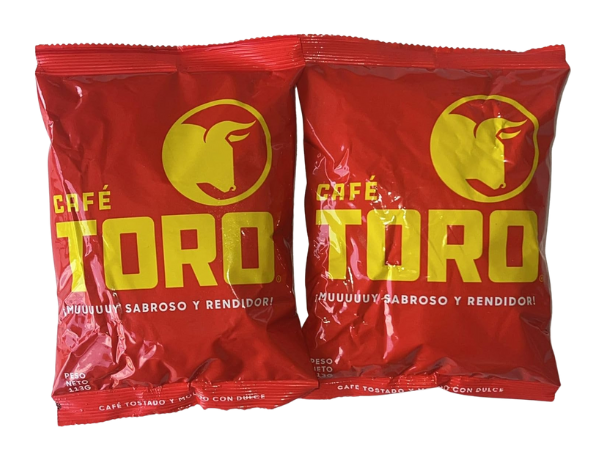
Café Toro
Café Toro is a Puerto Rican coffee brand that emphasizes strength and tradition. Produced on the island, it reflects Puerto Rico’s long history of coffee cultivation, dating back to the 18th century. Café Toro is especially popular among locals who prefer a robust, affordable everyday coffee.
Key highlights of Café Toro:
- Puerto Rican roots – Grown and roasted on the island, supporting local agriculture.
- Ground coffee format – Convenient for drip machines and stovetop brewing.
- Strong flavor – Bold, slightly bitter notes, ideal for milk‑based drinks like café con leche.
- Accessible pricing – Positioned as a daily household coffee rather than a luxury brand.
- Cultural presence – Found in supermarkets and small shops across Puerto Rico.
Café Toro embodies Puerto Rico’s coffee identity: practical, strong, and deeply tied to everyday life. It’s not about luxury but about consistency and tradition, making it a trusted choice for families across the island.
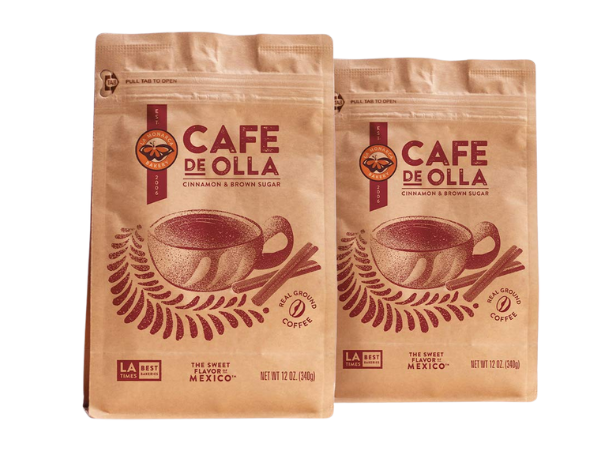
Café de Olla
Café de Olla is not just a brand, but a traditional Mexican coffee preparation that has become iconic across Latin America. It’s brewed in a clay pot (olla) with cinnamon and piloncillo (unrefined cane sugar), creating a sweet, spiced flavor that reflects Mexico’s culinary heritage.
Key highlights of Café de Olla:
- Mexican tradition – Originated during the Mexican Revolution as a comforting drink for soldiers.
- Unique preparation – Brewed with cinnamon sticks and piloncillo in clay pots.
- Flavor profile – Sweet, aromatic, with warm spice notes.
- Cultural symbolism – Represents hospitality and family gatherings.
- Modern appeal – Available in packaged blends and café menus worldwide.
Café de Olla is more than coffee—it’s a cultural ritual. The clay pot imparts earthy undertones, while cinnamon and sugar balance the boldness of the beans.
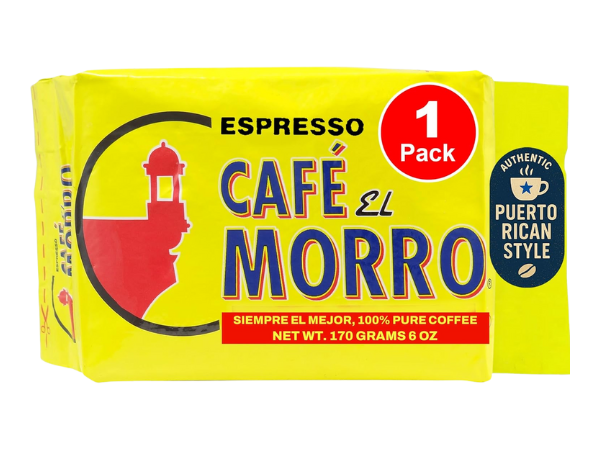
Café El Morro
Café El Morro is a Puerto Rican coffee brand known for its strong, full‑bodied flavor. Named after El Morro, the historic fortress in San Juan, the brand symbolizes Puerto Rico’s resilience and heritage.
Key highlights of Café El Morro:
- Puerto Rican roots – Locally grown and roasted, supporting island agriculture.
- Bold flavor – Dark roast with robust, slightly bitter notes.
- Accessible choice – Affordable and widely available in Puerto Rican supermarkets.
- Cultural identity – Named after San Juan’s fortress, a national symbol.
- Daily ritual – Popular for morning coffee and family gatherings.
Café El Morro embodies Puerto Rico’s coffee tradition: strong, practical, and deeply tied to everyday life. Its name connects drinkers to the island’s history, while its flavor reflects the boldness of Puerto Rican coffee culture.
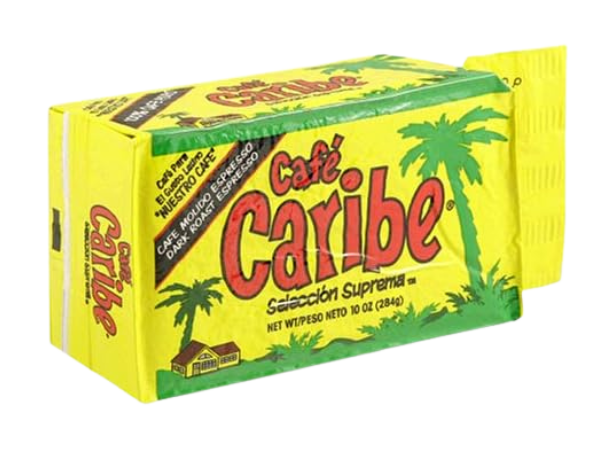
Café Caribe
Café Caribe is a Puerto Rican coffee brand that embodies the island’s love for strong, flavorful brews. It’s widely recognized for its bold taste and cultural presence, often enjoyed in households and local cafés.
Key highlights of Café Caribe:
- Puerto Rican roots – Grown and roasted on the island, supporting local farmers.
- Dark roast profile – Strong, full‑bodied flavor with a slightly bitter edge.
- Household staple – Affordable and accessible, found in supermarkets across Puerto Rico.
- Cultural identity – Represents everyday coffee traditions on the island.
- Versatile brewing – Works well in drip machines, moka pots, and espresso makers.
Café Caribe is more than just a brand—it’s part of Puerto Rico’s daily rhythm. Its bold flavor reflects the island’s preference for strong coffee, making it a trusted choice for families and a symbol of local pride.
Café Oro
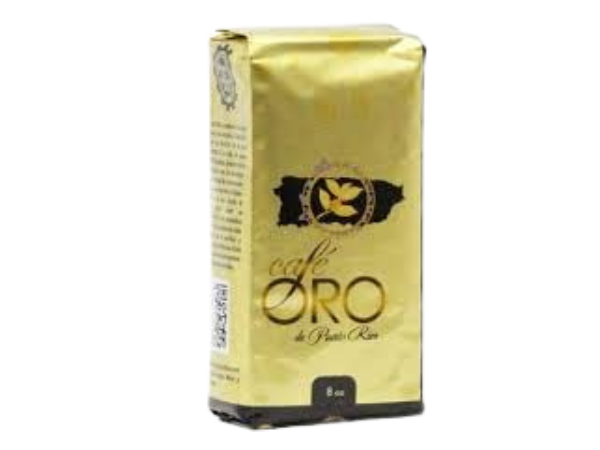
Café Oro is another Puerto Rican favorite, known for its smooth yet robust flavor. It’s positioned as a premium everyday coffee, balancing affordability with quality. The brand emphasizes tradition while appealing to modern coffee drinkers.
Key highlights of Café Oro:
- Puerto Rican heritage – Locally produced, supporting the island’s coffee industry.
- Balanced flavor – Medium‑dark roast with smooth notes and a rich aroma.
- Premium positioning – Marketed as a higher‑quality option compared to budget brands.
- Cultural presence – Popular in homes, offices, and cafés across Puerto Rico.
- Consistency – Known for reliable taste and quality across generations.
Café Oro represents the refined side of Puerto Rican coffee culture. It offers a smoother experience than stronger brands like El Morro or Caribe, making it ideal for those who want boldness without overwhelming bitterness.
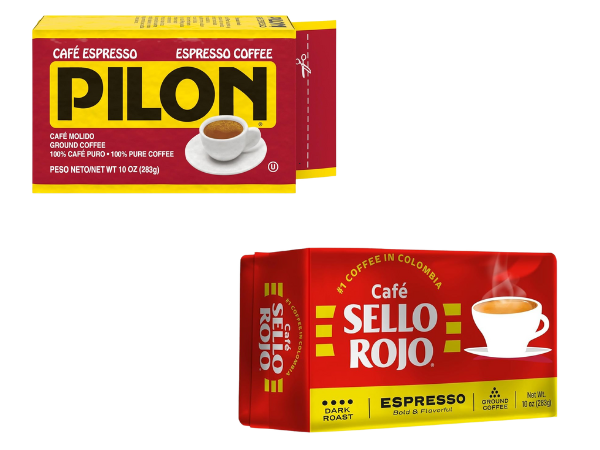
Café Sello Rojo
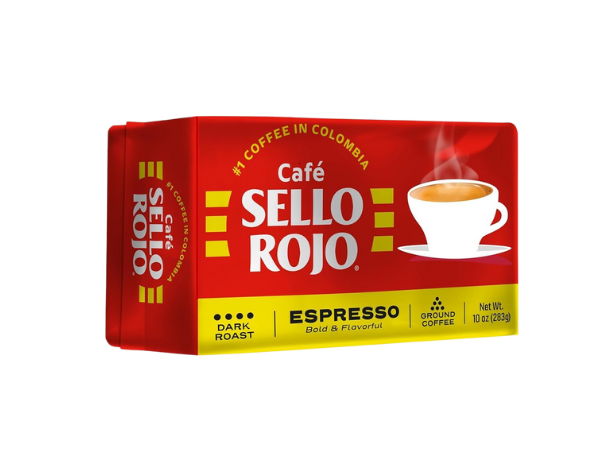
Café Sello Rojo is one of Colombia’s most iconic coffee brands, representing the country’s reputation for smooth, high‑quality Arabica beans. It’s a household staple in Colombia and widely exported, making it a symbol of Colombian coffee excellence.
Key highlights of Café Sello Rojo:
- Colombian heritage – 100% Arabica beans grown in Colombia’s coffee belt.
- Smooth flavor – Balanced profile with mild acidity and caramel notes.
- Household favorite – Trusted by Colombian families for generations.
- Global recognition – Exported internationally, showcasing Colombian coffee culture.
- Versatile brewing – Works well in drip machines, French press, and pour‑over.
Café Sello Rojo reflects Colombia’s coffee identity: smooth, approachable, and consistently high‑quality. It’s not just a brand but a cultural ambassador, connecting Colombian coffee traditions with the world.
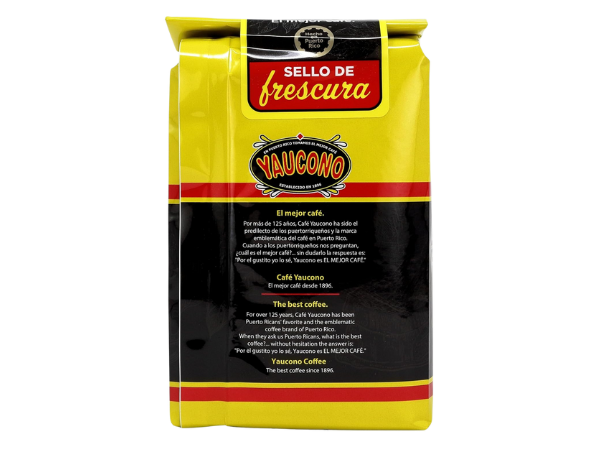
Café Yaucono
Café Yaucono is a Puerto Rican coffee brand with deep cultural roots. Founded in 1914, it has become one of the island’s most recognized names, often described as “El café de Puerto Rico.” Its bold flavor and iconic branding make it a national symbol.
Key highlights of Café Yaucono:
- Puerto Rican heritage – Locally grown and roasted, supporting island agriculture.
- Bold flavor – Dark roast with strong, full‑bodied notes.
- Historic brand – Over a century of presence in Puerto Rican households.
- Cultural identity – Marketed as “El café de Puerto Rico,” a source of pride.
- Daily ritual – Popular for morning brews and family gatherings.
Café Yaucono embodies Puerto Rico’s coffee tradition: strong, proud, and deeply tied to national identity. Its longevity and cultural symbolism make it more than just coffee—it’s part of Puerto Rico’s story.