Coffee in Germany is more than a beverage—it is a cultural anchor, a social ritual, and a bridge between centuries of tradition and modern taste. From the bustling coffeehouses of Berlin in the 18th century to today’s specialty roasters, German coffee brands have carved out a reputation for quality, consistency, and innovation.
The Story of German Coffee: Why Its Taste and Tradition Are Unique
Coffee first arrived in Germany in the late 17th century, imported by Dutch merchants from Arabia. Hamburg and Bremen became the earliest hubs, with Berlin later transforming coffee into a cultural phenomenon. Intellectuals and artists gathered in Kaffeehäuser to debate politics and philosophy over steaming cupscaffelab.com.
- Coffeehouses spread rapidly across German cities.
- By the 19th century, coffee was a staple in middle-class households.
- The ritual of Kaffee und Kuchen (coffee and cake) became a national tradition.
Today, Germans drink more coffee than beer, averaging 160 liters per person annually. This deep cultural integration explains why German brands emphasize both taste and heritage.
What Makes German Coffee Unique
German coffee stands out for its balance of tradition, innovation, and accessibility. Unlike Italian espresso culture, German coffee emphasizes filter brewing, smooth blends, and approachable flavors.
- Filter Coffee Legacy – Melitta revolutionized brewing with the paper filter in 1908.
- Balanced Taste – German blends often favor mild, aromatic profiles over intense bitterness.
- Accessibility – Brands like Jacobs and Tchibo are household staples, available in supermarkets nationwide.
- Cultural Rituals – Afternoon coffee breaks remain central to German daily life.
This combination makes German coffee both comforting and versatile, appealing to casual drinkers and connoisseurs alike.
Top 8 German Coffee Brands
Many of them source beans directly from Latin America and Africa, ensuring both quality and diversity of flavor. Together, they highlight the country’s unique approach to coffee—favoring smooth, balanced blends that suit filter brewing, while also embracing modern specialty roasting.
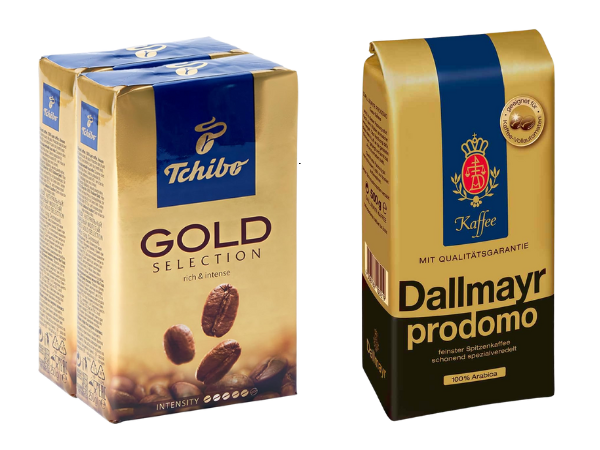
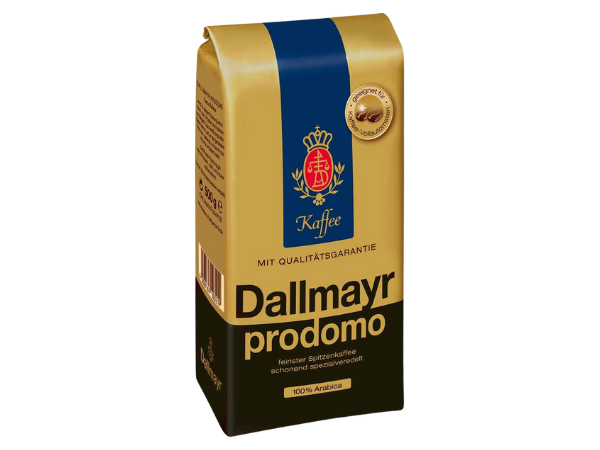
Dallmayr
Dallmayr is one of Germany’s most prestigious coffee names, with roots tracing back to the 17th century. Based in Munich, it began as a delicatessen and grew into a symbol of luxury coffee culture.
- Founded in 1700 – Originated as a delicatessen in Munich, later expanding into coffee.
- Prodomo Blend – Their flagship product, crafted from high-quality Arabica beans sourced from Ethiopia and Latin America.
- Luxury Positioning – Associated with fine dining, premium hotels, and gourmet experiences.
- Cultural Influence – Deeply tied to Munich’s coffeehouse traditions and German culinary heritage.
Dallmayr remains a brand that blends history with sophistication. For those seeking a cup that embodies elegance and tradition, Dallmayr offers a taste of Munich’s cultural heart.
Tchibo
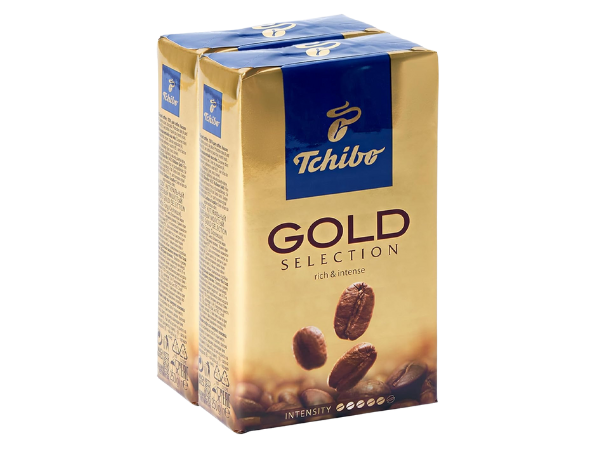
Tchibo is more than a coffee brand—it’s a household name in Germany. Founded in 1949 in Hamburg, Tchibo revolutionized coffee retail by combining coffee sales with weekly rotating consumer goods.
- Founded in 1949 – Established in Hamburg, quickly becoming a national favorite.
- Kaffee + Lifestyle – Famous for selling coffee alongside clothing, electronics, and household items.
- Accessibility – Widely available in supermarkets and Tchibo stores across Germany.
- Product Range – Offers blends, single-origin coffees, and specialty roasts.
- Sustainability Efforts – Invests in fair trade and eco-friendly sourcing practices.
Tchibo represents the everyday side of German coffee culture: approachable, versatile, and always evolving.
Jacobs
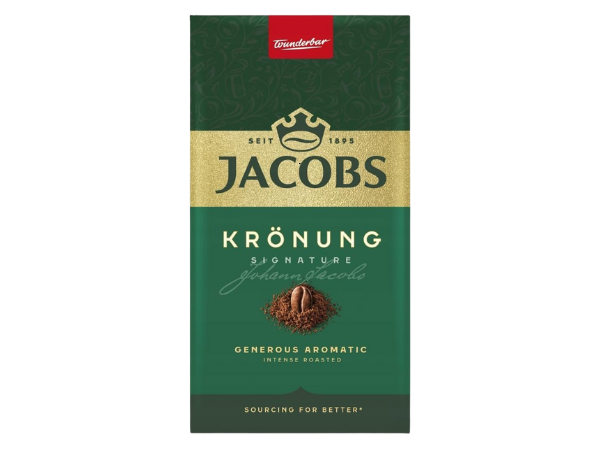
Jacobs is one of the most recognized coffee brands in Germany, with a history that dates back to 1895 when Johann Jacobs opened his first coffee shop in Bremen. Over the decades, Jacobs has become synonymous with everyday coffee drinking, offering blends that balance smoothness and accessibility.
- Founded in 1895 – Originated in Bremen, Germany, by Johann Jacobs.
- Jacobs Krönung – Their most famous blend, known for its smooth, balanced taste.
- Wide Availability – Found in supermarkets across Germany and Europe.
- Versatile Brewing – Suitable for filter coffee, espresso machines, and capsule systems.
- Global Presence – Part of JDE Peet’s, one of the world’s largest coffee companies.
Jacobs represents the comforting, everyday side of German coffee culture. It’s the brand that millions turn to for their morning ritual, offering consistency and familiarity in every cup.
Melitta
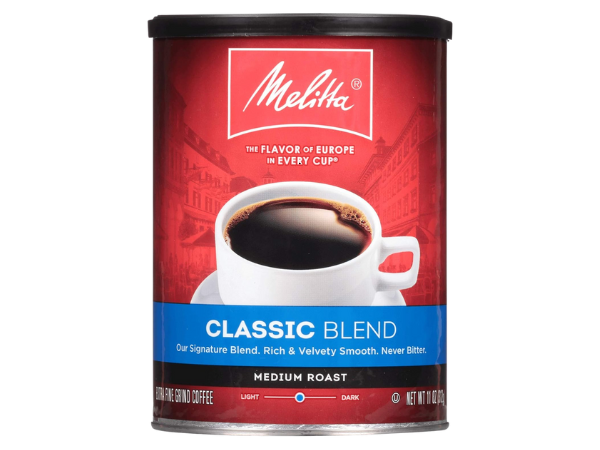
Melitta is not just a coffee brand—it’s a pioneer in coffee brewing. In 1908, Melitta Bentz invented the paper filter, revolutionizing how coffee was prepared worldwide.
- Founded in 1908 – Established in Minden, Germany, by Melitta Bentz.
- Paper Filter Invention – Changed coffee brewing forever, making it cleaner and more flavorful.
- Product Range – Offers beans, ground coffee, pods, and brewing accessories.
- Flavor Profile – Mild, aromatic blends that emphasize smoothness over bitterness.
- Sustainability – Invests in eco-friendly packaging and fair sourcing practices.
Melitta embodies the marriage of tradition and innovation. It’s a brand that not only provides quality coffee but also shaped the way the world brews it, ensuring its place as a cornerstone of German coffee culture.
Davidoff
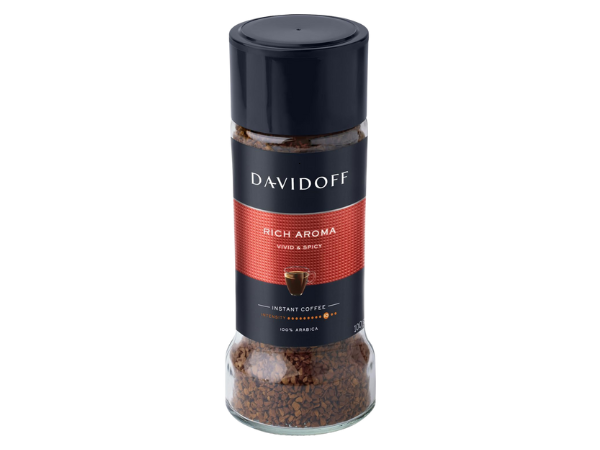
Davidoff is best known globally as a luxury lifestyle brand, but its coffee line has carved out a distinct niche in Germany and beyond. Introduced as part of the brand’s broader portfolio, Davidoff coffee emphasizes sophistication, premium quality, and international appeal.
- Premium Positioning – Davidoff coffee is branded as a luxury product, aligning with the company’s reputation in fashion and fragrances.
- Flavor Profiles – Offers blends such as Rich Aroma and Fine Aroma, crafted from carefully selected Arabica beans.
- Global Sourcing – Beans are sourced from Latin America and Africa, ensuring diverse flavor notes.
- Packaging & Presentation – Sleek, modern design that appeals to upscale consumers.
Davidoff coffee represents the intersection of lifestyle branding and gourmet taste. It’s not just about the beverage—it’s about the image of elegance and refinement that comes with every cup.
J.J. Darboven
Founded in 1866 in Hamburg, J.J. Darboven is one of Germany’s oldest coffee companies, still family-owned after more than 150 years. The brand is deeply rooted in tradition, emphasizing quality, heritage, and long-term relationships with coffee-growing regions.
- Founded in 1866 – Established by Johann Joachim Darboven in Hamburg.
- Family-Owned – Still managed by the Darboven family, maintaining continuity and tradition.
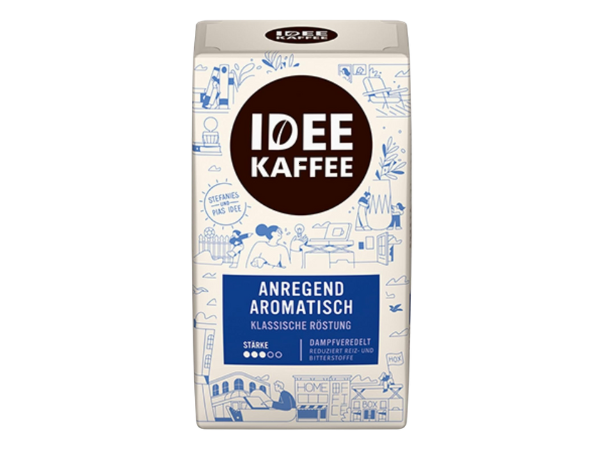
- Brand Portfolio – Oversees multiple coffee brands, including Eilles and Idee Kaffee.
- Commitment to Quality – Focuses on mild, aromatic blends with a strong emphasis on consistency.
- Global Connections – Long-standing relationships with Latin American coffee producers.
J.J. Darboven embodies the heritage of German coffee, combining family tradition with a broad portfolio that reaches millions of consumers.
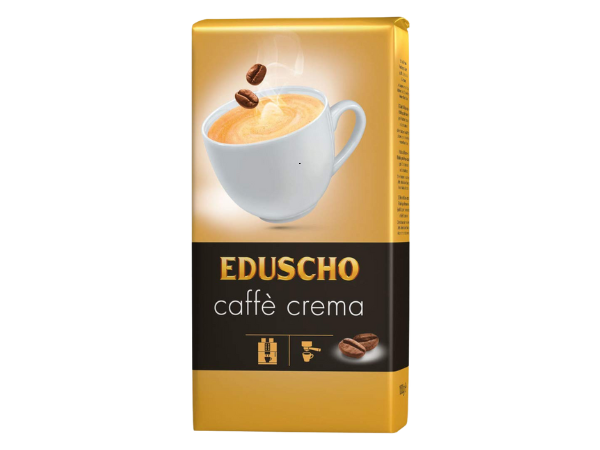
Eduscho
Eduscho is one of Germany’s classic coffee brands, founded in Bremen in 1924. It quickly became popular for offering affordable blends without compromising on taste, making it a favorite among price-conscious households.
- Founded in 1924 – Established in Bremen, Germany, with a focus on accessible coffee.
- Merger with Tchibo – Became part of Tchibo in the 1990s, expanding its reach.
- Affordable Blends – Known for smooth, mild flavors that appeal to everyday drinkers.
- Supermarket Presence – Widely available across Germany and Austria.
- Consistency – Offers reliable quality at a budget-friendly price point.
Eduscho remains a trusted choice for those who want a straightforward, enjoyable cup of coffee without the premium price tag. It embodies the democratic side of German coffee culture—quality for everyone.
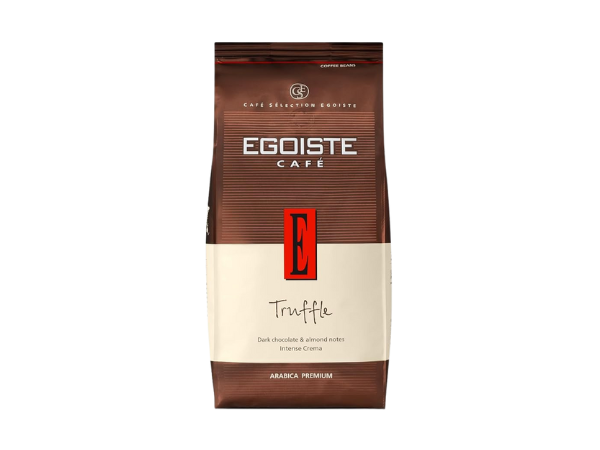
Egoiste
Egoiste is a premium coffee brand that has gained recognition in Germany and internationally for its bold positioning and high-quality blends. Unlike traditional German brands rooted in centuries of history, Egoiste emphasizes modernity, exclusivity, and global sourcing.
- Premium Branding – Positioned as a luxury coffee with sleek, modern packaging.
- Flavor Profiles – Offers blends like Egoiste Noir and Egoiste Café, crafted from select Arabica beans.
- International Sourcing – Beans sourced from Latin America and Africa, ensuring diverse flavor notes.
- Market Appeal – Targets upscale consumers looking for exclusivity and refinement.
- Distinct Identity – Stands apart from traditional German brands by focusing on modern lifestyle marketing.
Egoiste represents the contemporary face of coffee in Germany—stylish, international, and indulgent.