
South Africa’s coffee industry has grown steadily over the past decades, blending global influences with local traditions. While the country is not as famous for coffee cultivation as Ethiopia or Kenya, it has developed a vibrant roasting culture and a growing specialty scene.
The History of Coffee in South Africa
Coffee was first introduced to South Africa in the mid‑19th century, with early cultivation taking place in KwaZulu‑Natal. Missionaries brought Arabica plants from the island of Bourbon (now Réunion), and by the 1870s, coffee estates covered thousands of hectares.
Key historical milestones:
- 1854 Introduction – Coffee plants brought to KwaZulu‑Natal.
- 1870s Expansion – Over 2,000 hectares under cultivation.
- Late 1800s Decline – Coffee leaf rust destroyed most estates.
- 1960s Revival – Kenyan Arabica varieties reintroduced in Limpopo and Mpumalanga.
- Modern Era – Growth of specialty roasters and small farms like Beavercreek.
The history reflects resilience—despite setbacks, coffee culture has flourished, shaping a unique identity in the global market.
Flavor Focus and Traditions in South African Coffee
South African coffee culture is deeply tied to tradition, with brewing methods reflecting both heritage and modern innovation. While espresso bars thrive in cities, rural communities still embrace slower, more rustic styles.
Defining traditions and flavor focuses:
- Moerkoffie – Strong, black coffee brewed over open flames in the Karoo.
- Cape Malay Influence – Spiced coffee blends with cinnamon or cardamom.
- Local Roasters – Emphasis on medium roasts with nutty, chocolate notes.
- Hospitality Rituals – Coffee served as a gesture of warmth and community.
- Third‑Wave Movement – Specialty cafés highlighting single‑origin beans.
These traditions highlight South Africa’s diversity. Moerkoffie represents resilience and simplicity, while Cape Malay blends showcase cultural fusion.
Top 8 Coffee Brands in South Africa 2026
These brands represent the spectrum of South African coffee—from mass‑market staples like Ricoffy to boutique estates like Beavercreek. Each contributes to the country’s growing reputation for quality and diversity.
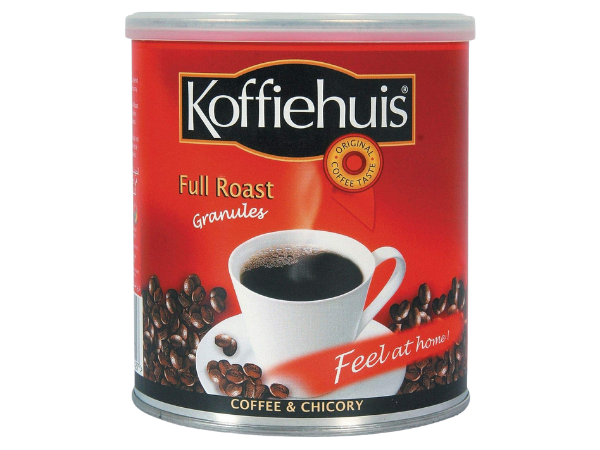
Koffiehuis Coffee
Koffiehuis is one of South Africa’s oldest and most recognizable coffee brands. It has long been associated with everyday home brewing, particularly in rural and suburban households.
Defining traits of Koffiehuis Coffee:
- Mild Flavor Profile – Balanced taste with subtle sweetness.
- Medium Roast – Not too acidic, making it approachable for daily drinking.
- Household Staple – Widely available in supermarkets across South Africa.
- Affordable Pricing – Positioned as a budget‑friendly option.
- Cultural Legacy – Often linked with traditional South African coffee rituals.
Koffiehuis remains popular because it delivers consistency and comfort. It’s not marketed as a specialty coffee but rather as a dependable everyday brew.
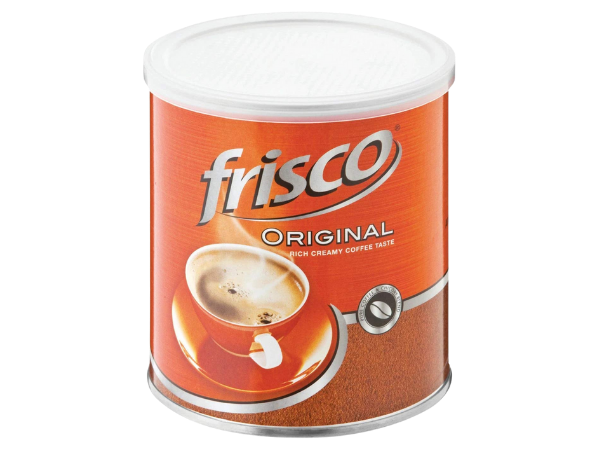
Frisco Coffee
Frisco Coffee is another iconic South African brand, famous for its instant chicory‑and‑coffee blend. First introduced decades ago, it quickly became a household name thanks to its affordability and creamy taste.
Defining traits of Frisco Coffee:
- Chicory Blend – Combines coffee with chicory for a unique taste.
- Creamy Texture – Smooth mouthfeel compared to standard instant coffee.
- Strong Flavor – Bold, roasted notes that appeal to traditional drinkers.
- Affordable & Accessible – Widely sold in supermarkets and discount chains.
- Longstanding Popularity – A trusted brand for generations.
Frisco’s appeal lies in its comforting, robust flavor and its role as a budget‑friendly alternative to pure coffee. It remains a staple in many South African homes, especially for those who grew up with its distinctive taste.
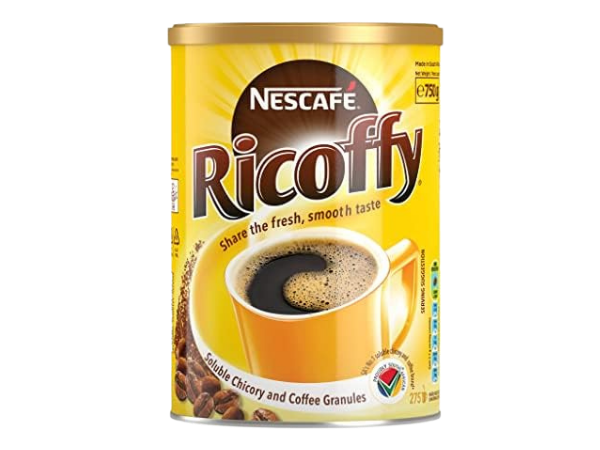
Ricoffy Coffee
Ricoffy is one of South Africa’s most iconic coffee brands, widely recognized for its affordability and smooth taste. Originally developed by Nestlé, it has been a staple in households for decades.
Defining traits of Ricoffy Coffee:
- Chicory Blend – Combines coffee with chicory for a smooth, mild flavor.
- Affordable & Accessible – Widely available in supermarkets across South Africa.
- Creamy Texture – Distinctive mouthfeel compared to pure coffee.
- Household Staple – Trusted brand for generations.
- Quick Preparation – Instant format makes it convenient for busy mornings.
While it may not appeal to specialty coffee purists, its approachable taste and affordability make it a cultural icon in South Africa’s coffee scene.
Gorilla’s Coffee
Gorilla’s Coffee is a premium African brand that emphasizes sustainability and bold flavor. Originally established in Rwanda, it has gained traction in South Africa as part of the growing specialty coffee movement.
Defining traits of Gorilla’s Coffee:
- Single‑Origin Focus – Primarily sourced from Rwanda and neighboring regions.
- Flavor Notes – Dark chocolate, spice, and fruity undertones.
- Medium Roast Profile – Balanced acidity with smooth body.
- Ethical Sourcing – Supports farmers through fair trade practices.
- Specialty Appeal – Popular among cafés and home brewers seeking quality.
Gorilla’s Coffee appeals to drinkers who want more than just a daily cup—it’s about experiencing the depth of African terroir.
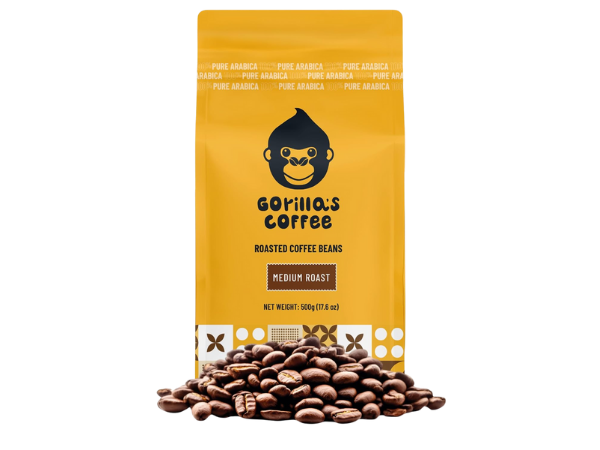
Carmel Valley Coffee Roasting – Espresso Medium Roast, Africa
Their Espresso Medium Roast, Africa highlights the vibrant flavors of African coffee, particularly from regions like Ethiopia and Kenya. This roast is designed to balance brightness with smooth body, making it versatile for both espresso and filter brewing.
Defining traits of Carmel Valley Espresso Medium Roast, Africa:
- Medium Roast Profile – Balanced acidity with a smooth finish.
- African Origins – Beans sourced from Ethiopia and Kenya for floral and fruity notes.
- Flavor Notes – Citrus, berry, and subtle chocolate undertones.
- Versatile Brewing – Works well for espresso, pour‑over, and drip coffee.
- Artisan Roasting – Small‑batch roasted for consistency and freshness.
This coffee is ideal for drinkers who enjoy the lively, fruit‑forward character of African beans but prefer the balance of a medium roast.
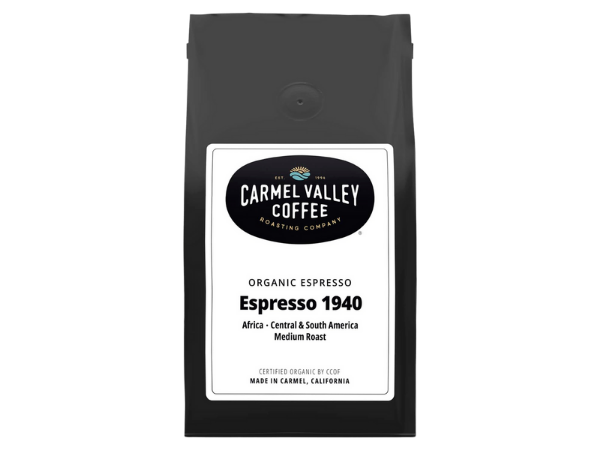
The Bean Organic Coffee Company – African Blend
The Bean Organic Coffee Company emphasizes sustainability and organic farming practices. Their African Blend is crafted from beans sourced across East Africa, offering a bold yet balanced flavor profile.
Defining traits of The Bean Organic Coffee Company African Blend:
- Organic Certification – Beans grown without synthetic pesticides or chemicals.
- African Origins – Sourced from Ethiopia, Rwanda, and Tanzania.
- Flavor Notes – Bright fruit, floral hints, and smooth chocolate finish.
- Medium Roast Profile – Balanced body with lively acidity.
- Ethical Sourcing – Supports farmers through fair trade practices.
It delivers a cup that is vibrant, aromatic, and ethically produced, making it a strong contender among African blends available in 2026.
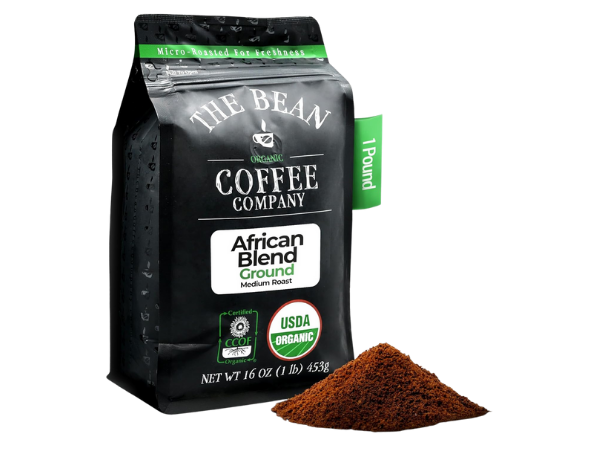
Westrock Coffee Company – East African Blend
Westrock Coffee Company is a global roaster with strong ties to African coffee origins. Their East African Blend highlights beans from countries such as Rwanda, Ethiopia, and Uganda, regions known for their bright acidity and complex flavor notes.
Defining traits of Westrock East African Blend:
- African Origins – Primarily sourced from Rwanda, Ethiopia, and Uganda.
- Flavor Notes – Citrus, berry, and floral undertones with a smooth finish.
- Medium Roast Profile – Balanced acidity and approachable body.
- Ethical Sourcing – Supports farmers through direct trade partnerships.
- Versatile Brewing – Suitable for drip, pour‑over, and French press.
This blend is ideal for coffee drinkers who enjoy lively, fruit‑forward flavors but still want balance in their cup.
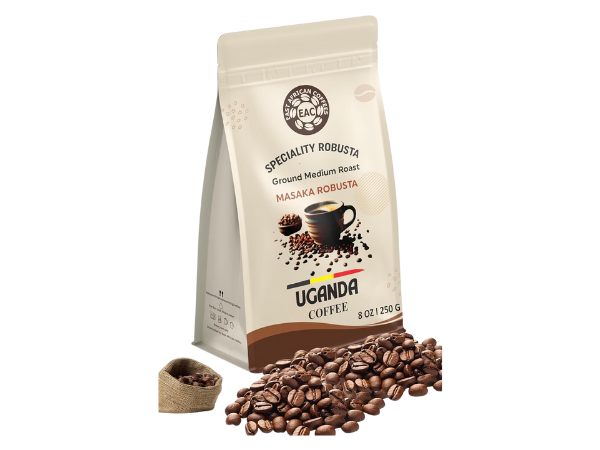
East African Coffees – Specialty Robusta Coffee
Sourced from Uganda and Tanzania, this coffee is carefully cultivated and processed to highlight the natural strengths of Robusta—rich crema, bold flavor, and high caffeine content—while minimizing bitterness.
Defining traits of Specialty Robusta Coffee:
- Robusta Focus – 100% specialty‑grade Robusta beans.
- Flavor Notes – Bold, earthy, with hints of dark chocolate and spice.
- High Caffeine Content – Stronger kick compared to Arabica blends.
- Sustainable Farming – Sourced from smallholder farmers in East Africa.
- Brewing Versatility – Works well for espresso, moka pot, and strong filter brews.
Specialty Robusta demonstrates that with careful cultivation, Robusta can deliver complexity and depth, making it a valuable addition to East Africa’s coffee portfolio.