

Caffeine is one of the most widely consumed stimulants in the world, found in coffee, tea, chocolate, sodas, and energy drinks. While it can boost alertness and improve focus, consuming too much can lead to health risks.
What Is Caffeine and How Does It Affect the Body?
Caffeine works by stimulating the central nervous system, temporarily warding off drowsiness and restoring alertness. It blocks adenosine receptors in the brain, which normally promote relaxation and sleepiness.
Key effects of caffeine on the body:
- Boosts alertness and concentration
- Increases heart rate and blood pressure
- Enhances physical performance and endurance
- Can cause jitteriness or anxiety in sensitive individuals
- Delays sleep onset and reduces sleep quality
While caffeine can be beneficial in moderation, excessive intake may lead to dependency, disrupted sleep, and cardiovascular strain. Understanding how it interacts with the body helps individuals make informed choices about their consumption.
What Is the Recommended Daily Caffeine Limit for Adults?
For healthy adults, most health authorities recommend a maximum of 300–400 mg of caffeine per day. This is roughly equivalent to 3–4 cups of brewed coffee. Individual tolerance varies, so some may feel jittery or anxious at lower amounts.
Examples of caffeine content in common beverages:
- Brewed coffee (8 oz): 95–120 mg
- Black tea (8 oz): 40–60 mg
- Green tea (8 oz): 30–50 mg
- Energy drink (8 oz): 70–100 mg
- Cola soda (12 oz): 30–40 mg
Staying within the recommended limit helps avoid side effects such as insomnia, restlessness, and rapid heartbeat. Adults should also consider other sources of caffeine, including chocolate and medications.

Safe Daily Caffeine Intake for Children and Teens
Children and adolescents are more sensitive to caffeine, and experts recommend limiting intake to no more than 100 mg per day for teens, with younger children ideally avoiding caffeine altogether.
Common caffeine sources for kids and teens:
- Cola soda (12 oz): 30–40 mg
- Chocolate bar: 10–30 mg
- Energy drinks: 70–150 mg (not recommended)
- Sweetened iced tea: 20–50 mg
Because energy drinks often contain high caffeine levels, they pose particular risks for young people, including dehydration, anxiety, and heart palpitations. Parents should monitor intake and encourage healthier alternatives like water or milk.
Daily Caffeine Limit During Pregnancy: What Experts Recommend
Pregnant women metabolize caffeine more slowly, and excessive intake can affect fetal development. Health organizations, including the WHO, recommend limiting caffeine to 200 mg per day or less during pregnancy.
Caffeine sources to monitor during pregnancy:
- Coffee (8 oz): ~95 mg
- Tea (8 oz): ~40 mg
- Dark chocolate (1 oz): ~20 mg
- Cola soda (12 oz): ~30 mg
High caffeine intake during pregnancy has been linked to low birth weight, preterm birth, and developmental risks. Expectant mothers should track all sources of caffeine, including hidden ones in medications.
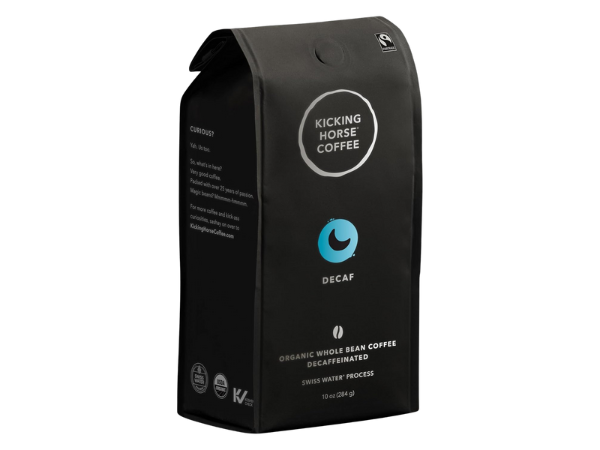
How Much Caffeine Is in Coffee, Tea, Energy Drinks, and Soda?
Caffeine content varies widely depending on preparation method and brand. Knowing the approximate amounts helps individuals stay within safe limits.
Average caffeine amounts per serving:
- Brewed coffee (8 oz): 95–120 mg
- Espresso (1 oz): 60–75 mg
- Black tea (8 oz): 40–60 mg
- Green tea (8 oz): 30–50 mg
- Energy drinks (8 oz): 70–100 mg
- Cola soda (12 oz): 30–40 mg
These values highlight why coffee and energy drinks are the biggest contributors to daily caffeine intake. Monitoring portion sizes and frequency of consumption is crucial. By being aware of caffeine levels, individuals can make smarter choices and avoid exceeding recommended limits.
Signs You May Be Consuming Too Much Caffeine
Excessive caffeine intake can lead to noticeable symptoms that signal the body is overstimulated. Recognizing these signs early helps prevent long-term health issues.
Common symptoms of caffeine overconsumption:
- Restlessness and jitteriness
- Rapid heartbeat or palpitations
- Insomnia or poor sleep quality
- Headaches or migraines
- Digestive discomfort
- Anxiety or irritability
If these symptoms occur, reducing caffeine intake gradually is recommended to avoid withdrawal effects like fatigue and irritability. Listening to the body’s signals ensures caffeine remains a helpful stimulant rather than a harmful habit.
Health Risks of Exceeding Daily Caffeine Limits
Going beyond safe caffeine limits can have serious health consequences. While occasional excess may cause temporary discomfort, chronic overconsumption increases risks for long-term conditions.
Potential health risks of high caffeine intake:
- Increased risk of heart disease and hypertension
- Sleep disorders and chronic insomnia
- Anxiety and panic attacks
- Dependence and withdrawal symptoms
- Pregnancy complications (low birth weight, preterm birth)
Maintaining awareness of caffeine intake is essential for overall health. By respecting daily limits, individuals can enjoy the benefits of caffeine—such as improved focus and energy—without exposing themselves to unnecessary risks.