
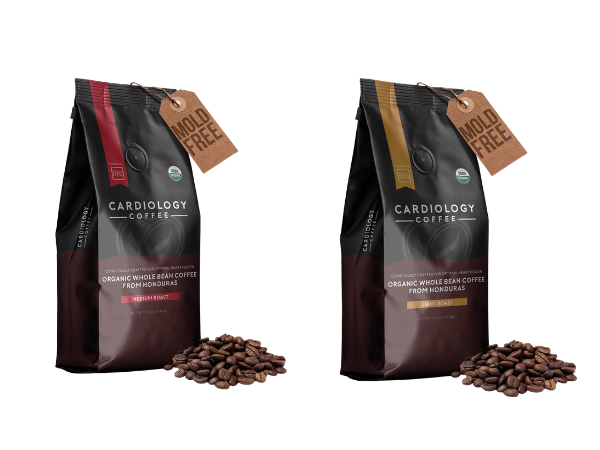
Cardiology Coffee is a specialty roaster that emphasizes health-conscious brewing and a philosophy rooted in balance. Unlike many commercial brands, its approach is not only about flavor but also about how caffeine interacts with the body—particularly the heart.
About Cardiology Coffee and Its Roast Philosophy
Cardiology Coffee was founded on the principle that coffee should be both enjoyable and mindful of health. The roasters believe that the way beans are roasted directly influences not only flavor but also caffeine concentration, acidity, and how the beverage interacts with the human body.
Key aspects of their philosophy include:
- Bean Selection – Choosing high-quality beans with consistent caffeine profiles.
- Roast Precision – Monitoring temperature and time to balance flavor and caffeine.
- Health Awareness – Highlighting how roast levels may affect heart health.
- Consumer Education – Offering charts and guides for informed coffee drinking.
- Flavor Integrity – Ensuring that taste is never sacrificed for caffeine control.
By combining science with craftsmanship, Cardiology Coffee positions itself as more than just a roaster—it becomes a guide for healthier coffee consumption.
Cardiology Coffee Caffeine Ranked by Roasts
Caffeine content varies significantly depending on roast level, and Cardiology Coffee provides clear rankings to help consumers understand what they are drinking. While many assume darker roasts have more caffeine, the truth is more nuanced.
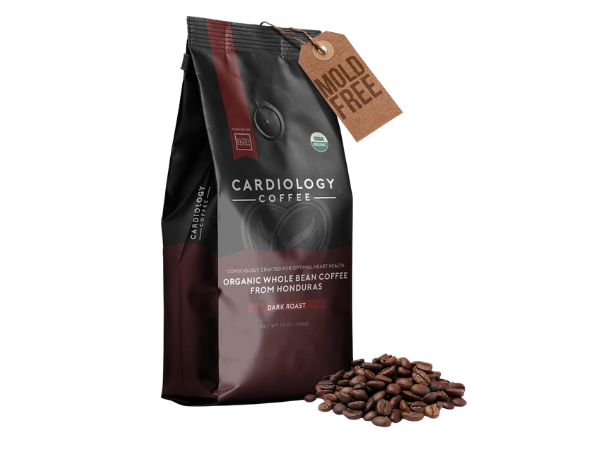
Cardiology Whole Bean Coffee – Dark Roast Coffee
Cardiology Coffee’s Dark Roast is crafted for those who enjoy bold, smoky flavors while still prioritizing health. This roast is USDA Certified Organic and tested to be mold-free, ensuring purity and safety in every cup.
Key highlights of the Dark Roast:
- USDA Certified Organic – Free from pesticides and harmful chemicals.
- Mold-Free Guarantee – Tested to ensure clean, safe beans.
- Bold Flavor – Rich, smoky notes with a smooth finish.
- Lower Acidity – Easier on the stomach compared to lighter roasts.
- Balanced Caffeine – Approximately 90–95 mg per 8 oz cup, ideal for moderate intake.
This roast is perfect for those who want a strong, full-bodied cup without overwhelming caffeine levels. It aligns with Cardiology Coffee’s philosophy of combining flavor integrity with health awareness.
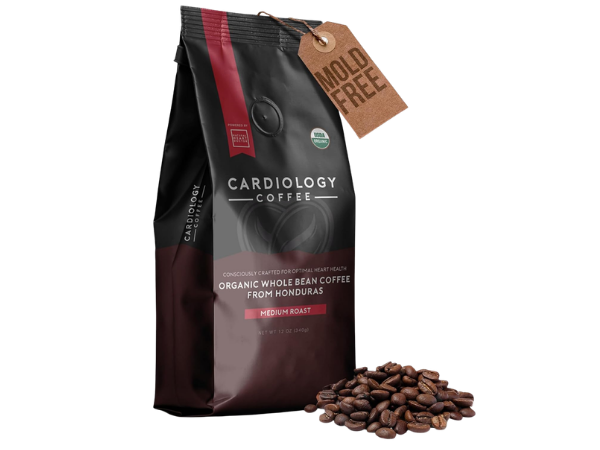
Cardiology Whole Bean Coffee – Medium Roast
The Medium Roast from Cardiology Coffee strikes a balance between flavor complexity and caffeine content. USDA Certified Organic and mold-free, it is designed for drinkers who want a versatile cup that works equally well in the morning or afternoon.
Key highlights of the Medium Roast:
- USDA Certified Organic – Ensures clean, chemical-free beans.
- Mold-Free Guarantee – Tested for purity and safety.
- Balanced Flavor – Notes of chocolate, nut, and mild fruit.
- Moderate Acidity – Smooth yet lively taste profile.
- Steady Caffeine – Approximately 95–105 mg per 8 oz cup, enough to energize without overstimulation.
The Medium Roast is versatile, pairing well with different brewing methods and serving as a dependable choice for those mindful of heart health.
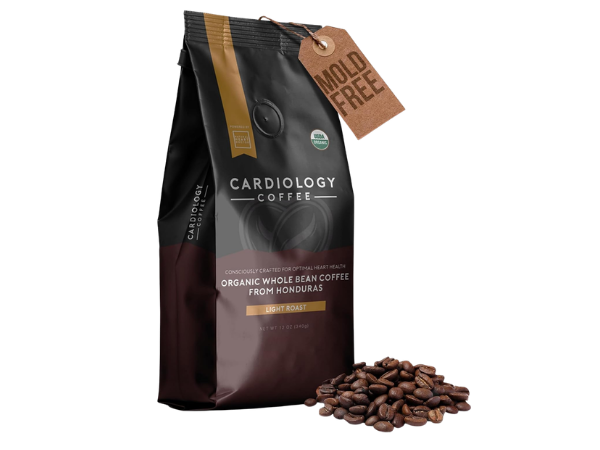
Cardiology Whole Bean Coffee – Light Roast
Cardiology Coffee’s Light Roast is designed for those who want maximum caffeine and bright, lively flavors. USDA Certified Organic and mold-free, this roast preserves the natural compounds of the bean while offering a crisp, fruity profile.
Key highlights of the Light Roast:
- USDA Certified Organic – Clean, chemical-free beans.
- Mold-Free Guarantee – Tested for purity and safety.
- Bright Flavor – Notes of citrus, floral, and mild fruit.
- Higher Acidity – Crisp and lively taste profile.
- Strong Caffeine – Approximately 105–115 mg per 8 oz cup, the most energizing option.
It reflects Cardiology Coffee’s commitment to transparency and health, ensuring that even high-caffeine options are safe and clean.
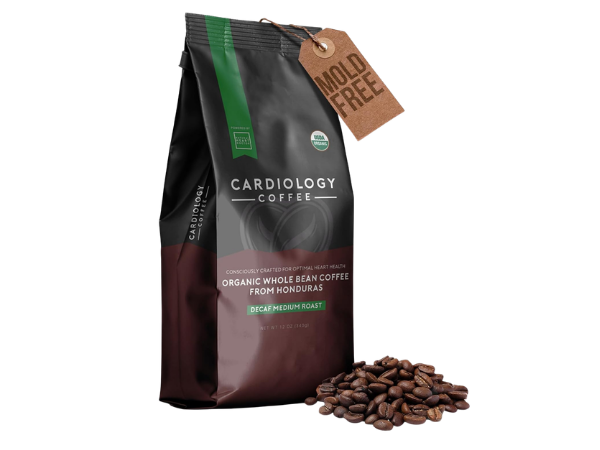
Cardiology Medium Roast Decaf Coffee Beans
The Medium Roast Decaf offers the balanced flavor of a medium roast without the stimulating effects of caffeine. USDA Certified Organic and mold-free, it is crafted for those who want to enjoy coffee’s taste while minimizing cardiovascular impact.
Key highlights of the Medium Roast Decaf:
- USDA Certified Organic – Free from harmful chemicals.
- Mold-Free Guarantee – Tested for safety and purity.
- Balanced Flavor – Chocolate, nut, and mild fruit notes.
- Moderate Acidity – Smooth yet lively taste profile.
- Minimal Caffeine – Approximately 2–5 mg per 8 oz cup, safe for sensitive individuals.
This roast is ideal for evening enjoyment or for those advised to limit caffeine. It provides the familiar taste of coffee without overstimulation, aligning with Cardiology Coffee’s health-first philosophy.
Cardiology Dark Roast Decaf Coffee Beans
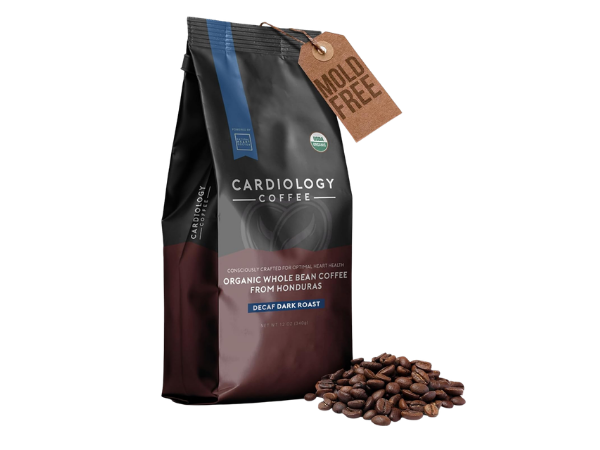
Cardiology Coffee’s Dark Roast Decaf is crafted for those who love bold, smoky flavors but want to avoid caffeine. USDA Certified Organic and mold-free, this roast delivers a smooth, full-bodied taste while keeping caffeine levels negligible.
Key highlights of the Dark Roast Decaf:
- USDA Certified Organic – Clean, chemical-free beans.
- Mold-Free Guarantee – Tested for purity and safety.
- Bold Flavor – Rich, smoky notes with a smooth finish.
- Lower Acidity – Easier on digestion compared to lighter roasts.
- Minimal Caffeine – Approximately 2–5 mg per 8 oz cup, virtually caffeine-free.
This roast is perfect for late-night coffee lovers or those with heart concerns who want the taste of coffee without the stimulant.
How Roast Level Impacts Caffeine and Heart Health
Roast level influences caffeine concentration and how coffee interacts with cardiovascular health. Light roasts, with higher caffeine, may stimulate the nervous system more strongly, while darker roasts, though lower in caffeine, often contain compounds that reduce acidity and may be gentler on the stomach.
Health considerations by roast level:
- Light Roast – Higher caffeine, potentially increasing heart rate.
- Medium Roast – Balanced caffeine, moderate cardiovascular impact.
- Dark Roast – Lower caffeine, smoother on digestion.
- Decaf Roast – Minimal caffeine, safest for sensitive individuals.
- Cold Brew – Can be very high in caffeine, requiring moderation.
Cardiology Coffee emphasizes moderation and awareness. While caffeine can improve alertness and mood, excessive intake may raise blood pressure or cause palpitations.
Safe Daily Caffeine Intake According to Experts
Health experts generally recommend limiting caffeine intake to safe daily thresholds. For most adults, 300–400 mg per day is considered moderate and unlikely to cause harm. Cardiology Coffee aligns its roast chart with these guidelines, helping consumers track their intake.
Expert recommendations:
- Healthy Adults – Up to 400 mg daily.
- Pregnant Individuals – Limit to 200 mg daily.
- Heart Patients – Often advised to keep intake below 200 mg.
- Children/Teens – Should consume minimal caffeine.
- Sensitive Individuals – Adjust based on tolerance.
By mapping caffeine levels to roast types, Cardiology Coffee makes it easier to stay within safe limits. For example, two cups of light roast may equal three cups of dark roast in caffeine content.
Brewing Tips to Maximize or Reduce Caffeine Extraction
Brewing method plays a crucial role in caffeine extraction. Even with the same roast, different techniques can yield vastly different caffeine levels. Cardiology Coffee educates consumers on how to adjust brewing to meet their needs.
Brewing tips for caffeine control:
- French Press – Longer steeping, higher caffeine.
- Espresso – Concentrated caffeine in small volume.
- Drip Coffee – Moderate caffeine, balanced extraction.
- Cold Brew – Extremely high caffeine due to long steeping.
- Shorter Brew Times – Reduce caffeine extraction.
By experimenting with brewing methods, consumers can tailor caffeine intake. For example, those seeking maximum energy may prefer cold brew, while those wanting less stimulation might shorten brew times or choose decaf.