
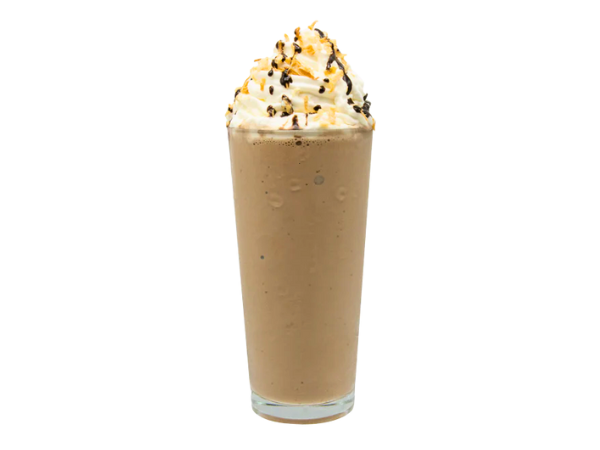
Mocha Milkshake
Caffeine
70 – 220 mg
Note: Caffeine amounts are based on mocha milkshakes prepared with espresso and chocolate syrup. Actual values vary depending on recipe, number of espresso shots, type of chocolate used, and serving size.
| Attribute | Value |
|---|---|
| Caffeine Level | Moderate |
| Serving Size | 8 – 16 fl oz |
| Serving Size (ml) | 250 – 500 ml |
| Caffeine | 70 – 220 mg |
| Calories | 280 – 520 kcal |
| Sugar | 35 – 65 g |
| Caffeine per fl oz | 8 – 14 mg/fl oz |
Mocha milkshakes are a fascinating hybrid beverage that combines the indulgent sweetness of chocolate with the stimulating kick of coffee.
What Makes a Mocha Milkshake Different from Other Coffee Drinks
Mocha milkshakes stand apart from traditional coffee beverages because they are designed as both a treat and a source of mild stimulation. While lattes, cappuccinos, and cold brews are primarily coffee‑forward, mocha milkshakes emphasize creaminess, sweetness, and dessert appeal.
Key differences include:
- Texture and Base – Mocha milkshakes are blended with ice cream or milk, creating a thick, creamy consistency unlike the lighter texture of iced coffee or lattes.
- Flavor Balance – They combine chocolate syrup or cocoa powder with espresso or brewed coffee, producing a sweeter, more dessert‑like flavor profile.
- Serving Style – Typically served in larger portions (250–500 ml or more), often topped with whipped cream, chocolate drizzle, or sprinkles.
- Caffeine Distribution – The caffeine comes not only from coffee but also from chocolate, which contains small amounts of caffeine and theobromine.
In essence, mocha milkshakes are not just coffee drinks—they are dessert beverages with a caffeinated twist. This makes them appealing to people who may not enjoy the bitterness of coffee but still want a mild energy lift.
The Role of Coffee and Chocolate in Caffeine Content
The caffeine in mocha milkshakes comes from two primary sources: coffee and chocolate. Each plays a distinct role in shaping the overall caffeine profile.
Coffee contribution:
- Espresso shots or brewed coffee are the main caffeine source.
- A single shot of espresso (30 ml) contains about 63 mg of caffeine.
- Depending on recipe, a mocha milkshake may include 1–2 shots, adding 63–126 mg of caffeine.
Chocolate contribution:
- Cocoa powder contains about 12 mg of caffeine per tablespoon.
- Chocolate syrup adds smaller amounts, typically 2–5 mg per serving.
- Dark chocolate chunks or shavings can increase caffeine further.
Combined effect:
- A mocha milkshake blends these sources, meaning caffeine levels vary widely.
- A small shake may contain 70–100 mg, while a large one can exceed 200 mg.
Together, coffee provides the bulk of the stimulant effect, while chocolate adds subtle caffeine plus theobromine, a compound that enhances alertness and mood.
Caffeine in a Small Mocha Milkshake (250 ml)
A small mocha milkshake, around 250 ml (8 oz), is often the entry‑level size offered at cafés. Despite its modest volume, it can still deliver a noticeable caffeine boost.
Typical caffeine breakdown:
- 1 shot of espresso (63 mg)
- Chocolate syrup or cocoa (5–15 mg)
- Total: 70–80 mg of caffeine
Key points:
- Comparable to a small cup of brewed coffee.
- Suitable for those who want a mild energy lift without overdoing caffeine.
- Often chosen by people who enjoy the flavor but are cautious about intake.
Summary: A small mocha milkshake is a balanced option—sweet, creamy, and moderately caffeinated. It’s ideal for afternoon enjoyment when you want a treat that won’t disrupt sleep later in the evening.
Caffeine in a Medium Mocha Milkshake (350–400 ml)
The medium size, typically 350–400 ml (12–14 oz), is the most popular serving. It strikes a balance between indulgence and stimulation.
Caffeine breakdown:
- 1–2 shots of espresso (63–126 mg)
- Chocolate syrup or cocoa (10–20 mg)
- Total: 95–145 mg of caffeine
Key points:
- Similar to a standard café latte or cappuccino in caffeine strength.
- Provides enough energy for morning or midday consumption.
- May be too strong for caffeine‑sensitive individuals.
Summary: A medium mocha milkshake is the “sweet spot” for most consumers. It delivers a noticeable buzz while still being manageable for daily intake. For comparison, it contains about the same caffeine as a 12 oz can of cola—but with a richer, creamier flavor.
Caffeine in a Large Mocha Milkshake (500 ml and above)
Large mocha milkshakes, often 500 ml (16 oz) or more, are indulgent and highly caffeinated. They are popular at specialty cafés and dessert shops.
Caffeine breakdown:
- 2–3 shots of espresso (126–189 mg)
- Chocolate syrup or cocoa (15–30 mg)
- Total: 150–220 mg of caffeine
Key points:
- Comparable to a strong cold brew or energy drink.
- Can exceed recommended caffeine intake for sensitive individuals.
- Best consumed earlier in the day to avoid sleep disruption.
Summary: Large mocha milkshakes are decadent but should be enjoyed with caution. While they deliver a satisfying dessert experience, their caffeine content is significant—sometimes equal to two cups of coffee.
Ingredient Variations That Affect Caffeine Levels
Not all mocha milkshakes are created equal. Ingredient choices can dramatically alter caffeine content.
Factors influencing caffeine:
- Type of coffee used – Espresso vs. brewed coffee vs. instant coffee.
- Chocolate variety – Dark chocolate adds more caffeine than milk chocolate.
- Add‑ins – Extra cocoa powder, chocolate chips, or coffee concentrate.
- Milk base – Dairy vs. plant‑based milk (no caffeine difference, but flavor changes).
- Toppings – Whipped cream, chocolate drizzle, or espresso powder can add small amounts.
Summary: Ingredient variations make mocha milkshakes highly customizable. A “light” version may contain under 80 mg of caffeine, while a deluxe version with extra shots and dark chocolate can exceed 250 mg.
Comparing Mocha Milkshakes to Other Coffee Treats
Mocha milkshakes are often compared to other coffee‑based beverages. Understanding these differences helps contextualize their caffeine levels.
Comparison highlights:
- Latte (12 oz) – 95 mg caffeine.
- Cappuccino (12 oz) – 80 mg caffeine.
- Cold brew (16 oz) – 200 mg caffeine.
- Frappuccino (16 oz) – 110 mg caffeine.
- Mocha milkshake (16 oz) – 150–220 mg caffeine.
Summary: Mocha milkshakes generally fall in the mid‑to‑high caffeine range compared to other coffee treats. They are stronger than lattes but weaker than cold brews, making them a versatile option for those who want indulgence plus stimulation.
Tips for Enjoying Mocha Milkshakes Without Overdoing Caffeine
While mocha milkshakes are delicious, moderation is key. Excessive caffeine can cause jitters, insomnia, or digestive discomfort.
Practical tips:
- Choose smaller sizes if you’re caffeine‑sensitive.
- Limit to one per day to stay within safe intake levels.
- Opt for decaf espresso to reduce caffeine while keeping flavor.
- Balance with water to stay hydrated.
- Avoid late‑night consumption to protect sleep quality.
Summary: Mocha milkshakes can be enjoyed responsibly by paying attention to size, timing, and ingredient choices. With mindful consumption, they remain a delightful treat that combines indulgence with a gentle energy boost.