
Cheerwine Cherry Soda
Caffeine
54–320 mg
Note: Actual caffeine levels may vary slightly depending on bottling location, fountain drink calibration, and product variant (Regular, Zero Sugar, or Energy).
| Attribute | Value |
|---|---|
| Caffeine Level | Moderate to High |
| Serving Size | 12 oz – 2-Liter |
| Serving Size (ml) | 355 -2000 ml |
| Caffeine | 54–320 mg |
| Calories | 170 kcal |
| Sugar | 46g |
| Caffeine per fl oz | 4.5–4.6 mg/fl oz |
Mountain Dew has long been recognized as one of the most caffeinated sodas on the market, appealing to fans who want more kick than traditional colas.
History of Mountain Dew and Its Popularity
Mountain Dew was first introduced in the 1940s as a regional soft drink, but it quickly grew into a national brand thanks to its bold citrus flavor and high caffeine content.
- Origins – Created in Tennessee as a mixer for whiskey.
- National Expansion – Acquired by PepsiCo in the 1960s, gaining nationwide distribution.
- Cultural Impact – Associated with skateboarding, gaming, and high-energy branding.
- Flavor Innovations – Numerous limited editions and permanent flavors like Code Red, Baja Blast, and Voltage.
- Global Reach – Available in multiple countries, with regional variations in sweetness and caffeine.
Today, Mountain Dew remains one of the most recognized soda brands worldwide. Its popularity is fueled not only by taste but also by its reputation as one of the strongest caffeinated sodas available.
Types of Mountain Dew Available in 2026
Mountain Dew’s lineup in 2026 is broader than ever, offering options for casual soda drinkers and those seeking maximum energy. The brand has expanded beyond its original formula to include sugar-free versions, flavored editions, and energy-focused products.
- Original Mountain Dew – The classic citrus soda with moderate caffeine.
- Mountain Dew Zero Sugar – A sugar-free alternative with nearly identical caffeine levels.
- Mountain Dew Energy – A stronger variant designed to compete with energy drinks.
- Flavored Editions – Baja Blast, Code Red, Voltage, and seasonal releases.
- Diet Mountain Dew – A lighter option with reduced calories but the same caffeine.
- Fountain Drinks – Widely available in restaurants and fast-food chains.
This variety ensures that Mountain Dew appeals to a wide audience, from those who want a refreshing soda to those who need a serious caffeine boost.
How Much Caffeine Is in Mountain Dew in 2026?
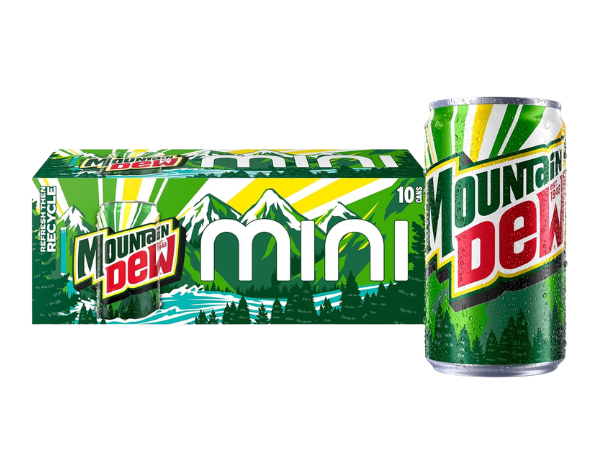
Caffeine levels in Mountain Dew vary depending on the serving size and product type. In 2026, the standard 12-ounce can contains 54 mg of caffeine, which is higher than Coca-Cola (34 mg) but lower than a typical cup of coffee (80–100 mg).
- 12 oz can – 54 mg caffeine
- 16 oz bottle – ~72 mg caffeine
- 20 oz bottle – 91 mg caffeine
- 2-liter bottle – ~320 mg caffeine (total content, not per serving)
- Fountain drink (20 oz) – Similar to bottled, around 91 mg caffeine
This makes it a preferred choice for those who want more stimulation than colas provide, without switching to coffee or energy drinks.
Mountain Dew Caffeine Chart 2026 (12 oz, 16 oz, 20 oz & 2-Liter)
Understanding caffeine levels by size is essential for consumers who monitor their intake. Below is a breakdown of Mountain Dew’s caffeine content in 2026:
- 12 oz can – 54 mg
- 16 oz bottle – 72 mg
- 20 oz bottle – 91 mg
- 2-liter bottle – 320 mg (entire bottle)
This chart highlights how quickly caffeine adds up when consuming larger sizes. A single 20-ounce bottle provides more caffeine than most sodas, while finishing a 2-liter bottle in one sitting would exceed the recommended daily caffeine intake for many adults.
Caffeine in Mountain Dew Cans vs Bottles: What’s the Difference?
While the formula remains consistent, the caffeine content differs based on packaging size. Cans are typically smaller, making them easier to control portion size, while bottles often contain more caffeine due to larger volumes.
- Cans (12 oz) – 54 mg caffeine, convenient for portion control.
- Bottles (16–20 oz) – 72–91 mg caffeine, offering more kick per serving.
- 2-liter bottles – Intended for sharing, but contain 320 mg total caffeine.
The difference is not in concentration but in serving size. Bottles deliver more caffeine simply because they hold more liquid. For those monitoring intake, cans are the safer choice, while bottles are better suited for those who want extended energy.
Caffeine in Mountain Dew Zero Sugar vs Regular
Mountain Dew Zero Sugar was introduced to provide a calorie-free alternative without sacrificing taste or caffeine. In 2026, Zero Sugar contains nearly the same caffeine levels as regular Mountain Dew, making it a strong option for those who want energy without added sugars.
- Zero Sugar (12 oz) – 54 mg caffeine
- Zero Sugar (20 oz) – 91 mg caffeine
- Regular Mountain Dew (12 oz) – 54 mg caffeine
- Regular Mountain Dew (20 oz) – 91 mg caffeine
The key difference lies in calories and sugar content. Regular Mountain Dew contains 170 calories per 12-ounce serving, while Zero Sugar has none. This makes Zero Sugar appealing to health-conscious consumers who still want the caffeine boost.
Mountain Dew Energy vs Regular Mountain Dew: Caffeine Comparison
Mountain Dew Energy is PepsiCo’s answer to the booming energy drink market. Unlike regular Mountain Dew, which has moderate caffeine, Mountain Dew Energy packs a much stronger punch.
- Regular Mountain Dew (20 oz) – 91 mg caffeine
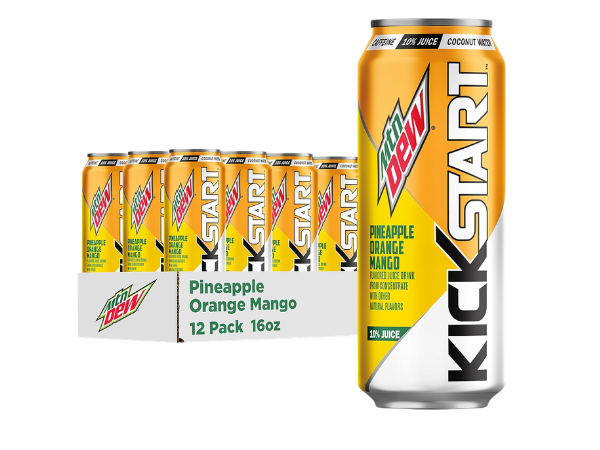
- Mountain Dew Energy (16 oz) – 180 mg caffeine
- Mountain Dew Energy (20 oz) – ~220 mg caffeine
This makes Mountain Dew Energy comparable to popular energy drinks like Monster and Red Bull. It is designed for consumers who want maximum stimulation, whether for workouts, gaming, or long work sessions.