
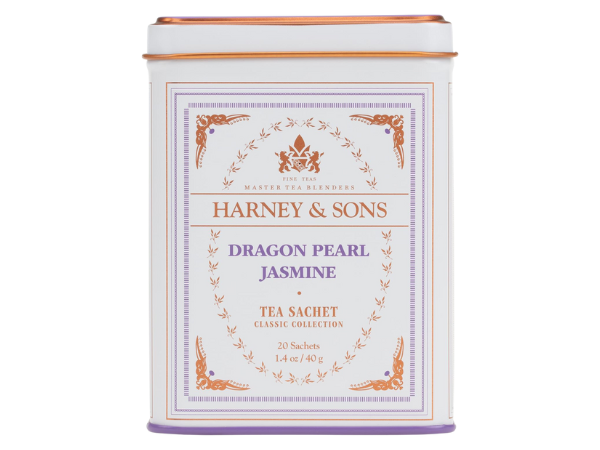
Jasmine Dragon Pearl Tea
Caffeine
30 – 50 mg
Note: Caffeine amounts are based on standard brewed Jasmine Dragon Pearl Tea and can vary depending on steeping time, water temperature, and leaf grade.
| Attribute | Value |
|---|---|
| Caffeine Level | Moderate |
| Serving Size | 8 – 12 fl oz |
| Serving Size (ml) | 237 – 355 ml |
| Caffeine | 30 – 50 mg per 8 fl oz cup |
| Calories | 2 kcal |
| Sugar | 0 g |
| Caffeine per fl oz | 4 – 6 mg/fl oz |
Jasmine Dragon Pearl Tea is a premium Chinese green tea scented with jasmine blossoms. Known for its delicate flavor and calming aroma, it also contains a moderate amount of caffeine.
What Is Jasmine Dragon Pearl Tea?
Jasmine Dragon Pearl Tea originates from Fujian Province, China, where young green tea leaves are hand‑rolled into small pearls and scented with fresh jasmine flowers.
Key characteristics:
- Origin – Fujian Province, China.
- Processing – Hand‑rolled green tea leaves.
- Scenting – Layered with jasmine blossoms overnight.
- Appearance – Small pearls that unfurl when steeped.
- Tradition – A centuries‑old tea craft.
This tea is prized for its craftsmanship and elegance. Each pearl represents careful labor, and the jasmine scenting process ensures a naturally fragrant infusion. It is both a cultural symbol and a modern wellness drink.
Flavor Profile and Aroma of Jasmine Dragon Pearl Tea
The flavor of Jasmine Dragon Pearl Tea is subtle yet complex, combining the freshness of green tea with the floral sweetness of jasmine.
Flavor highlights:
- Delicate sweetness – Mild, not overpowering.
- Floral aroma – Natural jasmine fragrance.
- Smooth body – Light and refreshing.
- Balanced taste – Gentle vegetal notes.
- Lingering finish – Soft aftertaste.
This profile makes it appealing to both tea enthusiasts and casual drinkers. The aroma is soothing, often described as calming and meditative, making it ideal for relaxation rituals.
Caffeine Content in Jasmine Dragon Pearl Tea Explained
Jasmine Dragon Pearl Tea contains moderate caffeine, typically 30–50 mg per 8 fl oz cup, depending on brewing.
Caffeine facts:
- Green tea base – Naturally lower caffeine than black tea.
- Per cup – 30–50 mg caffeine.
- Comparison – Coffee averages 95 mg per cup.
- Gentle boost – Provides alertness without jitters.
- Variability – Influenced by steeping time and leaf quality.
This makes Jasmine Dragon Pearl Tea suitable for those who want energy without overstimulation. It’s a balanced option for morning or afternoon consumption.
Caffeine in Jasmine Dragon Pearl Tea by Cup Size
The caffeine content in Jasmine Dragon Pearl Tea depends heavily on the size of the cup you drink. Since this tea is made from green tea leaves scented with jasmine blossoms, its caffeine levels are moderate compared to coffee but can still vary with serving size.
By cup size:
- 6 fl oz – 25–35 mg caffeine.
- 8 fl oz – 30–50 mg caffeine.
- 12 fl oz – 45–75 mg caffeine.
- 16 fl oz – 60–100 mg caffeine.
- 20 fl oz – 75–125 mg caffeine.
This breakdown shows how larger servings increase caffeine intake. For most adults, 400 mg per day is safe, so Jasmine Dragon Pearl Tea can be enjoyed multiple times daily without exceeding limits.
Health Benefits of Jasmine Dragon Pearl Tea and Its Caffeine
Jasmine Dragon Pearl Tea is more than just a fragrant beverage—it offers a range of health benefits thanks to its green tea base and moderate caffeine content.
Health benefits:
- Antioxidants – Rich in catechins that fight free radicals.
- Metabolism boost – Supports weight management.
- Calming aroma – Jasmine scent reduces stress.
- Heart health – May support cardiovascular wellness.
- Gentle stimulation – Caffeine enhances focus.
This combination makes it both a wellness drink and a source of mild energy. The tea’s dual role—calming yet energizing—sets it apart from stronger caffeinated beverages.
Factors That Influence Caffeine in Jasmine Dragon Pearl Tea
The caffeine content in Jasmine Dragon Pearl Tea is not fixed—it varies depending on how the tea is grown, processed, and brewed.
Influencing factors:
- Steeping time – Longer steeping extracts more caffeine.
- Water temperature – Hotter water increases caffeine release.
- Leaf grade – Younger leaves contain more caffeine.
- Serving size – Larger cups = higher intake.
- Multiple infusions – Later steeps yield less caffeine.
By adjusting these factors, drinkers can control caffeine strength. Shorter steeps with cooler water produce a gentler cup, while longer steeps maximize caffeine extraction.