
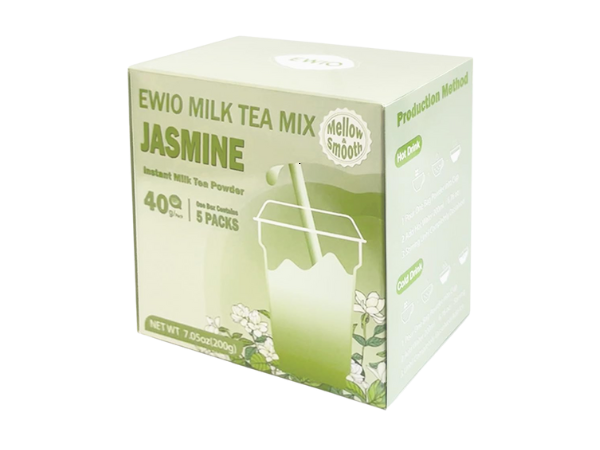
Jasmine Milk Tea
Caffeine
15 – 60 mg
Note: Caffeine amounts are based on jasmine milk tea prepared with a green tea base. Levels vary depending on tea type (green, black, or white), steeping time, and serving size.
| Attribute | Value |
|---|---|
| Caffeine Level | Moderate |
| Serving Size | 8 – 16 fl oz |
| Serving Size (ml) | 240 – 473 ml |
| Caffeine | 15 – 60 mg |
| Calories | 120 – 250 kcal |
| Sugar | 15 – 35 |
| Caffeine per fl oz | 2 – 4 mg/fl oz |
Jasmine milk tea is a fragrant beverage that combines the floral aroma of jasmine blossoms with the creamy richness of milk. Originating from East Asia, especially China and Taiwan, it has become a staple in bubble tea shops worldwide.
Does Jasmine Milk Tea Contain Caffeine?
Yes, jasmine milk tea contains caffeine because its base is typically green tea, though it can also be made with black or white tea. The caffeine content depends on the tea type used, with green tea offering moderate levels and black tea providing higher amounts.
Caffeine sources in jasmine milk tea include:
- Green Tea Base – Most common, with 15–60 mg per 8 oz.
- Black Tea Base – Higher caffeine, up to 70 mg per 8 oz.
- White Tea Base – Lower caffeine, around 10–30 mg per 8 oz.
- Milk Addition – Does not add caffeine but balances flavor.
- Sweeteners – No effect on caffeine, only taste.
However, its levels are generally lower than coffee, making it a gentler option for those sensitive to stimulants. This makes it suitable for afternoon or evening consumption without the risk of overstimulation.
Average Caffeine Content in Jasmine Milk Tea by Cup Size
Caffeine levels in jasmine milk tea vary by serving size and brewing strength. On average, an 8‑oz cup contains 15–60 mg of caffeine, depending on whether green, black, or white tea is used.
Approximate caffeine by size:
- 6 oz cup – 10–40 mg
- 8 oz cup – 15–60 mg
- 12 oz cup – 25–80 mg
- 16 oz cup – 35–100 mg
These values are influenced by steeping time and tea concentration. A stronger brew or black tea base will push caffeine levels higher, while lighter brews with white tea will keep them lower.
Jasmine Milk Tea vs. Green Tea: Caffeine Comparison
Since jasmine milk tea often uses green tea as its base, its caffeine content is similar to that of plain green tea. Green tea typically contains 20–45 mg per 8 oz, while jasmine milk tea ranges from 15–60 mg, depending on preparation.
Comparison highlights:
- Green Tea – 20–45 mg per 8 oz.
- Jasmine Milk Tea – 15–60 mg per 8 oz.
- Black Tea Jasmine Milk Tea – Up to 70 mg per 8 oz.
- Coffee – ~95 mg per 8 oz.
Adding milk does not affect caffeine but can make jasmine milk tea feel smoother and less intense. This makes jasmine milk tea a gentler alternative to coffee, while still offering more caffeine than herbal teas.
Factors That Influence Caffeine Levels in Jasmine Milk Tea
Several factors determine the caffeine content in jasmine milk tea.
Key influences include:
- Tea Base – Green, black, or white tea changes caffeine levels.
- Steeping Time – Longer steeping extracts more caffeine.
- Water Temperature – Hotter water increases caffeine release.
- Leaf Quality – Younger tea leaves contain more caffeine.
- Serving Size – Larger cups naturally contain more caffeine.
By adjusting these variables, drinkers can control caffeine intake. For example, steeping green tea for 2–3 minutes yields moderate caffeine, while steeping for 5 minutes increases strength. Choosing white tea as a base lowers caffeine significantly.
Health Benefits and Risks of Caffeine in Jasmine Milk Tea
Jasmine milk tea offers both benefits and risks due to its caffeine content.
Benefits include:
- Gentle Energy Boost – Provides alertness without jitters.
- Antioxidants – Green tea base offers catechins for health.
- Stress Relief – Jasmine aroma promotes relaxation.
- Digestive Aid – Milk can soothe stomach discomfort.
Risks include:
- Caffeine Sensitivity – May cause insomnia or anxiety in sensitive individuals.
- Added Sugar – Sweetened versions increase calorie intake.
- Lactose Issues – Milk may cause discomfort for lactose‑intolerant drinkers.
Overall, jasmine milk tea is a balanced beverage when consumed in moderation. It provides both relaxation and energy, but excessive intake may lead to caffeine‑related side effects.
Best Brewing Methods to Control Caffeine in Jasmine Milk Tea
The way jasmine milk tea is brewed has a direct impact on its caffeine content. While the tea base naturally contains caffeine, you can adjust brewing techniques to either reduce or enhance the amount extracted.
Tips for controlling caffeine:
- Shorter Steeping – Reduces caffeine extraction.
- Cooler Water – Limits caffeine release.
- Use White Tea Base – Naturally lower caffeine.
- Cold Brew Method – Produces smoother tea with less caffeine.
- Smaller Serving Size – Keeps caffeine intake moderate.
Those sensitive to caffeine should opt for shorter steeping times and cooler water, while those seeking more energy can steep longer with hotter water.