

Oolong Tea
Caffeine
37 mg
Note: Caffeine levels in oolong tea can shift significantly based on leaf variety, oxidation level, and brewing time. Lighter oolongs and shorter steeps tend to yield less caffeine, while darker, longer‑steeped teas can approach the higher end of the range.
| Attribute | Value |
|---|---|
| Caffeine Level | Moderate |
| Serving Size | 8 fl oz |
| Serving Size (ml) | 240 ml |
| Sugar | 0 g |
| Calories | 2-3 kcal |
| Total Caffeine | 37 mg (range: 16–55 mg) |
| Caffeine per fl oz | 4.6 mg/fl oz |
Oolong tea, often called the “in‑between” tea, sits midway between green and black tea in terms of oxidation, flavor, and caffeine content. Originating in China and Taiwan, it’s prized for its floral aroma, smooth taste, and complex character.
What is Oolong Tea?
Oolong tea is made from the leaves of the Camellia sinensis plant 1 , the same plant used for green and black teas. What sets it apart is its partial oxidation, which gives it a unique flavor profile and moderate caffeine content. Here are its defining traits:
- Partial Oxidation – Typically 10–80%, giving it a flavor range from light and floral to dark and toasty.
- Traditional Processing – Rolled, twisted, or curled leaves that unfurl during brewing.
- Cultural Heritage – Deeply rooted in Chinese and Taiwanese tea traditions.
- Flavor Complexity – Notes can include orchid, honey, roasted nuts, or stone fruit.
- Basic Flavors & Variety Packs – Available in classic single‑origin styles like Tie Guan Yin, Da Hong Pao, and Milk Oolong, as well as curated sampler packs for exploring different oxidation levels and flavor profiles.
Together, these qualities make oolong tea a versatile choice for both casual tea drinkers and connoisseurs, whether you stick to a favorite variety or enjoy discovering new flavors through mixed packs.
How Much Caffeine is in Oolong Tea?
The caffeine content in oolong tea varies depending on the variety, leaf grade, and brewing method. Here’s a general guide for an 8 fl oz (240 ml) cup:
- Typical Range – 37 mg caffeine on average.
- Lowest Recorded – 16 mg per cup (light oolong, short steep).
- Highest Recorded – 55 mg per cup (dark oolong, long steep).
This places oolong tea above green tea (10–25 mg) but below black tea (40–70 mg) in caffeine strength, offering a middle‑ground option for those seeking moderate stimulation.
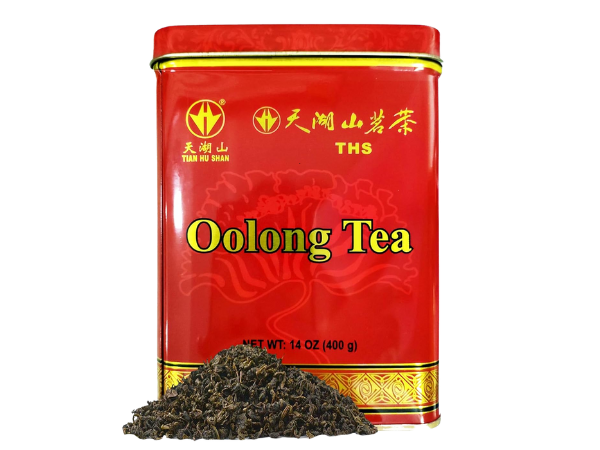
Calories and Nutrition in Oolong Tea
Plain, unsweetened oolong tea is naturally low in calories and macronutrients. Here’s what you’ll typically find in an 8 fl oz serving:
- Calories: 2–3 kcal
- Total Fat: 0 g
- Sodium: 0 mg
- Total Carbohydrates: 0.4 g
- Sugars: 0 g
- Protein: 0 g
These values make oolong tea an excellent choice for calorie‑conscious drinkers, especially when consumed without added sweeteners or milk.
Health Benefits Beyond Caffeine
Oolong tea is valued not just for its caffeine but also for its antioxidants and other beneficial compounds. Here are some of its potential perks:
- Rich in Polyphenols – May help combat oxidative stress 2.
- Supports Heart Health – Linked to improved cholesterol profiles in some studies.
- May Aid Metabolism – Some research suggests a mild boost in calorie burning.
- Promotes Mental Alertness – Thanks to its moderate caffeine and L‑theanine content.
While these benefits are promising, they work best as part of a balanced diet and healthy lifestyle.
Nutritional Facts at a Glance (Oolong Tea, 8 fl oz)
A cup of plain, unsweetened oolong tea is naturally low in calories and free from added sugars, making it a light and refreshing choice for daily hydration. Its nutritional profile is simple, but the caffeine content can vary depending on the type of oolong and how it’s brewed.
- Calories: 2–3 kcal
- Total Fat: 0 g
- Sodium: 0 mg
- Total Carbohydrates: 0.4 g
- Sugars: 0 g
- Protein: 0 g
- Caffeine: 37 mg on average (range: 16–55 mg)
- Caffeine per fl oz: 4.6 mg/fl oz
These numbers place oolong tea in the moderate‑caffeine category — stronger than green tea but gentler than black tea — while keeping calories and sugars virtually nonexistent.