
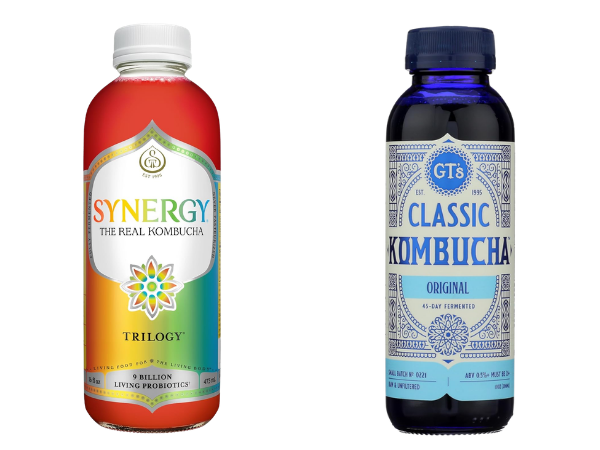
Kombucha is a fermented tea beverage that has surged in popularity thanks to its probiotic benefits, tangy flavor, and reputation as a healthier alternative to soda. Since kombucha is brewed from tea, caffeine is naturally present, though levels vary widely depending on brand, tea type, and brewing process.
What Is Kombucha and Why Does Caffeine Matter?
Kombucha begins as sweetened tea, which is then fermented with a symbiotic culture of bacteria and yeast (SCOBY). Because tea is the base, caffeine remains in the final product, though fermentation can reduce levels slightly.
Key reasons caffeine matters in kombucha:
- Natural Energy Source – Provides a gentle lift compared to coffee or energy drinks.
- Health Considerations – Important for those sensitive to caffeine or monitoring intake.
- Brand Differences – Each kombucha company uses different teas and brewing methods.
- Serving Size – Caffeine per bottle varies depending on ounces consumed.
- Lifestyle Fit – Helps consumers decide if kombucha works as a daily beverage.
Ultimately, caffeine in kombucha is not as high as coffee, but it’s significant enough to influence energy levels.
Kombucha Caffeine by Brand: Complete Chart
Some use black tea bases with higher caffeine, while others rely on green or herbal blends. On average, kombucha contains 10–25 mg of caffeine per 8 oz serving, though certain brands like KeVita Master Brew or Humm Kombucha can reach much higher levels, rivaling a small cup of coffee.
| Kombucha | Serving Size | Calories | Caffeine (mg) |
|---|---|---|---|
| Humm Kombucha | 240 ml | 30–40 | 14 |
Kombucha vs Coffee and Tea: Caffeine Comparison
Kombucha is brewed from tea, so it naturally contains caffeine, but fermentation reduces the amount significantly. For most drinkers, kombucha provides a mild lift without the intensity of coffee or even strong tea.
Average caffeine per 8 oz serving:
- Black Coffee – 95 mg
- Black Tea – 40–50 mg
- Green Tea – 25–35 mg
- Kombucha – 15–50 mg (brand dependent)
- Energy Drinks – 80–120 mg
This comparison shows kombucha generally contains less caffeine than coffee and energy drinks, but overlaps with tea. For those seeking a gentler alternative, kombucha provides a middle ground: enough stimulation without the intensity of coffee.
Factors That Influence Kombucha Caffeine Content
Kombucha is not standardized in caffeine content, and the final amount in each bottle depends on several brewing and fermentation variables. Understanding these influences helps consumers choose kombucha that matches their energy needs and lifestyle.
Main influencing factors:
- Tea Type – Black tea yields more caffeine than green or white tea.
- Brewing Time – Longer steeping extracts more caffeine.
- Fermentation Length – SCOBY activity can slightly reduce caffeine.
- Serving Size – Larger bottles naturally contain more caffeine.
- Added Ingredients – Some brands infuse extra tea or yerba mate, boosting levels.
These factors explain why kombucha is not standardized in caffeine content. A bottle of Kevita Master Brew may feel like a strong tea, while Brew Dr. Kombucha is closer to a light green tea.
Popular Kombucha Varieties and Their Energy Levels
Kombucha is available in many varieties, each shaped by the tea base and added botanicals. These differences directly influence caffeine levels and the overall energy impact of the drink.
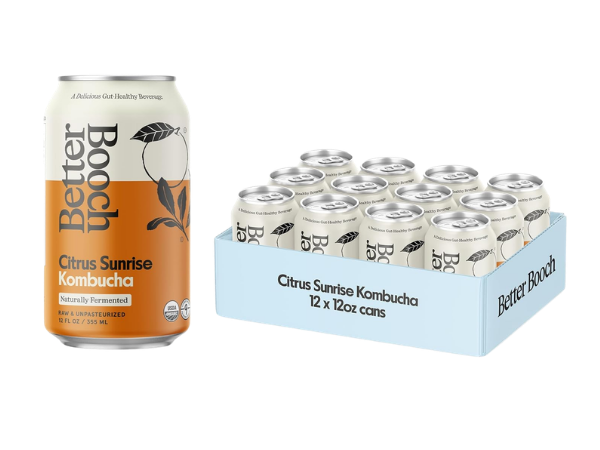
Better Booch Organic Kombucha
Better Booch Organic Kombucha is crafted with a focus on premium tea blends and small‑batch brewing. Its caffeine content ranges from 10–25 mg per 12 oz serving, depending on the flavor and tea base.
Key Highlights:
- Caffeine range: 10–25 mg per 12 oz.
- Small‑batch brewing for quality and consistency.
- Flavor lineup emphasizes unique tea and fruit pairings.
- Appeals to those who want both probiotics and a moderate energy boost.
Better Booch is often chosen by kombucha fans who want a little more kick without going into high‑caffeine territory.
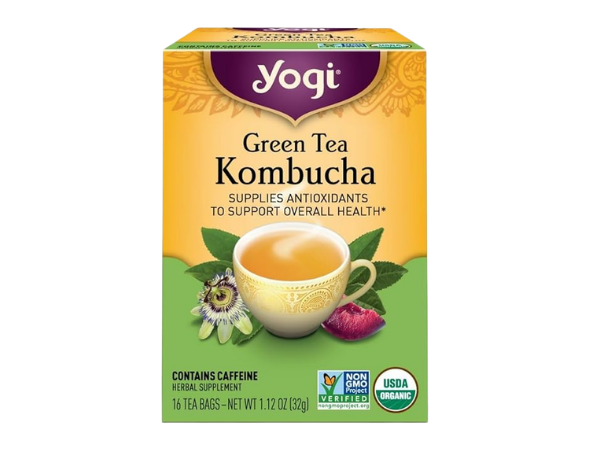
Yogi Tea Green Kombucha
Yogi Tea Green Kombucha blends the traditions of herbal tea with the probiotic benefits of kombucha, resulting in a beverage that sits in the mid‑range of caffeine strength. With 15–30 mg per 8 oz serving, it provides a noticeable lift without being overpowering.
Key Highlights:
- Caffeine range: 15–30 mg per 8 oz.
- Green tea base for moderate stimulation.
- Infused with herbs and botanicals for added complexity.
- Appeals to those who want both energy and wellness benefits.
This kombucha is often chosen by people who want a balance between flavor, probiotics, and a gentle energy boost.
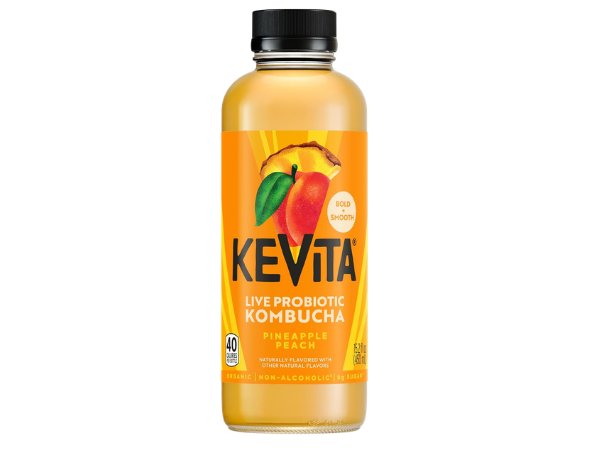
KeVita Master Brew Kombucha Peach
KeVita Master Brew Kombucha Peach is one of the strongest kombucha options on the market, delivering a powerful 76 mg of caffeine per 15.2 fl oz bottle. Brewed with a robust black tea base, it’s designed for those who want kombucha’s probiotic benefits alongside a serious energy kick.
Key Highlights:
- Caffeine content: 76 mg per 15.2 fl oz.
- Black tea base for high caffeine retention.
- Flavor profile: peach with a tangy, tea‑forward finish.
- Marketed as a functional energy kombucha.
It’s not just a wellness drink—it’s a caffeinated powerhouse that appeals to those who need focus and stamina while still supporting gut health.
Health Benefits and Risks of Kombucha Caffeine
Kombucha is often praised for its probiotic qualities, but its caffeine content also plays a role in how it affects the body. While kombucha generally contains less caffeine than coffee or tea, the stimulant effect can still be noticeable, especially in stronger varieties.
Benefits:
- Mild Energy Boost – Helps with focus and alertness.
- Digestive Support – Kombucha’s probiotics aid gut health.
- Antioxidants – Tea base provides polyphenols.
- Lower Jitters – Less caffeine than coffee or energy drinks.
Risks:
- Sensitivity – May cause restlessness in caffeine-sensitive individuals.
- Sleep Disruption – Drinking late in the day can affect rest.
- Overconsumption – Multiple bottles can add up in caffeine intake.
- Hidden Variability – Not all brands clearly label caffeine levels.
Overall, kombucha offers a balanced way to enjoy caffeine with added health benefits. Moderation is key, and consumers should check brand labels to avoid surprises.