
This page contains affiliate links. As an Amazon Associate I earn from qualifying purchases.
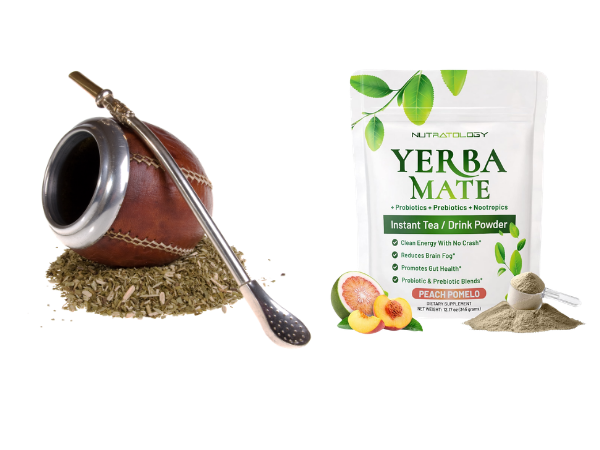
Yerba Mate is a traditional South American infusion made from the leaves of Ilex paraguariensis. Known for its earthy flavor and energizing properties, it has become popular worldwide as a natural alternative to coffee and tea.
What Is Yerba Mate and Why Does Caffeine Matter?
Yerba Mate is more than just a beverage—it’s a cultural tradition in countries like Argentina, Paraguay, and Uruguay. Its caffeine content is central to its appeal, offering a stimulating effect without the jitteriness often associated with coffee.
Key traits of yerba mate:
- Natural stimulant – Contains caffeine, theobromine, and theophylline.
- Balanced energy – Provides alertness with fewer crashes compared to coffee.
- Nutrient profile – Rich in antioxidants, vitamins, and minerals.
- Social ritual – Traditionally shared in a gourd with a metal straw (bombilla).
- Global popularity – Increasingly marketed as a wellness drink worldwide.
By knowing how caffeine interacts with the body, drinkers can better manage their intake. For students, professionals, or athletes, yerba mate offers a sustainable energy source.
Yerba Mate Caffeine by Brand: Complete Chart
Different brands of yerba mate vary widely in caffeine content. Some blends are stronger, while others are milder, making it important to compare before choosing.
| Yerba Mate | Serving Size | Calories | Caffeine (mg) |
|---|---|---|---|
| Brainista Yerba Magic Tea | 1 scoop | 25 | 40 |
| BloomBoost Yerba Mate Instant Tea Powder | 1 scoop | 25 | 80–100 |
| Back to Primal Yerba Mate | 1 scoop | 15 | 100 |
| THEANECHO Yerba Mate | 1 scoop | 25 | 70–90 |
| Guayakí Yerba Mate | 15.5 fl oz | 150 | 150 |
These values can fluctuate depending on steeping time, water temperature, and serving size. Stronger blends like Guayakí or CBSe Energy are ideal for those seeking maximum stimulation, while lighter brands such as Playadito suit casual drinkers.
Yerba Mate vs Coffee and Tea: Caffeine Comparison
Yerba mate often sparks curiosity because it sits between coffee and tea in terms of caffeine strength. Coffee is widely known as the most potent everyday beverage, while tea offers a gentler lift.
Average caffeine per 8 oz serving:
- Coffee – 95–120 mg
- Yerba Mate – 65–85 mg
- Black Tea – 40–60 mg
- Green Tea – 30–45 mg
- Herbal Tea (non-caffeinated) – 0 mg
This comparison shows that yerba mate provides a middle ground. It delivers more stimulation than tea but less intensity than coffee. Many drinkers appreciate its smoother energy curve, which avoids the sharp spikes and crashes of coffee.
Factors That Influence Yerba Mate’s Caffeine Content
Yerba mate is not a standardized beverage—its caffeine content can vary significantly depending on how it is grown, processed, and prepared. This variability is one of the reasons why drinkers sometimes report different energy levels even when consuming the same brand.
Influencing elements include:
- Leaf cut – Finer cuts release caffeine faster.
- Roasting process – Darker roasts may reduce caffeine slightly.
- Preparation method – Hot water extracts more caffeine than cold brew.
- Serving size – Larger gourds or multiple refills increase intake.
- Brand formulation – Some blends are designed for higher potency.
These variables explain why two cups of yerba mate can taste similar but deliver different energy levels. Traditional gourd preparation often results in higher caffeine intake than tea bags or bottled versions.
Popular Yerba Mate Varieties and Their Energy Levels
Yerba mate is not a one‑size‑fits‑all beverage. Different varieties offer distinct flavor profiles and caffeine strengths, making it versatile for a wide range of drinkers. Some blends are crafted for everyday enjoyment, while others are designed to deliver a stronger energy boost.
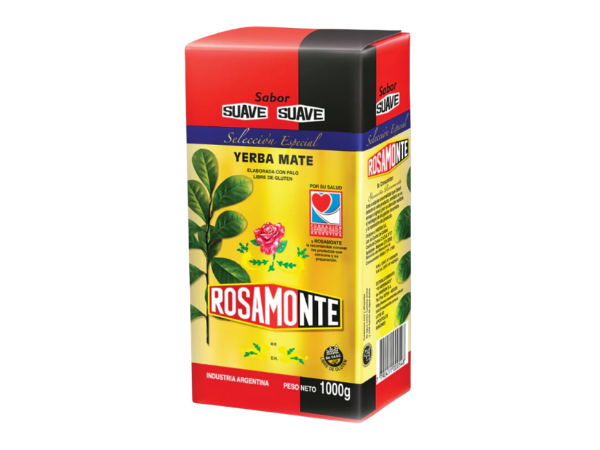
Rosamonte Yerba Mate – Selección Especial
Rosamonte Selección Especial is a premium Argentine mate crafted for those who appreciate depth of flavor and reliable energy. With around 45–50 mg of caffeine per 8 oz serving, it offers a strong yet balanced boost.
- Caffeine content: ~45–50 mg per 8 oz serving.
- Flavor profile: Bold, smoky, slightly bitter, with rich undertones.
- Production method: Specially selected and aged leaves for premium quality.
- Best use case: Morning or midday beverage for strong, sustained energy.
- Target audience: Drinkers who enjoy robust flavor and higher caffeine levels.
Its caffeine content is high enough to energize demanding days, while its flavor profile appeals to those who want a more complex mate experience.
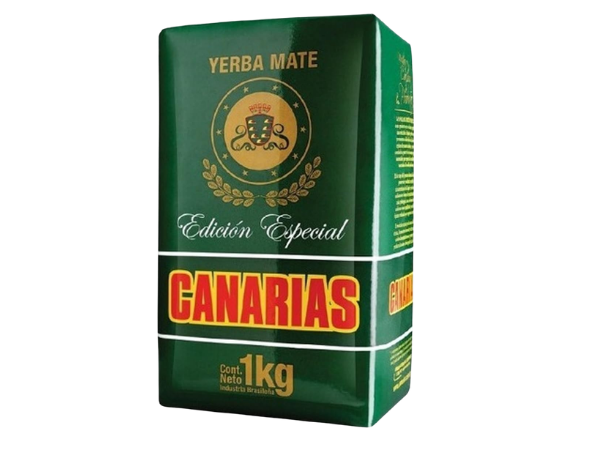
Canarias Special Edition Yerba Mate
Canarias Special Edition is a premium Uruguayan yerba mate known for its fine cut and intense flavor. With about 50–55 mg of caffeine per 8 oz serving, it delivers a powerful boost that appeals to experienced mate drinkers.
- Caffeine content: ~50–55 mg per 8 oz serving.
- Flavor profile: Intense, earthy, slightly bitter, with a long finish.
- Production method: Fine cut leaves, aged for depth and strength.
- Best use case: Morning ritual or long workdays requiring maximum focus.
- Target audience: Experienced mate drinkers who enjoy bold flavor and high caffeine.
Its fine cut ensures rapid infusion, and its robust flavor profile pairs perfectly with its high caffeine content, making it a powerhouse in the yerba mate world.
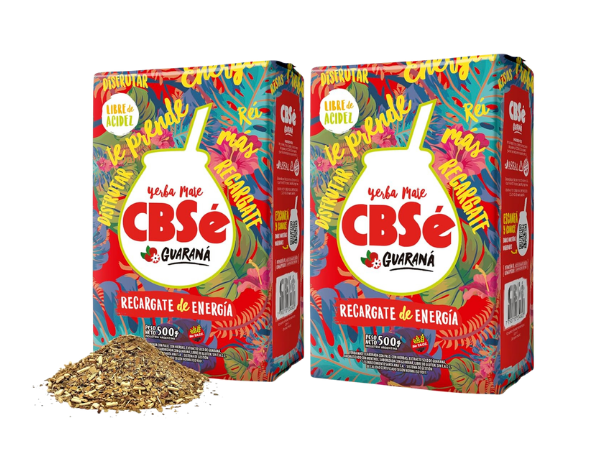
CBSé Yerba Mate Energía
CBSé Yerba Mate Energía is specifically formulated for those who want a stronger caffeine kick. With around 50–55 mg per 8 oz serving, it delivers one of the highest caffeine levels among traditional mates.
- Caffeine content: ~50–55 mg per 8 oz serving.
- Flavor profile: Bold, slightly herbal, with energizing notes from guaraná.
- Production method: Argentine mate blended with natural stimulants.
- Best use case: Early mornings, long study sessions, or pre‑workout energy.
- Target audience: Consumers seeking maximum stimulation from their mate.
CBSé Energía stands out because it combines yerba mate’s natural alkaloids with guaraná, amplifying its energizing effect.
Health Benefits and Risks of Yerba Mate Caffeine
Yerba mate’s caffeine content is one of its most appealing features, but it also requires mindful consumption. Like coffee and tea, yerba mate provides stimulation, focus, and improved alertness.
Benefits include:
- Enhanced focus – Improves concentration and alertness.
- Physical performance – Boosts endurance and reduces fatigue.
- Antioxidant support – Contains polyphenols that fight oxidative stress.
- Mood elevation – Promotes well-being and sociability.
Risks to consider:
- Overconsumption – Excess caffeine may cause insomnia or anxiety.
- Digestive sensitivity – Strong brews can irritate the stomach.
- Interactions – May not be suitable for people with heart conditions.
- Addiction potential – Regular use can lead to dependence.
Moderation is key. Most people can safely enjoy yerba mate daily, but it’s wise to monitor intake. Choosing blends with moderate caffeine helps balance enjoyment with health.