
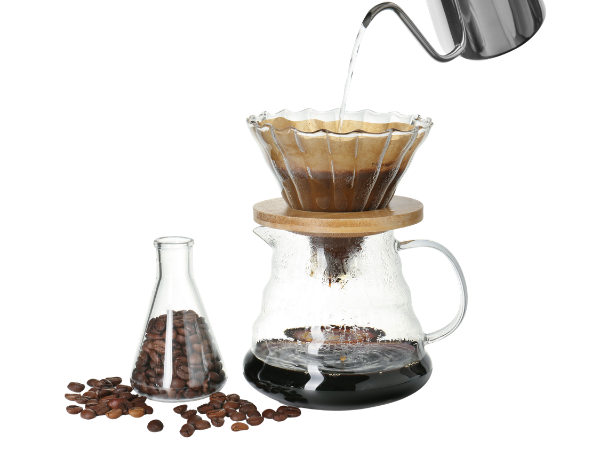
Coffee is more than just a morning ritual—it’s a complex beverage where brewing methods directly influence caffeine content. From espresso shots to cold brew jars, each technique extracts caffeine differently, shaping both flavor and strength.
Understanding Caffeine Extraction in Coffee Brewing
Caffeine extraction is the process by which hot water (or cold water in some methods) pulls soluble compounds from ground coffee. The amount of caffeine you end up drinking depends on several variables: brew time, grind size, water temperature, and coffee-to-water ratio.
Key factors influencing caffeine extraction:
- Brew Time – Longer steeping generally increases caffeine levels.
- Grind Size – Finer grinds expose more surface area, speeding extraction.
- Water Temperature – Hotter water extracts caffeine more efficiently.
- Coffee-to-Water Ratio – Stronger ratios mean higher caffeine concentration.
- Brewing Method – Each technique balances these variables differently.
Ultimately, caffeine extraction is a science of balance. Too little time or too coarse a grind may leave your cup weak, while over-extraction can create bitterness.
Espresso vs. Drip Coffee: Which Has More Caffeine?
Espresso and drip coffee are often compared for their caffeine punch, but the difference lies in serving size and concentration. Espresso is brewed quickly under high pressure, producing a small, strong shot. Drip coffee, on the other hand, uses gravity and longer brew times, resulting in a larger volume with moderate strength.
Caffeine comparison highlights:
- Espresso (1 oz shot) – ~64 mg caffeine, highly concentrated.
- Drip Coffee (8 oz cup) – ~95–120 mg caffeine, less concentrated but larger volume.
- Serving Size Matters – A single espresso shot has less caffeine overall than a full cup of drip.
- Multiple Shots – Espresso drinkers often consume 2–3 shots, which can surpass drip levels.
- Flavor Profile – Espresso is bold and intense, drip coffee smoother and more balanced.
In practice, drip coffee usually delivers more caffeine per serving, but espresso packs more per ounce. The choice depends on whether you prefer sipping a larger mug or enjoying a concentrated burst of energy in a small shot.
French Press Brewing and Its Impact on Caffeine Levels
The French press is beloved for its rich, full-bodied flavor, but it also extracts significant caffeine due to its immersion method. Grounds steep directly in hot water for several minutes, allowing maximum contact and extraction.
French press caffeine factors:
- Steep Time – Typically 4–6 minutes, ensuring thorough extraction.
- Grind Size – Coarse grind prevents over-extraction but still yields strong caffeine.
- Serving Size – A standard 8 oz cup contains ~100–120 mg caffeine.
- Oil & Sediment – Adds body and enhances perceived strength.
- Control – Users can adjust steep time for stronger or weaker brews.
Because of its immersion style, French press coffee often rivals drip coffee in caffeine content. The method also preserves natural oils, giving the brew a heavier mouthfeel.
Cold Brew Coffee: Slow Steeping, Stronger Kick
Cold brew is unique because it uses cold water and long steeping times—often 12 to 24 hours. This slow extraction produces a smooth, less acidic drink with surprisingly high caffeine levels.
Cold brew caffeine insights:
- Steep Duration – Extended steeping maximizes caffeine extraction.
- Concentration – Often brewed as a concentrate, later diluted.
- Serving Size – A 12 oz cold brew can contain 150–200 mg caffeine.
- Flavor Profile – Smooth, mellow, less bitter than hot brews.
- Storage – Can be kept refrigerated for several days without losing potency.
Cold brew’s high caffeine content comes from both the long steeping and the typical use of more coffee grounds. It’s ideal for those who want a refreshing drink with a powerful energy boost, especially in warmer months.
Pour‑Over vs. AeroPress: Comparing Caffeine Content
Pour-over and AeroPress are both manual brewing methods, but they differ in technique and caffeine yield. Pour-over relies on gravity and slow water flow, while AeroPress uses pressure and shorter brew times.
Comparison points:
- Pour-Over (8 oz cup) – ~95–120 mg caffeine, clean and balanced.
- AeroPress (6–8 oz cup) – ~80–100 mg caffeine, versatile depending on method.
- Control – Both allow precise control over grind, water, and timing.
- Flavor – Pour-over emphasizes clarity, AeroPress offers flexibility (espresso-style or drip-like).
- Brewing Speed – AeroPress is faster, pour-over more ritualistic.
While pour-over often yields slightly higher caffeine, AeroPress offers adaptability. Coffee enthusiasts can experiment with recipes to achieve stronger or lighter brews, making both methods appealing for different preferences.
Instant Coffee vs. Freshly Brewed: Caffeine Differences Explained
Instant coffee is convenient, but its caffeine content varies widely depending on brand and preparation. Freshly brewed coffee generally delivers more consistent caffeine levels.
Instant vs. brewed caffeine facts:
- Instant Coffee (8 oz cup) – ~60–80 mg caffeine.
- Fresh Brewed (8 oz cup) – ~95–120 mg caffeine.
- Processing – Instant is made from dehydrated brewed coffee, losing some potency.
- Convenience – Instant dissolves quickly, ideal for travel or busy mornings.
- Flavor – Freshly brewed offers richer taste and aroma.
While instant coffee provides a quick fix, it usually contains less caffeine than freshly brewed methods. For those prioritizing convenience, instant works well, but serious coffee drinkers often prefer the stronger kick of fresh brews.
Grind Size, Water Temperature, and Their Role in Caffeine Extraction
Beyond brewing method, grind size and water temperature are critical in determining caffeine levels. These variables influence how quickly and efficiently caffeine is extracted.
Extraction variables:
- Fine Grind – Faster extraction, stronger caffeine, risk of bitterness.
- Coarse Grind – Slower extraction, smoother flavor, slightly less caffeine.
- Hot Water (195–205°F) – Optimal range for efficient caffeine release.
- Cold Water – Requires long steeping, as in cold brew.
- Consistency – Uniform grind ensures balanced extraction.
Mastering grind size and water temperature allows coffee drinkers to fine-tune their brew. Whether aiming for maximum caffeine or a smoother taste, adjusting these factors makes a noticeable difference in the final cup.
Health Considerations: How Brewing Methods Affect Your Daily Intake
Caffeine affects individuals differently, and brewing methods can influence not only strength but also health impact. Some methods produce higher caffeine concentrations, which may lead to jitteriness if consumed excessively.
Health-related points:
- Daily Limit – Most health experts recommend up to 400 mg caffeine per day.
- Cold Brew & Espresso – Can exceed limits quickly if consumed in large amounts.
- French Press – Contains oils that may raise cholesterol if consumed excessively.
- Instant Coffee – Lower caffeine, but may include additives.
- Moderation – Choosing brewing methods wisely helps manage intake.
Understanding caffeine levels by brewing method helps coffee lovers enjoy their favorite drinks responsibly. By balancing flavor, strength, and health considerations, you can make coffee a sustainable part of your daily routine.