

Coffee is more than a beverage—it’s a cultural staple, a scientific curiosity, and a global commodity. One of its most fascinating aspects is caffeine content, which varies widely depending on bean type, growing region, and agricultural conditions.
What Is the Coffee Bean Caffeine Index?
The Coffee Bean Caffeine Index is a comparative framework designed to measure and rank caffeine levels in beans from different countries. It helps consumers, researchers, and producers understand how much caffeine is present in Arabica versus Robusta beans, and how regional variations affect the final brew.
- Purpose – Provides standardized data for comparing caffeine levels globally.
- Measurement – Typically expressed in milligrams of caffeine per gram of roasted coffee.
- Applications – Used in health studies, product development, and consumer education.
- Global Relevance – Helps highlight differences between producing nations and their unique coffee profiles.
- Scientific Basis – Relies on chemical analysis and agricultural data from organizations like the International Coffee Organization (ICO).
By establishing a clear index, researchers can track caffeine variations across regions and better understand the impact of climate, soil, and bean genetics.
Source: International Coffee Organization.
Arabica vs. Robusta: Global Caffeine Differences
Arabica and Robusta are the two dominant species of coffee beans, and their caffeine levels differ significantly. Arabica beans generally contain 1.2% caffeine, while Robusta beans average 2.2%, making Robusta nearly twice as strong.
- Arabica Beans – Known for smooth flavor, lower bitterness, and reduced caffeine.
- Robusta Beans – Higher caffeine, stronger taste, often used in espresso blends.
- Flavor Impact – Arabica is preferred for specialty coffee, while Robusta adds intensity.
- Geographic Spread – Arabica dominates Latin America, while Robusta thrives in Africa and Asia.
- Consumer Choice – Health-conscious drinkers often prefer Arabica, while energy-seekers lean toward Robusta.
This difference in caffeine content explains why espresso blends often include Robusta for added strength. Understanding these distinctions helps consumers choose beans that match their taste and energy needs.
Top Coffee-Producing Countries Ranked by Caffeine Levels
Different countries produce beans with varying caffeine concentrations due to climate, altitude, and bean type. Brazil, Vietnam, and Colombia lead global production, but their caffeine levels differ.
- Brazil – Largest producer, mostly Arabica, moderate caffeine.
- Vietnam – Dominated by Robusta, very high caffeine levels.
- Colombia – Specialty Arabica, balanced caffeine.
- Ethiopia – Diverse Arabica varieties, moderate caffeine.
- Indonesia – Mix of Arabica and Robusta, strong caffeine presence.
Vietnam’s Robusta-heavy output makes its beans among the strongest, while Colombia’s Arabica maintains smoother flavor with moderate caffeine.
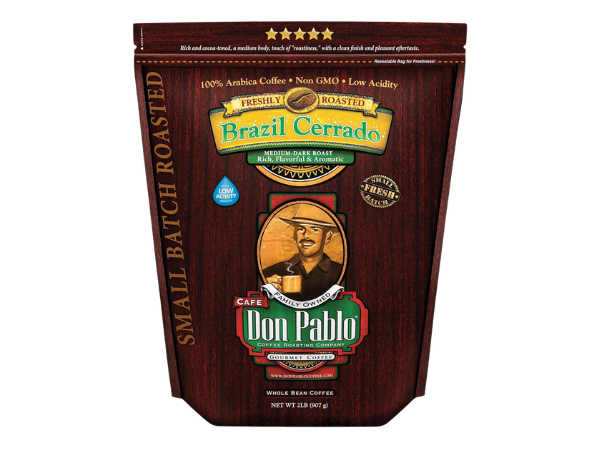
Regional Coffee Bean Profiles: Africa, Asia, and Latin America
Each region has distinct coffee profiles shaped by geography and tradition. Africa is known for complex flavors, Asia for bold strength, and Latin America for balance.
- Africa – Ethiopia and Kenya produce Arabica with floral notes and moderate caffeine.
- Asia – Vietnam and Indonesia emphasize Robusta, resulting in higher caffeine.
- Latin America – Brazil and Colombia dominate with Arabica, offering smoother caffeine levels.
- Flavor Diversity – African beans are fruity, Asian beans earthy, Latin American beans nutty.
- Caffeine Range – Africa (moderate), Asia (high), Latin America (balanced).
Regional differences highlight how culture and environment shape coffee. Consumers can choose beans not only for taste but also for caffeine strength depending on regional origin.
How Climate and Altitude Affect Caffeine Content
Caffeine levels are influenced by environmental conditions. Higher altitudes and cooler climates often produce beans with lower caffeine, while warmer, low-altitude regions yield stronger beans.
- Altitude – High-altitude Arabica beans (Colombia, Ethiopia) have lower caffeine.
- Temperature – Hot climates (Vietnam, Indonesia) favor Robusta with higher caffeine.
- Soil Quality – Mineral-rich soils enhance bean complexity but don’t always increase caffeine.
- Rainfall – Consistent rainfall supports Arabica growth, stabilizing caffeine levels.
- Sunlight – Intense sun exposure boosts Robusta resilience and caffeine concentration.
This interplay of climate and altitude explains why Ethiopian beans taste delicate yet moderate in caffeine, while Vietnamese beans are bold and highly caffeinated.
Strongest Coffee Beans in the World: Data Insights
Some beans stand out for their exceptionally high caffeine content. Robusta varieties from Vietnam and Uganda are among the strongest, often exceeding 2.5% caffeine.
- Vietnamese Robusta – High caffeine, earthy flavor.
- Ugandan Robusta – Strong caffeine, bold taste.
- Indonesian Beans – Mix of Arabica and Robusta, strong caffeine presence.
- Specialty Blends – Some roasters create ultra-strong blends for energy drinks.
- Consumer Appeal – Popular among those seeking maximum alertness.
These beans are often used in instant coffee and espresso blends, catering to consumers who prioritize strength over subtlety.
Health Implications of High-Caffeine Coffee Beans
Caffeine has both benefits and risks. Moderate consumption can improve alertness and reduce risk of certain diseases, but excessive intake may cause insomnia, anxiety, or heart strain.
- Benefits – Improved focus, reduced risk of Parkinson’s, liver protection.
- Risks – Sleep disruption, increased heart rate, potential dependence.
- Safe Intake – Most health organizations recommend up to 400 mg/day.
- Individual Sensitivity – Genetics influence caffeine tolerance.
- Balanced Choice – Arabica offers smoother caffeine for sensitive drinkers.
Understanding caffeine levels helps consumers make informed choices about health. High-caffeine beans should be consumed responsibly, especially by those sensitive to stimulants.

Future Trends in Coffee Bean Caffeine Research
Research into caffeine content is evolving, with new studies exploring genetics, climate change, and consumer demand. Scientists are investigating how to breed beans with tailored caffeine levels.
- Genetic Engineering – Potential to create beans with controlled caffeine.
- Climate Change – Rising temperatures may increase Robusta production.
- Consumer Trends – Demand for both high-energy and low-caffeine options.
- Health Studies – Ongoing research into caffeine’s long-term effects.
- Market Innovation – Specialty roasters experimenting with caffeine profiling.
Future research will likely produce beans optimized for both flavor and health, giving consumers more choice than ever before.