
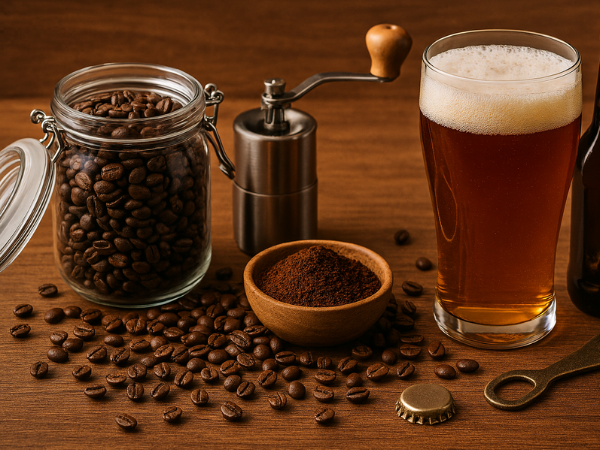
Coffee is no longer just a morning ritual; it has become a cultural phenomenon that rivals the craft beer movement. Consumers are increasingly drawn to unique flavors, artisanal roasting methods, and community experiences that elevate coffee beyond a simple beverage.
The Rise of Specialty Coffee Culture
Specialty coffee has emerged as a powerful force in reshaping consumer expectations. Unlike traditional coffee, which often prioritizes convenience and mass production, specialty coffee emphasizes quality, origin, and craftsmanship.
Defining traits of specialty coffee culture include:
- Single‑origin beans that showcase terroir and regional uniqueness.
- Transparent sourcing through direct trade and fair trade practices.
- Small‑batch roasting that prioritizes flavor precision.
- Brewing methods like pour‑over, siphon, and AeroPress for control.
- Coffee competitions and cupping sessions that elevate expertise.
Specialty coffee is not just about taste but about identity, as consumers align themselves with values of sustainability, artistry, and exploration.
How Coffee Mirrors the Craft Beer Movement
Coffee and craft beer share striking similarities in their evolution. Both industries have shifted from mass production to artisanal approaches, where small producers emphasize creativity and quality. Just as craft breweries experiment with hops, yeast strains, and barrel aging, coffee roasters explore fermentation, drying techniques, and roast levels to create distinctive flavors.
Parallels between coffee and craft beer include:
- Emphasis on small‑batch production and limited releases.
- Flavor experimentation that pushes boundaries.
- Community events like tastings and festivals.
- Branding that highlights individuality and storytelling.
- A growing culture of connoisseurship and debate.
This mirroring effect has created a crossover audience that treats coffee with the same reverence as craft beer. Both beverages have become symbols of lifestyle and identity, appealing to consumers who value authenticity and discovery.
From Mass Production to Micro‑Roasting Trends
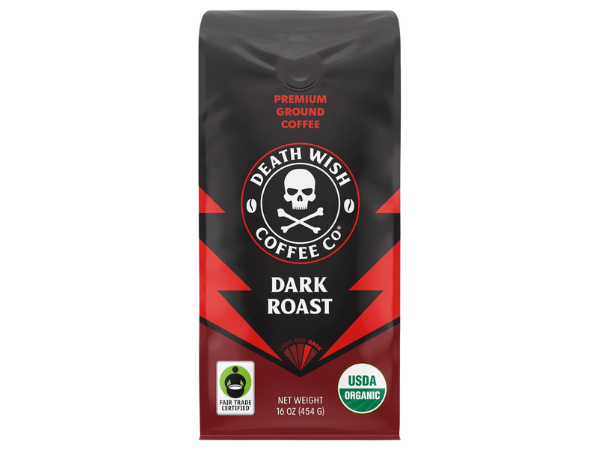
For decades, coffee was dominated by mass‑market brands that prioritized consistency and affordability. Today, however, micro‑roasting has become the new standard for quality. Small roasters focus on precision, experimenting with roast profiles to highlight unique flavors.
Key aspects of micro‑roasting include:
- Small‑batch roasting for better flavor control.
- Experimentation with roast levels to highlight acidity or body.
- Direct relationships with farmers for transparency.
- Seasonal offerings that reflect harvest cycles.
- Local roasters building community connections.
Micro‑roasting has transformed coffee into a craft product, where consumers seek out unique experiences rather than generic blends.
Flavor Profiles: Coffee Beans vs. Craft Beer Styles
One of the most exciting parallels between coffee and craft beer is the diversity of flavor profiles. Coffee beans, depending on their origin and processing, can deliver notes ranging from fruity and floral to earthy and smoky. Craft beer similarly offers a wide spectrum of flavors, from citrusy IPAs to rich stouts.
Flavor comparisons include:
- Ethiopian beans with bright, fruity notes vs. citrus‑forward IPAs.
- Sumatran beans with earthy, smoky tones vs. dark stouts.
- Washed coffees with clean acidity vs. crisp lagers.
- Natural processed beans with sweetness vs. Belgian ales.
- Experimental fermentations vs. barrel‑aged beers.
These parallels highlight how both beverages encourage exploration and connoisseurship. Coffee drinkers, like beer enthusiasts, learn to appreciate subtle differences and develop preferences that reflect their personal taste journeys.

Community and Lifestyle Around Coffee Tastings
Coffee tastings, or cuppings, have become central to the culture of specialty coffee. Much like beer festivals, these events bring people together to explore flavors, learn brewing techniques, and celebrate craftsmanship.
Community aspects of coffee tastings include:
- Guided cupping sessions to explore flavor notes.
- Workshops on brewing methods and equipment.
- Local roaster events that build brand loyalty.
- Social gatherings that mirror beer festivals.
- Online communities sharing reviews and recommendations.
This lifestyle element has transformed coffee into more than a beverage. It is now a social experience, where people connect through shared appreciation of flavor, sustainability, and artistry.
Sustainability and Ethical Sourcing in Coffee
Sustainability is at the heart of the specialty coffee movement. Consumers increasingly demand transparency, ensuring that their coffee supports ethical farming practices and environmental responsibility. This mirrors craft beer’s emphasis on local sourcing and eco‑friendly production.
Sustainability practices in coffee include:
- Fair trade and direct trade agreements.
- Organic and shade‑grown farming methods.
- Reducing carbon footprints in roasting and packaging.
- Supporting farmer cooperatives for fair wages.
- Promoting biodiversity through sustainable agriculture.
Ethical sourcing has become a defining trait of modern coffee culture. Consumers align their choices with values, making coffee not just about taste but about impact. This shift ensures that coffee remains a craft product rooted in responsibility.
The Role of Technology in Modern Coffee Brewing
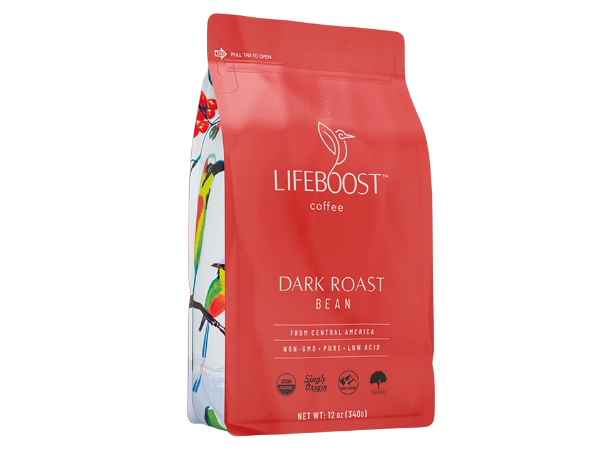
Technology has revolutionized coffee brewing, making precision and experimentation accessible to everyday consumers. From smart espresso machines to app‑connected grinders, innovation has elevated coffee into a craft experience.
Technological advancements in coffee include:
- Smart espresso machines with digital controls.
- App‑connected grinders for precision.
- Temperature‑controlled kettles for pour‑over brewing.
- Home roasting equipment for enthusiasts.
- Online platforms for education and community.
Technology has democratized coffee craftsmanship, allowing consumers to replicate café‑quality experiences at home. This innovation mirrors craft beer’s embrace of brewing kits and digital tools, reinforcing coffee’s identity as a modern craft beverage.
Coffee Shops as the New Taprooms
Coffee shops have evolved into cultural hubs, much like taprooms in the craft beer world. They are spaces where people gather, explore flavors, and connect with communities. Modern coffee shops emphasize storytelling, sustainability, and artistry, creating immersive experiences.
Coffee shop parallels with taprooms include:
- Showcasing local roasters and seasonal beans.
- Hosting tastings and educational events.
- Creating social spaces for community connection.
- Highlighting sustainability and ethical sourcing.
- Branding that emphasizes individuality.
These spaces have transformed coffee into a lifestyle, where consumers engage with culture and identity. Coffee shops are no longer just places to grab a drink; they are destinations for exploration and community.
What the Future Holds for Coffee as Craft
The future of coffee lies in its continued evolution as a craft product. As consumers demand authenticity, sustainability, and innovation, coffee will mirror the trajectory of craft beer, becoming a cultural movement defined by exploration and identity.
Future trends in coffee include:
- Greater emphasis on experimental processing methods.
- Expansion of micro‑roasters and local brands.
- Integration of technology for precision brewing.
- Growth of coffee festivals and community events.
- Stronger alignment with sustainability and ethics.
Coffee is poised to become the new craft beer, celebrated for its diversity, creativity, and cultural impact. The journey ahead promises innovation, community, and a deeper appreciation for the artistry behind every cup.