
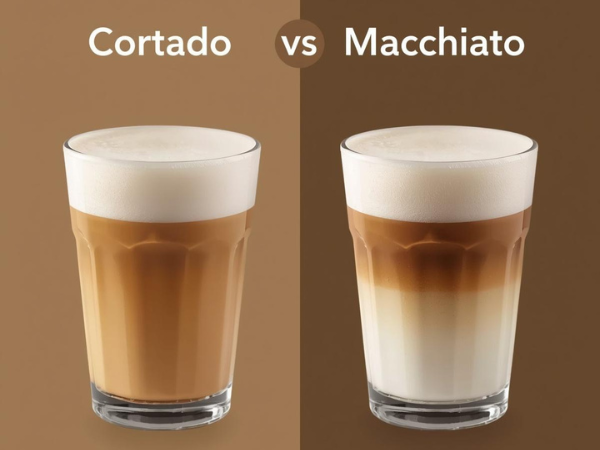
Espresso-based drinks often look similar at first glance, but subtle differences in preparation, milk ratios, and presentation create unique experiences. The cortado and macchiato are two classic examples: both combine espresso with milk, yet they deliver very different flavors, textures, and cultural identities.
What Is a Cortado? Definition and Origin
The cortado is a Spanish espresso drink that balances strong coffee with silky milk. Its name comes from the Spanish verb cortar, meaning “to cut,” because the milk cuts through the espresso’s acidity and bitterness. Originating in Madrid and Barcelona, the cortado quickly spread across Europe and Latin America, becoming a staple in specialty cafés worldwide.
Key traits of a cortado include:
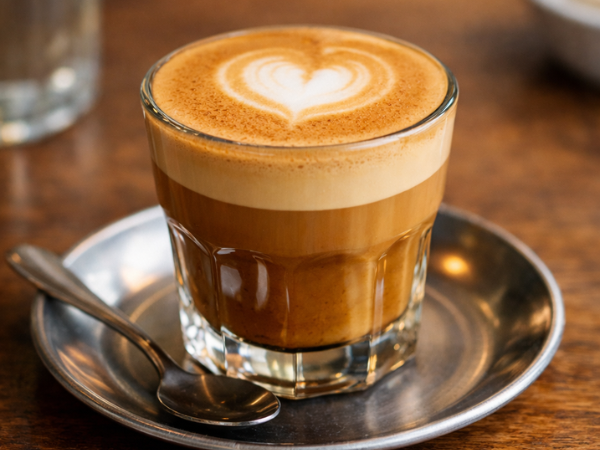
- Equal parts espresso and steamed milk (usually 1:1 ratio).
- Served in a small glass, not a ceramic cup.
- Milk is lightly textured, without heavy foam.
- Smooth, mellow flavor with reduced bitterness.
- Popular in Spain, Portugal, and Latin America.
The cortado’s appeal lies in its balance. Unlike cappuccinos or lattes, it avoids excess foam and sweetness, focusing instead on harmony between espresso strength and milk creaminess.
What Is a Macchiato? Definition and Background
The macchiato, an Italian creation, is designed to highlight espresso’s boldness with just a touch of milk. The word macchiato means “stained” or “spotted,” referring to the small mark of milk added to the espresso shot. Unlike the cortado, the macchiato emphasizes intensity rather than balance.
Defining features of a macchiato include:
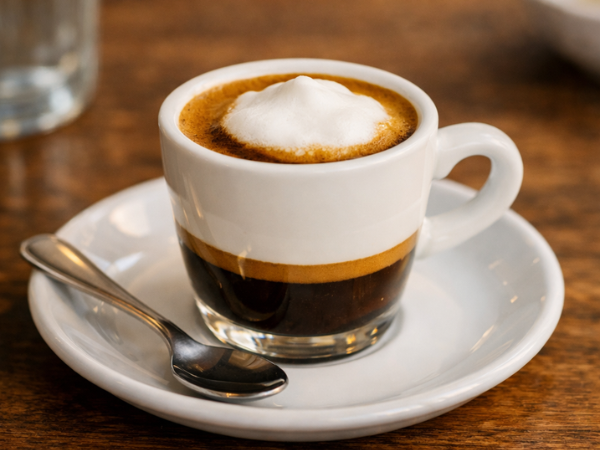
- A single or double shot of espresso.
- A small dollop of foamed milk or a splash of steamed milk.
- Served in a demitasse cup.
- Strong, concentrated flavor with minimal dilution.
- Traditional in Italian cafés, often consumed quickly at the bar.
The macchiato is essentially espresso with a hint of softness. It appeals to purists who want the espresso’s full character but appreciate a slight mellowing effect.
Key Differences Between Cortado and Macchiato
Although both drinks combine espresso and milk, their proportions and cultural roots set them apart. The cortado is about balance, while the macchiato is about intensity.
Main differences include:
- Milk ratio: Cortado uses equal parts espresso and milk; macchiato uses only a splash.
- Texture: Cortado milk is smooth and lightly steamed; macchiato milk is foamy and minimal.
- Flavor: Cortado is mellow and creamy; macchiato is sharp and bold.
- Presentation: Cortado in a glass; macchiato in a small cup.
- Cultural origin: Cortado from Spain; macchiato from Italy.
These differences highlight how cultural traditions influence coffee preparation. The Spanish preference for balance contrasts with the Italian love for concentrated espresso.
Milk-to-Espresso Ratio: Cortado vs Macchiato
Milk plays a crucial role in shaping the character of these drinks. The cortado’s equal ratio creates harmony, while the macchiato’s minimal milk preserves espresso dominance.
Ratio breakdown:
- Cortado: 1:1 espresso to milk.
- Macchiato: 4:1 or higher espresso to milk.
- Cortado milk: lightly steamed, no heavy foam.
- Macchiato milk: foamy dollop or splash.
- Cortado effect: reduces bitterness, adds creaminess.
- Macchiato effect: softens edges without altering strength.
This ratio difference explains why cortados feel smooth and approachable, while macchiatos remain sharp and bold. The cortado is perfect for those who want espresso flavor without overwhelming intensity, while the macchiato suits those who enjoy espresso’s raw power with just a hint of softness.
Flavor Profile Comparison: Smooth vs Bold
Flavor is where the cortado and macchiato truly diverge. The cortado offers balance, while the macchiato delivers punch.
Flavor notes:
- Cortado: mellow, creamy, nutty, slightly sweet.
- Macchiato: strong, bitter, sharp, roasted.
- Cortado mouthfeel: silky and smooth.
- Macchiato mouthfeel: concentrated and intense.
- Cortado aftertaste: gentle, lingering creaminess.
- Macchiato aftertaste: bold, espresso-forward finish.
The cortado appeals to those who enjoy sipping slowly, savoring balance. The macchiato, on the other hand, is often consumed quickly, delivering a burst of espresso energy. Both drinks highlight espresso’s versatility, showing how milk can transform flavor dramatically.
Serving Size and Presentation Differences
Presentation adds to the experience of these drinks. The cortado emphasizes elegance, while the macchiato emphasizes simplicity.
Serving details:
- Cortado: 4–5 oz glass.
- Macchiato: 2–3 oz demitasse cup.
- Cortado: layered look with espresso and milk blending.
- Macchiato: espresso “stained” with milk foam.
- Cortado: often served with a spoon, sometimes with sugar.
- Macchiato: minimalist, no extras.
The cortado’s glass presentation highlights its balance, while the macchiato’s cup underscores its purity. These serving traditions reflect cultural attitudes toward coffee: Spain favors leisurely enjoyment, Italy favors quick, intense consumption.
Popular Variations of Cortado and Macchiato
Coffee culture thrives on experimentation, and both cortado and macchiato have evolved into multiple variations across regions and modern cafés. While the originals remain iconic, creative twists have allowed these drinks to adapt to diverse palates and global trends.
Cortado variations:
- Gibraltar (San Francisco version served in a small glass).
- Cortadito (Cuban version with sugar).
- Modern café versions with alternative milks.
Macchiato variations:
- Latte macchiato (milk “stained” with espresso).
- Caramel macchiato (popularized by Starbucks).
- Double macchiato (extra espresso shot).
These variations show how traditional drinks adapt to modern tastes. While purists prefer the originals, creative twists keep them relevant in contemporary coffee culture.
When to Choose a Cortado vs a Macchiato
Coffee isn’t just about taste—it’s also about timing, mood, and context. The cortado and macchiato serve different purposes depending on what you’re looking for in your espresso experience.
Best times for each:
- Cortado: mid-morning, when you want balance.
- Macchiato: early morning or afternoon, when you need intensity.
- Cortado: ideal for slow sipping.
- Macchiato: perfect for quick energy.
- Cortado: suits those new to espresso.
- Macchiato: suits seasoned espresso lovers.
Ultimately, the cortado is about harmony, while the macchiato is about strength. Knowing when to choose each enhances your coffee experience.
Final Thoughts: Which Espresso Drink Suits You Best?
The cortado and macchiato represent two sides of espresso culture: balance versus boldness. The cortado softens espresso with equal milk, creating a smooth, approachable drink. The macchiato preserves espresso’s intensity, adding only a touch of milk for contrast.
Summary:
- Cortado: balanced, smooth, Spanish origin.
- Macchiato: bold, sharp, Italian origin.
- Cortado: glass presentation, equal ratio.
- Macchiato: cup presentation, minimal milk.
Whether you prefer the mellow sophistication of a cortado or the raw punch of a macchiato, both drinks showcase espresso’s versatility. The choice ultimately reflects your taste, mood, and cultural appreciation for coffee traditions.