
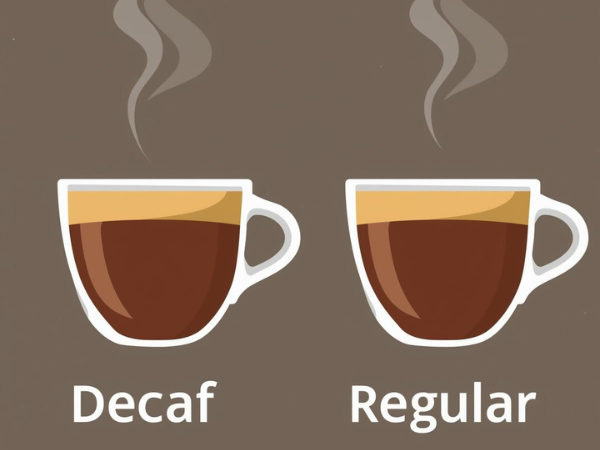
Coffee is one of the most consumed beverages worldwide, and the debate between decaf and regular coffee continues to spark interest among health-conscious drinkers.
What Is Decaf Coffee and How Is It Made?
Decaf coffee is produced by removing most of the caffeine from coffee beans, typically around 97%. The process preserves much of the flavor and beneficial compounds, though some antioxidants may be reduced.
- Solvent-based methods – Use ethyl acetate or methylene chloride to extract caffeine.
- Swiss Water Process – Relies on water and activated carbon filters, avoiding chemicals.
- Carbon dioxide method – Uses pressurized CO₂ to selectively remove caffeine.
- Retention of nutrients – Most vitamins, minerals, and antioxidants remain intact.
- Not caffeine-free – A cup of decaf still contains 2–5 mg of caffeine.
Decaf coffee offers a way to enjoy the taste and ritual of coffee without the stimulating effects of caffeine.
Regular Coffee: Nutritional Profile and Benefits
Regular coffee is rich in antioxidants, polyphenols, and essential nutrients that contribute to overall health. Its caffeine content enhances alertness, focus, and physical performance, making it a staple for many people’s daily routines.
- Antioxidants – High levels of chlorogenic acid and polyphenols.
- Micronutrients – Contains small amounts of magnesium, potassium, and niacin.
- Cognitive benefits – Improves focus, reaction time, and mood.
- Metabolic effects – May support fat metabolism and weight management.
- Disease prevention – Associated with lower risks of Type 2 diabetes and neurodegenerative diseases.
Its bioactive compounds contribute to long-term health benefits, though moderation is key to avoiding side effects like jitteriness or disrupted sleep.
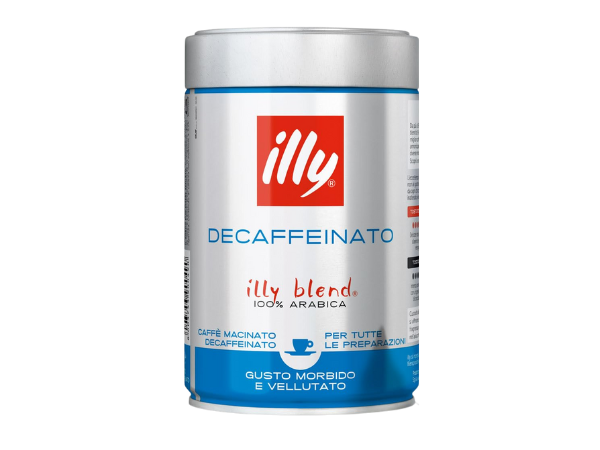
Caffeine Content: Decaf vs Regular Coffee
The most obvious difference between decaf and regular coffee lies in caffeine levels. Regular coffee typically contains 95–120 mg of caffeine per cup, while decaf averages 2–5 mg.
- Regular coffee – 95–120 mg caffeine per 8 oz cup.
- Decaf coffee – 2–5 mg caffeine per 8 oz cup.
- Impact on alertness – Regular coffee boosts energy and focus.
- Impact on sleep – Decaf is less likely to interfere with rest.
- Tolerance and sensitivity – Individual responses vary widely.
However, decaf offers a safer option for individuals sensitive to caffeine or those who want to enjoy coffee later in the day without risking sleep disruption.
Health Benefits of Decaf Coffee
Decaf coffee retains many of the health-promoting compounds found in regular coffee, making it a beneficial choice for those avoiding caffeine. Research suggests that decaf may support heart health, reduce inflammation, and provide antioxidant protection.
- Antioxidant content – Still contains polyphenols and chlorogenic acid.
- Reduced risk of Type 2 diabetes – Similar protective effects as regular coffee.
- Digestive health – Gentler on the stomach for sensitive individuals.
- Mental health – May reduce anxiety compared to caffeinated coffee.
- Longevity – Associated with lower mortality rates in some studies.
Decaf coffee allows drinkers to enjoy many of the same health benefits as regular coffee without the potential downsides of caffeine.
Potential Risks of Regular Coffee Consumption
While regular coffee offers numerous benefits, excessive intake can lead to health concerns. High caffeine consumption may negatively affect sleep, anxiety levels, and cardiovascular health in sensitive individuals.
- Sleep disruption – Caffeine can delay sleep onset and reduce quality.
- Anxiety and jitteriness – Overstimulation of the nervous system.
- Digestive issues – May trigger acid reflux or stomach discomfort.
- Blood pressure – Can cause temporary increases in sensitive individuals.
- Dependence – Habitual use may lead to withdrawal symptoms.
While it provides energy and health benefits, overconsumption can outweigh the positives, especially for those with caffeine sensitivity or existing health conditions.
Decaf vs Regular Coffee: Impact on Sleep and Anxiety
Caffeine’s stimulating effects make regular coffee less suitable for evening consumption, as it can interfere with sleep cycles and exacerbate anxiety. Decaf, with its minimal caffeine content, offers a calmer alternative.
- Sleep quality – Decaf is less disruptive to circadian rhythms.
- Anxiety management – Decaf reduces nervousness compared to regular coffee.
- Timing matters – Regular coffee is best consumed earlier in the day.
- Individual sensitivity – Some people metabolize caffeine slower.
- Lifestyle choice – Decaf suits those prioritizing relaxation and rest.
Choosing decaf over regular coffee can improve sleep quality and reduce anxiety symptoms, making it a better option for evening or late-night consumption.
Which Coffee Is Better for Heart Health?
Both decaf and regular coffee contain antioxidants that support cardiovascular health. However, caffeine’s effects on blood pressure and heart rate make regular coffee less ideal for individuals with heart conditions.
- Regular coffee – Linked to reduced risk of heart disease but may raise blood pressure temporarily.
- Decaf coffee – Provides similar antioxidant benefits without caffeine-related risks.
- Cholesterol impact – Coffee oils can affect cholesterol depending on brewing method.
- Protective compounds – Both types contain polyphenols beneficial for vascular health.
- Individual factors – Genetics and health status influence outcomes.
For heart health, decaf may be the safer choice for those with hypertension or cardiovascular concerns, while moderate regular coffee consumption can still be beneficial for healthy individuals.
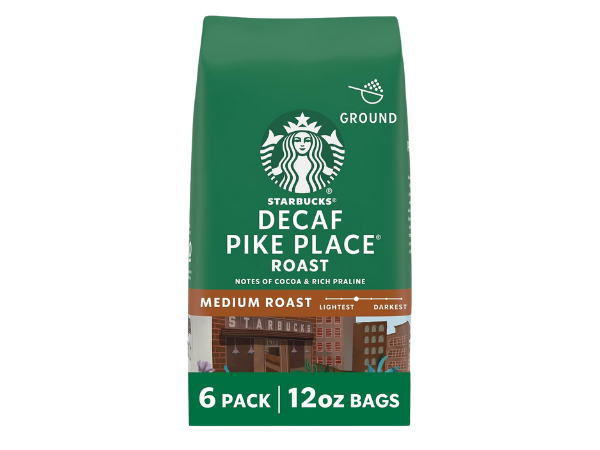
Decaf or Regular: Choosing the Healthier Option for You
The decision between decaf and regular coffee depends on personal health, lifestyle, and tolerance to caffeine. Both offer valuable antioxidants and protective compounds, but their effects differ based on caffeine content.
- Choose decaf if – You are sensitive to caffeine, struggle with sleep, or have heart concerns.
- Choose regular if – You want energy, improved focus, and metabolic benefits.
- Balance matters – Moderate consumption of either type supports health.
- Consider timing – Regular coffee is best earlier in the day, decaf later.
- Personal preference – Taste and ritual play a role in the choice.
Ultimately, neither decaf nor regular coffee is inherently superior. The healthiest option depends on your body’s response, lifestyle needs, and overall consumption habits.