
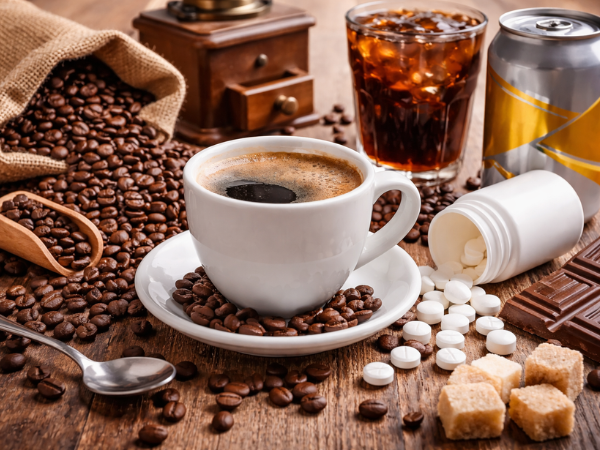
Caffeine is the most widely consumed psychoactive substance in the world, found in coffee, tea, chocolate, and energy drinks. While billions of people rely on it daily for alertness and productivity, the question of whether caffeine is truly addictive remains debated.
What Does “Addiction” Really Mean?
Addiction is a medical term describing a chronic, relapsing disorder characterized by compulsive drug seeking, continued use despite harmful consequences, and long‑lasting changes in the brain.
Key features of addiction include:
- Compulsive use despite negative outcomes
- Tolerance (needing more to achieve the same effect)
- Withdrawal symptoms when stopping
- Disruption of daily life or health
In caffeine’s case, while tolerance and withdrawal are common, the level of disruption is usually mild. Most people can reduce intake without medical intervention, though headaches and fatigue may occur.
How Caffeine Affects the Brain and Body
Caffeine works by blocking adenosine receptors in the brain. Adenosine is a neurotransmitter that promotes sleepiness; when caffeine prevents it from binding, alertness increases. This mechanism also stimulates dopamine release, which contributes to feelings of reward and motivation.
Effects of caffeine include:
- Increased alertness and reduced fatigue
- Elevated heart rate and blood pressure
- Enhanced concentration and mood
- Temporary boost in physical performance
- Possible jitteriness or anxiety at high doses
The body adapts over time, leading to tolerance. Regular users may find caffeine less effective, requiring higher doses for the same effect. Physiologically, caffeine is absorbed quickly, reaching peak levels within 30–60 minutes, and its half‑life is about 5 hours in healthy adults.
The Difference Between Dependence and Addiction
Dependence refers to the body’s adaptation to a substance, leading to tolerance and withdrawal symptoms. Addiction, however, involves compulsive use despite harm. With caffeine, dependence is common, but addiction is rare.
Differences at a glance:
- Dependence: Physical adaptation, withdrawal symptoms, tolerance
- Addiction: Compulsive use, inability to stop, harmful consequences
- Caffeine: Causes dependence, but rarely severe addiction
Most caffeine users experience mild dependence, such as headaches or irritability when skipping coffee. Addiction, in contrast, implies a loss of control and significant life disruption, which caffeine seldom causes.
Symptoms of Caffeine Withdrawal Explained
Caffeine withdrawal is recognized in the DSM‑5 as a clinical condition. Symptoms typically begin 12–24 hours after stopping intake and peak within 1–2 days.
Common withdrawal symptoms include:
- Headaches
- Fatigue and drowsiness
- Irritability or depressed mood
- Difficulty concentrating
- Flu‑like symptoms in severe cases
These symptoms vary in intensity depending on daily intake. For heavy users, withdrawal can significantly impair functioning, though it is not life‑threatening. Most symptoms resolve within a week.
What Scientific Studies Say About Caffeine Use
Research consistently shows that caffeine is habit‑forming but not strongly addictive. A comprehensive review in Frontiers in Psychiatry concluded that caffeine produces dependence and withdrawal but lacks the severe consequences of addictive drugs.
Highlights from studies:
- Caffeine stimulates dopamine pathways, but less intensely than drugs like cocaine
- Withdrawal symptoms are real and medically recognized
- Moderate intake is safe for most adults
- Excessive use can cause anxiety, insomnia, and cardiovascular strain
Overall, science supports the idea that caffeine is a mild stimulant with dependence potential, but not a substance that typically causes destructive addiction.
Comparing Caffeine to Other Stimulants
Caffeine is the world’s most widely consumed psychoactive substance, but its stimulant effects are modest compared to drugs like amphetamines or nicotine. It primarily works by blocking adenosine receptors, reducing fatigue, and slightly increasing dopamine activity.
Comparison points:
- Nicotine: Highly addictive, strong withdrawal, major health risks
- Amphetamines: Powerful stimulants, high abuse potential
- Cannabis: Psychological dependence more common than caffeine
- Caffeine: Mild dependence, socially accepted, generally safe
Compared to these stimulants, caffeine’s impact is mild and short‑lived. It can cause dependence, but withdrawal symptoms are manageable and rarely life‑threatening.
Health Risks of Excessive Caffeine Consumption
While moderate caffeine intake is generally safe for most adults, consuming too much can lead to a range of health problems. The threshold often cited by health authorities is around 400 mg per day (roughly four cups of brewed coffee).
Risks include:
- Anxiety and restlessness
- Insomnia and disrupted sleep
- Digestive issues
- Rapid heart rate and hypertension
- Muscle breakdown in extreme cases
In summary, while caffeine is safe in moderation, excessive consumption can undermine health and well‑being. Recognizing these risks allows individuals to enjoy caffeine responsibly, balancing its benefits with potential drawbacks.
Benefits of Moderate Caffeine Intake
Moderate caffeine intake offers several health benefits. Studies show that 2–5 cups of coffee daily may reduce risks of heart disease, diabetes, and certain cancers.
Benefits include:
- Improved focus and alertness
- Enhanced mood
- Reduced risk of chronic diseases
- Better physical performance
- Social enjoyment of coffee and tea
In conclusion, moderate caffeine intake offers a balance of short‑term stimulation and long‑term health advantages. By staying within recommended limits, individuals can enjoy sharper focus, improved mood, and potential protective effects against chronic illness.
Practical Tips for Managing Your Caffeine Habits
Caffeine can be a helpful tool for boosting energy and focus, but managing your intake is essential to avoid dependence, withdrawal, or sleep disruption.
Tips for healthy use:
- Limit intake to under 400 mg daily
- Avoid caffeine late in the day to protect sleep
- Gradually reduce consumption if quitting
- Choose lower‑caffeine options like tea
- Stay hydrated and maintain balanced nutrition
By applying these strategies, you can maintain a healthy relationship with caffeine. Responsible use allows you to enjoy sharper focus and improved mood without the drawbacks of dependence or disrupted sleep.