
Choosing between a 15 Bar and a 20 Bar espresso machine can feel confusing, especially when manufacturers highlight pressure as a key selling point. While both options promise rich crema and strong extraction, the truth is more nuanced.
What Does “Bar Pressure” Mean in Coffee Machines?
Bar pressure refers to the amount of force an espresso machine uses to push hot water through finely ground coffee. One “bar” equals atmospheric pressure at sea level, so a 15 Bar machine applies 15 times that force.
Key points about bar pressure:
- Standard extraction range – Most experts agree that 8–9 Bars is ideal for espresso.
- Machine ratings – A 15 or 20 Bar pump doesn’t mean it always brews at that level; it usually peaks there but extracts closer to 9 Bars.
- Impact on crema – Higher pressure can help produce a thicker crema, but too much can lead to bitterness.
- Consistency matters – Stable pressure is more important than maximum pressure.
In short, bar pressure is a marketing highlight, but the real science lies in how consistently the machine maintains optimal brewing levels.
How Pump Pressure Affects Espresso Extraction
Pump pressure directly influences how water interacts with coffee grounds. Too little pressure and the shot tastes weak; too much and it becomes harsh or over-extracted. The sweet spot lies in balanced extraction, where flavors are concentrated but smooth.
Effects of pump pressure:
- Low pressure (below 8 Bars) – Produces watery coffee with little crema.
- Optimal pressure (8–9 Bars) – Balanced flavor, rich crema, and proper mouthfeel.
- High pressure (15–20 Bars) – Can intensify crema but risks uneven extraction.
- Consistency – Machines that maintain stable pressure brew better than those with fluctuating pumps.
Ultimately, pump pressure is one piece of the puzzle. Grind size, tamping, and water temperature all work together.
15 Bar Coffee Machines: Pros, Cons, and Popular Models
A 15 Bar espresso machine is considered the industry standard. It provides enough pressure to brew authentic espresso without overwhelming the coffee grounds.
Popular models:
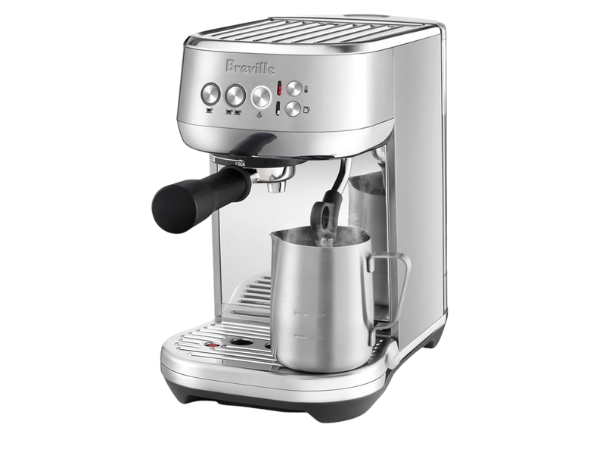
- Breville Bambino Plus (compact and beginner-friendly).
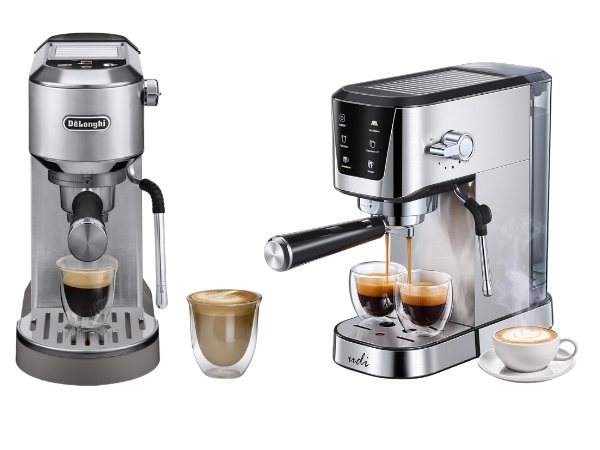
- De’Longhi Dedica Espresso Machine (affordable and consistent).
- EspressoWorks All-In-One Espresso Machine (great starter kit).
For most home baristas, a 15 Bar machine strikes the perfect balance between performance and usability. It’s strong enough to brew authentic espresso while forgiving enough for everyday use.
Pros of 15 Bar machines:
- Reliable extraction range close to professional café standards.
- Balanced flavor without excessive bitterness.
- Widely available and often more affordable.
- Easier for beginners to use without over-extraction.
Cons:
- May produce slightly less crema compared to higher-pressure machines.
- Marketing hype sometimes makes them seem “less powerful.”
For many coffee lovers, the strengths of a 15 Bar machine outweigh its limitations. While it may not deliver the ultra-thick crema that some 20 Bar models advertise, it consistently produces espresso with balanced flavor and smooth texture.
20 Bar Coffee Machines: Pros, Cons, and Popular Models
20 Bar machines are marketed as “premium” options, promising stronger extraction and thicker crema. While they can deliver excellent results, the benefits are often overstated.
Popular models:
- EUHOMY Espresso Machine with Grinder (20 Bar, touchscreen, professional steam wand).
- UDI Espresso Machine with LED Touchscreen (compact yet powerful).
- EspressoWorks Barista Pro Series (20 Bar with grinder and steamer).
While 20 Bar machines sound impressive, the difference in taste compared to 15 Bar models is subtle. Unless you’re chasing crema perfection, a 15 Bar machine is often enough.

Pros of 20 Bar machines:
- Potentially thicker crema and stronger flavor.
- Marketed as high-performance, appealing to enthusiasts.
- Often paired with advanced features like PID temperature control.
Cons:
- Risk of over-extraction if not used carefully.
- Higher price without guaranteed improvement in taste.
- Beginners may struggle with consistency.
For enthusiasts who want to push their espresso brewing to the limit, 20 Bar machines can be appealing. They promise thicker crema and a more intense flavor profile, which can be exciting for those who enjoy experimenting with different beans and brewing techniques.
15 Bar vs 20 Bar: The Technical Difference Explained
The difference between 15 and 20 Bar machines lies in maximum pump capacity, not actual brewing pressure. Most machines, regardless of rating, brew espresso at around 9 Bars.
Technical breakdown:
- 15 Bar machines – Peak at 15 Bars but regulate down to ~9 Bars during extraction.
- 20 Bar machines – Peak at 20 Bars but also regulate down to ~9 Bars.
- Real-world impact – Both produce similar espresso quality when properly calibrated.
- Marketing factor – Higher Bar ratings are often used as selling points rather than functional improvements.
In practice, the technical difference is minimal. What matters more is machine design, temperature stability, and grind consistency. A well-built 15 Bar machine can outperform a poorly designed 20 Bar model.
Flavor, Crema, and Consistency: Does Higher Pressure Improve Taste?
Flavor and crema are the two qualities most affected by pump pressure. While higher pressure can enhance crema thickness, it doesn’t automatically improve taste.
Pressure effects on taste:
- Balanced extraction (9 Bars) – Smooth, rich flavor with natural sweetness.
- Excessive pressure (15–20 Bars) – Can cause bitterness or sourness.
- Crema quality – Higher pressure may produce more crema, but crema alone doesn’t equal better flavor.
- Consistency – Machines that maintain stable pressure brew better espresso than those that fluctuate.
Taste is ultimately shaped by bean quality, grind size, and brewing technique. A 20 Bar machine may look impressive, but it won’t fix poor beans or improper tamping.
Marketing Myth or Real Advantage: The 20 Bar Debate
The 20 Bar label is often more marketing than science. Manufacturers highlight it to suggest superior performance, but in reality, espresso extraction doesn’t require more than 9 Bars.
Key points in the debate:
- Myth – More Bars = better coffee.
- Reality – Both 15 and 20 Bar machines brew at ~9 Bars.
- Advantage – 20 Bar machines may offer advanced features, but pressure alone isn’t the benefit.
- Consumer confusion – Many buyers assume higher pressure guarantees better taste.
The real advantage of a machine lies in its build quality, temperature control, and consistency. A 20 Bar machine isn’t inherently better—it’s just marketed as more powerful.
Which Pressure Level Is Best for Home Baristas?
For home baristas, the choice comes down to usability, budget, and brewing goals. A 15 Bar machine is more than capable of producing authentic espresso, while a 20 Bar machine may appeal to enthusiasts chasing crema perfection.
Best choice considerations:
- Beginners – 15 Bar machines are easier to use and more forgiving.
- Intermediate users – Either option works, but focus on grind quality and technique.
- Advanced enthusiasts – 20 Bar machines may offer more features, but pressure isn’t the deciding factor.
- Budget-conscious buyers – 15 Bar machines are often more affordable without sacrificing quality.
In conclusion, bar pressure is less important than marketing suggests. A 15 Bar machine is sufficient for most home brewers, while a 20 Bar machine may appeal to those who want extra features.