
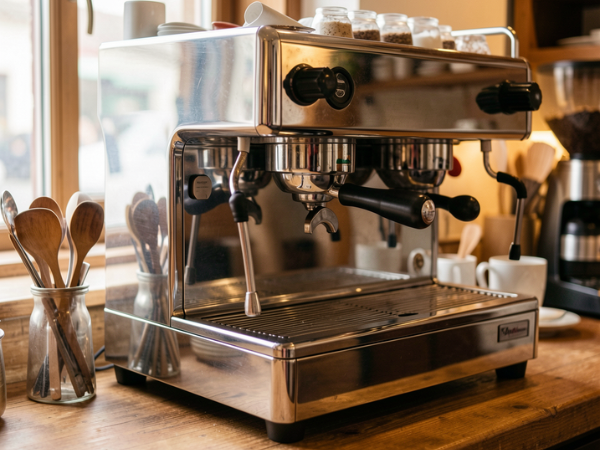
Choosing the right espresso machine can feel overwhelming, especially with so many models, features, and price ranges available. This guide is designed to simplify the process, helping beginners understand the essentials and make confident decisions.
Understanding Different Types of Espresso Machines
When starting your espresso journey, it’s important to understand the main categories of machines. Each type offers a different level of control, convenience, and learning curve.
Types of Espresso Machines:
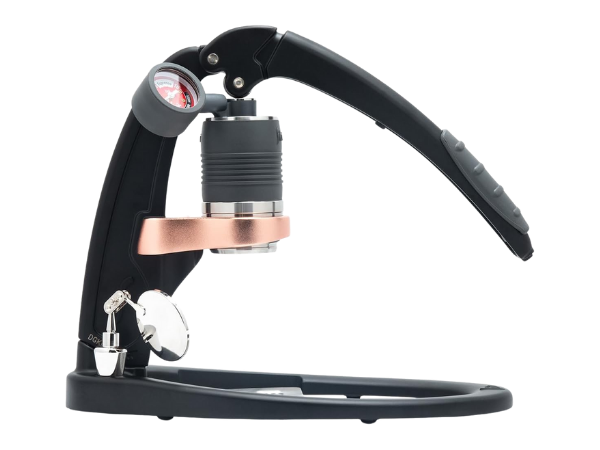
- Manual (Lever Machines): Require hands-on skill, giving you full control over pressure and extraction.
- Semi-Automatic: Popular among home baristas; you control grind, tamp, and shot timing while the machine manages water pressure.
- Automatic: Simplifies brewing with pre-programmed shot volumes.
- Super-Automatic: Handles grinding, dosing, tamping, and brewing at the push of a button.
- Capsule/Pod Machines: Convenient and mess-free, but limited in flavor customization.
Each type suits different lifestyles. Manual machines appeal to purists who enjoy the craft, while super-automatic models are perfect for busy coffee lovers who want speed and consistency.
Key Features to Look for in an Espresso Machine
Beyond machine type, specific features determine how well your espresso machine performs. Beginners should focus on functionality that improves consistency and ease of use.
Essential Features:
- Pump Pressure (15–20 Bar): Ensures proper extraction of espresso.
- Boiler Type (Single vs. Dual): Dual boilers allow brewing and steaming simultaneously.
- PID Temperature Control: Maintains stable water temperature for consistent shots.
- Steam Wand Quality: A professional-grade wand is crucial for frothing milk.
- Portafilter Size (58mm Standard): Larger portafilters provide better extraction.
- Water Tank Capacity: Bigger tanks reduce refilling frequency.
- Ease of Cleaning: Removable parts and descaling alerts simplify maintenance.
These features directly impact the quality of your espresso and the usability of the machine. For beginners, prioritizing stability and ease of cleaning will make the learning curve smoother.
How to Choose an Espresso Machine Based on Your Budget
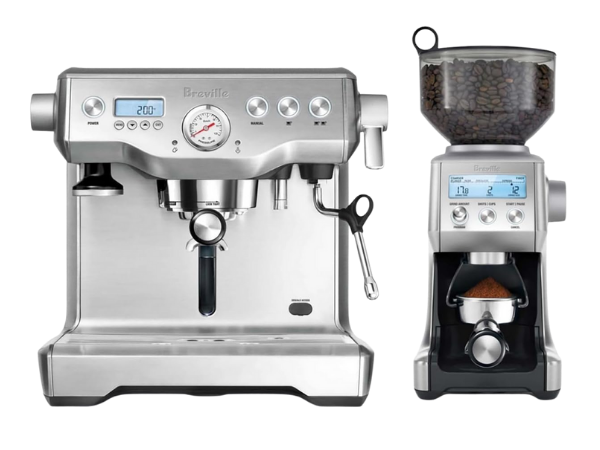
Budget plays a major role in selecting the right espresso machine. Prices vary widely, and understanding what you get at each level helps set realistic expectations.
Budget Breakdown:
- Entry-Level ($100–$300): Capsule machines or basic semi-automatics. Great for beginners but limited in customization.
- Mid-Range ($400–$800): Semi-automatic machines with better build quality, stable temperature, and manual steaming.
- High-End ($900–$2,000+): Dual boilers, PID control, commercial-grade components, and advanced customization.
- Luxury ($3,000+): Professional machines designed for serious enthusiasts or small cafés.
Your budget should align with your coffee goals. If you want quick convenience, entry-level machines suffice. If you’re passionate about learning espresso craft, mid-range or high-end machines provide the tools you need.
Manual vs. Automatic: Which Espresso Machine Is Right for You
One of the biggest decisions when buying an espresso machine is whether to go manual or automatic. This choice shapes your daily coffee ritual and determines how much control you’ll have over the brewing process.
Comparison:
- Manual Machines:
- Full control over pressure and timing.
- Requires skill and practice.
- Produces highly personalized espresso.
- Automatic Machines:
- Consistent results with minimal effort.
- Ideal for busy mornings.
- Limited customization compared to manual.
Manual machines are rewarding but demand patience. Automatic machines are perfect for those who value speed and consistency. Beginners often prefer semi-automatic models, which offer a balance of control and convenience.
Grinder Options: Built-In vs. Separate Coffee Grinder
A great espresso machine is only half the equation—your grinder plays an equally important role in achieving rich, balanced shots. Freshly ground beans release oils and aromas that pre-ground coffee simply cannot match.
Grinder Options:
- Built-In Grinder:
- Convenient and space-saving.
- Ensures consistent dosing.
- May limit grind adjustments compared to standalone grinders.
- Separate Grinder:
- Greater precision and control.
- Allows upgrades independent of the machine.
- Often produces better grind consistency.
For beginners, built-in grinders simplify the process. However, serious enthusiasts often prefer separate grinders for flexibility and superior performance.
Size, Design, and Kitchen Space Considerations
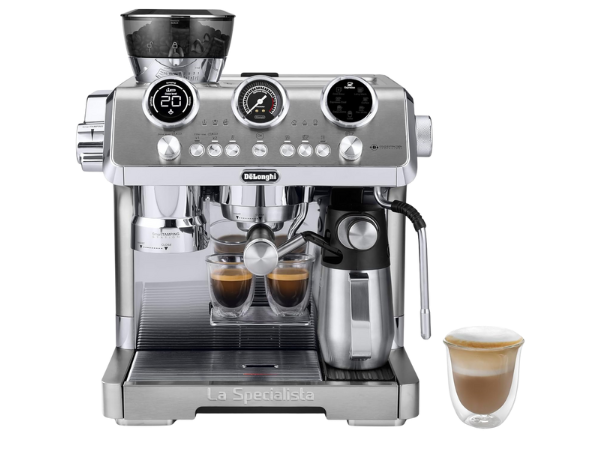
Espresso machines are not one-size-fits-all, and their dimensions, design, and layout can significantly impact how well they fit into your kitchen. Before purchasing, it’s important to think about both practical space requirements and aesthetic appeal.
Factors to Consider:
- Dimensions: Measure your counter space carefully.
- Water Tank Size: Larger tanks reduce refills but increase machine footprint.
- Aesthetic Design: Stainless steel vs. plastic finishes.
- Weight: Heavier machines often indicate durability.
- Cord Length & Placement: Important for kitchen layout.
A compact machine may suit small kitchens, while larger models with dual boilers require more space. Design also matters—espresso machines often become a centerpiece in the kitchen.
How to Choose an Espresso Machine for Lattes and Cappuccinos
If your favorite drinks are creamy lattes or frothy cappuccinos, then the espresso machine you choose must excel at milk steaming and frothing. While all espresso machines can brew a shot, not all are designed to handle milk-based beverages with the same quality.
Key Considerations:
- Steam Wand Power: Strong steam pressure creates microfoam for latte art.
- Dual Boiler Systems: Allow simultaneous brewing and steaming.
- Automatic Frothers: Convenient but less control over texture.
- Milk Jug Compatibility: Ensure your frothing pitcher fits comfortably.
For latte and cappuccino lovers, a machine with a professional steam wand is essential. Automatic frothers are beginner-friendly but limit creativity.
Maintenance and Cleaning Requirements You Should Know
Keeping your espresso machine clean is just as important as choosing the right model. Proper maintenance ensures consistent flavor, prevents mechanical issues, and extends the life of your investment.
Maintenance Checklist:
- Daily Cleaning: Rinse portafilter, wipe steam wand, empty drip tray.
- Weekly Tasks: Backflush with cleaning solution, wash removable parts.
- Monthly Tasks: Descale to prevent mineral buildup.
- Filter Replacement: Change water filters regularly.
- Check Seals & Gaskets: Replace worn parts to maintain pressure.
Machines with removable components and cleaning alerts make maintenance easier. Neglecting cleaning leads to poor taste and machine damage.