
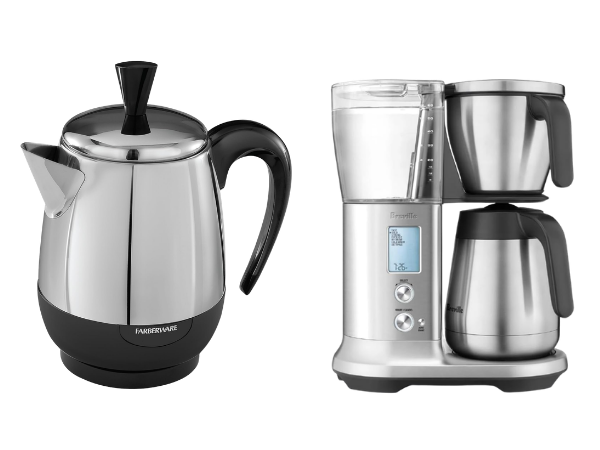
Coffee lovers often debate whether the traditional percolator or the modern filter coffee machine delivers the better brew. Each method has its own unique history, brewing style, and flavor profile. Understanding the differences helps you choose the right machine for your lifestyle and taste preferences.
What Is a Percolator?
A percolator is a classic coffee brewing device that dates back to the 19th century. It works by cycling boiling water through coffee grounds repeatedly until the desired strength is reached. This process produces a bold, robust cup of coffee that many people associate with camping trips or nostalgic mornings.
- Brewing Method – Water is heated at the bottom and pushed upward through a tube, showering over the coffee grounds.
- Flavor Profile – Strong, sometimes bitter, with a heavier body.
- Design – Available in stovetop and electric versions, often made of stainless steel.
- Durability – Built to last, especially models designed for outdoor use.
- Capacity – Ranges from small 4‑cup pots to large 12‑cup family sizes.
While they may lack precision compared to modern machines, their simplicity and rugged design make them a reliable choice.
What Is Filter Coffee?
Filter coffee, also known as drip coffee, is brewed by pouring hot water over ground beans, which then passes through a paper or metal filter. This method became mainstream in the 20th century and is now the most common way to prepare coffee at home and in cafés.
- Brewing Method – Gravity pulls hot water through the grounds, extracting flavor into a carafe.
- Flavor Profile – Clean, smooth, and balanced, with less bitterness than percolator coffee.
- Design – Machines range from simple drip brewers to advanced programmable models.
- Convenience – Easy to use, often with automatic timers and warming plates.
- Capacity – Typically 8–12 cups, ideal for households or offices.
Filter coffee machines are favored for their consistency and ease of use. They allow for better control over brewing variables, producing a lighter and more refined cup compared to percolators.
Top Filter Coffee Machines
These machines are perfect for those who value clean flavor and advanced brewing control. They represent the pinnacle of filter coffee technology, appealing to both casual drinkers and enthusiasts.
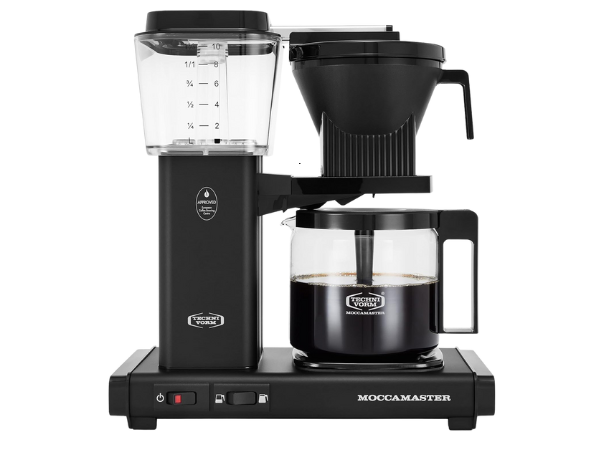
Technivorm Moccamaster 53948 KBGV
The KBGV Select is one of Technivorm’s most versatile models, designed for households that want flexibility without compromising brew quality. Handmade in the Netherlands, it combines precision engineering with a sleek design that fits modern kitchens.
Key traits of the KBGV Select:
- Capacity: 10 cups, with the option to brew a half‑carafe.
- Carafe Type: Glass carafe with warming plate.
- Temperature Control: Copper heating element keeps water between 196–205°F.
- Brewing Speed: Full carafe in 4–6 minutes.
- Features: Auto shut‑off, drip‑stop brew basket, adjustable volume selector.
The KBGV Select is ideal for families or couples who sometimes want a smaller batch but still demand the same high‑quality extraction.
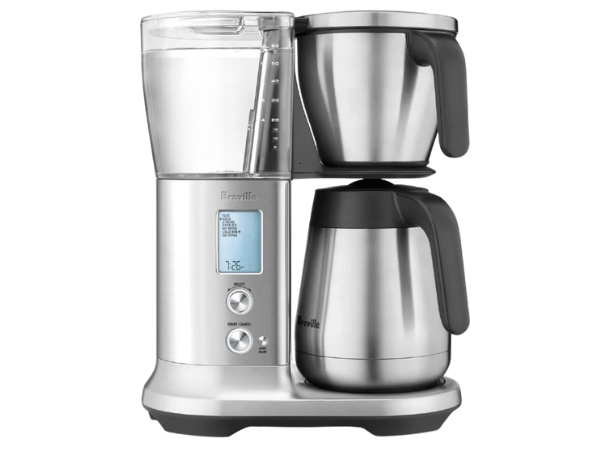
Breville Precision Brewer Drip Coffee Maker
Unlike standard drip brewers, it allows you to customize nearly every aspect of the brewing process, from bloom time to flow rate. This flexibility makes it suitable for both casual drinkers and those who enjoy experimenting with specialty coffee recipes.
Defining features of the Breville Precision Brewer:
- Programmable Settings – Adjust bloom time, water flow, and temperature for precise brewing.
- Thermal Carafe – Keeps coffee hot for hours without the risk of overcooking.
- SCA Certification – Meets Specialty Coffee Association standards for optimal brewing.
- Multiple Brew Modes – Includes Gold Cup, Fast, Strong, Cold Brew, and Iced Coffee settings.
- Large Capacity – Brews up to 12 cups, making it ideal for families or entertaining.
Whether you prefer a quick morning brew or want to fine‑tune every variable for a café‑style experience, the Breville Precision Brewer delivers consistent, high‑quality results.
Best Percolator Coffee Makers
These percolators appeal to coffee drinkers who want strong, full‑bodied coffee and appreciate durability. Whether you prefer the convenience of electric brewing or the ruggedness of stovetop models, both options deliver authentic percolator flavor.
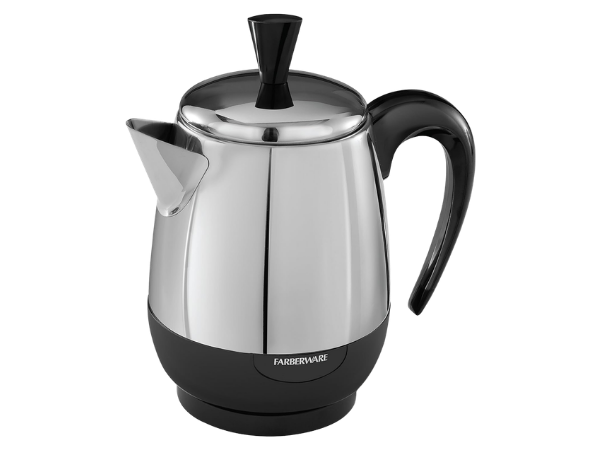
Farberware Electric Coffee Percolator
The Farberware Electric Coffee Percolator is a modern take on a classic brewing method, combining stainless steel durability with convenient electric functionality.
Defining features of the Farberware Electric Coffee Percolator:
- Stainless Steel Build – Durable construction ensures long‑lasting performance.
- 8‑Cup Capacity – Perfect for families or small gatherings.
- Automatic Keep‑Warm – Maintains coffee temperature without overcooking.
- Classic Design – Retro look with modern electric convenience.
- Easy Cleaning – Simple parts make maintenance straightforward.
This percolator is ideal for those who want bold, full‑bodied coffee with minimal fuss. It bridges the gap between tradition and convenience, making it a reliable choice for everyday brewing.
COLETTI Bozeman Percolator Coffee Pot
The COLETTI Bozeman Percolator Coffee Pot is built for rugged use, making it a favorite among campers and outdoor enthusiasts. Unlike electric models, it’s stovetop‑based, offering complete portability and durability without relying on plastic or aluminum components.
Defining features of the COLETTI Bozeman Percolator:
- Stovetop Brewing – Works on campfires, gas stoves, or portable burners.
- Durable Stainless Steel – Heavy‑duty build with no plastic or aluminum.
- Large Capacity Options – Available in 9‑cup and 12‑cup sizes.
- Military‑Grade Quality – Designed for reliability in tough conditions.
- Eco‑Friendly Design – No disposable filters required.
Whether you’re brewing at home or outdoors, the COLETTI Bozeman delivers a robust, authentic coffee experience that emphasizes durability and tradition.
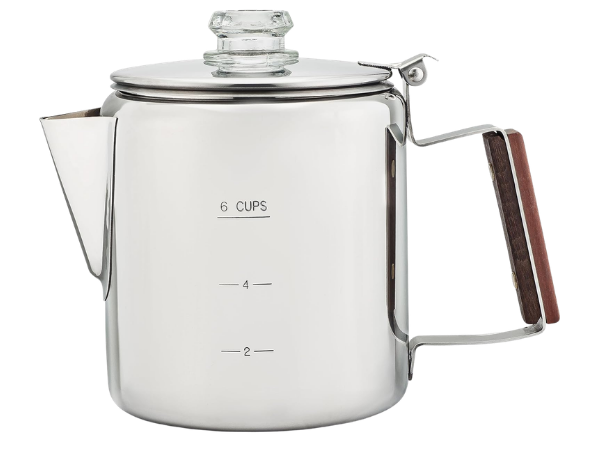
Percolator vs Filter Coffee: Key Differences
Both methods brew coffee, but the way they extract flavor, the level of convenience they offer, and the type of drinker they appeal to are very different. Percolators are rooted in tradition, often associated with strong, campfire‑style coffee, while filter machines represent modern precision and consistency.
- Brewing Process – Percolators recirculate water, while filter machines use gravity.
- Flavor – Percolators produce stronger, sometimes bitter coffee; filter machines yield smoother, balanced brews.
- Convenience – Filter machines often include timers and auto‑brew features; percolators are more manual.
- Durability – Percolators are rugged and long‑lasting; filter machines rely more on electronics.
- Audience – Percolators suit traditionalists and campers; filter machines fit modern households.
If you want a bold, rustic brew, the percolator is your ally. If you prefer a clean, balanced cup with minimal effort, the filter machine is the better choice.
Taste and Flavor Comparison
Each method extracts flavor differently, which directly impacts the aroma, body, and overall drinking experience. Percolators are known for producing strong, bold coffee with a heavier mouthfeel, while filter machines emphasize clarity and balance.
- Percolator Coffee – Strong, heavy, sometimes bitter, with a nostalgic feel.
- Filter Coffee – Clean, smooth, and aromatic, highlighting bean nuances.
- Body – Percolator coffee has a thicker mouthfeel; filter coffee is lighter.
- Consistency – Filter machines deliver more predictable results.
- Versatility – Filter machines allow experimentation with grind size and brew strength.
In summary, percolator coffee appeals to those who crave strength and tradition, while filter coffee suits drinkers who prefer balance and nuance.
Brewing Time and Ease of Use
Percolators require more manual attention, making them ideal for leisurely mornings or outdoor settings, whereas filter machines are designed for efficiency and consistency, perfect for busy households or offices.
- Percolators – Typically take 7–10 minutes, requiring monitoring.
- Filter Machines – Brew 8–12 cups in 5–7 minutes, often automated.
- Ease of Use – Filter machines are beginner‑friendly; percolators demand attention.
- Maintenance – Percolators are simple to clean; filter machines may require descaling.
- Portability – Stovetop percolators excel outdoors; filter machines are home‑oriented.
In summary, filter coffee machines win in terms of speed and convenience, making them ideal for people with busy schedules. Percolators, however, provide a more hands‑on brewing experience that appeals to traditionalists and outdoor enthusiasts.
Which One Should You Choose?
Percolators are ideal for those who enjoy strong, nostalgic coffee and don’t mind a hands‑on brewing process. Filter machines, on the other hand, are perfect for people who value convenience, consistency, and a smoother flavor profile.
- Choose a Percolator if you love strong, nostalgic coffee and want a durable machine for home or outdoor use.
- Choose a Filter Coffee Machine if you value convenience, clean flavor, and modern brewing technology.
Both brewing methods have their place. Percolators deliver tradition and strength, while filter machines provide precision and balance. By understanding the differences and exploring top models, you can select the perfect coffee maker to match your daily routine.