
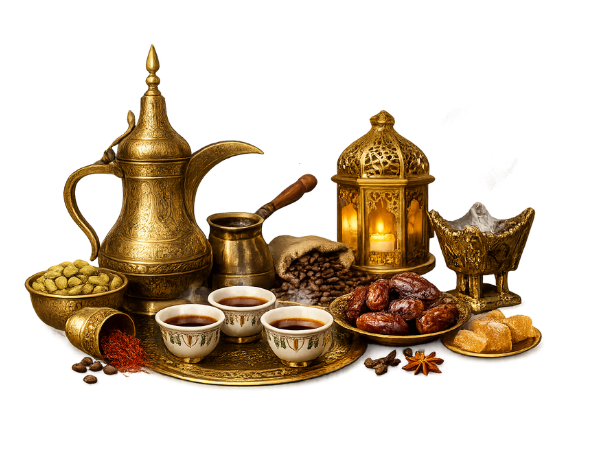
Arabic coffee, known as qahwa in Arabic, is more than just a beverage—it is a cultural symbol deeply tied to hospitality, tradition, and identity across the Middle East. Unlike Western coffee styles, Arabic coffee is lightly roasted, often infused with spices like cardamom, saffron, or cloves, and served in small cups without sugar.
What Is Arabic Coffee? The History of Arabic Coffee in the Middle East
Arabic coffee traces its origins back to the Arabian Peninsula, particularly Yemen, where coffee cultivation began in the 15th century. From there, it spread across the Middle East, becoming a cornerstone of social gatherings and religious practices.
- Origins in Yemen – Coffee plants were first cultivated in Yemen’s highlands.
- Spread to Mecca – Pilgrims carried coffee to Mecca, making it central to Islamic culture.
- Ottoman Influence – The Ottoman Empire helped popularize coffee across the Arab world.
- Cultural Symbol – Coffee became a symbol of hospitality and respect.
- Modern Continuity – Today, Arabic coffee remains a staple in homes and ceremonies.
Arabic coffee is not just a drink—it is a living tradition. Its history reflects trade, religion, and social customs, making it one of the most enduring beverages in human culture.
Best Arabic Coffee Brands to Try for an Authentic Experience
For those seeking authenticity, several brands specialize in Arabic coffee blends that preserve traditional flavors. These brands often use lightly roasted beans and include spices like cardamom to replicate the taste found in Middle Eastern households.
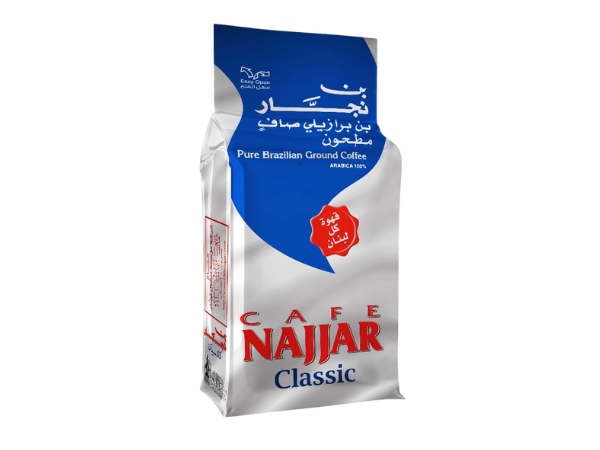
Cafe Najjar Turkish Coffee with Cardamom
Cafe Najjar is one of Lebanon’s most recognized coffee brands, celebrated for its authentic blends that capture the essence of Middle Eastern coffee culture. This blend is designed for traditional stovetop brewing, producing a thick, velvety cup that reflects centuries of heritage.
Defining features of Cafe Najjar Turkish Coffee with Cardamom:
- Authentic Lebanese Blend – Crafted to preserve traditional Middle Eastern coffee flavors.
- Cardamom Infusion – Adds fragrance and complexity to the brew.
- Finely Ground Texture – Perfect for stovetop or cezve brewing.
- Rich Aroma – Distinctive scent that enhances the cultural experience.
- Trusted Heritage – A brand with decades of tradition in the Arab world.
This coffee is ideal for those who want to experience the authentic taste of Lebanese-style Turkish coffee, with cardamom elevating the flavor into something truly memorable.
Kurukahveci Mehmet Efendi Turkish Coffee
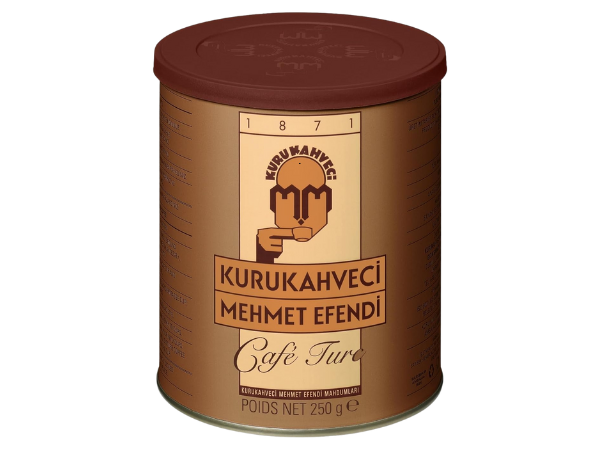
Kurukahveci Mehmet Efendi is Turkey’s most iconic coffee brand, renowned for pioneering the commercial distribution of packaged Turkish coffee in the 19th century. This brand is synonymous with tradition, making it a must-try for anyone seeking an authentic Turkish coffee experience.
Defining features of Kurukahveci Mehmet Efendi Turkish Coffee:
- Historic Legacy – Established in 1871, a pioneer in Turkish coffee culture.
- Finely Ground Beans – Designed for cezve brewing to achieve a smooth texture.
- Classic Flavor – Rich, bold taste with a velvety mouthfeel.
- Foamy Brew – Produces the signature foam layer of Turkish coffee.
- Global Recognition – Widely exported and respected worldwide.
Kurukahveci Mehmet Efendi is perfect for coffee lovers who value tradition and authenticity. Its consistency and heritage make it one of the most respected names in Turkish coffee.
Arabic Coffee Tradition: Hospitality, Etiquette, and Serving Rituals
Serving Arabic coffee is a ritual that reflects respect and generosity. Guests are offered coffee in small cups called finjan, poured from a traditional pot known as a dallah. The host usually serves the eldest or most honored guest first, symbolizing respect.
- Dallah Pot – The iconic vessel used to brew and serve coffee.
- Finjan Cups – Small handleless cups used for serving.
- Right Hand Etiquette – Coffee is always served with the right hand.
- Three-Cup Custom – Guests often drink three cups, symbolizing hospitality.
- Ceremonial Role – Coffee is central to weddings, funerals, and religious events.
The ritual of Arabic coffee is more than etiquette—it is a cultural language. Every gesture, from the way the dallah is tilted to the number of cups offered, carries meaning. It strengthens bonds between families, honors guests, and preserves traditions that have endured for centuries.
What Does Arabic Coffee Taste Like? Understanding Arabic Coffee Flavor
Arabic coffee has a distinct flavor profile compared to Western brews. Its light roast produces a mild, slightly bitter taste, often enhanced with spices. Cardamom is the most common addition, giving it a fragrant, citrus-like aroma.
- Light Roast – Produces a golden color and mild flavor.
- Cardamom Spice – Adds fragrance and complexity.
- Saffron Notes – Used in Gulf countries for luxury flavor.
- Clove Infusion – Adds warmth and depth.
- No Sugar – Traditionally served unsweetened.
The taste of Arabic coffee is subtle yet layered, offering a sensory journey that reflects centuries of refinement. Its complexity lies not in sweetness but in the interplay of spices and roast level, making each sip a cultural experience.
Arabic Coffee Benefits: Potential Health and Wellness Advantages
Arabic coffee is not only a cultural treasure but also a beverage with unique health benefits. Its light roast, unsweetened preparation, and infusion of spices like cardamom, saffron, and cloves make it distinct from Western coffee styles.
- Antioxidants – Helps fight free radicals.
- Digestive Aid – Cardamom supports digestion.
- Mental Alertness – Caffeine boosts concentration.
- Heart Health – Moderate consumption may support cardiovascular wellness.
- Anti-Inflammatory – Spices like cloves and saffron reduce inflammation.
Arabic coffee’s health advantages stem from its natural preparation and cultural emphasis on moderation. Unlike heavily sweetened or highly caffeinated drinks, it provides a gentle energy boost while promoting digestive and cardiovascular health.
Arabic Coffee With Cardamom: Ingredients and Brewing Methods
Arabic coffee with cardamom is the most iconic version of qahwa, cherished across the Middle East for its fragrant aroma and delicate flavor. The addition of cardamom transforms the drink into a cultural symbol of hospitality, offering both taste and tradition in every cup.
- Lightly Roasted Beans – Ground to a fine texture.
- Cardamom Pods – Crushed and added during brewing.
- Dallah Pot – Used to simmer coffee and spices.
- Slow Simmer – Coffee is brewed slowly for flavor extraction.
- Serving Ritual – Poured into small cups without sugar.
Brewing Arabic coffee with cardamom is more than a recipe—it is a ritual. The slow simmering process allows the spice oils to infuse the coffee, creating a golden drink with a citrusy, slightly sweet aroma.
Caffeine in Arabic Coffee: How It Compares to Other Coffees
Arabic coffee is unique not only in flavor but also in its caffeine content. Because it is lightly roasted and served in small cups (finjan), the caffeine level is lower than that of espresso or drip coffee. This makes it suitable for long social gatherings, where multiple servings can be enjoyed without overstimulation.
Caffeine Comparison:
- Arabic Coffee – Typically 40–60 mg per serving, depending on roast and preparation.
- Espresso – Around 65–80 mg per shot, concentrated and strong.
- Drip Coffee – 95–120 mg per cup, offering the highest caffeine among common brews.
- Turkish Coffee – 50–65 mg per serving, similar to Arabic coffee but with a thicker texture.
- Moderation Benefits – Lower caffeine allows multiple servings without discomfort.
The lower caffeine content of Arabic coffee reflects its cultural purpose: a drink meant for hospitality and conversation rather than quick stimulation. Guests can enjoy several cups during a gathering, staying alert yet comfortable.