
This page contains affiliate links. As an Amazon Associate I earn from qualifying purchases.
Root beer is one of America’s most nostalgic soft drinks, often associated with frosty mugs, root beer floats, and family gatherings. Unlike colas, root beer traditionally does not contain caffeine, making it a gentler option for those avoiding stimulants.
Why Most Root Beer Is Naturally Caffeine-Free
Root beer originated in the 19th century as a herbal tonic, brewed from roots like sassafras and sarsaparilla. Unlike colas, which were infused with kola nut extract (a natural source of caffeine), root beer recipes were designed to be soothing and caffeine‑free.
- Traditional recipes – Root beer was historically brewed from roots, herbs, and spices, not caffeine‑bearing plants.
- Family appeal – Brands market root beer as a safe, kid‑friendly alternative to colas.
- Flavor focus – The emphasis is on vanilla, wintergreen, and licorice notes rather than energy stimulation.
- Health perception – Being caffeine‑free makes root beer attractive to those avoiding stimulants.
- Consistency – Major brands like A&W, Mug, and Barq’s (except one variant) remain caffeine‑free.
Yet, some brands have broken from tradition to introduce caffeinated versions, creating a niche market for those who want both flavor and energy.
8 Root Beer Brands Ranked by Caffeine Content
Below is a detailed ranking of eight popular root beer brands, highlighting their caffeine levels and unique qualities. This breakdown ensures you can enjoy root beer without surprises, whether you’re looking for a nostalgic treat or a mild energy boost.
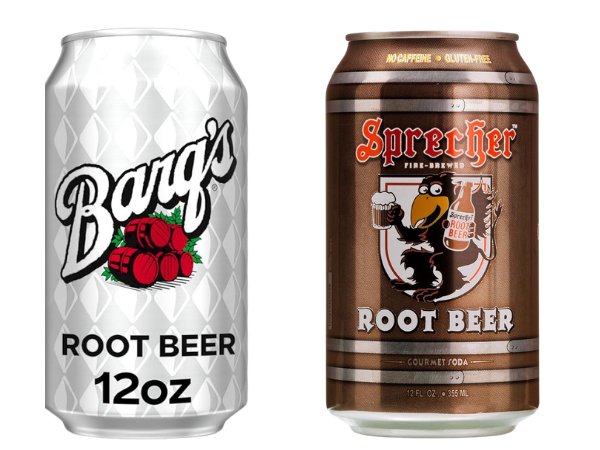
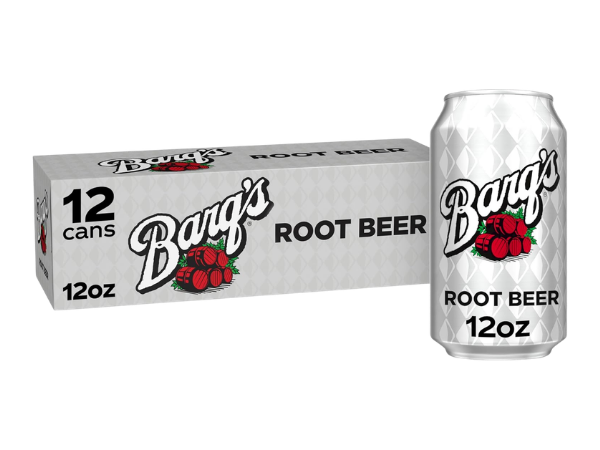
Barq’s Root Beer
Barq’s Root Beer is the most recognized caffeinated root beer on the market, setting itself apart from competitors by offering a mild stimulant effect. With approximately 22 mg of caffeine per 12 oz can, it delivers less than half the caffeine of a typical cola but enough to give drinkers a subtle boost.
Defining features of Barq’s Root Beer:
- Caffeine Content – 22 mg per 12 oz, making it unique among mainstream root beers.
- Flavor Profile – Stronger bite compared to creamier brands like A&W.
- Brand Identity – Marketed with the slogan “Barq’s has bite,” emphasizing boldness.
- Availability – Widely distributed across the U.S. in cans, bottles, and fountain drinks.
- Consumer Appeal – Popular among adults seeking a soda with a little extra kick.
Barq’s remains the only mainstream root beer to consistently include caffeine, making it a standout choice for those who want more than just sweetness.
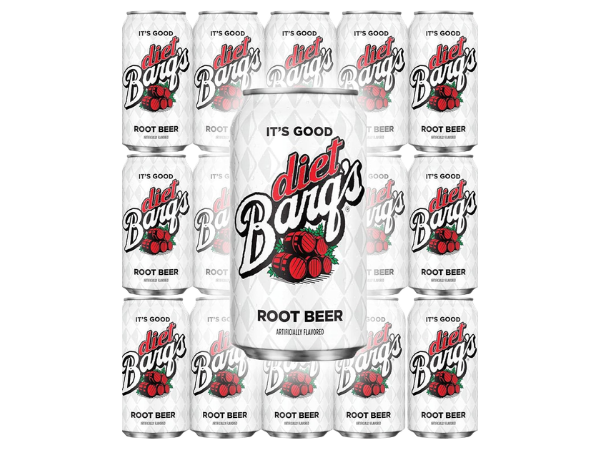
Barq’s Diet Root Beer
Barq’s Diet Root Beer mirrors the original in flavor and caffeine content but caters to calorie‑conscious consumers. With the same 22 mg of caffeine per 12 oz, it provides the same mild stimulant effect while reducing sugar intake.
Defining features of Barq’s Diet Root Beer:
- Caffeine Content – Same 22 mg per 12 oz as the original.
- Calorie Reduction – Uses artificial sweeteners to cut sugar and calories.
- Flavor Similarity – Maintains the signature bite of Barq’s despite being diet.
- Target Audience – Adults who want caffeine and flavor without sugar.
- Market Position – One of the few diet root beers that still contains caffeine.
By keeping caffeine levels intact, it appeals to consumers who want both energy and a lighter nutritional profile.
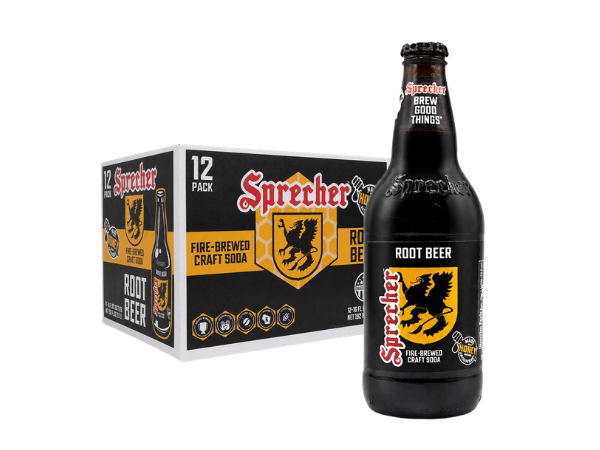
Sprecher Rev’d Up Root Beer
Sprecher Rev’d Up Root Beer is one of the strongest caffeinated root beers available, delivering between 93mg of caffeine per 16 fl oz. This puts it closer to the caffeine content of a small cup of tea, making it a significant energy‑boosting option compared to traditional root beers.
Defining features of Sprecher Rev’d Up Root Beer:
- High Caffeine Content – 93 mg per 16 oz, far above most root beers.
- Craft Brewing – Made by Sprecher, a brewery famous for small‑batch sodas.
- Flavor Profile – Rich, creamy taste with a sharper edge from caffeine.
- Target Audience – Adults who want both nostalgia and a stronger energy kick.
- Market Position – A rare craft soda that combines gourmet flavor with high caffeine.
It bridges the gap between traditional root beer and energy drinks, offering a nostalgic flavor with a modern twist for those who want more stimulation.
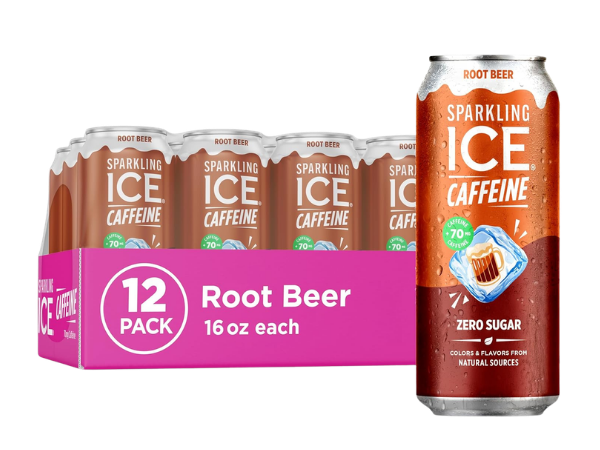
Sparkling Ice Caffeine Soda Shoppe Root Beer
Sparkling Ice Caffeine Soda Shoppe Root Beer is a modern take on root beer, blending nostalgic flavor with the functionality of an energy drink. With 70 mg of caffeine per 16 oz can, it delivers a stronger stimulant effect than most caffeinated root beers, making it comparable to a small cup of coffee.
Defining features of Sparkling Ice Caffeine Soda Shoppe Root Beer:
- Caffeine Content – 70 mg per 16 oz, one of the highest among root beer‑style drinks.
- Flavor Profile – Sweet, nostalgic root beer taste with a modern energy twist.
- Functional Beverage – Designed to combine soda enjoyment with caffeine stimulation.
- Target Audience – Adults seeking a soda‑like energy drink alternative.
- Market Position – Positioned as a hybrid between traditional soda and energy drinks.
Sparkling Ice Caffeine Soda Shoppe Root Beer appeals to consumers who want the comfort of a classic soda flavor but also need a stronger caffeine boost.
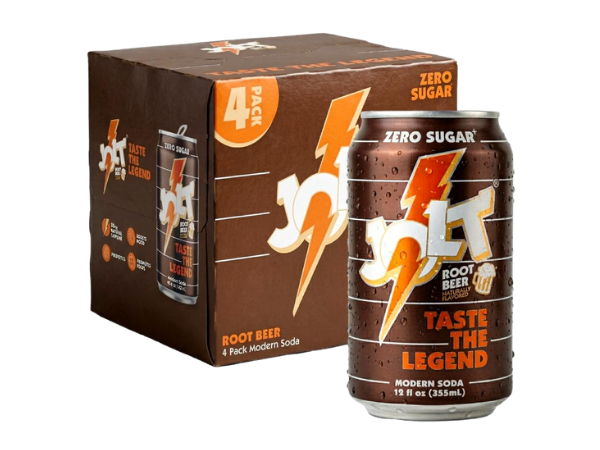
JOLT Modern Soda Root Beer
JOLT Modern Soda Root Beer is one of the most caffeinated root beer options available, delivering a powerful 80 mg of caffeine per 12 oz can. This level is comparable to a small cup of coffee, making it far stronger than traditional root beers.
Defining features of JOLT Modern Soda Root Beer:
- High Caffeine Content – 80 mg per 12 oz, one of the strongest root beers available.
- Flavor Profile – Sweet, classic root beer taste with a sharper edge.
- Energy Appeal – Marketed as a soda that doubles as an energy booster.
- Target Audience – Adults and energy drink fans who want soda flavor with high caffeine.
- Market Position – Positioned as a hybrid between root beer and energy drinks.
JOLT Modern Soda Root Beer is ideal for those who enjoy root beer but want a stronger stimulant effect. It’s not just a nostalgic drink—it’s a functional beverage designed to energize.
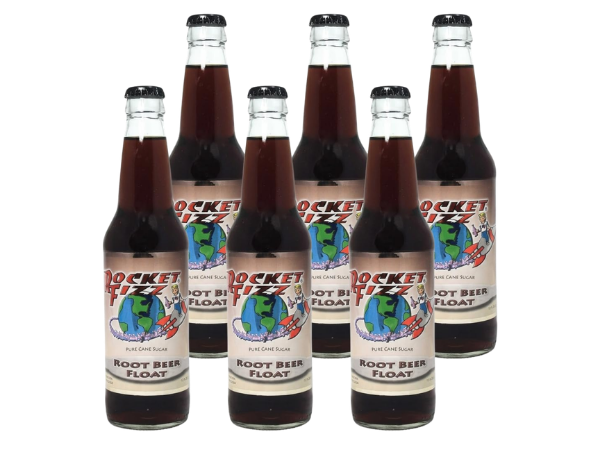
Rocket Fizz Root Beer Energy Drink
Rocket Fizz Root Beer Energy Drink combines the fun, retro branding of Rocket Fizz with the functionality of an energy drink. With 80 mg of caffeine per 16 oz can, it delivers a noticeable boost while maintaining the sweet, herbal flavor of root beer.
Defining features of Rocket Fizz Root Beer Energy Drink:
- Caffeine Content – 80 mg per 16 oz, comparable to a small coffee.
- Flavor Profile – Sweet, creamy root beer taste with added energy.
- Brand Identity – Retro soda company known for novelty flavors and fun packaging.
- Target Audience – Consumers who enjoy quirky sodas but also want caffeine.
- Market Position – A niche product blending root beer nostalgia with energy drink functionality.
Rocket Fizz Root Beer Energy Drink is perfect for those who love novelty sodas but also want a functional beverage.
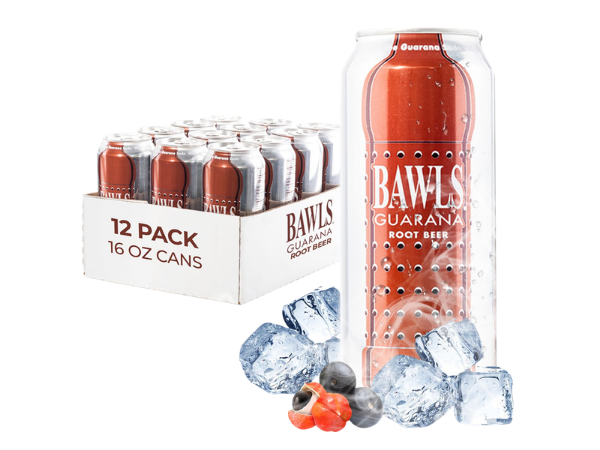
BAWLS Guarana Root Beer
BAWLS Guarana Root Beer is one of the most powerful caffeinated root beers available, delivering a whopping 102 mg of caffeine per 16 oz can. This makes it stronger than most sodas and comparable to a medium cup of coffee.
Defining features of BAWLS Guarana Root Beer:
- Caffeine Content – 102 mg per 16 oz, among the highest in root beer beverages.
- Guarana Infusion – Uses guarana extract, a natural stimulant, instead of traditional caffeine sources.
- Flavor Profile – Sweet, herbal root beer taste with a sharper, energizing edge.
- Target Audience – Energy drink fans who want a soda‑like alternative.
- Market Position – Positioned as a hybrid between root beer nostalgia and high‑energy beverages.
It’s a bold option that merges the comfort of root beer with the intensity of an energy drink, making it a standout in the caffeinated soda category.
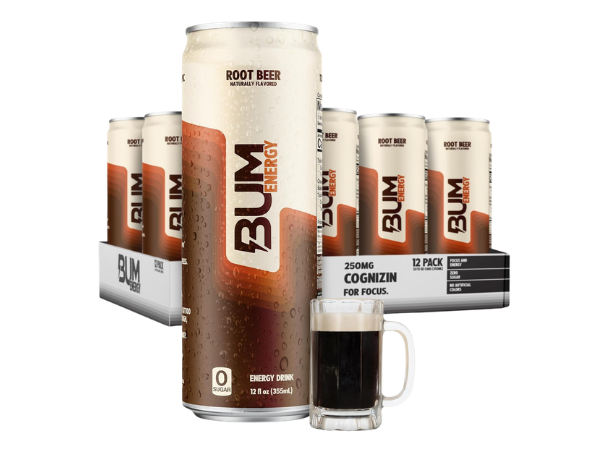
BUM Sugar-Free Energy Drink Root Beer
BUM Sugar-Free Energy Drink Root Beer takes caffeinated root beer to the next level, packing an impressive 112 mg of caffeine per 12 oz can. This makes it one of the strongest root beer‑style drinks on the market, rivaling many mainstream energy drinks.
Defining features of BUM Sugar-Free Energy Drink Root Beer:
- Caffeine Content – 112 mg per 12 oz, one of the highest in the category.
- Sugar-Free Formula – Uses artificial sweeteners to eliminate sugar while maintaining flavor.
- Flavor Profile – Strong root beer taste balanced with energy drink sharpness.
- Target Audience – Health‑conscious adults who want caffeine without sugar.
- Market Position – Positioned as a functional energy drink disguised as root beer.
It’s a bold, modern beverage that blends root beer nostalgia with the high‑performance appeal of energy drinks, making it one of the most potent options available.
Caffeinated vs Caffeine-Free Root Beer: Key Differences
Root beer may look the same in a frosty mug, but the presence or absence of caffeine changes how it’s experienced. Caffeine‑free root beer has long been the traditional choice, offering a sweet, herbal flavor without any stimulant effects.
- Energy boost – Caffeinated root beer provides mild stimulation, similar to a light tea.
- Flavor balance – Some argue caffeine adds a slight bitterness, altering the sweetness profile.
- Target audience – Caffeinated versions appeal to adults seeking both nostalgia and energy.
- Health considerations – Caffeine‑free versions are safer for children and sensitive individuals.
- Brand identity – Companies like A&W emphasize tradition, while Barq’s markets itself as “bite‑with‑caffeine.”
Ultimately, caffeinated root beer is a niche product, while caffeine‑free root beer dominates the market. The choice depends on whether consumers prioritize energy or tradition.
Is Caffeinated Root Beer Safe for Kids and Caffeine-Sensitive Adults?
Safety is a major concern when it comes to caffeinated root beer. While the caffeine levels are lower than colas, they can still affect children and sensitive adults.
- Children – Even small amounts of caffeine may cause restlessness, sleep disruption, or hyperactivity.
- Sensitive adults – Those prone to anxiety, insomnia, or heart palpitations should avoid caffeinated root beer.
- Moderation – Occasional consumption is unlikely to cause harm, but daily intake may add up.
- Alternatives – Caffeine‑free root beers provide the same flavor without risks.
- Label awareness – Consumers should always check packaging to confirm caffeine content.
In conclusion, caffeinated root beer is safe for most healthy adults in moderation, but it is not recommended for children or those sensitive to stimulants. Families seeking a safe, nostalgic beverage should stick to caffeine‑free options, which dominate the market.