

Volcanica Ethiopian Coffee, Yirgacheffe Region
Caffeine
95–100 mg
Note: Caffeine amounts are based on standard espresso brewing methods and can vary depending on grind size, extraction time, and serving size.
| Attribute | Value |
|---|---|
| Caffeine Level | Moderate |
| Serving Size | 8 fl oz |
| Serving Size (ml) | 240 ml |
| Caffeine | 95–100 mg |
| Calories | 2 kcal |
| Caffeine per fl oz | 2–13 mg/fl oz |
Volcanica Coffee is a specialty roaster known for sourcing beans from volcanic regions worldwide. Their philosophy emphasizes freshness, terroir, and roast precision, which directly impacts caffeine content.
About Volcanica Coffee and Its Roast Philosophy
Volcanica Coffee builds its reputation on sourcing beans from volcanic soils, which impart unique mineral richness and flavor complexity. Their roast philosophy balances tradition with innovation, ensuring each bean’s natural profile is preserved while optimizing caffeine retention.
- Single‑origin focus – Beans from Ethiopia, Costa Rica, Sumatra, and other volcanic regions.
- Roast precision – Light, medium, and dark roasts tailored to highlight acidity, body, or sweetness.
- Freshness guarantee – Beans roasted to order, shipped quickly to preserve peak flavor.
- Sustainability – Ethical sourcing and environmentally conscious practices.
- Caffeine awareness – Roast levels adjusted to balance taste with stimulant content.
This philosophy means caffeine levels are not uniform; they vary by roast and bean type. Light roasts generally retain slightly more caffeine, while dark roasts emphasize bold flavor with marginally less caffeine.
Caffeine Levels in Volcanica Coffee Estate Coffee
Volcanica’s Estate Coffees are single‑origin beans grown on specific farms or micro‑regions, often at high altitudes with volcanic soil. These coffees are prized for their consistency in flavor and caffeine delivery.
Ethiopian Coffee, Yirgacheffe Region, USDA Organic, Whole Bean
Volcanica’s Ethiopian Yirgacheffe Estate Coffee is one of the most celebrated single‑origin offerings in their estate lineup. Grown at high altitudes in the Yirgacheffe region, these beans are USDA Organic certified and prized for their floral aroma and citrus brightness.
Key Traits of Ethiopian Yirgacheffe Estate:
- Altitude – Grown at 5,000–6,000 feet, producing denser beans with more caffeine retention.
- Flavor Profile – Floral, tea‑like notes with citrus undertones.
- Organic Certification – USDA Organic, ensuring chemical‑free cultivation.
- Caffeine Range – ~95–100 mg per 8 oz serving.
- Roast Style – Often light to medium, preserving natural brightness and caffeine.
This estate coffee is ideal for drinkers who want both vibrant flavor and a reliable energy lift. Its caffeine levels are moderate but consistent, making it a dependable choice for morning brews.
Kenya AA Coffee, 100% Pure, Whole Bean
Kenya AA Estate Coffee is another standout in Volcanica’s estate collection. The “AA” grade refers to the largest, highest‑quality beans, grown at elevations above 6,000 feet. These beans are known for their bold acidity, wine‑like flavor, and strong caffeine presence, averaging ~90–95 mg per 8 oz cup.
Key Traits of Kenya AA Estate:
- Bean Grade – “AA” indicates superior size and quality.
- Altitude – High‑elevation growth enhances density and caffeine retention.
- Flavor Profile – Bright acidity with fruity, wine‑like notes.
- Caffeine Range – ~90–95 mg per 8 oz serving.
- Roast Style – Medium roast highlights balance between acidity and body.
Kenya AA is perfect for those who enjoy a lively, complex cup with dependable caffeine. Its bold flavor and moderate stimulant levels make it a favorite among estate coffee enthusiasts.
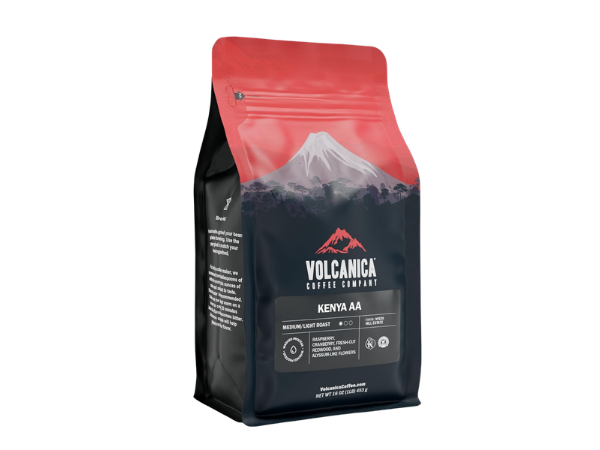
Costa Rica Coffee, Tarrazu Original, Whole Bean, Medium Roast
Costa Rica Tarrazu Estate Coffee is grown in one of the country’s most famous coffee regions, known for volcanic soil and high altitudes. Volcanica’s Tarrazu Original is a medium roast that balances sweetness, body, and caffeine.
Key Traits of Costa Rica Tarrazu Estate:
- Region – Tarrazu, renowned for volcanic soil and ideal climate.
- Flavor Profile – Sweet, balanced, with chocolate and citrus notes.
- Altitude – 4,000–6,000 feet, producing dense beans with reliable caffeine.
- Caffeine Range – ~90–95 mg per 8 oz serving.
- Roast Style – Medium roast enhances smoothness while retaining stimulant content.
Costa Rica Tarrazu is a versatile estate coffee, offering both flavor depth and consistent caffeine. It’s an excellent choice for daily drinking, combining terroir character with dependable energy.
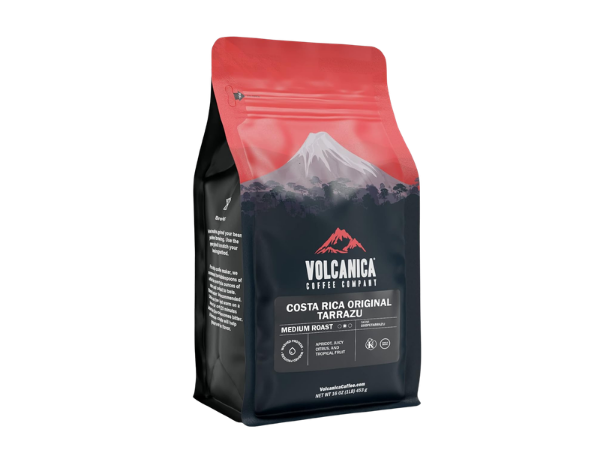
Volcanica Peaberry Coffee Caffeine Content: Is It Stronger?
Peaberry coffee is a fascinating mutation in the coffee cherry where only one seed develops instead of two. This unique growth pattern produces a rounder, denser bean that many believe carries more flavor and sometimes more caffeine.
Costa Rica Peaberry Coffee, Whole Bean, Medium Roast
Costa Rica’s Tarrazu region is renowned for its volcanic soil and high‑altitude farms, producing beans with exceptional clarity and sweetness. Volcanica’s Costa Rica Peaberry Coffee delivers a smooth body with balanced citrus and chocolate notes.
Key Traits of Costa Rica Peaberry Coffee
- Origin – Tarrazu region, Costa Rica.
- Flavor Profile – Sweet, balanced, with citrus brightness and chocolate undertones.
- Altitude – 4,000–6,000 feet, producing dense beans with reliable caffeine.
- Caffeine Range – ~85–90 mg per 8 oz serving.
- Roast Style – Medium roast enhances smoothness while preserving stimulant content.
Costa Rica Peaberry is ideal for those who want a cup that feels lively yet smooth. Its caffeine levels are moderate, but the concentrated flavor makes it feel stronger than standard beans.
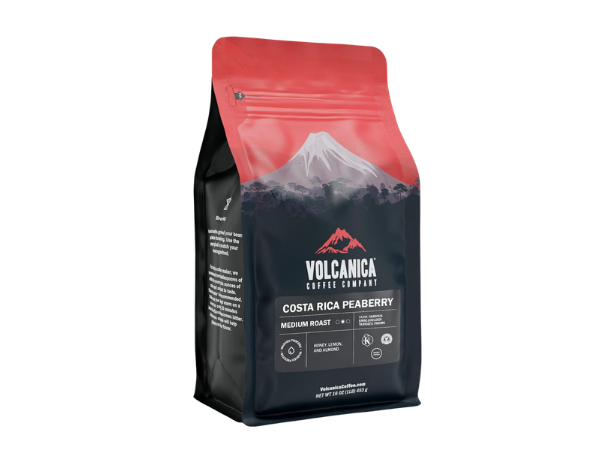
Tanzania Peaberry Coffee, Mount Kilimanjaro, Whole Bean
Tanzania Peaberry Coffee is cultivated on the slopes of Mount Kilimanjaro, where volcanic soil and high elevation produce dense, flavorful beans. Known for its lively acidity and wine‑like character, this peaberry variety averages ~95 mg per 8 oz cup.
Key Traits of Tanzania Peaberry Coffee
- Origin – Mount Kilimanjaro, Tanzania.
- Flavor Profile – Bright acidity, wine‑like notes, and fruity complexity.
- Altitude – High‑elevation growth enhances density and caffeine retention.
- Caffeine Range – ~95 mg per 8 oz serving.
- Roast Style – Typically medium roast to balance acidity and body.
Tanzania Peaberry is perfect for drinkers who enjoy a vibrant, energetic cup. Its flavor intensity often makes it feel stronger, even though caffeine levels remain within the typical Arabica range.
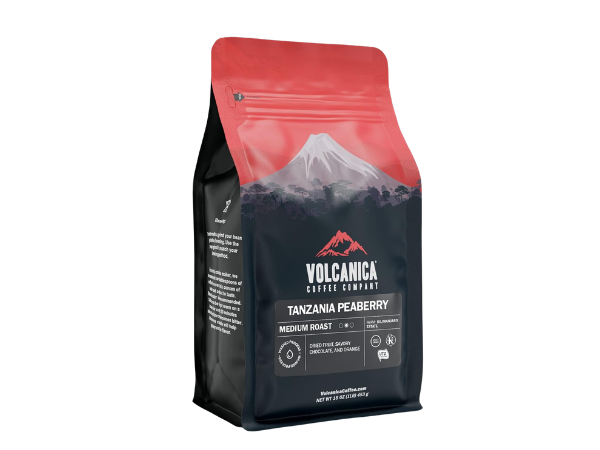
Caffeine in Volcanica Coffee Blends: How It Varies
Volcanica Coffee blends are crafted by combining beans from multiple volcanic regions, creating balance in flavor, aroma, and caffeine delivery. Unlike estate coffees, which are single‑origin, blends allow roasters to fine‑tune both taste and stimulant levels.
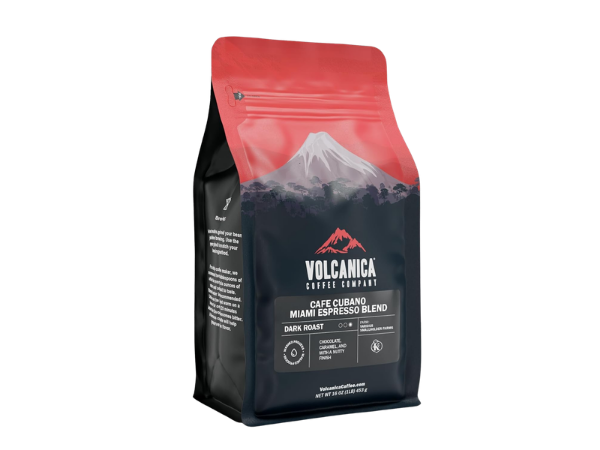
Cafe Cubano, Dark Roast, Cuban Coffee, Whole Bean
Volcanica’s Cafe Cubano Blend is inspired by traditional Cuban coffee culture, known for its bold flavor and strong presence. This dark roast blend delivers a rich, smoky taste with a slightly lower caffeine level compared to lighter roasts, averaging ~75–85 mg per 8 oz cup.
Key Traits of Cafe Cubano Blend
- Origin – Inspired by Cuban coffee traditions.
- Flavor Profile – Bold, smoky, with caramelized sweetness.
- Roast Style – Dark roast emphasizes flavor depth.
- Caffeine Range – ~75–85 mg per 8 oz serving.
- Cultural Note – Often brewed strong and sweet, reflecting Cuban coffee heritage.
Cafe Cubano is ideal for drinkers who want a powerful flavor experience with moderate caffeine. Its cultural roots and dark roast character make it a distinctive option in Volcanica’s blend lineup.
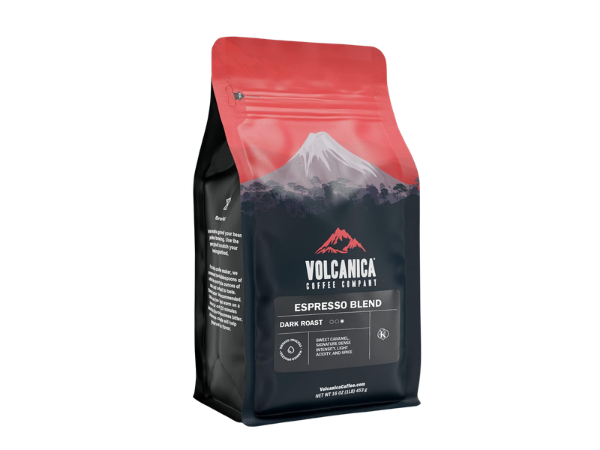
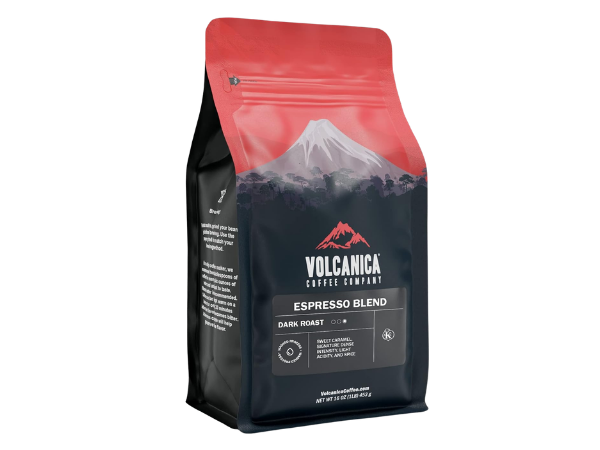
Volcanica Espresso Whole Beans Coffee, Dark Roast
The Espresso Blend is designed for concentrated brewing, delivering bold flavor in small servings. While a single shot contains less total caffeine than a full cup, it is highly concentrated, averaging ~63 mg per 1 oz shot. This makes it perfect for quick energy boosts and traditional espresso drinks.
Key Traits of Volcanica Espresso Blend
- Origin – Crafted from multiple volcanic regions for balance.
- Flavor Profile – Intense, rich, with chocolate and spice notes.
- Roast Style – Dark roast enhances body and crema.
- Caffeine Range – ~63 mg per 1 oz shot.
- Brewing Method – Optimized for espresso machines.
It delivers bold flavor and reliable caffeine in small doses, making it versatile for lattes, cappuccinos, and straight shots.
Volcanica Dark Roast Coffee Caffeine Levels Explained
Dark roast coffees are often misunderstood when it comes to caffeine. Many drinkers assume that the bold, smoky flavor of a dark roast means it has more caffeine, but in reality, the opposite is true. Longer roasting times slightly reduce caffeine content, though the difference is modest.
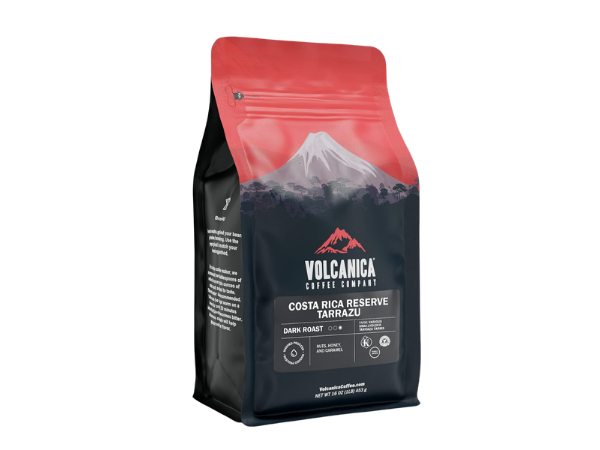
Costa Rican Coffee, Tarrazu Reserve, Dark Roast, Whole Bean
The Tarrazu Reserve Dark Roast is grown in Costa Rica’s renowned Tarrazu region, famous for volcanic soil and high‑altitude farms. This dark roast highlights chocolate and caramel notes with a silky finish.
Key Traits of Costa Rica Tarrazu Reserve Dark Roast
- Origin – Tarrazu region, Costa Rica.
- Flavor Profile – Chocolate, caramel, and smooth sweetness.
- Altitude – 4,000–6,000 feet, producing dense beans.
- Caffeine Range – ~85–90 mg per 8 oz serving.
- Roast Style – Dark roast emphasizes body and flavor depth.
Costa Rica Tarrazu Reserve is perfect for those who want a bold yet smooth cup with dependable caffeine. Its flavor complexity makes it a standout among Volcanica’s dark roast offerings.
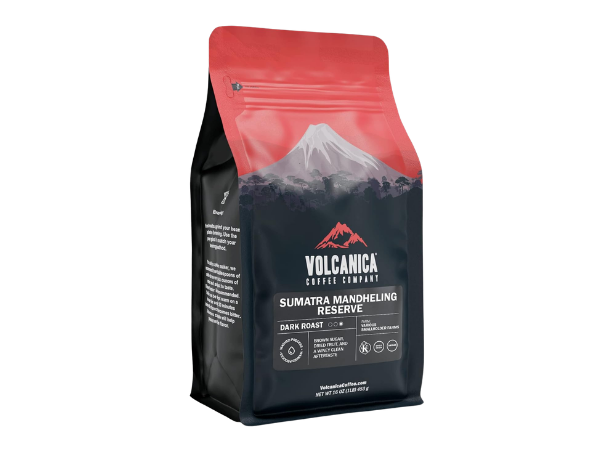
Sumatra Mandheling Dark Roast Coffee, USDA Organic, Whole Bean
Sumatra Mandheling Dark Roast is USDA Organic certified and grown in Indonesia’s volcanic soils. Known for its earthy, low‑acid profile, this coffee delivers a rich, full‑bodied taste with herbal undertones.
Key Traits of Sumatra Mandheling Dark Roast
- Origin – Sumatra, Indonesia.
- Flavor Profile – Earthy, herbal, with low acidity.
- Certification – USDA Organic, ensuring chemical‑free cultivation.
- Caffeine Range – ~80–85 mg per 8 oz serving.
- Roast Style – Dark roast highlights richness and smoothness.
Sumatra Mandheling Dark Roast is ideal for drinkers who prefer a mellow, low‑acid cup with moderate caffeine. Its organic certification and volcanic terroir make it both distinctive and dependable.
Volcanica Low Acid Coffee and Caffeine: What to Expect
Low acid coffees are designed for drinkers who love coffee but want a smoother experience that is gentler on the stomach. Volcanica’s low acid offerings are carefully selected from regions where beans naturally produce less acidity, such as Sumatra, Brazil, and Kona.
Volcanica Low Acid Espresso Coffee, Dark Roast 100% Arabica, Espresso Grind
This espresso‑specific low acid option is made from 100% Arabica beans and roasted dark to highlight bold, smoky flavors. The fine espresso grind ensures concentrated extraction, producing a rich crema with moderate caffeine levels of ~60–65 mg per 1 oz shot.
Key Traits of Volcanica Low Acid Espresso Coffee
- Bean Type – 100% Arabica, naturally lower in acidity.
- Flavor Profile – Bold, smoky, with chocolate undertones.
- Roast Style – Dark roast emphasizes depth and crema.
- Caffeine Range – ~60–65 mg per 1 oz shot.
- Grind – Espresso grind for concentrated brewing.
This coffee is ideal for espresso lovers who want a strong flavor without stomach discomfort. It balances intensity with comfort, making it a dependable daily choice.
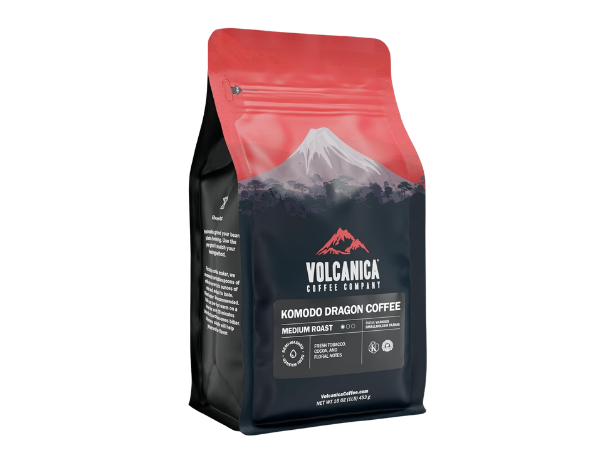
Komodo Dragon Coffee, 100% Pure, Flores, Whole Bean, Medium Roast
Volcanica’s medium roast highlights herbal notes and a smooth body, while keeping caffeine levels moderate at ~85–90 mg per 8 oz cup. Its naturally low acidity makes it gentle yet flavorful.
Key Traits of Komodo Dragon Coffee
- Origin – Flores Island, Indonesia.
- Flavor Profile – Earthy, herbal, with a smooth finish.
- Roast Style – Medium roast balances body and brightness.
- Caffeine Range – ~85–90 mg per 8 oz serving.
- Acidity – Naturally low, ideal for sensitive stomachs.
Komodo Dragon Coffee is perfect for those who enjoy exotic, earthy flavors with reliable caffeine. Its volcanic terroir and low acid profile make it both distinctive and approachable.
Volcanica Decaf Coffee Caffeine Levels: How Much Is Left?
Decaf coffee is often misunderstood—many assume it is completely caffeine‑free, but in reality, decaffeination only removes about 97–99% of the stimulant. Volcanica’s decaf offerings are carefully processed, often using the Swiss Water Method, which avoids chemicals and preserves flavor.
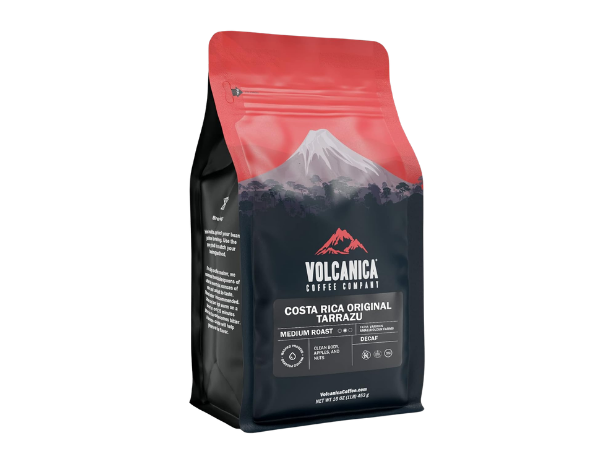
Costa Rica Decaf Tarrazu Coffee, Whole Bean, Swiss Water Processed
Volcanica’s decaf Tarrazu retains these qualities while reducing caffeine to minimal levels. With ~3–6 mg per 8 oz cup, it delivers smooth sweetness and citrus notes without the jitters.
Key Traits of Costa Rica Decaf Tarrazu
- Origin – Tarrazu region, Costa Rica.
- Process – Swiss Water Method, chemical‑free decaffeination.
- Flavor Profile – Balanced sweetness with citrus undertones.
- Caffeine Range – ~3–6 mg per 8 oz serving.
- Roast Style – Medium roast enhances smoothness and clarity.
Costa Rica Decaf Tarrazu is perfect for those who want the terroir character of Tarrazu coffee with virtually no caffeine. It offers a gentle, flavorful cup suitable for late‑night brewing.
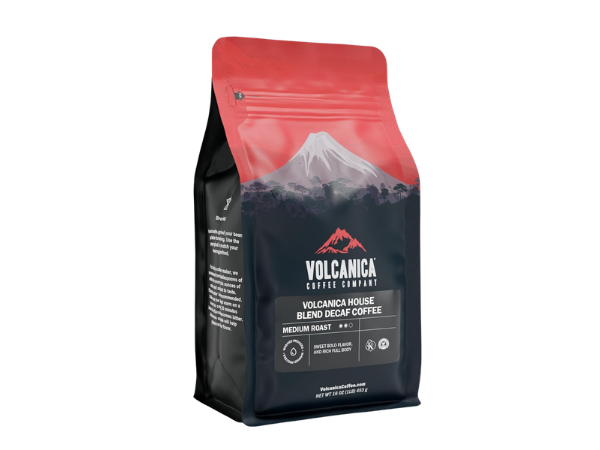
Volcanica House Decaf Coffee, Whole Bean, Swiss Water Processed
The House Decaf Blend is Volcanica’s signature decaf option, crafted to deliver balance and versatility. Thanks to the Swiss Water Process, caffeine levels are reduced to ~2–5 mg per 8 oz cup, making it one of the mildest options available.
Key Traits of Volcanica House Decaf
- Origin – Blend of volcanic regions.
- Process – Swiss Water Method ensures flavor retention.
- Flavor Profile – Smooth, balanced, with chocolate undertones.
- Caffeine Range – ~2–5 mg per 8 oz serving.
- Roast Style – Medium roast for everyday drinkability.
Volcanica House Decaf is ideal for drinkers who want a versatile, low‑caffeine option that still tastes like a full coffee experience.
Factors That Influence Caffeine in Volcanica Coffee
Caffeine levels in Volcanica Coffee are not determined by a single factor. Instead, they are shaped by a combination of bean genetics, roast style, brewing method, and even grind size. Understanding these influences helps explain why two cups of Volcanica coffee can taste very different and deliver varying amounts of energy.
- Bean type – Arabica vs. Robusta (Robusta has ~2x caffeine).
- Roast level – Light retains more caffeine than dark.
- Brewing method – Cold brew extracts more caffeine.
- Grind size – Finer grinds release more caffeine.
- Water temperature – Hotter water extracts more caffeine.
Together, these factors explain why Volcanica’s offerings range from mild decaf options with just a few milligrams of caffeine to powerful cold brews exceeding 150 mg per serving.