
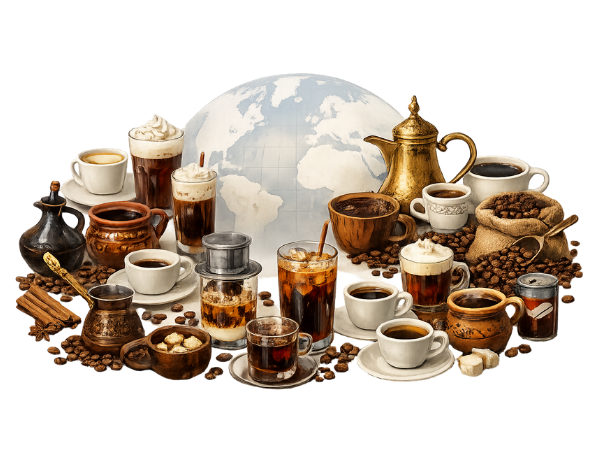
Coffee is more than just a beverage; it is a cultural symbol that reflects traditions, lifestyles, and identities across the globe. From strong espresso shots in Italy to sweetened iced coffee in Vietnam, each country has developed its own way of preparing and enjoying coffee.
How Coffee Preferences Differ Around the World
Coffee culture varies widely depending on geography, climate, and history. In Europe, coffeehouses became hubs of intellectual exchange, while in South America, coffee is tied to agricultural heritage and daily rituals.
Key differences include:
- Preparation methods – boiling, filtering, espresso extraction, or cold steeping.
- Ingredients – milk, sugar, spices, alcohol, or tea.
- Cultural role – social gatherings, religious ceremonies, or modern café trends.
Understanding these differences helps us appreciate the diversity of global coffee traditions and why certain drinks dominate in specific regions.
Europe’s Favorite Coffee Drinks and Traditions
Europe has some of the richest coffee traditions, shaped by centuries of café culture and culinary innovation. Each country has developed a signature drink that reflects its lifestyle and taste preferences.

France – Café au Lait
Café au Lait is one of the most recognizable French coffee traditions, often enjoyed at breakfast alongside a croissant or baguette.
Café au Lait is one of the most recognizable French coffee traditions, often enjoyed at breakfast alongside a croissant or baguette.
Defining features of Café au Lait:
- Coffee Base – Traditionally brewed coffee rather than espresso.
- Milk Ratio – Equal parts hot milk and coffee for harmony.
- Serving Style – Often served in a wide bowl or large cup.
- Breakfast Tradition – Commonly paired with pastries.
- Cultural Identity – Represents French café lifestyle and morning rituals.
Its comforting flavor and simple preparation make it a staple of French households and cafés, embodying the elegance and warmth of French coffee culture.
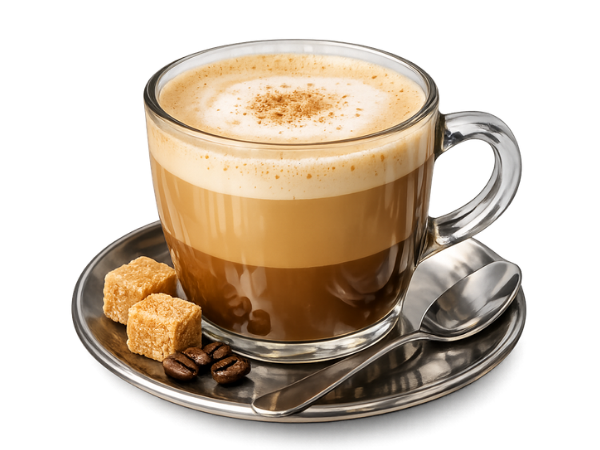
Spain – Café con Leche
Café con Leche is Spain’s most popular morning coffee, a staple of households and cafés across the country.
It consists of espresso mixed with hot milk, usually in equal proportions, resulting in a creamy and robust beverage.
Defining features of Café con Leche:
- Espresso Base – Strong espresso shot forms the foundation.
- Milk Addition – Steamed milk balances intensity.
- Serving Tradition – Commonly served in cafés for breakfast.
- Daily Ritual – Integral to Spanish morning routines.
- Flavor Profile – Creamy yet bold, stronger than French café au lait.
Its combination of strength and creaminess makes it a versatile drink that appeals to both casual coffee drinkers and those who prefer intensity. It is a defining feature of Spain’s vibrant café scene.

Portugal – Galão
Galão is Portugal’s signature coffee drink, similar to a latte but with its own unique identity.
It is made with one part espresso and three parts foamed milk, served in a tall glass.
Defining features of Galão:
- Espresso Base – A single shot of espresso provides depth.
- Milk Ratio – Three parts foamed milk for a smooth texture.
- Serving Glass – Traditionally served in tall, transparent glasses.
- Café Culture – Commonly enjoyed in Lisbon cafés.
- Flavor Experience – Light, creamy, and approachable.
Its mild flavor and creamy texture make it accessible to a wide audience, symbolizing the Portuguese preference for balance and comfort in their coffee traditions.

Italy – Espresso
Originating in Italy in the early 20th century, espresso is brewed by forcing hot water through finely ground coffee under high pressure, producing a small but powerful drink with a rich crema on top.
Italians typically enjoy espresso quickly at the bar, making it both a social and practical ritual.
Defining features of Espresso:
- High Pressure Extraction – Brewed at 9 bars of pressure for intensity.
- Crema Layer – Golden foam that signals quality.
- Serving Size – Small shot, usually 25–30 ml.
- Cultural Ritual – Consumed quickly at cafés, often standing.
- Global Influence – Basis for cappuccino, latte, macchiato.
Espresso is more than a drink; it is a cultural symbol of Italy’s dedication to craftsmanship and flavor.

Austria – Wiener Melange
Made with a shot of espresso or strong coffee topped with steamed milk and milk foam, it delivers a mild, creamy flavor that pairs perfectly with pastries.
The Wiener Melange reflects Vienna’s tradition of leisurely coffeehouse gatherings, where intellectuals and artists once met to exchange ideas.
Defining features of Wiener Melange:
- Espresso or Strong Coffee – Provides a balanced foundation.
- Steamed Milk – Adds smoothness and body.
- Milk Foam – Light topping for texture.
- Serving Tradition – Enjoyed in Viennese cafés with pastries.
- Cultural Heritage – Symbol of Vienna’s intellectual café scene.
It represents Austria’s love for refined coffee moments, where the drink is savored slowly in elegant surroundings, making it a timeless part of European coffee history.
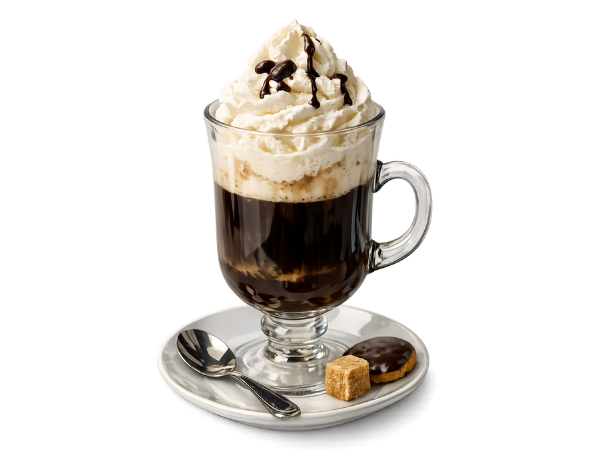
Germany – Pharisäer
Pharisäer is a distinctive German coffee drink that combines strong coffee with rum and whipped cream.
Originating in Northern Germany, it was traditionally served at social gatherings where alcohol was frowned upon, with the whipped cream cleverly masking the rum’s aroma.
Defining features of Pharisäer:
- Strong Coffee Base – Provides depth and bitterness.
- Dark Rum – Adds warmth and complexity.
- Whipped Cream – Masks aroma and adds richness.
- Cultural Origin – Created to discreetly include alcohol.
- Festive Tradition – Served at celebrations and gatherings.
Its blend of coffee, rum, and cream makes it both comforting and indulgent, symbolizing Germany’s ability to turn coffee into a social centerpiece with a playful twist.
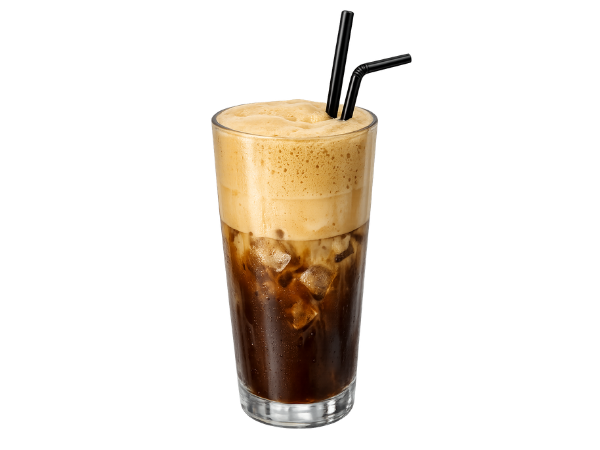
Greece – Frappe
Frappe is Greece’s most iconic coffee drink, created in the 1950s and now a symbol of Greek summer culture.
Made with instant coffee, sugar, and water shaken until frothy, it is typically served cold over ice, sometimes with milk.
Defining features of Frappe:
- Instant Coffee Base – Prepared with soluble coffee granules.
- Foamy Texture – Achieved by vigorous shaking or blending.
- Serving Style – Served cold over ice, often in tall glasses.
- Sweetness Options – Can be made “sketos” (unsweetened), “metrios” (medium sweet), or “glykos” (sweet).
- Cultural Identity – Associated with leisure, cafés, and seaside relaxation.
Its versatility and refreshing qualities have made it a staple across the country, embodying the spirit of social gatherings and warm weather traditions.
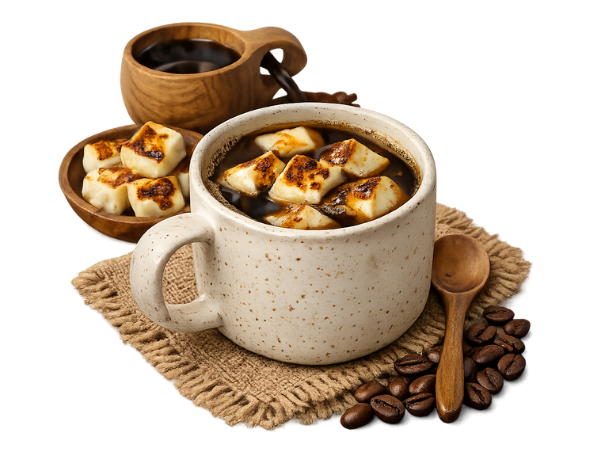
Sweden – Kaffeost
Kaffeost is one of Sweden’s most unusual coffee traditions, originating in the northern regions among the Sámi people.
The name means “coffee cheese,” and the drink is made by pouring hot coffee over cubes of dried cheese called “juustoleipä.”
Defining features of Kaffeost:
- Cheese Base – Uses traditional Finnish-Sámi cheese juustoleipä.
- Coffee Pouring – Hot coffee poured directly over cheese cubes.
- Flavor Profile – Savory, salty cheese balanced by bitter coffee.
- Regional Tradition – Popular in northern Sweden and Finland.
- Cultural Heritage – Reflects Sámi resourcefulness and hospitality.
It highlights the creativity of local cultures in adapting coffee to regional ingredients, making it a truly distinctive beverage in Europe.

Finland – Kahvi
Kahvi is Finland’s national coffee tradition, and Finns are among the highest coffee consumers in the world.
Kahvi typically refers to light-roasted drip coffee, enjoyed multiple times a day in homes, workplaces, and social gatherings.
Defining features of Kahvi:
- Light Roast – Preferred for its mild flavor and smoothness.
- Drip Brewing – Commonly prepared with filter coffee machines.
- High Consumption – Finland leads the world in per-capita coffee intake.
- Social Ritual – Coffee breaks (“kahvitauko”) are integral to daily routines.
- Cultural Identity – Symbolizes hospitality and community.
It reflects Finland’s emphasis on warmth, social connection, and comfort, making it one of the most defining coffee traditions in Europe.
Coffee Culture Across Africa & the Middle East
Africa and the Middle East are home to some of the oldest coffee traditions in the world. Ethiopia, the birthplace of coffee, still celebrates elaborate ceremonies, while Middle Eastern countries infuse coffee with spices and serve it alongside sweets.
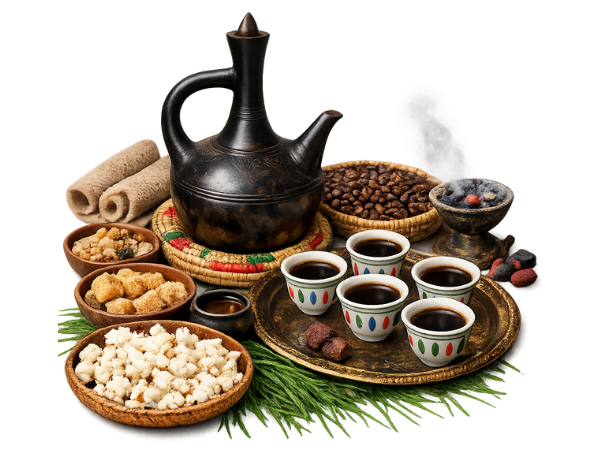
Ethiopia – Buna
Buna is Ethiopia’s traditional coffee ceremony and one of the oldest coffee practices in the world.
Coffee originated in Ethiopia, and buna remains a central part of social and cultural life.
Defining features of Buna:
- Ceremonial Preparation – Beans roasted, ground, and brewed in front of guests.
- Jebena Pot – Traditional clay vessel used for brewing.
- Flavor Profile – Strong, earthy, sometimes spiced with salt or butter.
- Social Ritual – Coffee shared in multiple rounds with family and visitors.
- Cultural Heritage – Symbol of hospitality and Ethiopia’s role as coffee’s birthplace.
It reflects Ethiopia’s deep connection to coffee and its role in community life, making it one of the most meaningful coffee traditions worldwide.
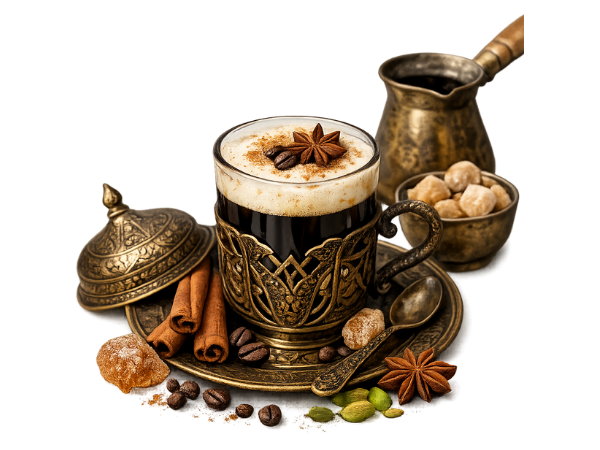
Morocco – Spiced Coffee
Morocco’s spiced coffee is a fragrant and flavorful beverage that blends coffee with traditional spices such as cinnamon, nutmeg, cardamom, and black pepper.
This drink reflects Morocco’s culinary heritage, where spices play a central role in both food and beverages.
Defining features of Spiced Coffee:
- Coffee Base – Strong brewed coffee as the foundation.
- Spice Blend – Cinnamon, nutmeg, cardamom, black pepper.
- Serving Tradition – Shared in social settings, often with sweets.
- Flavor Profile – Aromatic, warm, and layered.
- Cultural Identity – Reflects Morocco’s spice trade history and hospitality.
The combination of coffee and spices creates a drink that is both comforting and exotic, symbolizing Morocco’s rich cultural fusion.
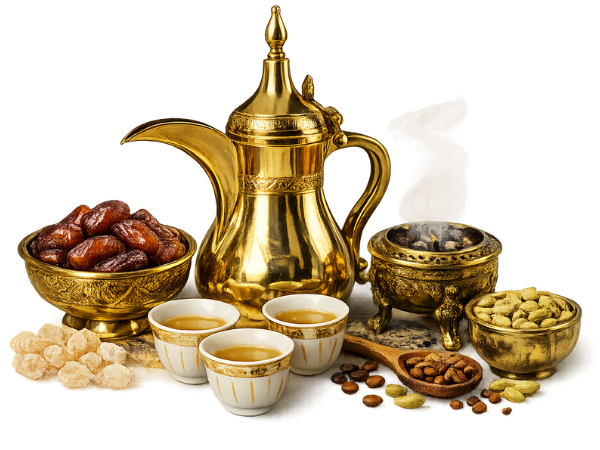
Saudi Arabia – Qahwa
Qahwa is Saudi Arabia’s traditional coffee, prepared with lightly roasted beans and flavored with cardamom.
It is typically served in small cups called finjan alongside dates, reflecting hospitality and generosity.
Defining features of Qahwa:
- Light Roast – Beans roasted lightly for a golden hue.
- Cardamom Flavor – Spiced for aroma and taste.
- Serving Style – Poured into small finjan cups.
- Accompaniment – Traditionally served with dates.
- Cultural Role – Symbol of hospitality and respect in Arab culture.
Its light, spiced flavor and ceremonial serving make it a defining feature of Saudi hospitality, representing the values of generosity and tradition in Middle Eastern coffee culture.
The Most Popular Coffee Beverages in North America
North America has embraced coffee as both a daily necessity and a creative beverage trend. From strong Cuban espresso to smooth cold brew in the United States, the region showcases diversity in preparation and flavor.

USA – Cold Brew
Cold Brew has become one of the most popular coffee trends in the United States, known for its smooth flavor and lower acidity compared to traditional hot-brewed coffee.
Defining features of Cold Brew:
- Slow Steeping – Coffee grounds steeped in cold water for hours.
- Smooth Flavor – Less acidic, naturally sweet taste.
- Versatile Serving – Enjoyed black, with milk, or flavored syrups.
- Modern Trend – Popular in cafés and ready-to-drink bottles.
- Convenience – Often prepared in batches for easy storage.
Its rise in popularity shows how the U.S. embraces new brewing methods while maintaining coffee as a daily ritual.
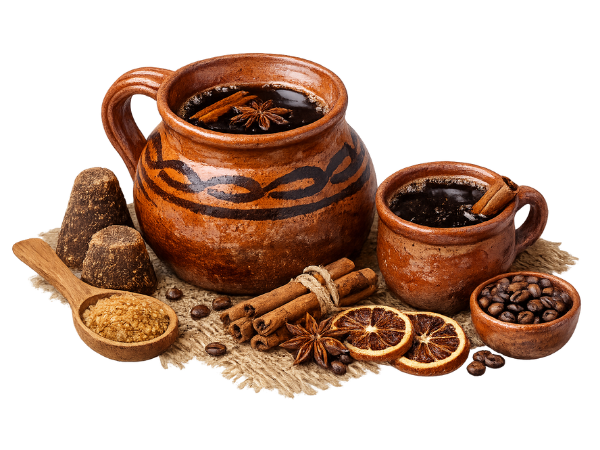
Mexico – Café de Olla
Café de Olla is Mexico’s traditional spiced coffee, prepared in a clay pot that enhances its flavor.
It is brewed with ground coffee, cinnamon sticks, and piloncillo (unrefined cane sugar), creating a warm, aromatic drink.
Defining features of Café de Olla:
- Clay Pot Brewing – Enhances flavor and aroma.
- Cinnamon Spice – Adds warmth and fragrance.
- Piloncillo Sweetness – Distinct earthy sweetness from cane sugar.
- Cultural Tradition – Linked to rural and festive gatherings.
- Flavor Experience – Sweet, spiced, and comforting.
Café de Olla is more than a drink; it is a cultural expression of Mexico’s culinary identity. Its unique preparation and flavors make it a beloved national coffee tradition.
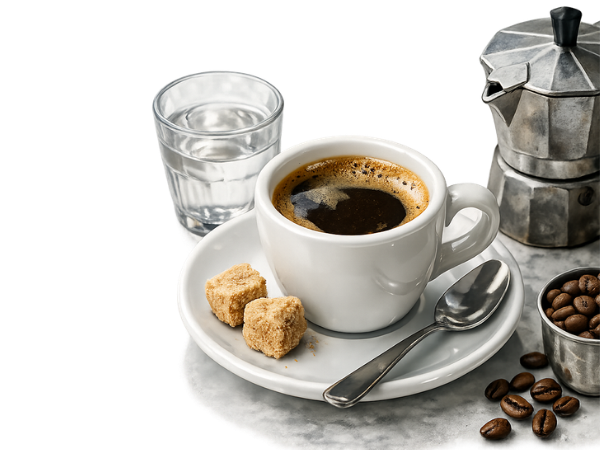
Cuba – Café Cubano
Café Cubano is Cuba’s signature coffee, a strong espresso sweetened with sugar during brewing.
The sugar is whipped with the first drops of espresso to create a thick, caramel-like foam called espuma, which is then poured over the rest of the coffee.
Defining features of Café Cubano:
- Espresso Base – Strong, concentrated coffee shot.
- Sugar Whipping – Creates espuma foam for texture.
- Sweet Flavor – Bold yet balanced with caramelized sweetness.
- Serving Tradition – Shared socially in small cups.
- Cultural Identity – Symbol of Cuban hospitality and energy.
Café Cubano is a drink that embodies Cuba’s lively spirit. Its strong flavor and unique preparation make it a defining feature of Cuban coffee traditions.
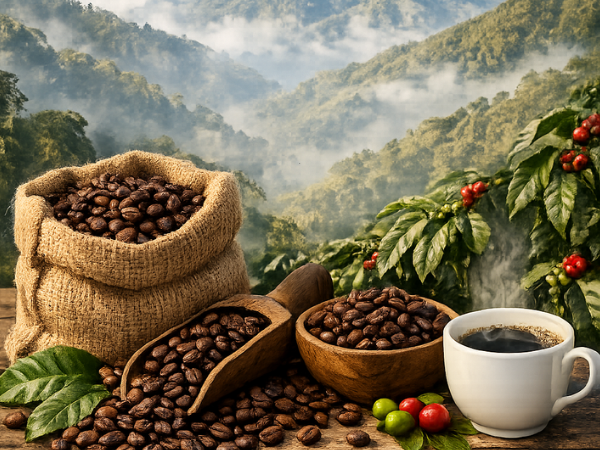
Jamaica – Blue Mountain Coffee
Blue Mountain Coffee is Jamaica’s most famous coffee, grown in the Blue Mountains at high altitudes.
Known for its mild flavor, smooth body, and lack of bitterness, it is considered one of the world’s premium coffees.
Defining features of Blue Mountain Coffee:
- High Altitude Growth – Cultivated at 3,000–5,500 feet.
- Mild Flavor – Smooth, balanced, with subtle sweetness.
- Premium Quality – Protected by certification standards.
- Global Reputation – Exported worldwide as luxury coffee.
- Cultural Pride – Symbol of Jamaica’s agricultural excellence.
Blue Mountain Coffee is not just a beverage but a national treasure. Its reputation for quality and flavor makes it one of the most celebrated coffees in the world, representing Jamaica’s pride and craftsmanship.
The Most Popular Coffee Beverages in South America
South America is one of the largest coffee-producing regions, and its people have developed unique ways of enjoying the beverage. Coffee here is often strong, sweet, and deeply tied to daily life.
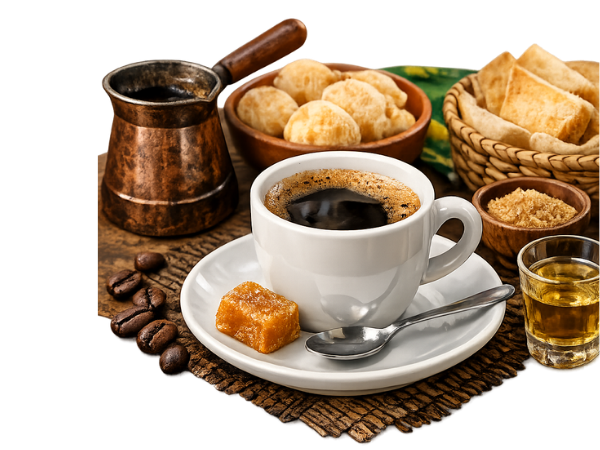
Brazil – Cafézinho
Cafézinho is Brazil’s national coffee tradition, a small, strong, and sweetened coffee served throughout the day.
The name literally means “little coffee,” and it reflects Brazil’s culture of hospitality, where offering a cafézinho is a gesture of welcome.
Defining features of Cafézinho:
- Small Serving – Typically served in tiny cups.
- Strong Brew – Concentrated flavor from finely ground beans.
- Sweetened Taste – Sugar added during brewing for balance.
- Hospitality Tradition – Offered to guests as a sign of welcome.
- Daily Ritual – Consumed multiple times a day.
Cafézinho is more than a beverage; it is a cultural symbol of warmth and friendliness. Its strong yet sweet flavor makes it a defining feature of Brazilian coffee culture.
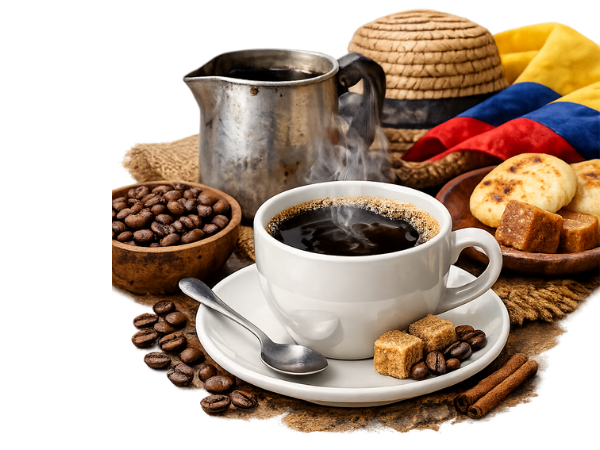
Colombia – Tinto
Tinto is Colombia’s everyday coffee, a simple black brew that is lightly sweetened.
Unlike espresso-based drinks, tinto is made with drip or stovetop methods, producing a lighter body.
Defining features of Tinto:
- Black Coffee Base – Brewed simply without milk.
- Light Sweetness – Sugar added for balance.
- Affordable Tradition – Accessible to all social classes.
- Daily Consumption – Enjoyed morning, afternoon, and evening.
- Cultural Identity – Symbol of Colombia’s coffee heritage.
Tinto reflects Colombia’s agricultural roots and social traditions. It is not about luxury but about accessibility, making it a true national drink.
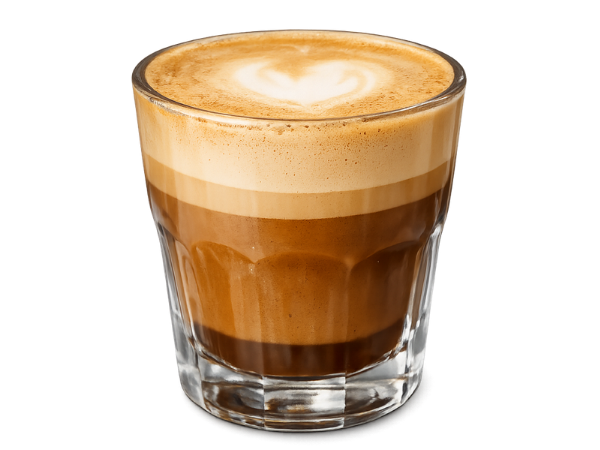
Argentina – Cortado
Cortado is Argentina’s signature coffee, made by “cutting” a shot of espresso with a small amount of warm milk.
The name comes from the Spanish word cortar, meaning “to cut.” This drink balances the intensity of espresso with the smoothness of milk, creating a harmonious flavor.
Defining features of Cortado:
- Espresso Base – Strong foundation for the drink.
- Milk Addition – Small amount added to soften bitterness.
- Balanced Flavor – Creamy yet bold.
- Serving Style – Typically served in small glasses.
- Cultural Role – Popular in cafés and social settings.
Cortado is a drink that represents Argentina’s love for balance and simplicity. It is widely enjoyed in cafés, making it a staple of Argentine coffee culture.
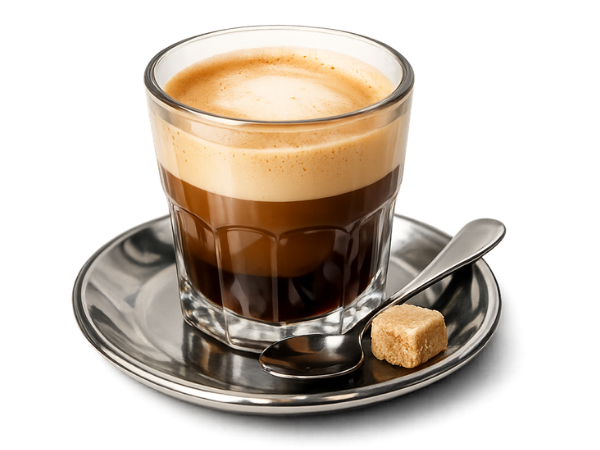
Chile – Café con Pierna
Café con Pierna, meaning “coffee with legs,” is a unique Chilean tradition.
It refers to coffee served in special cafés where waitresses present the drink in a distinctive cultural setting.
Defining features of Café con Pierna:
- Strong Coffee – Brewed with intensity.
- Serving Tradition – Offered in themed cafés.
- Cultural Identity – Reflects Chile’s urban café scene.
- Social Experience – Coffee paired with entertainment.
- Distinctive Atmosphere – Defines the uniqueness of the tradition.
Café con Pierna is less about the beverage itself and more about the cultural experience. It highlights Chile’s creative approach to coffee culture, blending social interaction with tradition.
Coffee Culture Across Asia: Popular Drinks by Region
Asia offers some of the most inventive coffee drinks, often blending coffee with tea, condensed milk, or unique preparation methods. These beverages highlight creativity and regional flavors.

Vietnam – Cà Phê Sữa Đá
Cà Phê Sữa Đá is Vietnam’s most famous coffee drink, known for its strong flavor and sweet creaminess.
It is made by brewing robusta coffee using a small metal drip filter called a phin, then mixing the concentrated coffee with sweetened condensed milk and serving it over ice.
Defining features of Cà Phê Sữa Đá:
- Robusta Coffee Base – Strong, bitter beans provide intensity.
- Phin Filter – Traditional drip method for slow brewing.
- Condensed Milk – Adds sweetness and creamy texture.
- Iced Serving – Poured over ice for refreshment.
- Cultural Identity – Symbol of Vietnam’s street café lifestyle.
Cà Phê Sữa Đá is more than a drink; it is a daily ritual in Vietnam. Its balance of strength and sweetness makes it beloved across the country and a defining feature of Vietnamese coffee culture.
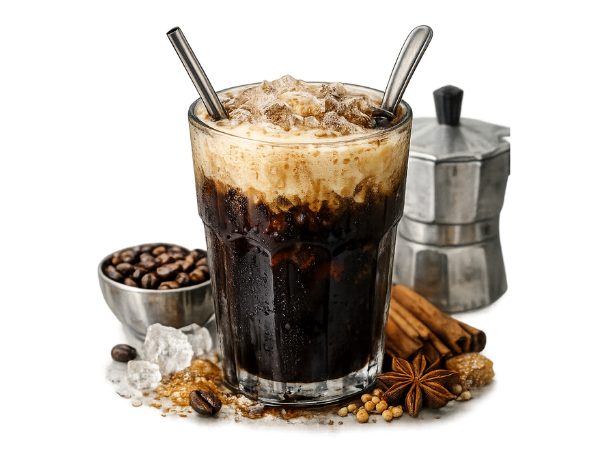
Thailand – Oliang
Oliang is Thailand’s traditional iced coffee, made by blending coffee with roasted grains such as corn, soybeans, or sesame seeds.
This mixture creates a unique flavor that is both smoky and nutty. Oliang is brewed using a cloth filter bag, then served over ice with sugar and sometimes condensed milk.
Defining features of Oliang:
- Coffee-Grain Blend – Coffee mixed with roasted grains for depth.
- Cloth Filter Brewing – Traditional brewing method using a muslin bag.
- Iced Serving – Always served cold for refreshment.
- Sweetened Flavor – Sugar or condensed milk added for balance.
- Cultural Identity – Popular in Thai street markets and cafés.
Its smoky, nutty profile makes it distinct from other iced coffees, symbolizing Thailand’s vibrant street food and beverage culture.
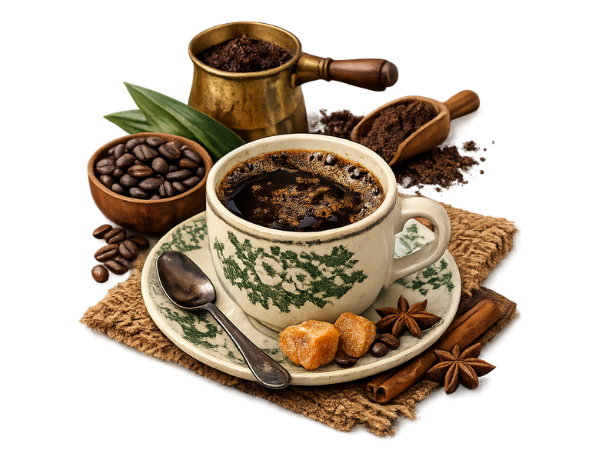
Indonesia – Kopi Tubruk
Kopi Tubruk is Indonesia’s traditional coffee, prepared by directly boiling coarse coffee grounds with sugar in water.
Unlike filtered coffee, the grounds remain in the cup, creating a strong and gritty drink.
Defining features of Kopi Tubruk:
- Boiled Grounds – Coffee brewed directly in water without filtering.
- Sugar Addition – Sweetened during brewing for balance.
- Strong Flavor – Bold, earthy, and unrefined taste.
- Serving Style – Grounds remain in the cup.
- Cultural Identity – Symbol of everyday Indonesian hospitality.
Its unfiltered preparation and bold taste make it a defining feature of Indonesia’s coffee culture, representing simplicity and tradition.
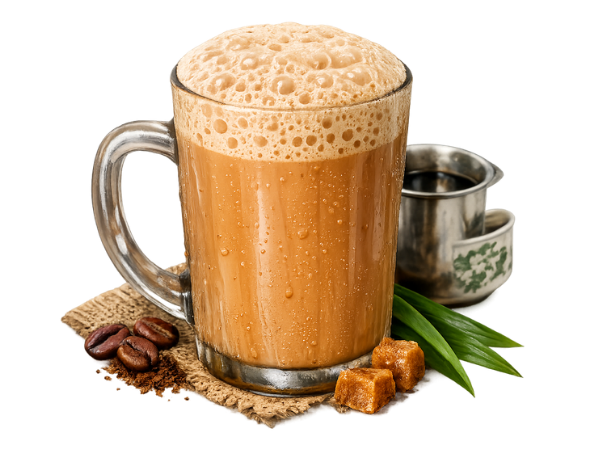
Malaysia – Kopi Tarik
Kopi Tarik, meaning “pulled coffee,” is Malaysia’s most iconic coffee drink.
It is made by pouring hot coffee mixed with condensed milk back and forth between two containers, creating a frothy texture and cooling the beverage slightly.
Defining features of Kopi Tarik:
- Pulled Technique – Coffee poured repeatedly to create froth.
- Condensed Milk – Adds sweetness and creaminess.
- Strong Coffee Base – Bold flavor balanced by milk.
- Street Vendor Tradition – Prepared theatrically in markets.
- Cultural Identity – Symbol of Malaysian hospitality and creativity.
Kopi Tarik is more than a drink; it is a performance. Its frothy texture and sweet flavor make it a favorite across Malaysia, representing the lively and communal spirit of the country’s coffee culture.
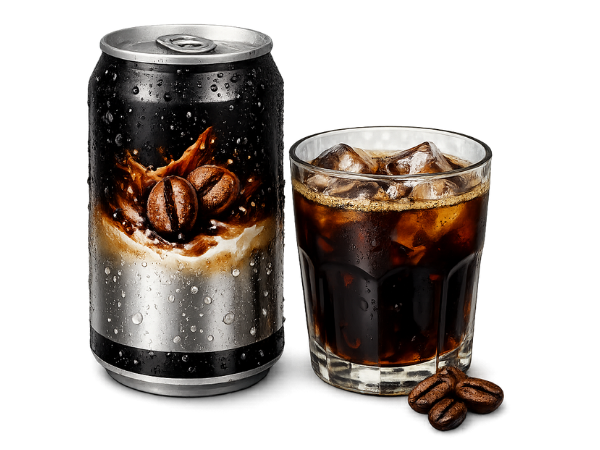
Japan – Kan Kohi
Kan Kohi, or canned coffee, is Japan’s unique contribution to global coffee culture.
Sold in vending machines and convenience stores, it reflects Japan’s emphasis on efficiency and accessibility.
Defining features of Kan Kohi:
- Canned Packaging – Coffee sold in aluminum cans.
- Vending Machine Culture – Widely available across Japan.
- Flavor Variety – Options include black, sweetened, and milk coffee.
- Convenience – Designed for on-the-go consumption.
- Cultural Identity – Reflects Japan’s fast-paced lifestyle.
Kan Kohi is not about ceremony but about practicality. It symbolizes Japan’s ability to adapt coffee culture to modern needs, making it a daily staple for millions.
China – Yuanyang
Yuanyang is a Hong Kong specialty that blends coffee with milk tea, creating a unique fusion of flavors.
The drink combines the bitterness of coffee with the smoothness of tea and milk, resulting in a balanced and refreshing beverage.
Defining features of Yuanyang:
- Coffee-Tea Blend – Equal parts coffee and milk tea.
- Milk Addition – Creates a creamy texture.
- Flavor Profile – Bitter coffee balanced by sweet tea.
- Serving Tradition – Enjoyed hot or iced in cafés.
- Cultural Identity – Symbol of Hong Kong’s fusion cuisine.
Yuanyang is a drink that embodies Hong Kong’s diversity. Its blend of East and West makes it a distinctive beverage that stands out in Asia’s coffee culture.
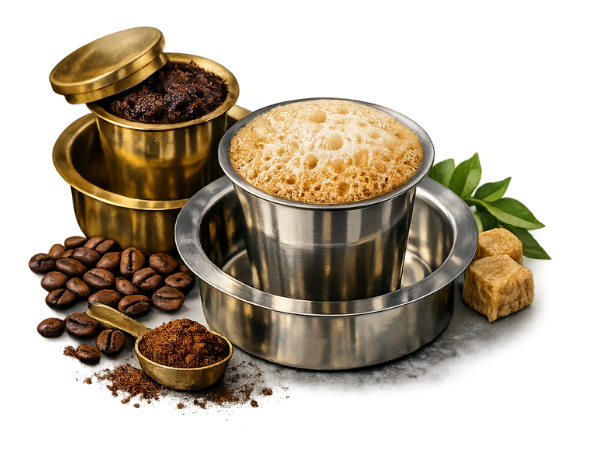
India – Indian Filter Coffee
Indian Filter Coffee, also known as Kaapi, is a traditional South Indian beverage made by brewing finely ground coffee with chicory in a metal filter.
The strong decoction is mixed with hot milk and sugar, then poured back and forth between two vessels to create froth.
Defining features of Indian Filter Coffee:
- Metal Filter Brewing – Produces strong coffee decoction.
- Chicory Blend – Adds depth and bitterness.
- Milk and Sugar – Balances strength with sweetness.
- Frothing Technique – Coffee poured between vessels for foam.
- Cultural Identity – Integral to South Indian hospitality.
Its frothy texture and rich flavor make it a defining feature of India’s coffee traditions, symbolizing warmth and community.
Oceania’s Coffee Specialties
Oceania has developed its own coffee identity, particularly in Australia and New Zealand, where café culture thrives. These countries are known for their smooth espresso-based drinks.

Australia – Flat White
The Flat White is Australia’s most iconic coffee drink, celebrated for its smooth texture and balanced flavor.
It is made with a shot of espresso topped with velvety microfoam milk, creating a creamy mouthfeel without overpowering the coffee.
Defining features of Flat White:
- Espresso Base – Strong foundation for flavor.
- Microfoam Milk – Steamed milk with fine bubbles for a silky texture.
- Balanced Ratio – Less milk than a latte, more coffee-forward.
- Serving Style – Typically served in ceramic cups.
- Cultural Identity – Symbol of Australia’s artisanal café scene.
Its smooth texture and bold flavor make it a defining drink of modern café culture, enjoyed across the country and now recognized worldwide.

New Zealand – Long Black
The Long Black is New Zealand’s signature coffee drink, similar to an Americano but with its own distinct preparation.
It is made by pouring a double shot of espresso over hot water, preserving the crema and delivering a strong, aromatic flavor.
Defining features of Long Black:
- Double Espresso – Provides intensity and depth.
- Hot Water Base – Espresso poured over water to retain crema.
- Flavor Profile – Strong, aromatic, less diluted than Americano.
- Serving Tradition – Common in cafés and households.
- Cultural Identity – Reflects New Zealand’s love for pure, unadulterated coffee.
Its strong flavor and simple preparation make it a staple of the country’s café culture, symbolizing clarity and quality.