
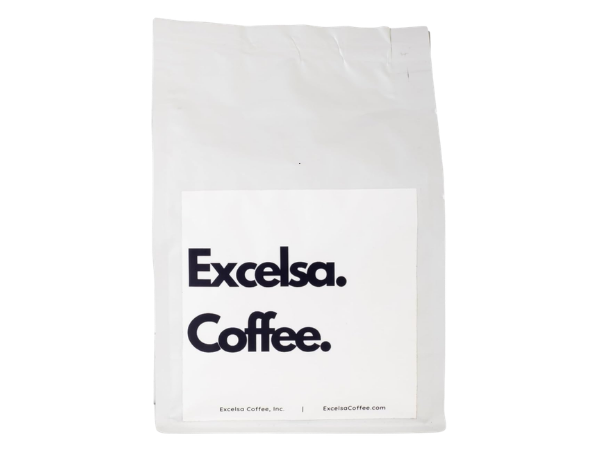
Excelsa Coffee Whole Bean
Caffeine
30–50 mg
Note: Caffeine amounts are based on standard brewed Excelsa whole bean coffee and can vary depending on roast level, grind size, and brewing method.
| Attribute | Value |
|---|---|
| Caffeine Level | Moderate |
| Serving Size | 8 fl oz |
| Serving Size (ml) | 240 ml |
| Caffeine | 30–50 mg |
| Calories | 2 kcal |
| Caffeine per floz | 4–6 mg/fl oz |
Unlike the widely consumed Arabica and Robusta beans, Excelsa offers a distinctive flavor profile and a smoother drinking experience.
What Is Excelsa Coffee and Why Is It So Rare?
Excelsa coffee belongs to the Coffea liberica family, but it stands apart due to its unique growing conditions and limited cultivation. Found primarily in Southeast Asia and parts of Africa, Excelsa trees grow tall and deep-rooted, making them more resilient to climate stress and pests.
- Rare species – Excelsa makes up less than 7% of global coffee production.
- Unique growth – Trees can reach 20–30 feet, unlike shorter Arabica plants.
- Distinct lineage – Though related to Liberica, Excelsa has its own flavor identity.
- Limited regions – Mainly cultivated in Southeast Asia, especially Vietnam and the Philippines.
- Consumer niche – Appeals to adventurous coffee drinkers seeking rare flavors.
Because of its rarity, Excelsa is often blended with other beans to enhance complexity, but pure Excelsa offers a one-of-a-kind experience.
How Much Caffeine Is in Excelsa Coffee?
Excelsa coffee contains less caffeine compared to Arabica and Robusta, making it ideal for those who want a gentler energy boost. While Arabica averages 1.2% caffeine and Robusta about 2.2%, Excelsa typically falls below 1%.
- Lower caffeine – Around 30–50 mg per 8 oz cup, compared to 95 mg in Arabica.
- Steady energy – Provides calm focus without spikes or crashes.
- Daily drinking – Suitable for people sensitive to caffeine.
- Comparison – Excelsa has about half the caffeine of Arabica.
- Health benefits – Reduced risk of jitters, insomnia, and digestive discomfort.
This makes Excelsa a perfect choice for those who want the ritual of coffee without the downsides of high caffeine intake. It’s especially appealing for afternoon or evening consumption.
Excelsa Coffee Flavor Profile: Tart, Fruity, and Smooth Notes
Excelsa coffee is celebrated for its complex flavor profile that blends tartness with fruity undertones. Unlike Arabica’s chocolate and nutty notes or Robusta’s earthy bitterness, Excelsa delivers a taste that is both refreshing and layered.
- Tart notes – Bright acidity balanced with smoothness.
- Fruity undertones – Hints of berries, tropical fruit, and citrus.
- Smooth body – Light mouthfeel, easy to drink.
- Medium roast – Enhances balance between acidity and sweetness.
- Unique experience – Distinct from mainstream coffee flavors.
This flavor makes Excelsa versatile for both hot and cold brewing methods. It appeals to those who enjoy adventurous, fruit-forward coffees.
How Excelsa Coffee Compares to Arabica and Robusta
Excelsa coffee occupies a fascinating niche in the coffee world, offering a flavor and caffeine profile that sets it apart from the two dominant species—Arabica and Robusta.
- Arabica – Smooth, sweet, higher caffeine than Excelsa.
- Robusta – Strong, bitter, highest caffeine content.
- Excelsa – Fruity, tart, lower caffeine, rare species.
- Flavor diversity – Excelsa adds complexity to blends.
- Digestive ease – Lower acidity compared to Arabica and Robusta.
Excelsa doesn’t compete directly with Arabica or Robusta but complements them. Specialty roasters often use Excelsa to enhance blends, adding a fruity brightness that balances Arabica’s sweetness and Robusta’s strength.
Low-Acid Benefits: Is Excelsa Coffee Easier on the Stomach?
One of Excelsa’s most appealing traits is its naturally lower acidity. This makes it gentler on digestion and suitable for people who experience discomfort with traditional coffee.
- Low acidity – Reduces risk of acid reflux and stomach irritation.
- Smooth drinking – Easier for sensitive coffee drinkers.
- Health benefits – Supports gut comfort and hydration.
- Daily use – Can be consumed multiple times a day.
- Alternative choice – Great option for those avoiding acidic coffees.
Excelsa’s low-acid nature doesn’t mean it lacks character. Instead, it delivers a refreshing tartness balanced with fruity undertones, making it both flavorful and stomach-friendly. For coffee lovers who have had to cut back due to acidity issues, Excelsa offers a way back into enjoying coffee daily.
Best Brewing Methods for Excelsa Whole Bean Coffee
Excelsa coffee’s tart, fruity notes and smooth body make it versatile across different brewing styles. Because it is naturally lower in caffeine and acidity, the brewing method you choose can highlight its unique qualities.
- Pour-over – Accentuates fruity brightness.
- French press – Enhances body and smoothness.
- Cold brew – Brings out tart, refreshing flavors.
- Espresso – Concentrated, layered taste.
- Drip machine – Convenient, balanced extraction.
Each method brings out different aspects of Excelsa’s character. Pour-over emphasizes clarity and fruitiness, while French press enhances smoothness. Cold brew is refreshing and gentle on the stomach, making it perfect for summer.
Roast Quality, Aroma, and Daily Drinking Experience
Excelsa coffee is most often roasted to a medium level, which preserves its tart, fruity notes while balancing acidity and smoothness. This roast profile allows the bean’s natural complexity to shine without overwhelming the drinker.
- Medium roast – Best balance of flavor and smoothness.
- Aromatic profile – Fruity, tart, refreshing scent.
- Daily drinking – Gentle caffeine makes it suitable for multiple cups.
- Flavor retention – Maintains complexity even after brewing.
- Lifestyle fit – Ideal for those who want coffee without overstimulation.
Excelsa’s roast quality and aroma make it a coffee that can be enjoyed throughout the day. Its lower caffeine content ensures steady energy, while the smooth body and refreshing flavor prevent palate fatigue.
Excelsa Coffee Farming and Sustainability
Excelsa coffee farming is not only about producing a rare bean but also about supporting long-term sustainability in the coffee industry. Unlike Arabica, which is vulnerable to pests and climate stress, Excelsa trees grow tall with deep roots, making them naturally resilient.
- Resilient trees – Excelsa trees can withstand heat, drought, and pests better than Arabica.
- Climate adaptation – Their ability to grow in harsher conditions makes them valuable for future farming.
- Lower chemical use – Reduced reliance on pesticides supports eco-friendly agriculture.
- Biodiversity support – Excelsa farms often coexist with other crops, enriching ecosystems.
- Farmer sustainability – Provides long-term income stability by diversifying coffee species.
Its resilience ensures that coffee production can continue even under climate stress, while its unique flavor profile adds diversity to the global coffee market.