
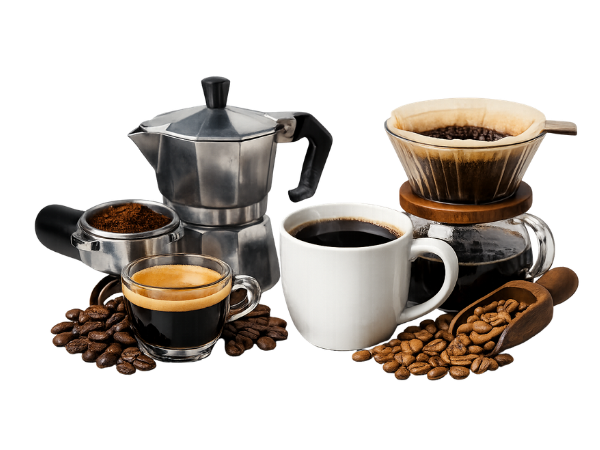
Espresso and filter coffee are two of the most popular brewing styles worldwide, each with its own loyal following. While espresso is known for its concentrated flavor and velvety crema, filter coffee emphasizes clarity, aroma, and a lighter body.
Espresso vs Filter Coffee: Key Differences Explained
Espresso is a concentrated shot created under high pressure, while filter coffee is brewed slowly, allowing water to extract flavors more gently. These differences affect not only taste but also caffeine levels, texture, and even cultural traditions.
- Brewing Pressure – Espresso requires 9 bars of pressure, while filter coffee relies on gravity or immersion.
- Serving Size – Espresso is typically 30ml, filter coffee ranges from 200–400ml.
- Flavor Intensity – Espresso is bold and concentrated; filter coffee is smooth and aromatic.
- Brewing Time – Espresso takes ~30 seconds, filter coffee can take 3–5 minutes.
- Texture – Espresso has crema and viscosity; filter coffee is clean and light.
These distinctions show why espresso is often chosen for quick, intense enjoyment, while filter coffee is preferred for slow sipping and appreciating subtle flavors.
Taste Comparison: Espresso vs Filter Coffee Flavor Profiles
Espresso is concentrated, bold, and layered with rich notes of chocolate, caramel, and roasted nuts. Filter coffee, on the other hand, is lighter, more aromatic, and often reveals delicate fruit or floral flavors that highlight the bean’s origin.
- Espresso Flavor – Bold, intense, with crema adding texture.
- Filter Coffee Flavor – Clean, aromatic, often highlighting origin-specific notes.
- Acidity – Filter coffee tends to have brighter acidity; espresso is more balanced.
- Sweetness – Espresso’s caramelized sugars create sweetness; filter coffee’s sweetness is lighter.
- Aftertaste – Espresso leaves a lingering finish; filter coffee fades smoothly.
In essence, espresso is for those who crave intensity and a quick flavor hit, while filter coffee is for those who enjoy exploring subtle notes over a longer drinking experience.
Best Coffee Beans for Espresso Brewing
Espresso brewing demands beans that can withstand high pressure and deliver a bold, balanced flavor profile. Unlike filter coffee, which emphasizes clarity, espresso requires depth, body, and crema. The choice of beans directly influences the taste, aroma, and mouthfeel of the shot.
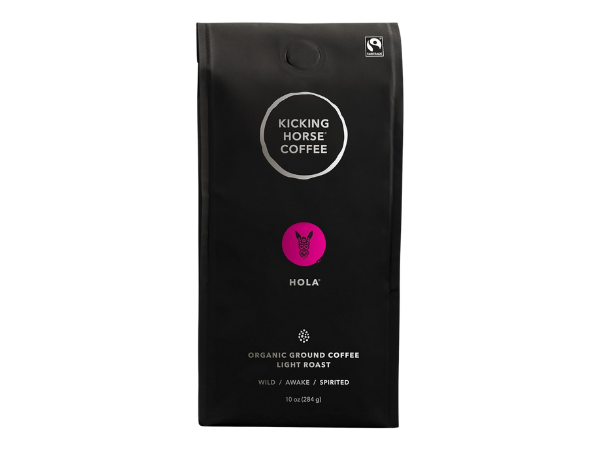
Kicking Horse Hola Light Roast
Sourced from high‑quality Arabica beans, this roast emphasizes citrus and floral notes, making it a refreshing choice for espresso lovers who want a lighter, more nuanced cup.
Defining features of Kicking Horse Hola Light Roast:
- Certified Organic & Fair‑Trade – Ethically sourced beans with eco‑friendly practices.
- Bright Flavor Profile – Notes of citrus, floral hints, and mild sweetness.
- 100% Arabica Beans – High‑quality beans for clean, complex taste.
- Versatile Brewing – Suitable for espresso, drip, or pour‑over.
- Canadian Roaster – Crafted in the Rocky Mountains with a focus on sustainability.
Hola offers a balance of brightness and smoothness, making it a great choice for those who want a light roast that still delivers depth and character.
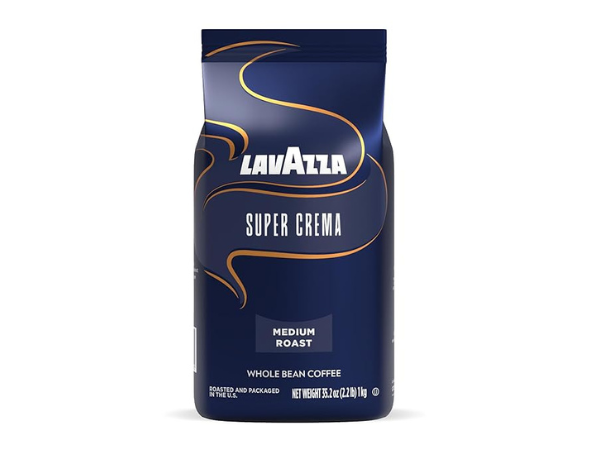
Lavazza Super Crema Whole Bean Coffee
Lavazza Super Crema is one of the most recognized espresso blends worldwide, especially for those who enjoy a smooth, balanced cup with velvety crema.
Defining features of Lavazza Super Crema:
- Roast Level: Medium espresso roast
- Blend: Arabica and Robusta beans from 15 countries
- Flavor Notes: Hazelnut, brown sugar, mild fruitiness
- Best For: Espresso machines, moka pots, and drip brewing
- Crema Quality: Thick, velvety, long‑lasting crema
The Robusta content enhances crema and body, while Arabica adds sweetness and aroma. It’s versatile enough for straight shots or milk‑based drinks like cappuccinos and lattes.
Best Coffee Beans for Filter Coffee
Light to medium roasts are preferred because they preserve acidity, fruitiness, and floral qualities. This makes filter coffee ideal for showcasing single-origin beans, where terroir and processing methods shine through.
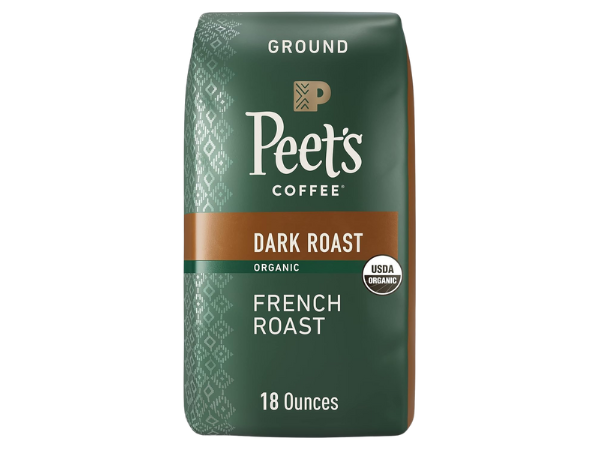
Peet’s Coffee French Roast
Peet’s Coffee French Roast is a bold, dark roast that has become a staple for fans of strong, smoky flavors. Known for its deep intensity, this blend is roasted to the edge of darkness, producing a cup that is powerful yet smooth.
Defining features of Peet’s French Roast:
- Dark Roast Profile – Intense, smoky, and full‑bodied.
- Rich Aroma – Notes of dark chocolate and toasted caramel.
- Smooth Finish – Bold flavor without bitterness.
- Versatile Brewing – Excellent for drip, pour‑over, and French press.
- Legacy Brand – Peet’s has been roasting since 1966, trusted by coffee lovers.
Its bold character makes it a favorite for morning brews, offering the kind of depth and richness that stands out in filter coffee.
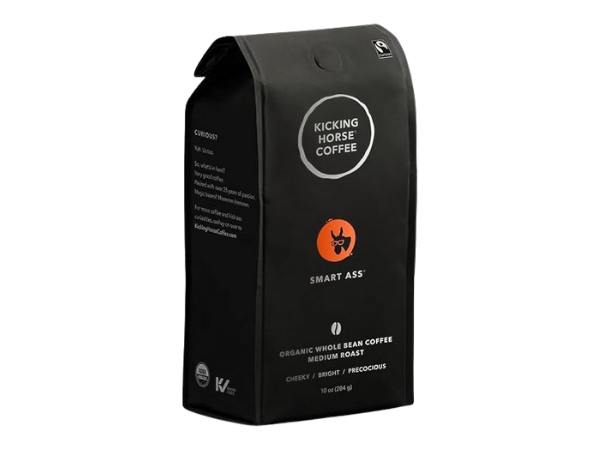
Kicking Horse Coffee – Smart Ass
Kicking Horse Coffee’s Smart Ass blend is a playful, medium roast option that emphasizes fruity sweetness and lively character. Certified organic and fair trade, it reflects the brand’s commitment to sustainability while delivering a cup that’s approachable yet distinctive.
Defining features of Smart Ass:
- Medium Roast Profile – Balanced acidity with smooth sweetness.
- Flavor Notes – Bright berry, milk chocolate, and a hint of honey.
- Organic & Fair Trade – Ethically sourced beans with eco‑friendly practices.
- Versatile Brewing – Excellent for drip, pour‑over, and French press.
- Canadian Roaster – Kicking Horse is a trusted brand with a loyal following.
Smart Ass is perfect for those who want a cheerful, fruit‑forward coffee that still maintains balance. It’s a crowd‑pleaser for filter brewing, offering a lively cup that pairs well with breakfast or afternoon breaks.
Caffeine Content: Which Has More — Espresso or Filter Coffee?
Caffeine levels in espresso and filter coffee are often misunderstood. Many assume espresso has more caffeine because of its strong taste, but the truth lies in serving size and extraction method. Espresso is highly concentrated, delivering a quick hit of caffeine in a small shot.
- Espresso Caffeine – ~63mg per 30ml shot.
- Filter Coffee Caffeine – ~120–200mg per 240ml cup.
- Serving Size Impact – Larger cups mean more caffeine intake.
- Robusta Beans – Higher caffeine than Arabica.
- Brewing Method – Longer extraction in filter coffee increases caffeine.
In summary, espresso provides a quick, intense caffeine boost, while filter coffee offers a larger dose spread across a longer drinking experience. The choice depends on whether you prefer a concentrated shot for energy or a bigger cup for sustained alertness.
Brewing Methods: Espresso Machines vs Filter Coffee Techniques
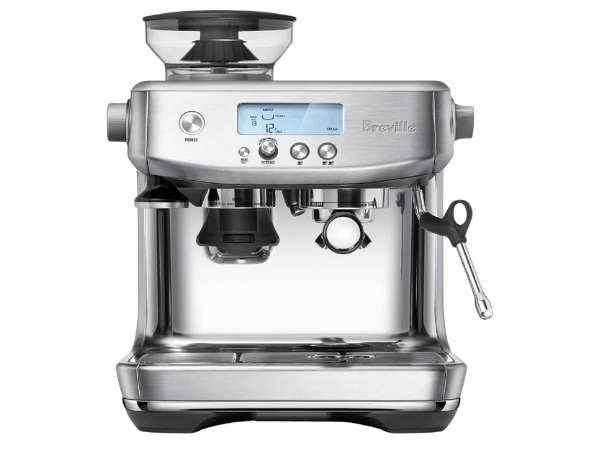
Brewing methods define the character of espresso and filter coffee, shaping everything from flavor intensity to texture. Espresso machines rely on precision and pressure, while filter coffee techniques emphasize patience and clarity.
- Espresso Machines – 9 bars of pressure, crema, fast brewing.
- French Press – Immersion, full-bodied flavor.
- Pour Over – Clean, aromatic, highlights clarity.
- Aeropress – Hybrid method, versatile.
- Cold Brew – Long steeping, smooth, low acidity.
Espresso machines are technical, requiring skill and precision, while filter methods allow more flexibility and experimentation. Espresso is ideal for those who want quick, concentrated coffee or milk-based drinks, while filter brewing suits those who enjoy exploring subtle flavors and larger servings.
Which Coffee Method Is Better for Everyday Drinking?
Choosing between espresso and filter coffee depends on lifestyle and taste. Espresso is quick, intense, and pairs well with milk. Filter coffee is slower, lighter, and ideal for savoring flavors.
- Espresso for Busy Mornings – Fast, concentrated energy boost.
- Filter Coffee for Relaxation – Longer brewing, nuanced flavors.
- Milk-Based Drinks – Espresso works best for cappuccinos and lattes.
- Black Coffee Lovers – Filter coffee suits those who enjoy pure flavors.
- Caffeine Needs – Filter coffee usually delivers more caffeine per serving.
Ultimately, espresso is perfect for quick energy, while filter coffee is better for slow enjoyment. Many coffee lovers enjoy both depending on the occasion.