
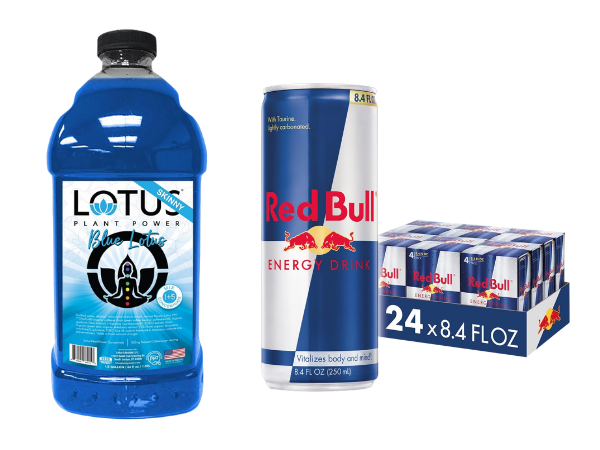
Lotus Energy and Red Bull are two very different energy drinks that appeal to distinct audiences. Red Bull is a global icon, known for its slim cans and association with extreme sports. Lotus Energy, on the other hand, is a plant‑based concentrate often used in cafés and customizable drinks.
Lotus Energy vs Red Bull: Quick Comparison
Lotus Energy is a syrup concentrate made from plant‑based caffeine sources, typically mixed with soda water or flavored syrups. Red Bull is a ready‑to‑drink canned beverage with a fixed formula.
- Lotus Energy – Plant‑based concentrate, customizable, often used in cafés.
- Red Bull – Pre‑packaged, globally recognized, consistent taste and formula.
- Serving Style – Lotus is mixed fresh; Red Bull is consumed directly from the can.
- Audience – Lotus appeals to café drinkers and health‑conscious consumers; Red Bull appeals to athletes, students, and busy professionals.
This quick comparison shows that Lotus Energy offers flexibility and natural appeal, while Red Bull provides convenience and brand recognition.
Key Difference #1: Caffeine Content and Energy Boost
Caffeine is the core of any energy drink, and here the two brands diverge significantly. Lotus Energy’s caffeine content depends on how much concentrate is used, typically ranging from 80–120 mg per serving. Red Bull contains about 80 mg of caffeine per 8.4 fl oz can, offering a standardized dose.
- Lotus Energy caffeine – Adjustable, plant‑based, often higher when mixed strong.
- Red Bull caffeine – Fixed at 80 mg per can, predictable and consistent.
- Energy Boost – Lotus can be tailored for stronger or lighter effects; Red Bull delivers a moderate, reliable boost.
- Duration – Lotus’s natural caffeine may feel smoother; Red Bull’s synthetic caffeine hits faster but fades quicker.
Ultimately, Lotus Energy provides flexibility for those who want control over their caffeine intake, while Red Bull offers a predictable jolt suitable for quick energy needs.
Key Difference #2: Ingredients and Functional Benefits
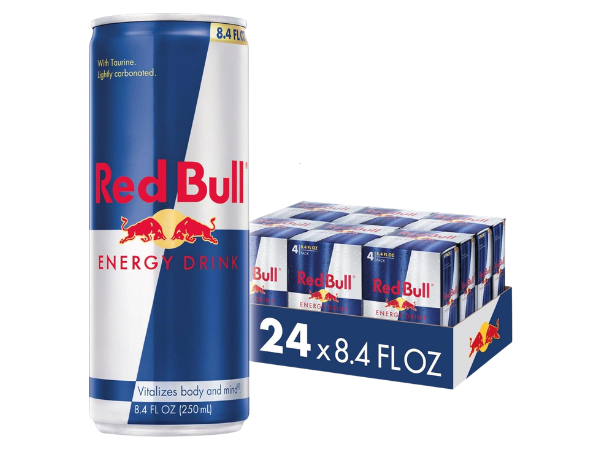
Lotus Energy emphasizes natural ingredients, including green coffee extract, botanicals, and fruit flavors. Red Bull relies on a formula of caffeine, taurine, B‑vitamins, and sugar.
- Lotus Energy ingredients – Plant‑based caffeine, botanicals, fruit extracts.
- Red Bull ingredients – Caffeine, taurine, sugar, B‑vitamins.
- Functional Benefits – Lotus promotes clean energy and hydration; Red Bull focuses on alertness and endurance.
- Perception – Lotus is marketed as “natural energy,” while Red Bull is positioned as a performance enhancer.
This difference highlights Lotus’s appeal to wellness‑oriented consumers, while Red Bull remains the go‑to for athletes and students needing fast stimulation.
Key Difference #3: Calories, Sugar, and Sweeteners
Calories and sugar content are critical for health‑conscious drinkers. Lotus Energy can be mixed with sugar‑free syrups or soda water, making it adaptable. Red Bull contains about 110 calories and 27 grams of sugar per can, though sugar‑free versions exist.
- Lotus Energy calories – Flexible, depends on mix; can be low‑calorie.
- Red Bull calories – Fixed at ~110 per can.
- Sugar Options – Lotus allows sugar‑free customization; Red Bull offers sugar‑free and zero versions.
- Sweeteners – Lotus often uses natural sweeteners; Red Bull sugar‑free uses artificial ones like aspartame.
Lotus Energy is more adaptable for those watching sugar intake, while Red Bull requires choosing between regular or sugar‑free versions.
Key Difference #4: Flavor Variety and Customization Options
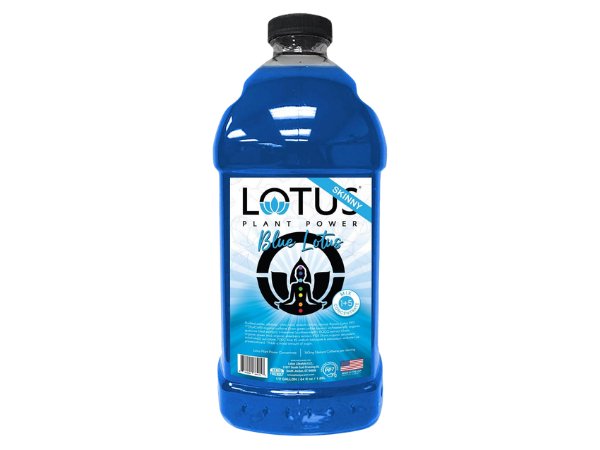
Flavor is where Lotus Energy shines. It comes in multiple concentrates like Blue Lotus, Pink Lotus, and Gold Lotus, which can be mixed with syrups, fruits, or soda water. Red Bull offers limited flavors such as Tropical, Watermelon, and Peach.
- Lotus Energy flavors – Wide range, customizable, café‑style mixes.
- Red Bull flavors – Limited seasonal editions, consistent taste.
- Customization – Lotus can be tailored endlessly; Red Bull is fixed.
- Consumer Experience – Lotus feels artisanal; Red Bull feels standardized.
Flavor variety makes Lotus Energy appealing to creative drinkers, while Red Bull’s consistency appeals to those who prefer a familiar taste.
Key Difference #5: Nutrition Facts and Vitamin Content
Nutrition is a critical factor when comparing Lotus Energy and Red Bull. While both drinks aim to provide an energy boost, they differ in how they deliver nutritional support. Lotus Energy emphasizes plant‑based extracts and antioxidants, while Red Bull focuses on functional vitamins and amino acids.
- Lotus Energy nutrition – Plant extracts, antioxidants, customizable nutrition.
- Red Bull nutrition – B‑vitamins (B6, B12, niacin, riboflavin).
- Health Appeal – Lotus markets itself as “clean energy”; Red Bull emphasizes functional vitamin support.
- Consumer Choice – Lotus appeals to wellness seekers; Red Bull appeals to those needing quick vitamin supplementation.
Lotus Energy appeals to consumers who value natural wellness and antioxidant support, while Red Bull is ideal for those seeking quick vitamin supplementation and endurance benefits.
Key Difference #6: Price, Availability, and Overall Value
Price and accessibility are major deciding factors when choosing between Lotus Energy and Red Bull. Red Bull is one of the most widely distributed energy drinks in the world, available in supermarkets, gas stations, vending machines, and convenience stores.
- Lotus Energy availability – Limited to cafés, online shops, specialty distributors.
- Red Bull availability – Global distribution, convenience stores, vending machines.
- Price – Lotus is often more expensive per serving; Red Bull is moderately priced.
- Value – Lotus offers customization; Red Bull offers accessibility.
In terms of value, Lotus Energy is ideal for those who want a personalized, artisanal energy drink experience, even if it costs more and requires preparation.
Key Difference #7: Who Is Each Energy Drink Best For?
Different lifestyles call for different energy drinks. Lotus Energy is best for health‑conscious individuals, café enthusiasts, and those who enjoy customization. Red Bull is best for athletes, students, and professionals needing quick, reliable energy.
- Lotus Energy audience – Wellness seekers, café drinkers, creative mixers.
- Red Bull audience – Athletes, students, busy professionals.
- Consumption Style – Lotus is mixed fresh; Red Bull is grab‑and‑go.
- Lifestyle Fit – Lotus fits wellness routines; Red Bull fits fast‑paced schedules.
In essence, Lotus Energy is best for those who see energy drinks as part of a broader lifestyle choice, emphasizing natural ingredients and creativity. Red Bull is best for people who prioritize speed, consistency, and availability.