
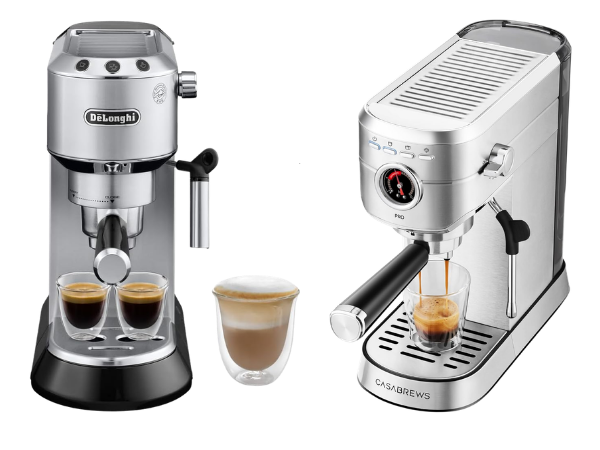
When comparing espresso machines, two names often stand out for home baristas seeking compact yet capable brewing: the De’Longhi Dedica and the CASABREWS Espresso Machine.
De’Longhi Dedica vs CASABREWS: Quick Comparison
The Dedica and CASABREWS machines share the same goal—delivering espresso without requiring a professional setup—but they approach it differently. The Dedica emphasizes slim design and Italian heritage, while CASABREWS focuses on affordability and beginner‑friendly usability.
Key highlights include:
- De’Longhi Dedica – Slim profile, pressurized portafilter, strong brand reputation.
- CASABREWS – Larger footprint, more accessories, budget‑friendly pricing.
- Brewing style – Dedica leans toward consistency, CASABREWS toward flexibility.
- Target audience – Dedica appeals to style‑conscious espresso lovers, CASABREWS to first‑time buyers.
Ultimately, both machines deliver espresso, but the choice depends on whether you value compact elegance or a fuller starter kit.
Difference #1: Design, Size, and Build Quality
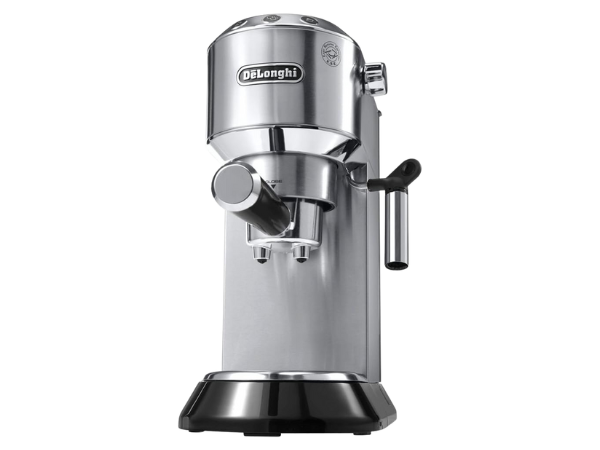
The De’Longhi Dedica is famous for its ultra‑slim design, measuring just 6 inches wide, making it ideal for small kitchens. In contrast, CASABREWS machines are bulkier, often around 12 inches wide, with a more utilitarian look.
Design comparison:
- Dedica Slim Build – Sleek, stainless steel, space‑saving.
- CASABREWS Bulkier Frame – Larger, practical, less stylish.
- Build quality – Dedica feels premium; CASABREWS prioritizes durability.
- Kitchen fit – Dedica suits tight spaces; CASABREWS suits larger countertops.
While Dedica appeals to those who want elegance and compactness, CASABREWS offers a more robust, beginner‑friendly design that trades aesthetics for practicality.
Difference #2: Espresso Brewing Performance
The Dedica showcases Italian engineering with a 15‑bar pump system, delivering consistent extraction and balanced espresso topped with rich crema. By contrast, CASABREWS uses a 20‑bar pump, which sounds more powerful but can produce uneven results due to less precise pressure regulation.
Performance breakdown:
- Dedica 15‑Bar Pump – Balanced extraction, reliable crema.
- CASABREWS 20‑Bar Pump – Stronger pressure, less consistency.
- Shot quality – Dedica favors smooth flavor; CASABREWS can be bolder but uneven.
- Consistency – Dedica excels in repeatability; CASABREWS requires practice.
For espresso purists, Dedica’s consistency is a major advantage. CASABREWS, however, offers more experimentation potential for beginners willing to adjust grind size and tamping technique.
Difference #3: Steam Wand and Milk Frothing
Milk frothing is essential for cappuccinos and lattes. The Dedica’s steam wand is semi‑professional, capable of producing microfoam with practice, though it requires skill. CASABREWS machines typically include a simpler frothing wand, easier for beginners but less capable of creating silky microfoam.
Steam wand comparison:
- Dedica Steam Wand – Produces café‑style microfoam, requires skill.
- CASABREWS Frother – Beginner‑friendly, thicker foam, less refinement.
- Latte art potential – Dedica supports it; CASABREWS struggles.
- Ease of use – CASABREWS wins for simplicity.
If you aspire to latte art and silky cappuccinos, Dedica is the better choice. CASABREWS is more forgiving for casual milk drinks but lacks finesse.
Difference #4: Ease of Use and Beginner-Friendly Features
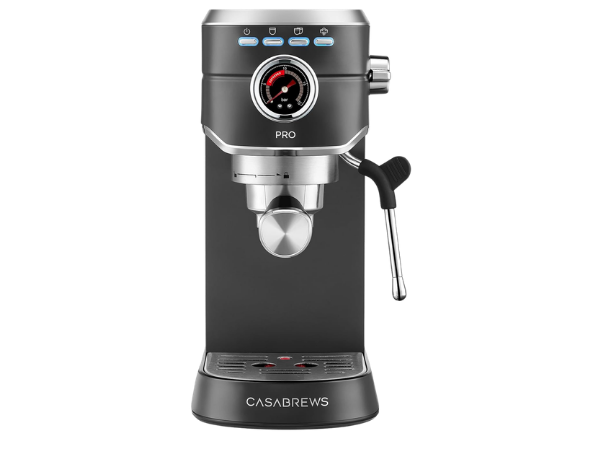
The Dedica offers programmable shot volumes and a learning curve suited for intermediate users. CASABREWS machines, on the other hand, are designed with beginners in mind, often including pressurized baskets, simple controls, and bundled accessories.
Ease of use highlights:
- Dedica Programmability – Customizable shot sizes, requires practice.
- CASABREWS Simplicity – Plug‑and‑play usability, beginner‑friendly.
- Learning curve – Dedica is steeper; CASABREWS is smoother.
- Target audience – Dedica suits enthusiasts; CASABREWS suits newcomers.
Dedica rewards patience and skill development, while CASABREWS prioritizes accessibility, making it ideal for first‑time espresso drinkers.
Difference #5: Water Tank Capacity, Maintenance, and Cleaning
The Dedica’s water tank holds about 35 oz, sufficient for daily use but requiring frequent refills for heavy drinkers. CASABREWS machines often feature larger tanks (50–60 oz), reducing refill frequency.
Tank and maintenance comparison:
- Dedica 35 oz Tank – Compact, requires frequent refills.
- CASABREWS Larger Tank – Extended capacity, fewer refills.
- Cleaning ease – CASABREWS removable parts help; Dedica is more traditional.
- Maintenance schedule – Both require descaling, but CASABREWS is slightly easier.
For households brewing multiple drinks daily, CASABREWS offers convenience. Dedica suits lighter use or smaller households.
Difference #6: Accessories, Filters, and Customization Options
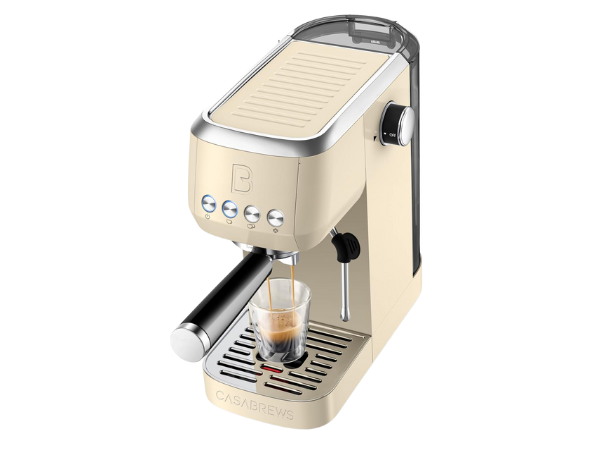
The Dedica is minimalist, offering only the essentials: a portafilter, pressurized baskets, and a basic plastic tamper. CASABREWS, however, takes the opposite route, bundling a generous starter kit that includes tampers, milk pitchers, multiple filter baskets, and sometimes even cleaning tools.
Accessory comparison:
- Dedica Basic Kit – Minimal accessories, encourages aftermarket upgrades.
- CASABREWS Starter Kit – Includes tampers, pitchers, filters.
- Customization – Dedica supports aftermarket mods; CASABREWS offers bundled variety.
- Value – CASABREWS provides more out of the box.
Dedica appeals to enthusiasts who enjoy upgrading gear, while CASABREWS caters to beginners who want everything included.
Difference #7: Price, Value, and Warranty
Dedica typically costs more, reflecting its premium build and brand reputation. CASABREWS machines are budget‑friendly, making them attractive for entry‑level buyers. Warranty coverage also differs: Dedica usually offers a 2‑year warranty, while CASABREWS provides shorter coverage.
Price and value comparison:
- Dedica Premium Price – Higher cost, longer warranty.
- CASABREWS Budget Value – Affordable, shorter warranty.
- Long‑term investment – Dedica suits serious espresso lovers.
- Entry‑level appeal – CASABREWS suits budget‑conscious buyers.
In practice, Dedica is a long‑term investment for those who want reliability and brand support, while CASABREWS offers immediate affordability and bundled extras.
Final Verdict: Should You Buy the De’Longhi Dedica or CASABREWS?
After weighing design, brewing performance, frothing ability, ease of use, and overall value, the choice between De’Longhi Dedica and CASABREWS comes down to your priorities as a home barista. The Dedica is a refined, compact machine built for consistency and long‑term reliability.
Verdict highlights:
- Dedica Strengths – Slim design, consistent espresso, premium build, longer warranty.
- CASABREWS Strengths – Affordable, beginner‑friendly, generous accessories, larger tank.
- Best for enthusiasts – Dedica suits those who want to refine technique and invest in upgrades.
- Best for beginners – CASABREWS suits newcomers seeking value and convenience.
In conclusion, if you want a stylish, compact machine that delivers reliable espresso and grows with your skills, the De’Longhi Dedica is the better investment. If you’re starting out, prefer a lower price, and want everything included from day one, CASABREWS is the smarter choice.