
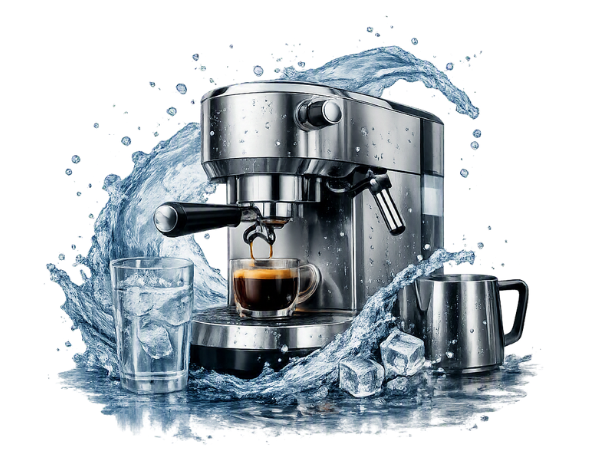
Espresso machines are designed to deliver concentrated coffee by forcing hot water through finely ground beans. While the focus is often on taste, crema, and brewing pressure, water consumption is an equally important factor.
Factors That Affect Espresso Machine Water Consumption
The amount of water an espresso machine consumes depends on several variables. These include the type of machine, brewing method, and additional features like steam wands or automatic cleaning systems.
- Machine Type – Single-serve, semi-automatic, and commercial machines all vary in water demand.
- Shot Size – A ristretto uses less water than a lungo or double shot.
- Steam Wand Use – Frothing milk requires additional water beyond brewing.
- Cleaning Cycles – Automatic rinsing and descaling increase total consumption.
- User Habits – Frequent flushing or rinsing adds to daily water usage.
A mindful approach to brewing and cleaning can significantly reduce waste without compromising espresso quality.
4 Low-Water Espresso Machines to Consider
These machines balance performance with sustainability, making them ideal for home users who want quality espresso without excessive water consumption. Choosing a low-water model also reduces utility costs and supports eco-friendly brewing practices.
De’Longhi Magnifica Evo
The De’Longhi Magnifica Evo is a fully automatic espresso machine designed for convenience and efficiency. With a water tank capacity of about 1.8 liters (60.9 oz), it can handle multiple drinks before needing a refill.
Defining features of De’Longhi Magnifica Evo:
- Large Water Tank – 1.8 L capacity supports multiple servings.
- Efficient Brewing – Uses only 30–60 ml per espresso shot.
- Automatic Operation – One-touch functionality for espresso, cappuccino, and latte.
- Integrated Grinder – Freshly grinds beans for each brew.
- Easy Maintenance – Designed with rinse cycles that balance cleaning with water efficiency.
This machine is ideal for families or frequent coffee drinkers who want a balance between capacity and sustainability.

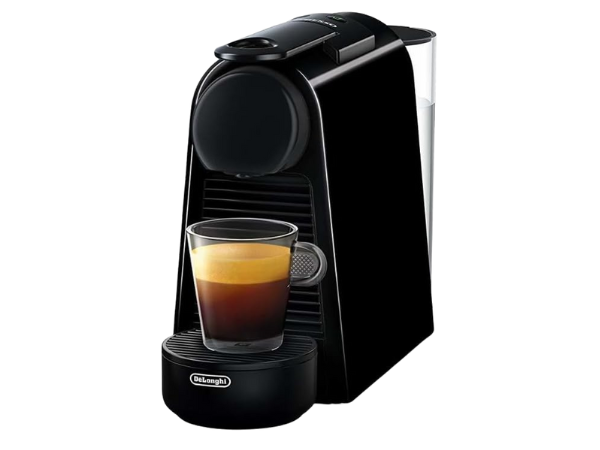
Nespresso Essenza Mini
The Nespresso Essenza Mini is one of the most compact capsule-based espresso machines available. With a 0.6 L water tank, it is designed for small kitchens or single users who value efficiency.
Defining features of Nespresso Essenza Mini:
- Compact Design – Small footprint ideal for limited counter space.
- Precise Dosing – Options for 25 ml, 40 ml, and 110 ml extractions.
- Small Water Tank – 0.6 L capacity reduces unnecessary water storage.
- Capsule System – Ensures consistent flavor and controlled water use.
- Energy Efficient – Quick heating and automatic shut-off save resources.
This machine is best suited for individuals who want quick, reliable espresso without the complexity of larger machines.
De’Longhi Stilosa
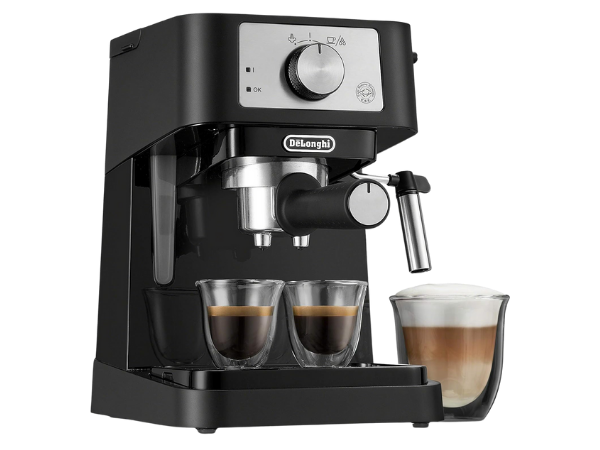
The De’Longhi Stilosa is a compact manual espresso machine designed for individuals who want control over their brewing process without excessive water usage. With a 1.0 L water tank, it provides enough capacity for several servings while remaining efficient.
Defining features of De’Longhi Stilosa:
- Compact Water Tank – 1.0 L capacity suitable for personal use.
- Manual Control – Users decide water flow for each shot.
- Classic Design – Simple, durable build with stainless steel accents.
- Steam Wand – Allows milk frothing with controlled water consumption.
- Affordable Option – Entry-level pricing with reliable performance.
Its manual operation ensures that water is used only when needed, reducing waste while giving the user full control over the brewing process.
Keurig K‑Mini
The Keurig K‑Mini is one of the most water-efficient pod-based coffee makers available. Unlike machines with large reservoirs, it uses only the water added for each brew, ranging from 6–12 oz per serving.
Defining features of Keurig K‑Mini:
- Single-Serve Efficiency – Uses exactly the water poured in.
- Adjustable Brew Size – Options between 6–12 oz servings.
- Slim Profile – Less than 5 inches wide, ideal for tight spaces.
- Energy Saving – Auto shut-off after brewing.
- Easy Operation – One-button system for quick coffee.
By using only the water added per brew, it ensures efficiency and freshness, making it one of the most eco-friendly options in the Keurig lineup.

Average Water Usage of Espresso Machines
On average, espresso machines use between 30–60 ml of water per single shot, but total daily consumption is much higher when factoring in steaming and cleaning. Commercial machines may use several liters per day, while home machines typically consume less.
- Single Shot – Around 30 ml.
- Double Shot – Around 60 ml.
- Steam Wand – Can add 100–200 ml per session.
- Cleaning Cycles – Automatic rinses may use 200–500 ml daily.
Understanding these averages helps users plan water usage more effectively. For cafés, tracking consumption ensures sustainability and cost control. For home brewers, awareness prevents unnecessary waste.
Single vs Double Shot Water Requirements
The difference between single and double shots lies not only in coffee strength but also in water usage. A single shot typically requires 30 ml, while a double shot uses 60 ml. However, variations exist depending on grind size, tamping pressure, and machine calibration.
- Single Shot – Standard 30 ml extraction.
- Double Shot – Standard 60 ml extraction.
- Ristretto – Uses less water for a concentrated flavor.
- Lungo – Uses more water for a longer, lighter coffee.
By understanding shot variations, users can control water consumption while tailoring flavor profiles. This knowledge is especially useful for cafés managing high-volume service.
How Much Water Does a Steam Wand Use?
Steam wands are essential for frothing milk, but they consume more water than many realize. Each steaming session requires water to generate steam, plus additional water for purging before and after use.
- Initial Purge – Removes condensation before steaming.
- Steaming Process – Converts water into steam for frothing milk.
- Post-Purge – Cleans the wand after use.
- Daily Use – Can add up to several hundred ml per day.
Managing steam wand usage is key to reducing waste. Simple practices like minimizing purges and steaming efficiently can save significant amounts of water over time.
Espresso Water Usage vs. Coffee Volume
Espresso machines use more water than the final coffee volume suggests. For example, a 30 ml shot may require 40–50 ml of water due to absorption by coffee grounds and machine retention.
- Ground Absorption – Coffee pucks retain part of the water.
- Machine Retention – Internal components hold residual water.
- Extraction Efficiency – Impacts how much water is converted into espresso.
- Waste Factors – Includes flushing and rinsing.
This discrepancy highlights why water tracking is important. The actual water used is always greater than the coffee volume produced, making efficiency strategies essential.
Tips to Reduce Water Waste in Espresso Preparation
Reducing water waste doesn’t mean compromising espresso quality. With mindful practices, users can brew efficiently while conserving resources.
- Use Measured Shots – Avoid over-extraction by sticking to standard volumes.
- Limit Purging – Only purge steam wands when necessary.
- Efficient Cleaning – Schedule rinses strategically instead of excessive flushing.
- Eco-Friendly Machines – Invest in models designed for low water usage.
- Monitor Usage – Track daily consumption to identify waste patterns.
By adopting these practices, both home brewers and cafés can reduce water waste, save money, and contribute to sustainability. Conscious brewing ensures that every drop of water is used effectively.