
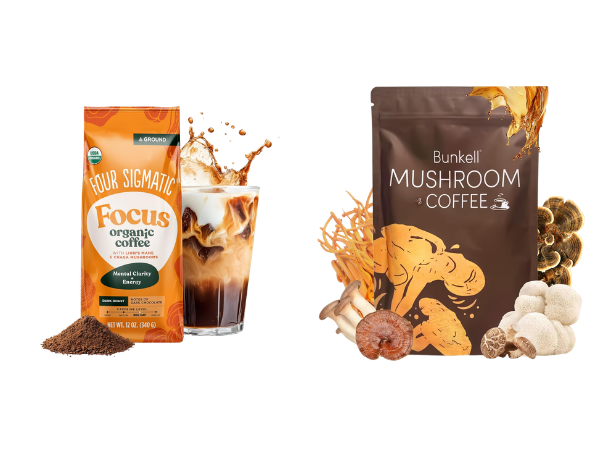
Mushroom coffee has become a wellness trend, promoted as a gentler alternative to traditional coffee with added functional benefits. Among the claims, one of the most intriguing is its supposed ability to support liver health.
What Is Mushroom Coffee and How Is It Made?
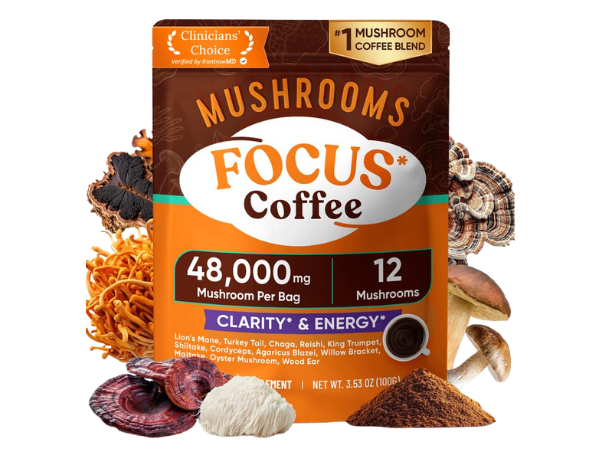
Mushroom coffee is a blend of regular coffee beans and powdered medicinal mushrooms. The idea is to combine the stimulating effects of caffeine with the adaptogenic properties of mushrooms. The process involves drying mushrooms such as Reishi, Chaga, Lion’s Mane, or Cordyceps, then grinding them into a fine powder that is mixed with roasted coffee.
- Coffee Base – Traditional roasted beans provide caffeine and flavor.
- Mushroom Extracts – Powdered mushrooms add bioactive compounds like polysaccharides and triterpenes.
- Preparation Methods – Available as instant mixes, ground blends, or capsules.
- Flavor Profile – Earthy, slightly bitter, with a smoother finish than regular coffee.
- Functional Appeal – Marketed as supporting immunity, focus, and stress reduction.
By combining two distinct traditions—coffee drinking and medicinal mushroom use—mushroom coffee aims to deliver both energy and wellness.
The Role of the Liver in Overall Health
The liver is one of the body’s most vital organs, responsible for detoxification, metabolism, and nutrient storage. It processes everything we consume, including caffeine and bioactive compounds from mushrooms.
- Detoxification – Filters toxins, drugs, and alcohol from the bloodstream.
- Metabolism – Breaks down fats, proteins, and carbohydrates for energy.
- Nutrient Storage – Stores vitamins, minerals, and glycogen.
- Immune Function – Produces proteins that support immune defense.
- Hormone Regulation – Helps balance hormones and cholesterol levels.
Because the liver is central to overall health, any food or drink claiming to support it must be evaluated carefully. Mushroom coffee’s potential lies in its antioxidant compounds, which may reduce oxidative stress—a key factor in liver damage.
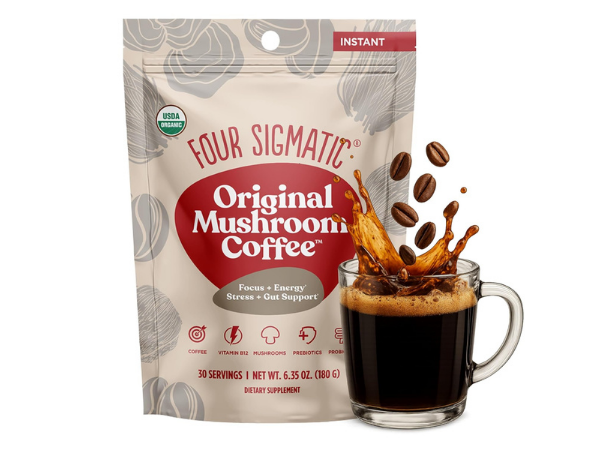
Mushroom Coffee vs. Regular Coffee: Key Differences
Regular coffee is known for its caffeine content and antioxidant properties, but mushroom coffee introduces additional compounds that may influence health differently.
- Caffeine Levels – Mushroom coffee often contains less caffeine, reducing strain on the liver.
- Antioxidants – Coffee provides chlorogenic acids, while mushrooms add polysaccharides and triterpenes.
- Digestive Impact – Mushrooms may reduce acidity, making mushroom coffee gentler on the stomach.
- Functional Benefits – Regular coffee boosts alertness; mushroom coffee is marketed for immunity and stress relief.
- Flavor Profile – Traditional coffee is bold and bitter; mushroom coffee is earthy and milder.
The reduced caffeine content may be beneficial for individuals sensitive to stimulants or those with liver conditions aggravated by excessive caffeine. However, the differences do not automatically translate into proven liver benefits.
Popular Mushrooms in Coffee Blends and Their Bioactive Compounds
Mushroom coffee blends typically feature medicinal fungi that have been studied for their functional properties. Each mushroom contributes unique compounds that may affect liver function, immunity, and overall wellness.
- Reishi (Ganoderma lucidum) – Contains triterpenes with anti-inflammatory properties.
- Chaga (Inonotus obliquus) – Rich in antioxidants that may reduce oxidative stress.
- Lion’s Mane (Hericium erinaceus) – Known for neuroprotective compounds, less studied for liver effects.
- Cordyceps (Cordyceps militaris) – May improve energy metabolism and oxygen utilization.
- Turkey Tail (Trametes versicolor) – Contains polysaccharides that support immune function.
These mushrooms have been studied individually, often in traditional medicine contexts. Their compounds show promise in reducing inflammation and oxidative damage, both relevant to liver health.
Scientific Evidence: Do Mushrooms Benefit Liver Function?
Mushrooms have long been studied for their medicinal properties, and recent research highlights their potential role in supporting liver health. The liver, being central to detoxification and metabolism, is highly susceptible to oxidative stress and inflammation—two areas where mushrooms may offer protective effects.
Key Findings from Research:
- Antioxidant Effects – Mushroom-enriched diets have demonstrated antioxidant activity in liver mitochondria, which may slow the progression of non-alcoholic fatty liver disease (NAFLD). However, some studies also noted pro-apoptotic (cell death) effects, suggesting benefits may depend on dosage and context https://pmc.ncbi.nlm.nih.gov/articles/PMC6720908/.
- Polysaccharides – Fungal polysaccharides are being investigated as modulators of molecular pathways in liver health. They may reduce inflammation, regulate immune responses, and protect against fibrosis, though most evidence is preclinical .
- Hepatoprotective Activity – Mushroom extracts, including Reishi and Chaga, have shown hepatoprotective effects in animal models, reducing oxidative damage and improving liver enzyme profiles. These findings highlight mushrooms’ potential as functional foods for liver support .
The evidence suggests mushrooms may support liver resilience, but translating lab findings into real-world benefits requires human trials.
Potential Risks and Side Effects of Mushroom Coffee
Mushroom coffee blends are marketed as functional beverages, but like any supplement, they carry potential risks. While most people tolerate them well, side effects can occur, especially with high intake or sensitivity to certain mushroom compounds.
- Medication Interactions – Reishi and other mushrooms may interact with blood thinners.
- Allergic Reactions – Some individuals may be sensitive to mushroom compounds.
- Digestive Issues – High doses can cause stomach upset or diarrhea.
- Quality Concerns – Supplements vary in purity; contamination is possible.
- Overreliance – Using mushroom coffee as a “detox” substitute may neglect proven liver health practices.
Moderation is key. Mushroom coffee should complement a balanced diet, not replace medical advice or healthy lifestyle habits.
Can Mushroom Coffee Aid in Liver Detox? Separating Fact from Fiction
The term “detox” is often misused in marketing. The liver naturally detoxifies the body without needing special drinks.
- Myth – Mushroom coffee flushes toxins from the liver.
- Reality – Mushrooms may reduce oxidative stress, but they do not perform detoxification.
- Supporting Role – Antioxidants can help the liver function more efficiently.
- Lifestyle Factors – Alcohol reduction, healthy diet, and exercise remain the most effective liver support.
- Evidence Gap – No clinical proof that mushroom coffee enhances detox beyond normal liver function.
Mushroom coffee may contribute to overall wellness, but its role in liver detox is overstated. Consumers should view it as a functional beverage, not a medical solution.