
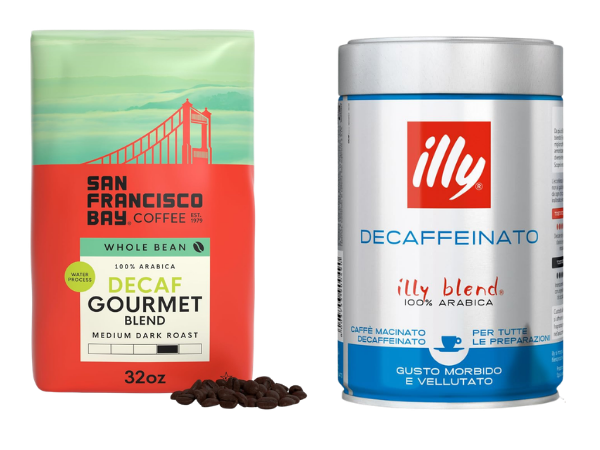
Coffee lovers often wonder how their favorite brew can be enjoyed without the stimulating effects of caffeine. Two popular methods dominate the decaf world: the Swiss Water Process and traditional chemical decaffeination.
What Is the Swiss Water Process?
The Swiss Water Process is a natural, chemical‑free method developed in the 1930s in Switzerland. It relies on pure water, temperature, and time to gently remove caffeine while preserving flavor compounds.
- Pure Water Extraction – Uses filtered water to dissolve caffeine molecules.
- Green Coffee Extract – A solution rich in coffee solubles that maintains flavor balance.
- Carbon Filtration – Removes caffeine while keeping essential oils intact.
- Temperature Control – Carefully managed to protect delicate flavor notes.
- Slow Process – Takes hours to ensure caffeine removal without flavor loss.
This method is prized for producing coffee that tastes remarkably similar to regular brews. It’s especially popular among specialty roasters who want to offer decaf without compromising quality.
How Traditional Decaf Coffee Is Made
Traditional decaf often uses chemical solvents like methylene chloride or ethyl acetate. These solvents bind to caffeine molecules and strip them from the beans. While effective, the process can affect flavor and raises concerns about chemical residues.
- Methylene Chloride Method – Commonly used, effective but controversial.
- Ethyl Acetate Method – Sometimes marketed as “natural” since it can be derived from fruit.
- Steam Pre‑Treatment – Opens bean pores for solvent penetration.
- Flavor Impact – Can dull brightness and complexity.
- Residue Concerns – Trace amounts of solvents may remain.
Despite strict safety standards, traditional decaf methods are less appealing to those seeking a clean, natural cup. They remain common because they are cost‑effective and widely available, especially in mass‑market coffee.
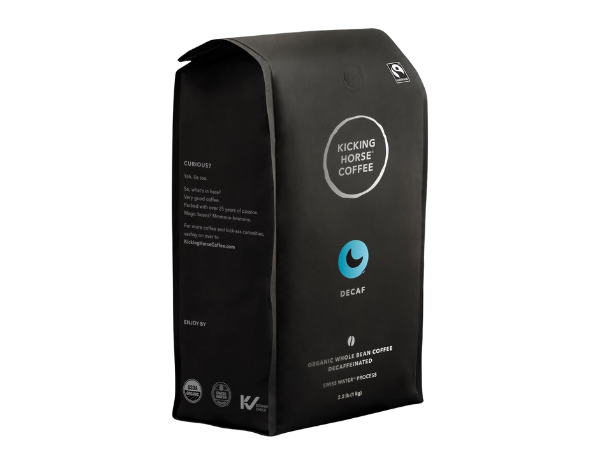
Swiss Water vs Chemical Decaf Methods
Comparing the two highlights clear differences in philosophy and outcome. Swiss Water emphasizes purity and flavor preservation, while chemical methods prioritize efficiency and cost.
- Chemical‑Free Process – Swiss Water avoids solvents entirely.
- Flavor Retention – Swiss Water maintains more nuanced taste.
- Cost Factor – Chemical methods are cheaper for mass production.
- Consumer Perception – Swiss Water is seen as premium.
- Environmental Impact – Water‑based methods are more eco‑friendly.
Ultimately, the choice depends on whether consumers value affordability or purity. Specialty coffee drinkers often lean toward Swiss Water for its clean profile.
Flavor Differences Between Swiss Water and Decaf
Flavor is the most noticeable distinction between Swiss Water decaf and traditional chemically processed decaf. Coffee lovers often find that Swiss Water retains more of the bean’s original character, while chemical methods can flatten the taste profile.
- Bright Notes – Preserved in Swiss Water beans.
- Body and Mouthfeel – Fuller in Swiss Water compared to chemical decaf.
- Aroma Retention – Water process keeps aromatic oils intact.
- Flavor Loss – Chemical methods can strip complexity.
- Consumer Taste Tests – Often favor Swiss Water for authenticity.
For coffee drinkers who value taste, Swiss Water decaf is often the superior choice. It delivers a cup that feels authentic, with nuanced flavors and aromas preserved.
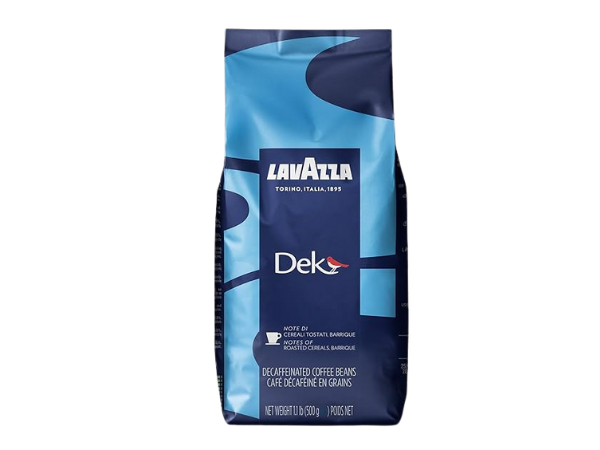
Health Benefits of Swiss Water Process Coffee
The Swiss Water Process is often chosen not only for taste but also for its health advantages. By avoiding chemical solvents, this method ensures a cleaner, safer cup of coffee.
- No Chemical Residues – Ensures a cleaner cup.
- Lower Acidity – Easier on sensitive stomachs.
- Antioxidant Retention – Maintains beneficial compounds.
- Safe for Sensitive Groups – Preferred by pregnant women or those avoiding chemicals.
- Eco‑Friendly Choice – Better for sustainability.
These benefits make Swiss Water decaf appealing to health‑conscious consumers who want to enjoy coffee without compromise. It offers peace of mind, knowing the cup is free from chemical residues while still delivering the rich taste and aroma of traditional coffee.
Is Swiss Water Coffee Truly Chemical‑Free?
Yes — the Swiss Water Process is entirely chemical‑free, relying only on pure water, carbon filtration, and carefully controlled temperature. Unlike traditional decaf methods that use solvents, Swiss Water ensures that no chemicals ever touch the beans.
- Strict Certification – Verified by independent testing.
- Transparency – Companies highlight chemical‑free claims.
- Consumer Trust – Builds loyalty among health‑conscious buyers.
- Marketing Advantage – Promoted as premium and natural.
- Global Adoption – Increasingly used by specialty roasters worldwide.
This assurance of purity sets Swiss Water apart in the decaf market. For consumers who value transparency and natural processing, it offers a trustworthy option that aligns with both health and sustainability goals.
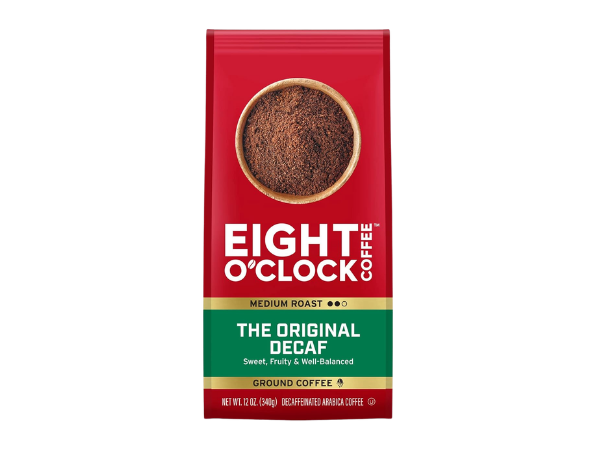
Caffeine Levels in Swiss Water vs Decaf
One of the most common misconceptions is that decaf coffee is completely caffeine‑free. In reality, both Swiss Water and traditional chemical methods remove about 97% of caffeine, but a small amount always remains.
- Residual Caffeine – Usually 2–3 mg per cup.
- Comparison to Regular Coffee – Regular coffee has 70–140 mg per cup.
- Safe Consumption – Suitable for most caffeine‑sensitive individuals.
- Labeling Standards – Regulated to ensure accuracy.
- Consumer Awareness – Important to know decaf isn’t caffeine‑free.
Both provide a low‑caffeine option, but Swiss Water stands out for its solvent‑free assurance, making it the preferred choice for health‑conscious coffee lovers who want peace of mind along with reduced caffeine.