
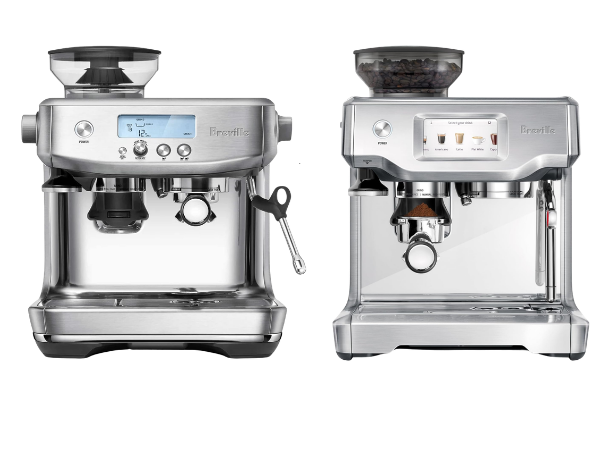
While they share core similarities such as the ThermoJet heating system, integrated conical burr grinder, and stainless-steel build, they differ significantly in usability, milk frothing technology, and interface design.
Breville Barista Pro vs Barista Touch: Key Differences Explained
The Barista Pro emphasizes speed and manual control, while the Barista Touch focuses on convenience and automation. Both machines heat up in just 3 seconds, but the way you interact with them is very different.
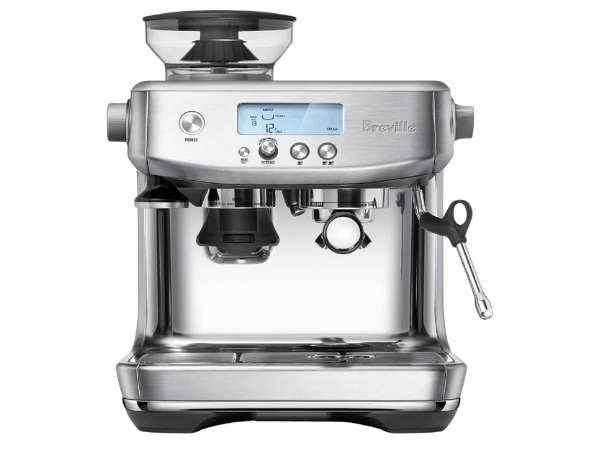
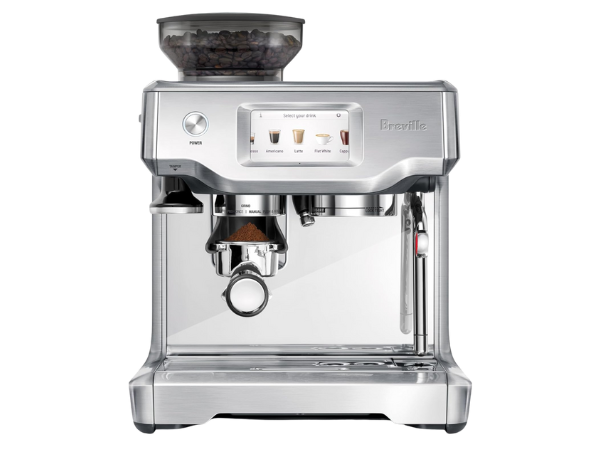
- Interface – Pro uses a simple LCD with buttons; Touch features a full-color touchscreen.
- Milk Frothing – Pro requires manual steaming; Touch offers automatic milk texturing.
- Customization – Touch allows saving up to 8 personalized drink profiles.
- Price – Pro is more affordable; Touch is positioned as a premium option.
In essence, the Pro is ideal for those who want to learn and experiment, while the Touch is perfect for those who want café-style drinks with minimal effort.
Design and Build Quality Comparison: Pro vs Touch
The Pro is slightly more compact and lighter, making it easier to move or fit into tighter spaces, while the Touch is heavier due to its integrated touchscreen and automatic frothing system, which adds stability but requires more counter space.
- Materials – Both use stainless steel for durability, but the Touch incorporates more plastic around the touchscreen interface.
- Dimensions – The Pro has a wider footprint but lower height, while the Touch is taller and sleeker.
- Weight – Touch is heavier, offering stability; Pro is lighter and easier to reposition.
- Interface Design – Pro: LCD with buttons; Touch: full-color touchscreen.
The Pro’s simpler build appeals to those who value durability and a classic espresso machine look, while the Touch’s modern design caters to users who want a stylish centerpiece with advanced technology.
Grinding Performance: Built-In Grinder Differences You Should Know
The grinder is one of the most critical components of any espresso machine, and both the Breville Barista Pro and Barista Touch come equipped with Breville’s integrated conical burr grinder.
- Grind Settings – Both machines offer 30 grind size adjustments, allowing you to dial in for espresso, ristretto, or even coarser grinds for specialty drinks.
- Dosing Control – The Pro requires manual timing and monitoring of grind output, while the Touch automates grind time and integrates it into saved drink profiles.
- Noise Levels – The Pro tends to be slightly quieter during grinding, while the Touch produces more mechanical noise due to its dosing automation.
The Pro is designed for those who enjoy experimenting with grind size and dose to perfect their espresso, while the Touch is built for convenience, ensuring consistent results without requiring constant adjustments.
Espresso Quality and Brewing Performance Compared
They share Breville’s ThermoJet heating technology, which reaches optimal temperature in just 3 seconds, and both use a 15-bar Italian pump to ensure proper pressure during extraction.
- Heating System – Both heat up in 3 seconds.
- Shot Control – Pro allows manual timing; Touch automates extraction.
- Consistency – Touch ensures repeatable results every time.
In practice, the Pro appeals to those who want to refine their technique and explore subtle flavor variations, while the Touch is designed for convenience, producing consistent espresso without the need for constant adjustments.
Milk Frothing and Automatic Texturing Features Breakdown
The Pro relies on a traditional manual steam wand, giving the user full control over frothing technique, while the Touch incorporates an automatic milk texturing system that adjusts temperature and foam density with precision.
- Manual Wand (Pro) – Requires skill and practice, allowing baristas to control texture, temperature, and foam density.
- Automatic Frothing (Touch) – Delivers consistent microfoam at the touch of a button, with adjustable settings for temperature and texture.
- Customization – The Touch allows saving milk preferences within drink profiles, while the Pro depends entirely on user technique.
These differences highlight the philosophy behind each machine. The Pro is designed for those who want to master the art of steaming milk and creating latte art, while the Touch is built for convenience, ensuring café-quality foam with minimal effort.
Ease of Use: Manual Controls vs Touchscreen Interface
The Barista Pro relies on a traditional LCD display paired with physical buttons and a dial, giving users manual control over grind size, shot timing, and steam pressure. This design appeals to those who enjoy the tactile feel of adjusting settings themselves.
- Controls – Pro: manual; Touch: touchscreen.
- Learning Curve – Pro requires practice; Touch is beginner-friendly.
- Customization – Touch allows saving drink profiles.
The Pro is designed for those who want to build skill and enjoy the process of crafting espresso manually, while the Touch is built for convenience, making it possible to brew café-style drinks with minimal effort.
Which Machine Is Better for Beginners and Home Baristas?
Beginners often appreciate the guided automation of the Barista Touch, which reduces the learning curve and ensures consistent results. Its touchscreen interface walks you through grind, brew, and milk frothing steps, making it easy to produce café-style drinks without prior barista skills.
- Beginners – The Touch provides one-touch recipes, automatic milk frothing, and customizable drink profiles, making it ideal for households with multiple coffee drinkers.
- Intermediate Users – The Pro allows experimentation with grind, dose, and extraction, helping users develop barista skills over time.
- Advanced Home Baristas – The Pro is more rewarding for those who enjoy fine-tuning every variable to achieve unique flavor profiles.
Ultimately, the Barista Touch is the better choice for beginners who want simplicity and reliability, while the Barista Pro is perfect for home baristas who enjoy hands-on control and the satisfaction of mastering espresso-making techniques.
Cleaning and Maintenance: What’s Easier to Manage?
The Pro, with its simpler design, is easier to maintain because it has fewer automated components. The Touch, while convenient in brewing, requires more attention due to its automatic milk frothing system, which needs regular cleaning to prevent buildup.
- Cleaning Alerts – Touch provides reminders; Pro requires manual tracking.
- Milk System – Touch’s automatic frother needs extra cleaning.
- Grinder – Both require occasional deep cleaning.
In practice, the Pro is easier to manage for those who prefer straightforward upkeep, while the Touch offers guided cleaning but demands more frequent attention due to its milk system.
Breville Barista Pro vs Barista Touch: Final Verdict and Recommendation
After exploring the differences in design, grinder performance, brewing quality, milk frothing, ease of use, and maintenance, it’s clear that the Breville Barista Pro and Barista Touch are aimed at two distinct types of home baristas.
- Barista Pro Strengths – Affordable, hands-on control, faster workflow with ThermoJet heating, ideal for skill-building.
- Barista Touch Strengths – Touchscreen interface, automatic milk texturing, customizable drink profiles, perfect for convenience and consistency.
- Best For – Pro: aspiring home baristas who enjoy learning; Touch: beginners or busy households who want café-style drinks quickly.
- Value Consideration – Pro offers better value for money if you’re willing to learn; Touch justifies its higher price with automation and ease of use.
In conclusion, the Barista Pro is the better option for those who want to grow into the role of a home barista, while the Barista Touch is ideal for anyone who values speed, simplicity, and consistency in their daily coffee ritual.