
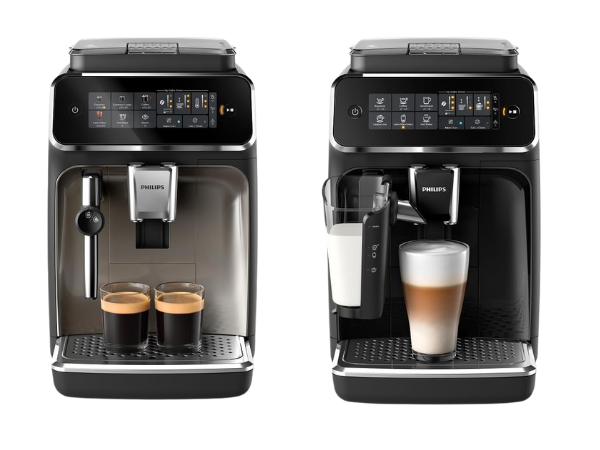
Philips has built a strong reputation in the fully automatic espresso machine market, and the 3200 and 3300 series are two of its most popular models. While they share many similarities, subtle differences in design, functionality, and customization can make one a better fit depending on your coffee preferences.
Philips 3200 vs 3300: Quick Overview of Both Models
The Philips 3200 and 3300 are both part of the LatteGo series, designed for convenience and consistent coffee quality. At first glance, they look similar, but the 3300 offers a few upgrades that enhance usability and drink variety.
- Philips 3200: Offers 5 drink options – espresso, coffee, cappuccino, latte macchiato, and hot water.
- Philips 3300: Expands to 6 drink options, adding Americano to the lineup.
- Both machines feature the LatteGo milk system for easy frothing and cleaning.
- Compact design suitable for most kitchens.
The differences may seem small, but for those who enjoy Americano or want more intuitive controls, the 3300 edges ahead.
Design & Build Quality: Compact vs Enhanced Features
Philips designed both models with durability and modern aesthetics in mind. The 3200 emphasizes compactness, while the 3300 introduces enhanced design elements for improved usability.
- Philips 3200: Sleek, minimalistic design with physical buttons.
- Philips 3300: Slightly larger footprint with refined finishes and improved ergonomics.
- Both machines use high-quality plastic and stainless steel components.
- Water tank capacity: 1.8 liters.
The 3300’s enhanced build quality makes it feel more premium, while the 3200’s compact design is ideal for smaller kitchens.
User Interface: Buttons vs Intuitive Touch Controls
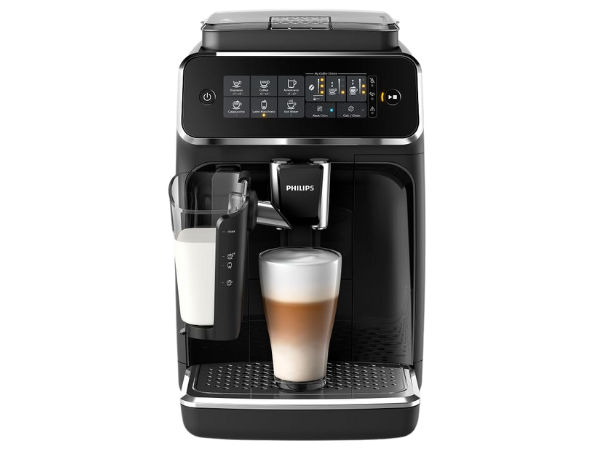
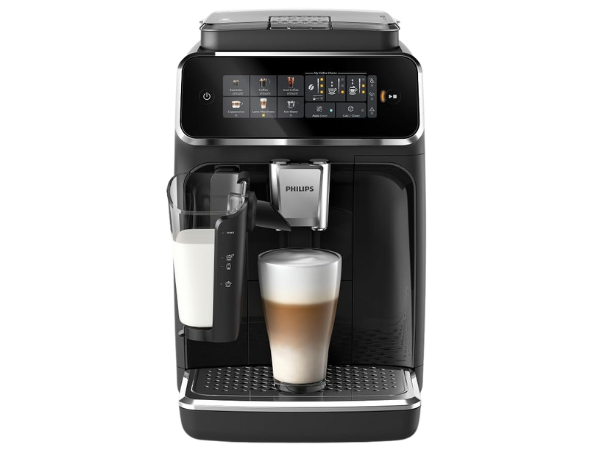
The user interface is one of the most noticeable differences between the two models. Philips 3200 relies on physical buttons, while the 3300 introduces touch controls.
- Philips 3200: Button-based interface with LED indicators.
- Philips 3300: Intuitive touch display for easier navigation.
- Both machines allow quick access to drink options.
- Clear icons ensure user-friendly operation.
The 3300’s touch controls provide a more modern experience, making customization easier. The 3200’s buttons, however, are straightforward and reliable, appealing to those who prefer tactile feedback.
Comparing the Two Interfaces
| Feature | Philips 3200 (Buttons) | Philips 3300 (Touch Controls) |
|---|---|---|
| User Interaction | Physical buttons with clicks | Touchscreen with taps and swipes |
| Ease of Use | Straightforward and reliable | More flexible and customizable |
| Feedback | Tactile and audible | Visual and responsive |
| Learning Curve | Minimal | Slightly higher due to menu navigation |
| Maintenance | Less sensitive to wear | Requires careful cleaning |
Both interfaces are designed to provide quick access to your favorite drinks, but your choice depends on whether you prioritize tactile reliability or modern flexibility.
Coffee Customization Options: Strength, Temperature & Volume
Coffee lovers often seek machines that allow them to fine‑tune every cup to match their personal taste. Both the Philips 3200 and 3300 deliver on this promise, but the 3300 takes customization a step further with more precise controls.
- Philips 3200: Offers adjustable coffee strength, brew temperature, and cup volume.
- Philips 3300: Provides more refined control, allowing users to fine‑tune drink settings with greater accuracy.
- User Profiles: Both models support multiple preferences, making them suitable for households with varied tastes.
- Grinder Settings: 12‑step ceramic grinder ensures optimal extraction for different bean types.
- Temperature Control: Options to brew hotter or cooler depending on flavor preference.
- Volume Adjustment: Customize cup size from a small espresso shot to a larger mug.
The Philips 3300’s enhanced customization makes it particularly appealing for families or offices where multiple people use the machine, each with unique preferences.
Milk Frothing System: LatteGo vs Classic Steam Wand
The LatteGo system, available on both the Philips 3200 and 3300, is celebrated for its simplicity, while certain versions of the 3200 also offer a classic steam wand for those who prefer a more hands‑on barista experience.
- Philips 3200: Offers flexibility with two options – LatteGo or a traditional steam wand, depending on the specific model purchased.
- Philips 3300: Exclusively features the LatteGo system, ensuring consistency and ease of use.
- LatteGo System: A two‑part, tube‑free design that is dishwasher‑safe, making cleaning effortless.
- Steam Wand: Allows manual frothing, giving users control over texture and temperature, but requires more skill and cleaning effort.
For buyers who prioritize convenience, the Philips 3300’s LatteGo‑only design is ideal, offering quick frothing and easy cleanup.
Brewing Performance: Espresso Quality & Consistency Compared
Philips has equipped these models with advanced brewing technology that ensures consistency, flavor balance, and speed. While the 3200 provides reliable results for everyday use, the 3300 introduces subtle refinements that enhance crema quality and flavor extraction.
- Philips 3200: Produces reliable espresso with balanced flavor and good crema.
- Philips 3300: Offers slightly improved consistency, richer crema, and smoother extraction.
- Pressure System: Both machines use a 15‑bar pump for optimal espresso brewing.
- Heating Speed: Fast heating technology minimizes wait time between cups.
- Flavor Balance: Designed to highlight bean characteristics without bitterness.
- Consistency: The 3300’s refinements reduce variation between brews, appealing to discerning drinkers.
For casual coffee lovers, the Philips 3200 delivers more than enough quality, producing espresso that is flavorful and satisfying.
Ease of Cleaning & Maintenance: Daily Use Made Simple
One of the most important aspects of owning a fully automatic espresso machine is how easy it is to keep clean. Philips designed both the 3200 and 3300 with daily usability in mind, ensuring that maintenance never becomes a burden.
- Philips 3200: Features a removable brew group, dishwasher‑safe parts, and a straightforward rinsing process.
- Philips 3300: Offers the same cleaning features but with slightly improved accessibility, making it easier to reach internal components.
- LatteGo System: Two‑part design with no hidden tubes, dishwasher‑safe, and quick to rinse.
- Automatic Alerts: Both models notify users when descaling or cleaning is required.
- Daily Upkeep: Simple rinsing process ensures hygiene and consistent flavor.
- Maintenance Effort: The 3300 reduces small inconveniences, appealing to busy households.
Overall, both machines are low‑maintenance compared to many competitors, but the Philips 3300 provides a slight edge in accessibility and convenience.
Price & Value for Money: Which Model Offers Better ROI?
Price is often the deciding factor. The 3200 is more affordable, while the 3300 commands a premium for its added features.
- Philips 3200: Lower price point, excellent value.
- Philips 3300: Higher cost, justified by extra drink option and touch controls.
- Both machines offer durable performance and long-term reliability.
For budget-conscious buyers, the 3200 is a smart choice. Those willing to invest more for convenience and versatility may find the 3300 worth the premium.
Final Verdict: Philips 3200 or 3300 – Best Choice for Smart Buyers
Choosing between the Philips 3200 and 3300 depends on your priorities. The 3200 is ideal for buyers seeking affordability and reliability, while the 3300 caters to those who value modern controls and expanded drink options.
Ultimately, both machines deliver excellent coffee quality and user-friendly operation. Smart buyers should weigh their preferences for customization, interface, and budget before making a decision.