
Philips has built a reputation for reliable, user‑friendly espresso machines, and the LatteGo series is a prime example. The Philips 3300 and 4400 models are designed for home baristas who want café‑style drinks without complicated manual steps.
Philips 3300 vs 4400: Overview and Key Differences
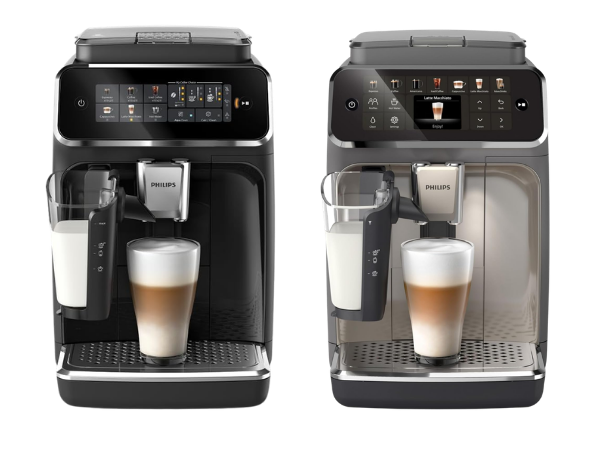
The Philips 3300 LatteGo is positioned as a mid‑range automatic espresso machine, offering six drink options and straightforward controls. The Philips 4400 LatteGo, on the other hand, expands the lineup with twelve beverages, a full‑color TFT touchscreen, and user profile storage.
- Philips 3300: 6 beverages, 3 aroma strength levels, button interface.
- Philips 4400: 12 beverages, 5 aroma strength levels, touchscreen, 2 user profiles.
- Shared Features: LatteGo milk system, ceramic grinder, automatic cleaning cycles.
The 4400 caters to households with multiple coffee drinkers who want personalized settings, while the 3300 is ideal for those who prefer simplicity and affordability.
Design and Build Quality Comparison
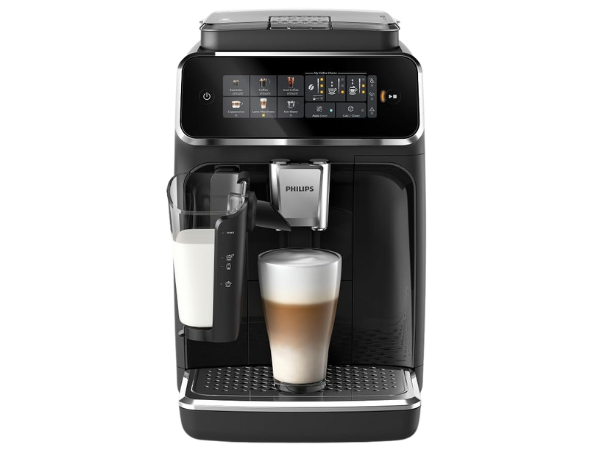
The 3300 emphasizes simplicity with a matte black exterior and tactile buttons, while the 4400 introduces a more premium look with a sleek TFT touchscreen and refined detailing.
Philips 3300 Design Highlights
- Matte black finish with physical buttons
- Compact footprint suitable for smaller kitchens
- Straightforward layout with clear icons
- Durable plastic housing and removable brew group
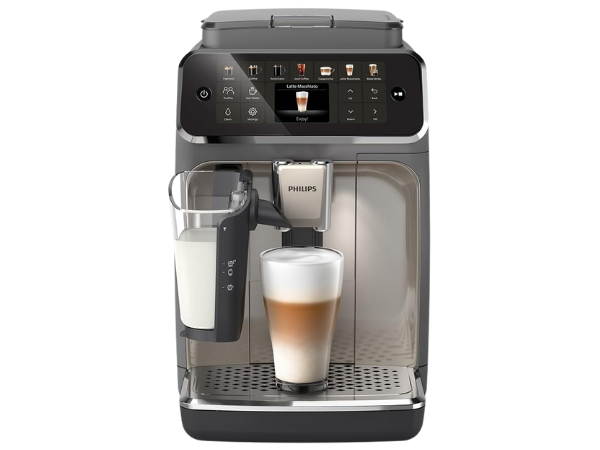
Philips 4400 Design Highlights
- Premium finish with TFT touchscreen interface
- Slightly larger footprint for added functionality
- Sleeker, modern design appealing to tech‑savvy users
- Enhanced usability with digital navigation
While both machines are sturdy and practical, the 4400 feels more refined and contemporary, appealing to households that value aesthetics and digital convenience.
Coffee Quality and Brewing Performance
Coffee quality is one of the most important aspects when comparing the Philips 3300 and Philips 4400 LatteGo machines. Both models use Philips’ Aroma Extract system, which balances water temperature and flow to ensure optimal flavor extraction.
Philips 3300 Brewing Highlights
- 3 aroma strength levels for basic customization
- Consistent espresso and cappuccino quality
- Reliable 15‑bar pressure system
- Fast heating for quick brewing
Philips 4400 Brewing Highlights
- 5 aroma strength levels for advanced control
- Expanded beverage menu with nuanced flavor options
- Same durable ceramic grinder with more flexibility
- Stable brewing temperature for consistent results
In practice, the 3300 is perfect for users who want dependable espresso without fuss, while the 4400 caters to those who enjoy experimenting with strength and flavor.
Milk Frothing System: LatteGo Features Compared
Philips’ LatteGo system is a highlight, offering a two‑part milk container that froths milk without tubes, making cleaning easier.
- Philips 3300: LatteGo system, suitable for cappuccinos and lattes.
- Philips 4400: Same LatteGo system, but with more drink presets like flat white and café au lait.
- Both: Dishwasher‑safe milk container, quick assembly.
The 4400’s broader drink menu enhances the LatteGo’s utility, while the 3300 keeps things simple with fewer milk‑based options.
Drink Options and Customization Settings
Drink variety is where the 4400 shines. It doubles the options compared to the 3300, appealing to adventurous coffee drinkers.
- Philips 3300: Espresso, coffee, cappuccino, latte macchiato, Americano, iced coffee.
- Philips 4400: Adds flat white, café au lait, hot milk, and more.
- Customization: 3300 offers basic adjustments; 4400 allows saving profiles.
For households with diverse preferences, the 4400 is clearly superior. The 3300 remains practical for users who stick to core drinks.
Ease of Use and User Interface Comparison
User experience differs significantly between the two models. The 3300 relies on physical buttons, while the 4400 integrates a modern touchscreen.
- Philips 3300: Simple button interface, intuitive icons.
- Philips 4400: Full‑color TFT touchscreen, customizable profiles.
- Both: Guided cleaning prompts, front‑accessible water tank.
The 4400’s interface feels more advanced and user‑friendly, especially for households with multiple users. The 3300’s simplicity may appeal to those who prefer tactile controls.
Cleaning and Maintenance: Which Is Easier to Maintain
Maintenance is crucial for longevity. Both machines feature automatic cleaning cycles and removable brew groups.
- Philips 3300: Easy cleaning, fewer electronic parts.
- Philips 4400: Similar cleaning system, but touchscreen may require careful handling.
- Both: Dishwasher‑safe LatteGo, removable brew group, descaling alerts.
The 3300 edges ahead in simplicity, while the 4400 balances convenience with advanced features.
Price and Value for Money: Which One Is Worth It
The 3300 is positioned as a mid‑range option, making it accessible to most households, while the 4400 commands a premium for its expanded drink menu, touchscreen interface, and user profile storage.
Philips 3300 Value Highlights
- Lower upfront cost compared to the 4400
- Provides six core beverages, covering most daily needs
- Durable ceramic grinder and LatteGo system included
- Strong balance of affordability and performance
Philips 4400 Value Highlights
- Higher price justified by 12 beverage options
- Touchscreen interface enhances usability and modern appeal
- User profiles allow multiple coffee drinkers to save preferences
- Greater customization for aroma strength and drink size
Ultimately, the Philips 3300 offers excellent value for budget‑conscious buyers who want dependable performance without unnecessary extras. The Philips 4400, while more expensive, is worth the investment for households with diverse coffee preferences or those who appreciate advanced customization.
Pros and Cons of Philips 3300 vs 4400
The 3300 is designed for simplicity and affordability, while the 4400 focuses on versatility and personalization. Understanding their pros and cons helps clarify which machine is the better fit for your daily routine.
Philips 3300 Pros
- Lower price point makes it budget‑friendly
- Straightforward button interface for easy operation
- Compact design suitable for smaller kitchens
- Reliable espresso and cappuccino quality
- Fewer electronic components, reducing potential maintenance issues
Philips 3300 Cons
- Limited to 6 drink options
- No user profile storage
- Less customization for aroma and strength
- More basic design compared to newer models
Philips 4400 Pros
- Offers 12 beverage options, including flat white and café au lait
- Full‑color TFT touchscreen for modern usability
- User profile storage for personalized settings
- Greater customization with 5 aroma strength levels
- Premium design with advanced interface
Philips 4400 Cons
- Higher price compared to the 3300
- Slightly larger footprint, requiring more counter space
- More complex interface may overwhelm casual users
- Touchscreen could be more prone to wear over time
In summary, the Philips 3300 is ideal for coffee lovers who want a reliable, affordable machine with essential features, while the Philips 4400 appeals to households seeking variety, customization, and a more premium experience.