
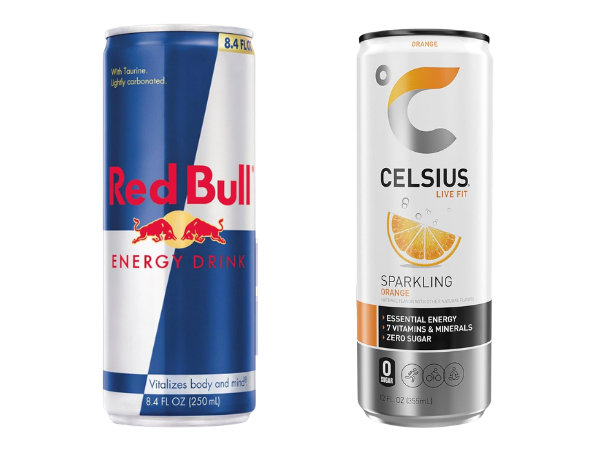
Energy drinks have become a staple for people seeking quick boosts of focus, stamina, and alertness. Among the most popular names are Celsius and Red Bull, two beverages that dominate shelves worldwide.
Celsius vs Red Bull: Quick Comparison
Celsius and Red Bull are often compared because they serve the same purpose—delivering energy quickly. However, their branding and formulas highlight different priorities. Celsius markets itself as a “fitness drink” with no artificial preservatives, while Red Bull emphasizes tradition and global recognition.
- Celsius – Known for being sugar‑free, low‑calorie, and infused with natural ingredients like green tea extract and ginger root.
- Red Bull – Famous for its taurine, caffeine, and sugar blend, offering a classic energy drink profile.
- Target Audience – Celsius appeals to health‑conscious consumers, while Red Bull attracts those seeking a quick, familiar energy boost.
Ultimately, both drinks serve different niches. Celsius positions itself as a lifestyle enhancer, while Red Bull remains the go‑to option for traditional energy drink fans.
Caffeine Content: Which Energy Drink Has More?
Caffeine is the backbone of any energy drink, and both Celsius and Red Bull rely on it to deliver stimulation. The difference lies in how much caffeine each provides and how it affects the body.
- Celsius Caffeine – A standard 12‑oz can contains about 200 mg of caffeine, sourced from natural ingredients like green tea and guarana.
- Red Bull Caffeine – A classic 8.4‑oz can contains 80 mg of caffeine, derived from synthetic sources.
- Comparison – Celsius offers more than double the caffeine per serving compared to Red Bull.
While Red Bull delivers a moderate dose suitable for casual drinkers, Celsius caters to those who want a stronger, fitness‑oriented boost. Choosing between them depends on tolerance and desired intensity.
Ingredients Compared: What’s Inside Each Drink?
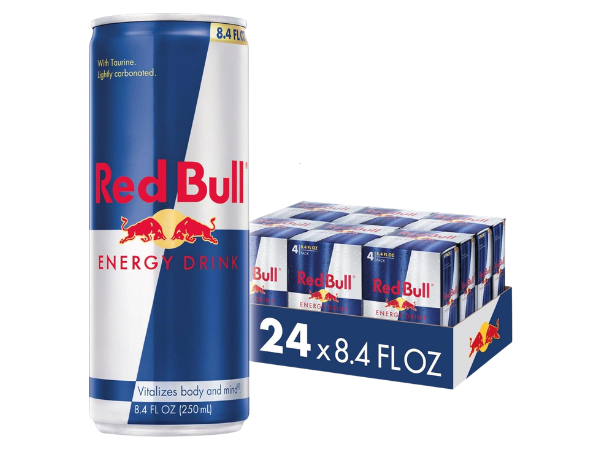
When analyzing Celsius and Red Bull, the ingredient list reveals the philosophy behind each brand. Celsius positions itself as a fitness‑oriented beverage, while Red Bull maintains its traditional formula that has been popular for decades.
- Celsius Ingredients – Green tea extract, guarana, ginger root, B‑vitamins, chromium, and sucralose (as a sweetener).
- Red Bull Ingredients – Caffeine, taurine, sugar, B‑vitamins, and carbonated water.
- Sweeteners – Celsius uses zero‑calorie sweeteners, while Red Bull relies on sugar unless you choose the sugar‑free version.
The contrast shows Celsius leaning toward wellness and fitness, while Red Bull maintains its traditional energy drink identity.
Nutrition Facts: Calories, Sugar, Carbs, and Vitamins
Nutrition is one of the most important aspects when comparing Celsius and Red Bull. While both drinks provide energy, their nutritional profiles differ greatly, especially in calories, sugar, and carbohydrate content.
- Celsius Nutrition – 10 calories, 0 g sugar, 2 g carbs, enriched with B‑vitamins and vitamin C.
- Red Bull Nutrition – 110 calories, 27 g sugar, 28 g carbs, fortified with B‑vitamins.
- Sugar Impact – Red Bull’s sugar content provides quick energy but risks crashes.
- Calorie Control – Celsius is ideal for calorie‑conscious individuals.
This nutritional breakdown highlights Celsius as the lighter option, while Red Bull delivers a traditional sugar‑based energy surge.
Flavor Options and Available Varieties
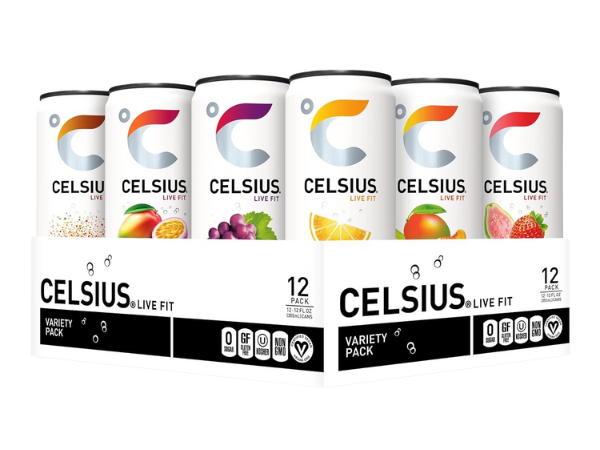
Flavor diversity is one of the strongest selling points for both Celsius and Red Bull. While they share the same category, their approaches to taste and product variety differ significantly.
- Celsius Flavors – Sparkling Orange, Peach Vibe, Tropical Vibe, Kiwi Guava, and many more.
- Red Bull Flavors – Original, Sugar‑Free, Red Edition (Cranberry), Blue Edition (Blueberry), Yellow Edition (Tropical).
- Variety Strategy – Celsius focuses on fruity, refreshing flavors, while Red Bull expands with limited editions and seasonal releases.
This comparison shows that Celsius offers a wide range of sugar‑free, fruity flavors designed for everyday fitness use, while Red Bull balances tradition with innovation through its editions.
Performance and Energy Benefits Compared
Beyond taste and nutrition, the real test of any energy drink lies in how effectively it delivers performance benefits. Celsius and Red Bull both promise increased alertness and stamina, but their approaches differ.
- Celsius Benefits – Promotes metabolism, supports fat burning, and provides sustained energy due to higher caffeine and natural extracts.
- Red Bull Benefits – Offers quick energy, improved alertness, and enhanced reaction time, especially useful for short bursts of focus.
- Duration – Celsius tends to last longer, while Red Bull provides a faster but shorter boost.
This comparison highlights that Celsius is better suited for sustained physical performance and fitness routines, while Red Bull excels in providing immediate mental stimulation and short‑term energy.
Which Energy Drink Is Healthier?
Health comparisons often favor Celsius due to its low calories, zero sugar, and natural extracts. Red Bull, while effective, carries higher sugar and calorie content, which may not align with long‑term wellness goals.
- Celsius Health Profile – Sugar‑free, low‑calorie, metabolism‑supporting ingredients.
- Red Bull Health Profile – High sugar, moderate caffeine, traditional energy formula.
- Best Choice – Celsius for fitness and health‑conscious individuals; Red Bull for those who prioritize taste and tradition.
- Considerations – Both drinks should be consumed in moderation, especially for those sensitive to caffeine.
In conclusion, Celsius is generally considered the healthier choice due to its sugar‑free, low‑calorie formula and natural extracts. Red Bull, however, remains a cultural icon and provides reliable short‑term energy.