
Protein bars have evolved far beyond simple workout snacks. Today, many brands infuse caffeine into their recipes, creating hybrid energy bars that deliver both muscle-repairing protein and a coffee-like boost.
What Are Caffeinated Protein Bars?
Caffeinated protein bars are functional snacks that combine two powerful elements: protein for muscle repair and caffeine for mental alertness. They are often marketed as alternatives to coffee or pre-workout drinks, appealing to people who want convenience without sacrificing nutrition.
Key traits include:
- Protein Base – Usually whey, soy, or plant-based protein to support recovery.
- Caffeine Source – Derived from coffee beans, green tea extract, or added caffeine.
- Balanced Nutrition – Often include fiber, healthy fats, and low sugar.
- Portable Energy – Designed for on-the-go consumption.
- Flavor Variety – Coffee-inspired flavors like mocha, latte, and espresso.
These bars are not just about energy; they represent a new category of functional food that merges performance nutrition with lifestyle convenience.
Top 10 Most Caffeinated Protein Bars (Ranked by Caffeine Content)
Caffeinated protein bars are not all created equal—some deliver a powerful jolt similar to a strong cup of coffee, while others provide a gentler lift paired with higher protein. Ranking them by caffeine content helps consumers choose the right bar for their energy needs.
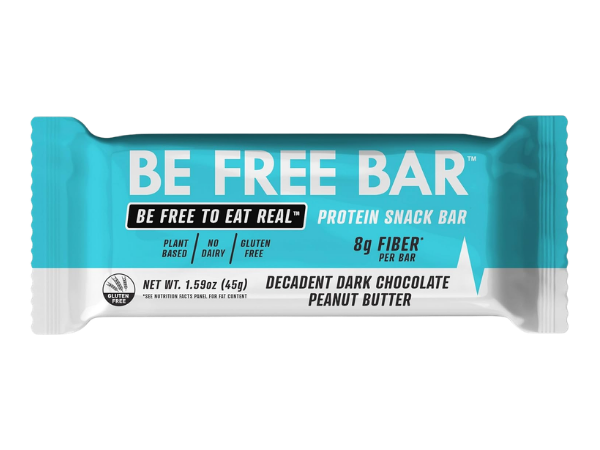
10. Be Free Bar Blondie Coffee
The Be Free Bar Blondie Coffee is a lighter option in the caffeinated protein bar category. With just 23 mg of caffeine, it delivers about one-quarter of the caffeine found in a typical cup of coffee.
- Protein Content: Moderate, designed for snack-level nutrition.
- Flavor Profile: Sweet blondie base infused with subtle coffee notes.
- Target Audience: Ideal for afternoon snacking or those who want steady energy without jitters.
- Unique Trait: Balances indulgent flavor with functional energy, appealing to dessert lovers who want a healthier alternative.
This bar demonstrates how caffeine can be integrated in smaller amounts, making it approachable for a wider audience.
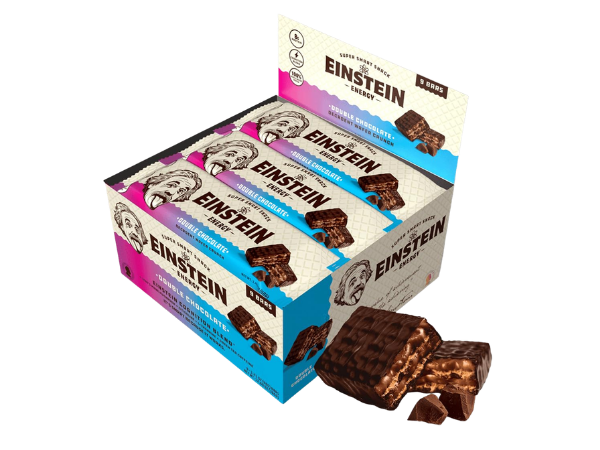
9. Einstein Energy Wafer Protein Bars
The Einstein Energy Wafer Protein Bar offers a middle ground between light and strong caffeine levels. With 45 mg of caffeine, it’s roughly equivalent to half a cup of coffee, making it a practical choice for steady focus.
- Protein Content: Designed to support light recovery and satiety.
- Texture: Wafer-style, offering a crisp bite compared to dense protein bars.
- Target Audience: Students, professionals, or travelers who want portable energy without overdoing caffeine.
- Unique Trait: Combines novelty wafer texture with functional energy, standing out in a crowded market.
This bar highlights how brands are diversifying formats—moving beyond chewy bars into wafer-style snacks that feel lighter yet still deliver functional benefits.
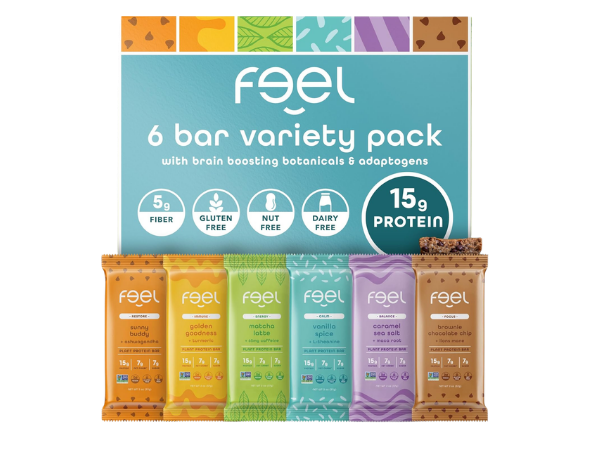
8. Feel Vegan Protein Bars
The Feel Vegan Protein Bar is a plant-based option that blends nutrition with a moderate caffeine boost. Each bar contains 65 mg of caffeine, roughly equal to a small cup of coffee, making it a practical choice for those who want steady energy without overstimulation.
- Protein Content: Typically around 15–20 g, sourced from pea and rice protein.
- Dietary Profile: 100% vegan, gluten-free, and often soy-free.
- Flavor Options: Espresso-inspired varieties that appeal to coffee lovers.
- Unique Trait: Designed for clean energy, combining natural caffeine with plant-based protein for sustainable performance.
This bar is particularly appealing to athletes and professionals who follow a vegan lifestyle but still want the functional benefits of caffeine.
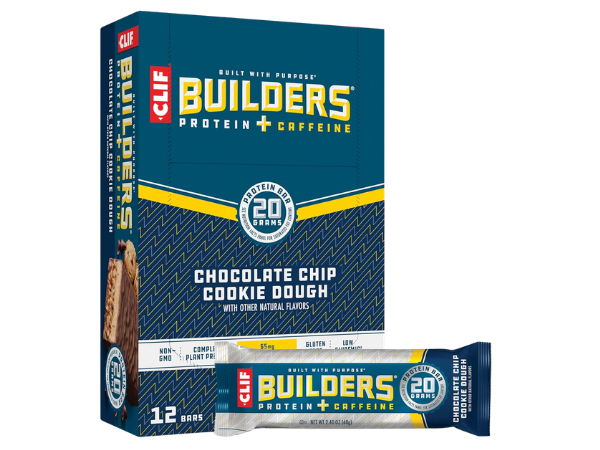
7. CLIF Builders + Caffeine – Variety Pack
The CLIF Builders + Caffeine Variety Pack is a high-protein bar infused with 65 mg of caffeine. Unlike lighter snack bars, CLIF Builders are dense and filling, making them ideal for post-workout recovery or meal replacement.
- Protein Content: 20 g per bar, supporting muscle repair and satiety.
- Caffeine Source: Derived from green tea extract for smoother energy release.
- Flavor Options: Chocolate Chip Cookie Dough, Vanilla Latte, and other coffee-inspired blends.
- Unique Trait: Combines the trusted CLIF Builders formula with added caffeine, appealing to athletes who want both recovery and alertness.
With its balance of caffeine and protein, it’s one of the most versatile options for fitness enthusiasts who need energy before or after training.
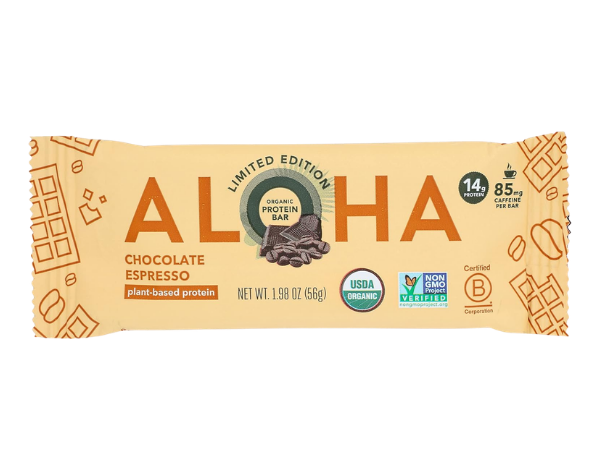
6. ALOHA Chocolate Espresso Protein Bar – Small Pack
The ALOHA Chocolate Espresso Protein Bar is one of the stronger options in the caffeinated protein bar category, delivering 85 mg of caffeine per bar.
- Protein Content: Around 14 g, sourced from organic plant-based ingredients.
- Dietary Profile: Vegan, gluten-free, soy-free, and USDA organic certified.
- Flavor Profile: Rich chocolate blended with espresso for a bold, coffeehouse-inspired taste.
- Unique Trait: Combines clean, organic nutrition with a strong caffeine dose, appealing to health-conscious consumers who still want performance energy.
This bar is particularly popular among people who want a balance of functional energy and clean ingredients.
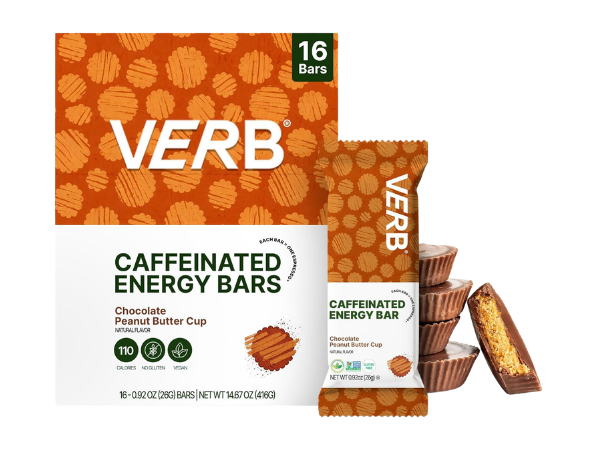
5. Verb Caffeinated Energy Bars
The Verb Energy Bar line is designed for portability and convenience, with each bar containing 80 mg of caffeine sourced from green tea. This makes them slightly less intense than ALOHA but still strong enough to replace a small coffee.
- Protein Content: About 10 g per bar, making them lighter than traditional protein bars.
- Dietary Profile: Vegan, gluten-free, and low in sugar.
- Flavor Options: Includes Vanilla Latte, Chocolate Chip Banana Bread, Salted Peanut Butter, and seasonal varieties.
- Unique Trait: Compact size (around 110 calories) makes them ideal for quick energy without feeling heavy.
Verb bars are especially appealing to students, professionals, and travelers who want a snack-sized energy boost.
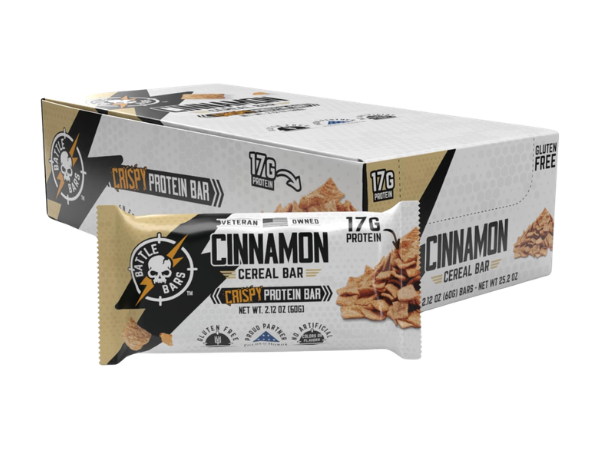
4. Battle Bars Crispy Protein Bar
The Battle Bars Crispy Protein Bar is one of the most powerful caffeinated protein bars available, delivering a hefty 100 mg of caffeine per serving. This puts it on par with a strong cup of coffee, making it a serious contender for those who want maximum energy in a portable format.
- Protein Content: Around 20 g, ideal for muscle recovery and satiety.
- Texture: Crispy, crunchy consistency that sets it apart from dense, chewy bars.
- Flavor Profile: Bold chocolate and coffee-inspired blends, often with military-themed branding.
- Unique Trait: Marketed as a performance bar for athletes, first responders, and military personnel, emphasizing endurance and strength.
This bar is designed for people who need high-intensity fuel—whether for workouts, long shifts, or demanding schedules.
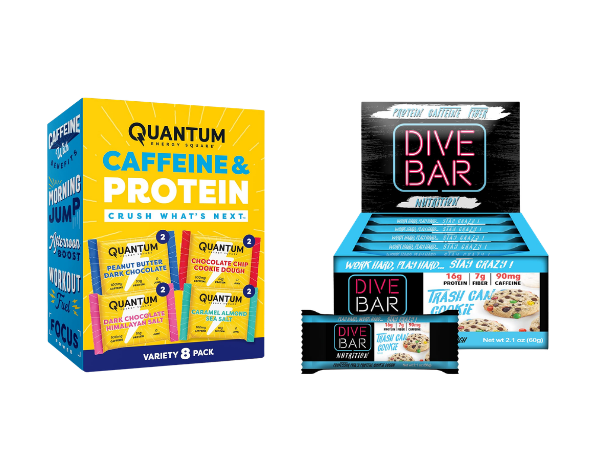
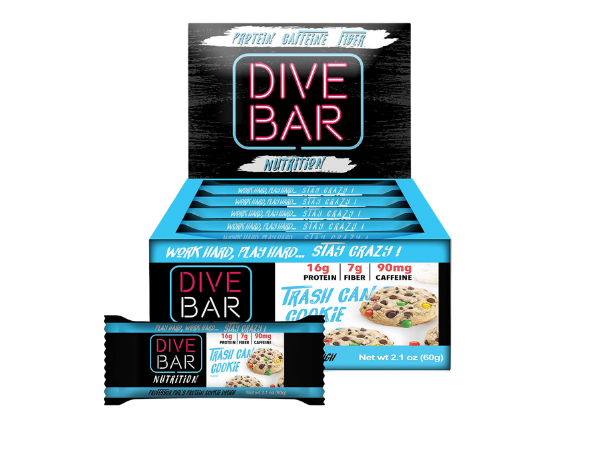
3. Dive Bar Nutrition Protein Bars
The Dive Bar Nutrition Protein Bar offers a slightly lower but still substantial 90 mg of caffeine, making it a strong option for those who want energy without hitting the 100 mg mark.
- Protein Content: Typically 12–15 g, balanced for both recovery and snacking.
- Flavor Options: Creative blends like Mocha, Peanut Butter, and seasonal varieties.
- Target Audience: Everyday athletes, students, and professionals looking for a functional snack.
- Unique Trait: Known for its quirky branding and emphasis on “real-world fuel,” appealing to people who want energy with personality.
Dive Bar Nutrition strikes a balance between performance and lifestyle appeal, offering strong caffeine content with approachable flavors and branding.
2. Quantum Energy Squares – Variety Espresso Pack
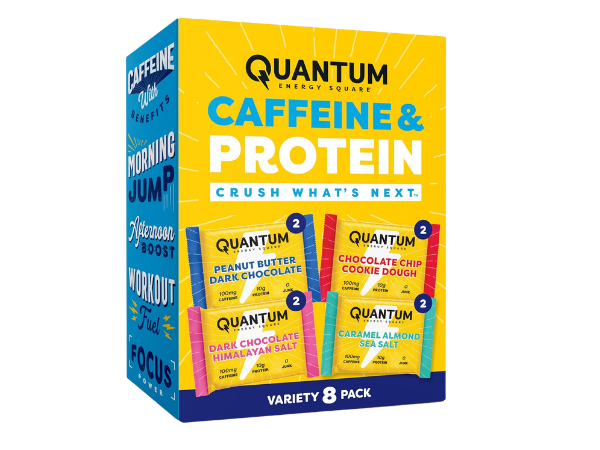
The Quantum Energy Squares Variety Espresso Pack is one of the most potent caffeinated protein bar options, delivering 100 mg of caffeine per bar. This puts it at the top tier of energy bars, offering the same caffeine punch as a strong cup of coffee.
- Protein Content: About 10 g per bar, balanced for energy and light recovery.
- Dietary Profile: Vegan, gluten-free, soy-free, designed for clean energy.
- Flavor Options: Espresso-inspired blends with dark chocolate, peanut butter, and fruit pairings.
- Unique Trait: Uses plant-based ingredients and natural caffeine sources, making it a healthier alternative to traditional energy bars.
This pack is ideal for those who want maximum alertness with steady release energy, especially before workouts, long study sessions, or demanding workdays.
1. Deadline Bar Caffeinated Energy Bar
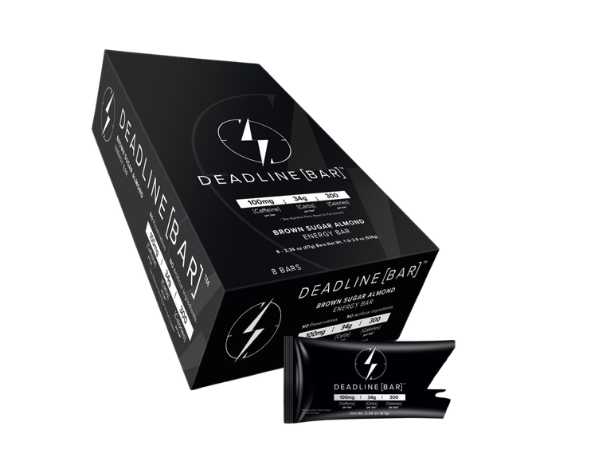
The Deadline Bar is another high-powered option, also delivering 100 mg of caffeine per bar. It’s designed for people who face tight schedules, long hours, or intense focus demands—hence the name “Deadline.”
- Protein Content: Typically 12–15 g, enough for satiety and light recovery.
- Flavor Profile: Coffeehouse-inspired blends with chocolate and nut undertones.
- Target Audience: Professionals, students, and creatives who need sharp focus under pressure.
- Unique Trait: Marketed as a productivity tool, combining caffeine with protein to help users push through deadlines without relying on coffee or energy drinks.
The Deadline Bar emphasizes mental performance and convenience, making it a strong choice for those who want both nutrition and a serious energy boost in one package.
Caffeine vs Protein: What to Look for in Energy Bars
Choosing the right caffeinated protein bar depends on your priorities. If you need maximum alertness, caffeine content should be the deciding factor. If recovery and satiety are more important, protein levels take precedence.
Factors to consider:
- High Caffeine (85–100 mg): Best for morning energy or pre-workout.
- Moderate Caffeine (65–80 mg): Ideal for steady focus without jitters.
- High Protein (18–20 g): Supports muscle repair and satiety.
- Low Sugar: Prevents energy crashes.
- Dietary Needs: Vegan, gluten-free, or soy-free options available.
Ultimately, the best bar balances both caffeine and protein. For example, Quantum Energy Squares excel in caffeine, while ONE Coffee Shop bars provide superior protein. Matching your choice to your lifestyle ensures maximum benefit.
Are Caffeinated Protein Bars Safe to Consume?
For most healthy adults, caffeinated protein bars are safe when consumed in moderation. The caffeine levels (65–100 mg) are comparable to a small to medium cup of coffee. However, combining multiple bars or pairing them with coffee can push intake beyond recommended limits.
Safety considerations:
- Daily Limit: Most health guidelines suggest keeping caffeine under 400 mg per day.
- Individual Sensitivity: Some people may experience jitters, insomnia, or rapid heartbeat.
- Timing: Avoid late-night consumption to prevent sleep disruption.
- Balanced Diet: Bars should supplement, not replace, whole foods.
- Hydration: Caffeine is mildly diuretic, so water intake is important.
When consumed responsibly, these bars are a convenient way to combine nutrition and energy. They are particularly useful for athletes, travelers, and professionals who need portable fuel.
When Is the Best Time to Eat a Caffeinated Protein Bar?
Timing plays a crucial role in maximizing the benefits of caffeinated protein bars. Eating them at the right moment can enhance both performance and focus.
Best times to consume:
- Morning Boost: As a coffee alternative for busy mornings.
- Pre-Workout: 30–60 minutes before exercise for energy and endurance.
- Midday Slump: To combat fatigue during work or study sessions.
- Travel & Commutes: Portable energy for long trips.
- Post-Workout (Moderate Caffeine Options): Supports recovery while preventing drowsiness.
Avoid consuming them late in the evening, as caffeine can interfere with sleep. Pairing them with water or a balanced meal enhances absorption and prevents digestive discomfort.