
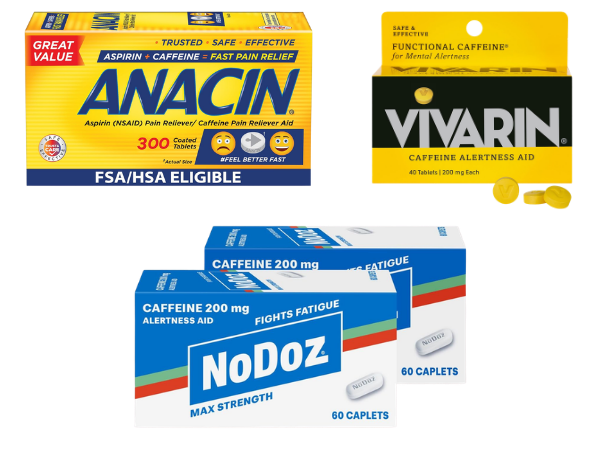
Caffeine is not only found in coffee, tea, or energy drinks—it is also present in several medications. Pharmaceutical companies often add caffeine to enhance pain relief, improve alertness, and counteract drowsiness caused by other active ingredients.
Why Some Medications Contain Caffeine
Caffeine is included in medications because it acts as an analgesic adjuvant, meaning it boosts the effectiveness of painkillers. It also stimulates the central nervous system, helping patients stay alert and reducing fatigue.
- Enhances pain relief by increasing absorption of analgesics.
- Speeds up onset of action for drugs like acetaminophen or aspirin.
- Counters sedation caused by antihistamines or other compounds.
- Provides mild mood elevation and improved focus.
By combining caffeine with other active ingredients, manufacturers create more effective treatments. However, patients should be aware that these hidden caffeine sources contribute to their daily intake, which can add up quickly.
Top 13 Medications With the Most Caffeine – Ranked
Medications that contain caffeine vary widely in strength, purpose, and formulation. Some are designed purely as stimulants, while others combine caffeine with pain relievers or other active ingredients to enhance effectiveness.
Vivarin
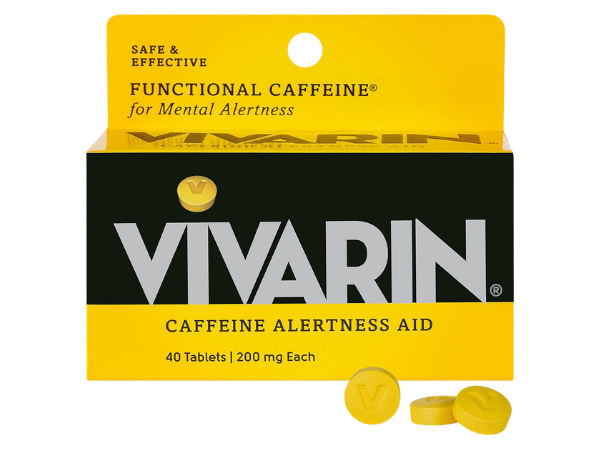
Vivarin is one of the most concentrated caffeine tablets available, delivering a full 200 mg dose per pill. It is marketed as a stay‑awake aid for individuals who need alertness during long work shifts, study sessions, or travel.
Key defining traits of Vivarin:
- Pure caffeine formulation – no added analgesics or fillers.
- Fast‑acting stimulant – designed to combat drowsiness quickly.
- Portable tablet form – discreet and easy to carry.
- Consistent dosage – eliminates variability found in brewed beverages.
- Widely available – sold over‑the‑counter in many pharmacies.
Vivarin is essentially a pharmaceutical version of a strong cup of coffee. Its predictability makes it appealing to those who want caffeine without the calories or taste of coffee.
NoDoz
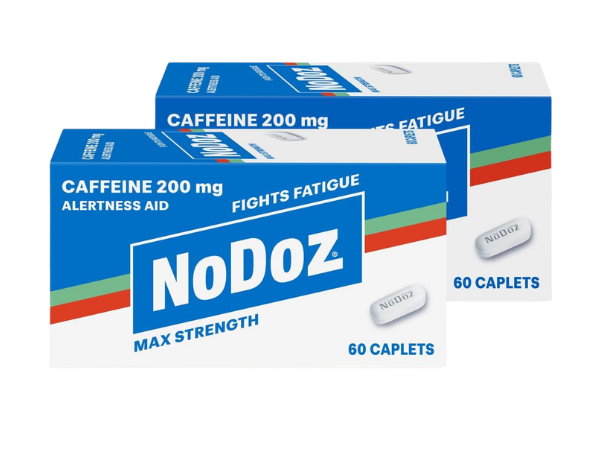
NoDoz is another high‑strength caffeine tablet, also delivering 200 mg per dose. It has been a popular choice for decades among students, truck drivers, and professionals who need extended wakefulness.
Key defining traits of NoDoz:
- Long‑standing brand recognition – trusted for decades.
- Pure caffeine content – identical strength to Vivarin.
- Fast relief from fatigue – works within 30–45 minutes.
- Affordable and accessible – widely stocked in drugstores.
- Marketed for temporary wakefulness – not intended for chronic use.
Its simplicity is both its strength and its risk: because it delivers such a concentrated dose, users may unintentionally consume more caffeine than recommended if they also drink coffee or energy drinks.
Stay Awake
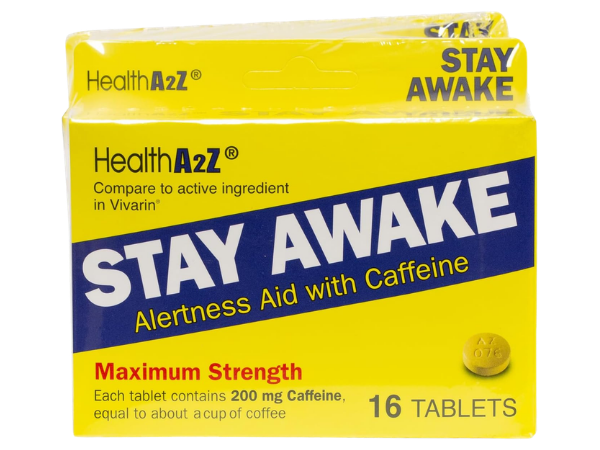
Stay Awake is a stimulant tablet that delivers a powerful 200 mg dose of caffeine, making it one of the strongest over‑the‑counter options for combating drowsiness. It is designed for individuals who need immediate alertness, such as students, night‑shift workers, or travelers dealing with fatigue.
Defining traits of Stay Awake:
- Pure caffeine stimulant – no added analgesics or sedatives.
- High potency – equivalent to two strong cups of coffee.
- Portable and convenient – fits easily into a pocket or bag.
- Fast‑acting – begins working within 30–45 minutes.
- Widely available – sold in pharmacies and convenience stores.
Because of its concentrated dose, users should avoid combining it with other caffeinated products to prevent jitteriness, rapid heartbeat, or insomnia.
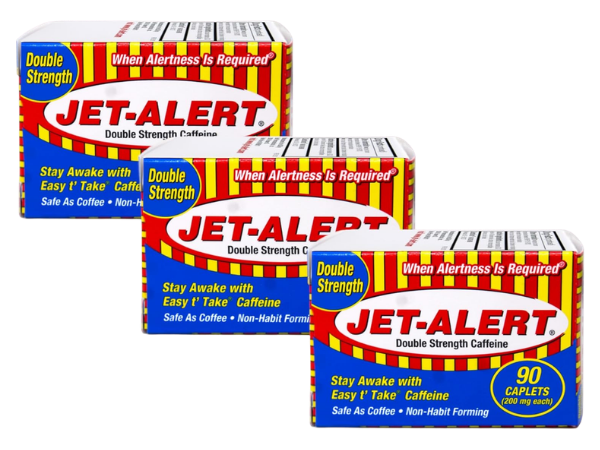
Jet‑Alert
Jet‑Alert is another stimulant tablet available in multiple strengths, ranging from 100 mg to 200 mg per dose. This flexibility allows users to choose a lighter or stronger option depending on their caffeine tolerance.
Defining traits of Jet‑Alert:
- Variable strength – available in both 100 mg and 200 mg tablets.
- Pure caffeine formulation – no added pain relievers.
- Fast absorption – delivers alertness within an hour.
- Affordable – often cheaper than energy drinks or coffee.
- Practical for travel – compact packaging for on‑the‑go use.
Jet‑Alert’s versatility makes it appealing to those who want control over their caffeine intake. The 100 mg option is suitable for lighter needs, while the 200 mg version rivals the strongest stimulant tablets.
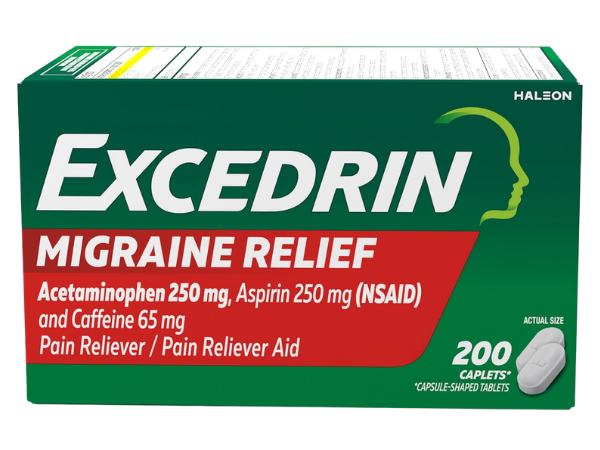
Excedrin Migraine
Excedrin Migraine is one of the most recognized over‑the‑counter medications for headache relief. Each tablet contains 65 mg of caffeine, combined with acetaminophen and aspirin.
Defining traits of Excedrin Migraine:
- Analgesic combo – acetaminophen, aspirin, and caffeine.
- Targeted migraine relief – caffeine helps reduce vascular dilation.
- Moderate caffeine dose – similar to a small cup of coffee.
- Fast‑acting – designed to work quickly on severe headaches.
- Widely trusted – one of the most prescribed OTC migraine solutions.
However, patients should be cautious when combining it with coffee or energy drinks, as the added caffeine can increase the risk of jitteriness or rebound headaches.
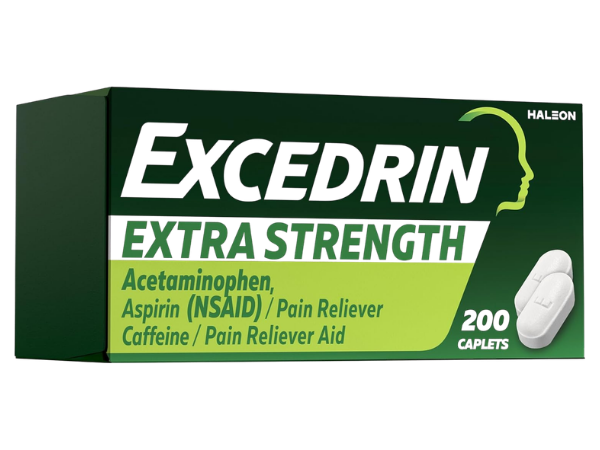
Excedrin Extra Strength
Excedrin Extra Strength is formulated for general pain relief, including tension headaches, muscle aches, and minor arthritis pain. Like Excedrin Migraine, it contains 65 mg of caffeine per tablet, alongside acetaminophen and aspirin.
Defining traits of Excedrin Extra Strength:
- Analgesic combo – acetaminophen, aspirin, and caffeine.
- Broad pain relief – effective for headaches, muscle pain, and more.
- Same caffeine strength – 65 mg per tablet.
- Fast absorption – caffeine speeds up onset of relief.
- Popular OTC option – widely available and trusted.
Excedrin Extra Strength is often chosen for its versatility. While the caffeine content is moderate, frequent use can contribute significantly to daily intake.
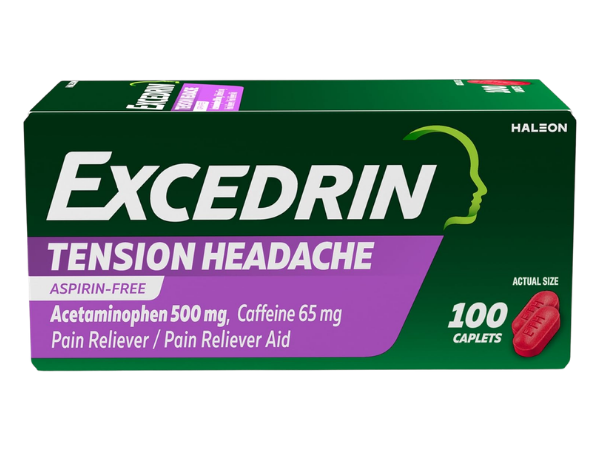
Excedrin Tension Headache
Excedrin Tension Headache is formulated specifically for relieving pain caused by stress and muscle tension. Each tablet contains 65 mg of caffeine, paired with acetaminophen.
Defining traits of Excedrin Tension Headache:
- Analgesic combo – acetaminophen + caffeine.
- Moderate caffeine dose – 65 mg per tablet.
- Designed for tension headaches – targets stress‑related pain.
- Aspirin‑free – suitable for those sensitive to NSAIDs.
- Fast‑acting – caffeine accelerates absorption for quicker relief.
The caffeine not only boosts the analgesic effect but also helps improve alertness, which can be beneficial during stressful workdays.
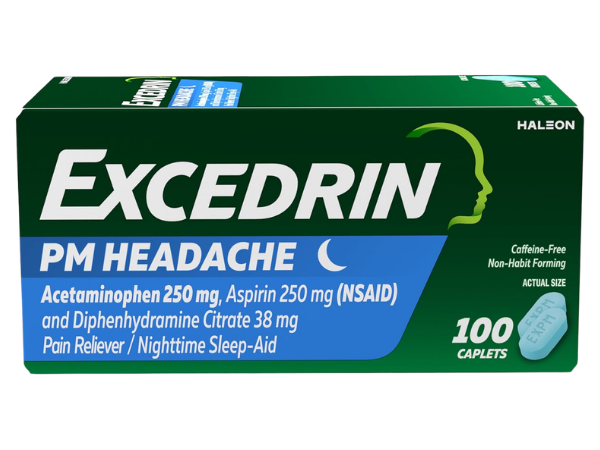
Excedrin PM Headache
Excedrin PM Headache is designed for nighttime headache relief. Each tablet contains 65 mg of caffeine along with acetaminophen and a sleep aid (diphenhydramine).
Defining traits of Excedrin PM Headache:
- Analgesic combo – acetaminophen + caffeine + diphenhydramine.
- Moderate caffeine dose – 65 mg per tablet.
- Nighttime formulation – includes a sleep aid to counter caffeine’s stimulation.
- Pain relief + rest – designed for headaches that interfere with sleep.
- Balanced approach – caffeine enhances pain relief, diphenhydramine promotes drowsiness.
Excedrin PM Headache demonstrates how caffeine can be used strategically even in nighttime medications.
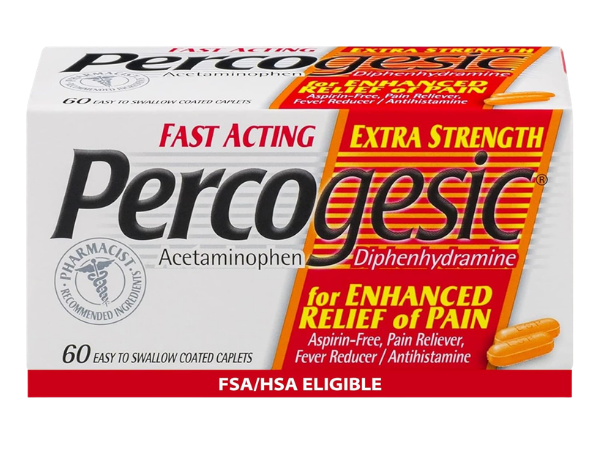
Percogesic Extra Strength
Percogesic Extra Strength is an analgesic combination medication that contains approximately 65 mg of caffeine per dose. It is formulated to relieve headaches, muscle aches, and minor pains while using caffeine to enhance the effectiveness of its pain‑relieving ingredients.
Defining traits of Percogesic Extra Strength:
- Analgesic combo – acetaminophen + caffeine.
- Moderate caffeine dose – ~65 mg per tablet.
- Designed for general pain relief – headaches, muscle aches, minor arthritis pain.
- Caffeine accelerates absorption – improves onset of relief.
- OTC availability – widely accessible without prescription.
Percogesic Extra Strength is effective for those who want reliable pain relief with the added benefit of alertness.
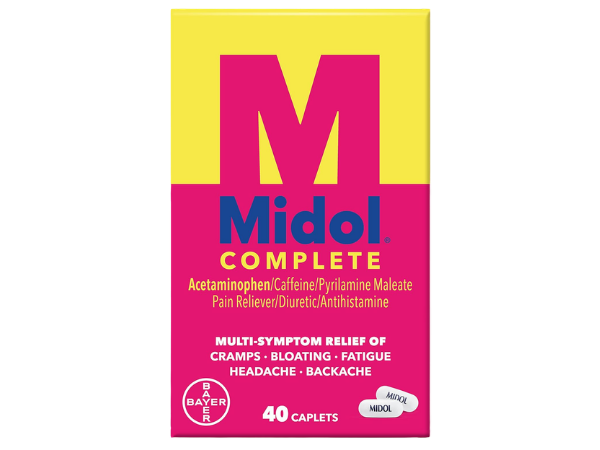
Midol Complete
Midol Complete is a well‑known medication for menstrual symptom relief. Each tablet contains 60 mg of caffeine, alongside acetaminophen and pyrilamine maleate (an antihistamine).
Defining traits of Midol Complete:
- Analgesic combo – acetaminophen + caffeine + antihistamine.
- Moderate caffeine dose – 60 mg per tablet.
- Specifically formulated for menstrual relief – cramps, bloating, fatigue.
- Caffeine provides energy – counteracts tiredness during menstruation.
- Balanced formulation – pain relief plus symptom management.
Midol Complete is unique because it addresses both physical pain and the fatigue associated with menstrual cycles.
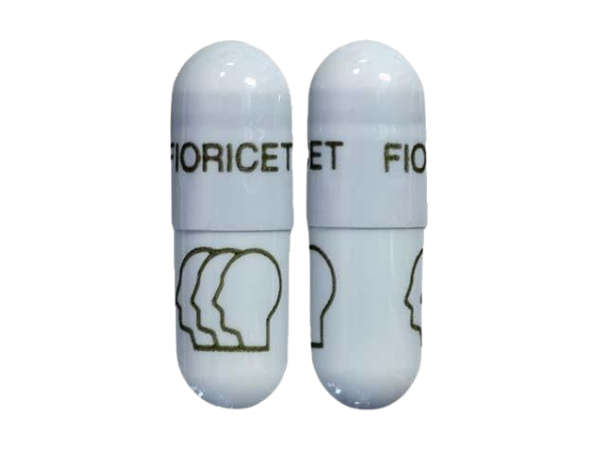
Fioricet
Fioricet is a prescription combination medication commonly used to treat tension headaches. Each tablet contains 40 mg of caffeine, alongside acetaminophen and butalbital (a barbiturate). The caffeine enhances pain relief by improving absorption and counteracting drowsiness caused by butalbital.
Defining traits of Fioricet:
- Prescription combo – butalbital + acetaminophen + caffeine.
- Moderate caffeine dose – 40 mg per tablet.
- Targets tension headaches – especially stress‑related pain.
- Caffeine offsets sedation – balances the barbiturate’s calming effect.
- Requires medical supervision – not available over‑the‑counter.
Fioricet is effective but must be used carefully due to the presence of butalbital, which carries a risk of dependency.
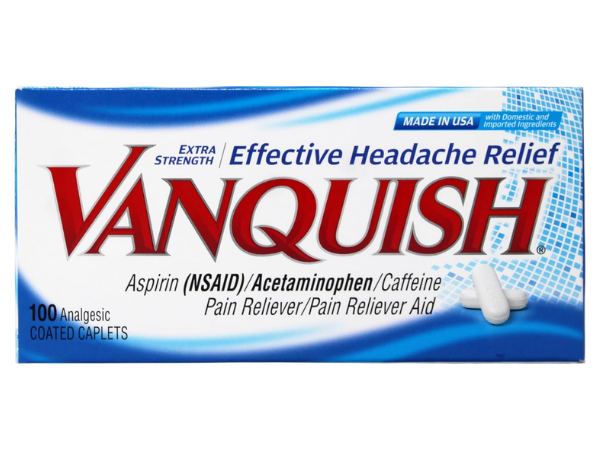
Vanquish
Vanquish is an analgesic combination medication designed for headache and minor pain relief. Each tablet contains about 33 mg of caffeine, paired with acetaminophen and aspirin.
Defining traits of Vanquish:
- Analgesic combo – acetaminophen + aspirin + caffeine.
- Moderate caffeine dose – 33 mg per tablet.
- Designed for headache relief – especially tension and stress headaches.
- Caffeine accelerates absorption – improves onset of relief.
- OTC availability – widely accessible in pharmacies.
Vanquish provides a smaller caffeine boost compared to Excedrin, but it still contributes to overall intake. Patients should be mindful of combining it with coffee or tea, as even moderate doses can add up quickly.
Anacin
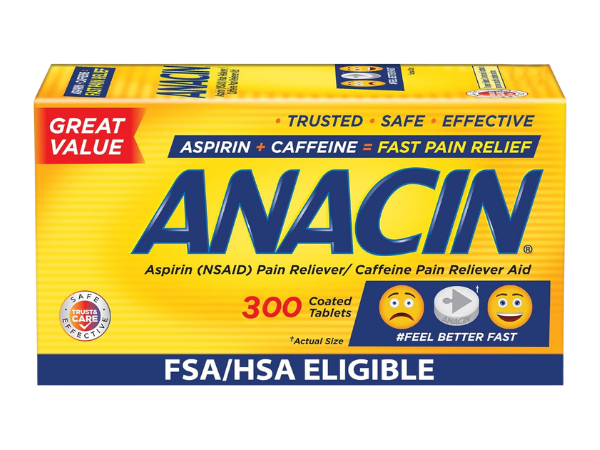
Anacin is one of the classic over‑the‑counter pain relievers that combines aspirin with caffeine. Each tablet contains 32 mg of caffeine, which is roughly equivalent to half a small cup of coffee.
Defining traits of Anacin:
- Analgesic combo – aspirin + caffeine.
- Moderate caffeine dose – 32 mg per tablet.
- Long‑standing brand – trusted for decades.
- Effective for headaches – especially tension and stress‑related pain.
- Widely available – OTC medication in most pharmacies.
Anacin’s caffeine content is relatively low compared to stimulant tablets, but frequent use can still contribute to daily totals.
How Caffeine Boosts Pain Relief and Alertness
Caffeine works synergistically with analgesics like acetaminophen and aspirin. It increases drug absorption rates and enhances blood vessel constriction, which is particularly useful in migraine treatment. At the same time, caffeine stimulates dopamine release, improving mood and alertness.
- Improves drug bioavailability.
- Constricts dilated blood vessels in migraine attacks.
- Stimulates neurotransmitters for better focus.
- Reduces fatigue during illness.
This dual action explains why caffeine is a staple in many over‑the‑counter pain medications. Still, patients should balance its benefits with potential side effects like jitteriness or insomnia.
Safe Daily Limits: How Much Caffeine Is Too Much?
Health experts recommend no more than 400 mg of caffeine per day for most adults. Exceeding this can lead to anxiety, rapid heartbeat, or sleep disturbances. Since medications can contain 200 mg per dose, combining them with coffee or energy drinks may push intake beyond safe limits.
- General safe limit: 400 mg/day.
- Pregnant women: 200 mg/day.
- Children/adolescents: much lower tolerance.
- Sensitive individuals: may react at 100–200 mg.
Monitoring caffeine from both beverages and medications is crucial. Patients should read labels carefully and consult healthcare providers if they regularly use caffeine‑containing drugs.
Ranking Methodology: How We Measured Caffeine Content
This ranking is based on milligrams of caffeine per standard dose as listed in product labeling and verified pharmacological databases. Only widely available medications were included, excluding rare or discontinued products.
- Verified manufacturer dosage information.
- Cross‑checked with medical databases.
- Ranked by caffeine strength per unit.
- Focused on common OTC and prescription drugs.
This transparent methodology ensures accuracy and helps patients make informed decisions about their caffeine intake.
Risks of Mixing Medications With Coffee or Energy Drinks
Combining caffeine‑containing medications with coffee or energy drinks can lead to excessive intake. This raises risks of insomnia, anxiety, dehydration, and heart palpitations. In extreme cases, it may trigger migraines or gastrointestinal distress.
- Risk of exceeding safe daily limits.
- Increased chance of side effects like jitters.
- Potential drug interactions with stimulants.
- Greater strain on cardiovascular system.
Patients should avoid doubling up on caffeine sources. If medication already contains 200 mg, adding a large coffee could push intake well beyond recommended levels.