
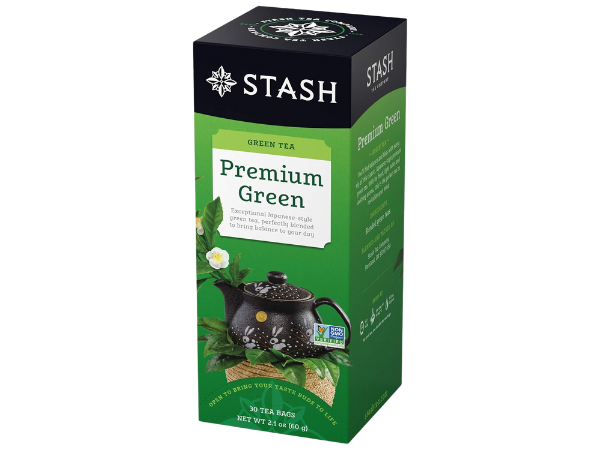
Stash Tea
Caffeine
40–70 mg
Note: Caffeine amounts are based on standard brewed Stash black tea (8 fl oz cup). Actual caffeine varies depending on steeping time, water temperature, and leaf grade.
| Attribute | Value |
|---|---|
| Caffeine Level | Moderate |
| Serving Size | 8 fl oz |
| Serving Size (ml) | 240 ml |
| Caffeine | 40–70 mg |
| Calories | 2 kcal |
| Sugar | 0 g |
| Caffeine per fl oz | 5–9 mg/fl oz |
Tea lovers often wonder how much caffeine is in their favorite Stash Tea blends. With options ranging from bold black teas to refreshing green teas and soothing herbal infusions, Stash provides something for every preference. Understanding caffeine levels is important for managing energy, sleep, and overall wellness.
Introduction to Stash Tea
Founded in 1972 in Portland, Oregon, Stash Tea began as a small company supplying loose herbal teas and bulk herbs to natural food stores. Today, it is a globally recognized brand, offering more than 250 varieties of tea sold in over 40 countries. Stash emphasizes quality, sourcing non‑GMO ingredients, and creating blends that balance tradition with innovation.
Stash’s product line includes:
- Black teas: Bold, full‑bodied blends like Earl Grey and English Breakfast.
- Green teas: Lighter, refreshing options such as Premium Green and Dragonwell.
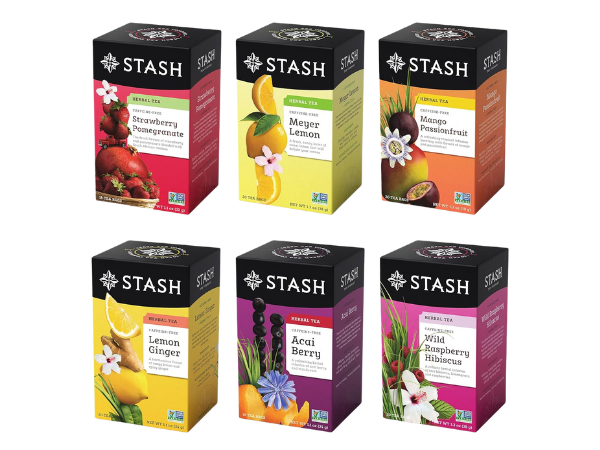
- Herbal teas: Naturally caffeine‑free blends like Chamomile Nights and Lemon Ginger.
Key insight: Stash Tea appeals to diverse drinkers by offering both caffeinated and caffeine‑free options, making it easy to choose a blend that fits your lifestyle.
Understanding How Caffeine Works in Tea
Caffeine is a natural stimulant found in the Camellia sinensis plant, the source of all true teas (black, green, oolong, white). It works by blocking adenosine receptors in the brain, reducing feelings of tiredness and increasing alertness.
Unique to tea:
- Tea contains L‑theanine, an amino acid that moderates caffeine’s effects. This combination produces a smoother, longer‑lasting energy boost compared to coffee.
- Black teas generally have more caffeine than green teas, while herbal infusions (made from botanicals, not tea leaves) are naturally caffeine‑free.
Key insight: Tea provides sustained focus without the jitters often associated with coffee, making it a gentler source of energy.
Caffeine Levels in Stash Black Tea Varieties
Stash’s black teas are among its most popular offerings, known for their bold flavor and higher caffeine content.
Typical caffeine range: 40–70 mg per 8 oz cup.
Examples of Stash black teas:
- English Breakfast – 60–70 mg per cup, strong and robust.
- Earl Grey – 50–60 mg per cup, flavored with bergamot oil.
- Chai Spice Black Tea – 45–55 mg per cup, spiced but moderately caffeinated.
- Double Bergamot Earl Grey – 60 mg per cup, slightly stronger than classic Earl Grey.
Key insight: Stash black teas provide a reliable caffeine boost, making them ideal for mornings or early afternoons when energy is needed.
Caffeine Levels in Stash Green Tea Varieties
Green teas from Stash are lighter in flavor and lower in caffeine compared to black teas.
Typical caffeine range: 20–45 mg per 8 oz cup.
Examples of Stash green teas:
- Premium Green Tea – 30 mg per cup, smooth and refreshing.
- Dragonwell Green Tea – 47 mg per cup, slightly higher caffeine due to leaf style.
- Organic Green Tea – 27 mg per cup, mellow and balanced.
- Moroccan Mint Green Tea – 25–30 mg per cup, refreshing with mint.
Key insight: Stash green teas are perfect for those who want a gentler caffeine lift, suitable for midday or early evening consumption.
Herbal Stash Teas: Naturally Caffeine‑Free Options
Herbal teas, also called tisanes, are made from botanicals like chamomile, peppermint, hibiscus, and rooibos. Since they don’t contain tea leaves, they are naturally caffeine‑free.
Popular Stash herbal teas:
- Chamomile Nights – calming, ideal before bed.
- Peppermint Herbal Tea – refreshing and soothing.
- Lemon Ginger Herbal Tea – zesty and warming.
- Wild Raspberry Hibiscus – fruity and tart.
Key insight: Herbal teas are excellent for those avoiding caffeine, offering flavorful alternatives that can be enjoyed any time of day.
Factors That Influence Caffeine in Stash Tea
Several variables affect caffeine levels in tea:
- Tea type: Black teas generally have more caffeine than green teas.
- Leaf grade: Smaller leaves release caffeine faster than whole leaves.
- Brewing time: Longer steeping increases caffeine extraction.
- Water temperature: Hotter water extracts more caffeine.
- Blend composition: Added herbs or botanicals can dilute caffeine content.
Key insight: Even within the same tea type, caffeine levels can vary significantly depending on how you brew it.