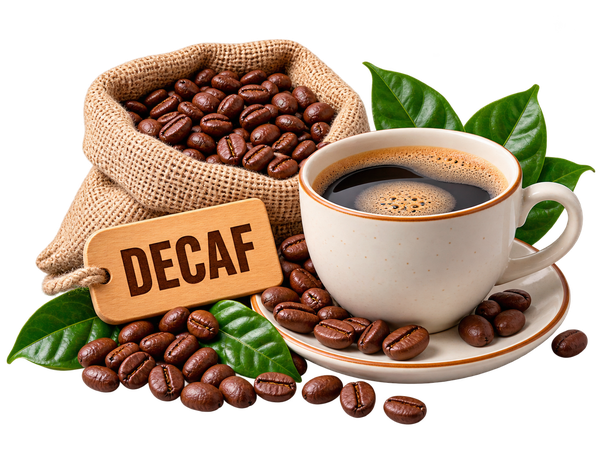
For many new mothers, coffee is part of the daily routine. If you are breastfeeding and want to reduce your caffeine intake, decaf coffee while breastfeeding can be a practical option.
Is Decaf Coffee Safe While Breastfeeding?
Decaf coffee can be a practical choice while breastfeeding because it contains much less caffeine than regular coffee. However, decaf is not completely caffeine-free, so it can still contribute to your daily caffeine intake.
Key points to consider:
- Some caffeine remains: Decaf coffee is not 100% caffeine-free.
- Check serving size: Larger servings may contain more caffeine.
- Count other sources: Tea, chocolate, energy drinks, and some medications can also contain caffeine.
- Check the label: Look for caffeine information and the decaffeination method.
Choosing decaf is mainly a way to reduce caffeine intake, not eliminate it completely. If you have concerns about caffeine while breastfeeding, your healthcare professional can help you determine what is appropriate for you.
8 Decaf Coffee Beans to Try While Breastfeeding
When choosing decaf coffee beans, look for a roast and flavor profile that suits your usual coffee preferences. The following types can be good options to consider:
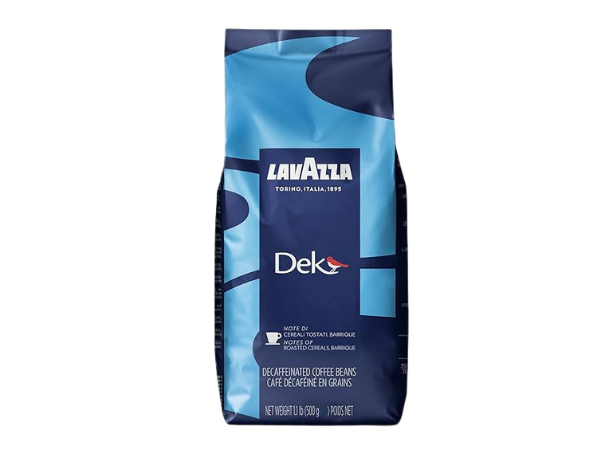
Lavazza Dek
The whole-bean version combines Arabica and Robusta from Brazil and Vietnam and uses a natural decaffeination process. It has a medium-light roast with fruity, roasted-cereal, and wine-like aromatic notes.
Key features:
- Arabica and Robusta blend
- Medium-light roast
- Natural decaffeination process
- Fruity and roasted-cereal aromas
- Suitable for espresso and moka pots
Lavazza Dek is worth considering if you prefer a traditional Italian coffee style and want a decaf bean that works particularly well with espresso-based drinks.
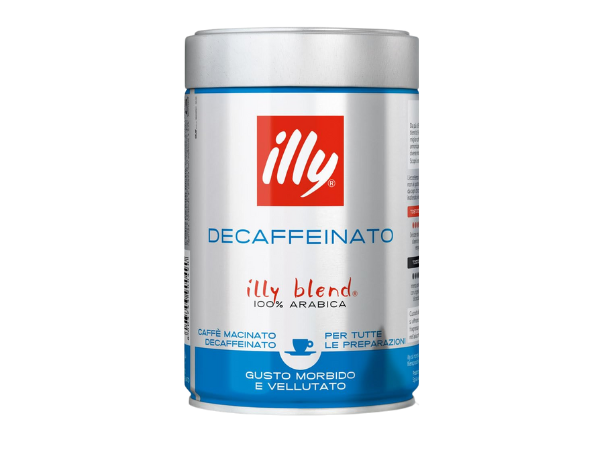
illy Decaf Espresso Ground Coffee
illy Classico Decaf is a medium-roast ground espresso coffee made from a blend of 100% Arabica beans. Its flavor combines caramel, chocolate, and toasted-bread notes with a sweet finish.
Key features:
- 100% Arabica coffee
- Medium roast
- Caramel and chocolate notes
- Toasted-bread aroma with a sweet finish
- Designed for ground-coffee espresso machines
This option fits coffee drinkers who want a polished Italian espresso profile without switching to whole beans or grinding coffee at home.
Lifeboost Medium Roast Decaf Whole Bean Coffee
Lifeboost Medium Roast Decaf is a single-origin 100% Arabica coffee with a medium roast and a rounded, full-bodied profile. The brand describes it as creamy and nutty, with dried-fruit notes, and uses Swiss Water decaffeination.
Key features:
- 100% Arabica single-origin beans
- Medium roast
- Swiss Water decaffeination
- Creamy, nutty, and dried-fruit notes
- Low-acid coffee profile
For someone looking for a whole-bean decaf with a smooth, rounded flavor, Lifeboost offers a more specialty-style alternative to traditional supermarket blends.

Kicking Horse Decaf Coffee
Kicking Horse Decaf is an organic Arabica whole-bean coffee made with the Swiss Water Process. It has a deep, rich character with roasted hazelnut and chocolate notes, while the brand describes the finish as mellow.
Key features:
- Organic Arabica beans
- Swiss Water Process
- Deep chocolate and nutty aroma
- Roasted hazelnut tasting notes
- Works with drip, French press, pour-over, and espresso
Kicking Horse is a practical choice if you enjoy darker, fuller coffee flavors but want a decaf option for your daily brewing routine.

Cafe Don Pablo Subtle Earth Decaf
Cafe Don Pablo Subtle Earth Organic Decaf is a medium-dark roast whole-bean coffee known for a rich, smooth profile. Available descriptions highlight chocolate, caramel, honey, and cocoa notes, along with relatively low acidity.
Key features:
- Medium-dark roast
- 100% Arabica beans
- Water-process decaffeination
- Chocolate, caramel, and honey notes
- Smooth, low-acidity profile
This coffee may appeal to those who prefer a fuller cup with dessert-like flavors rather than a light or highly acidic decaf.

Eight O’Clock Coffee Decaf Original
Eight O’Clock The Original Decaf is a whole-bean medium roast made from decaffeinated Arabica coffee. The brand describes the flavor as smooth, sweet, fruity, and balanced, while aiming to preserve the familiar character of its Original blend.
Key features:
- 100% Arabica coffee
- Medium roast
- Sweet and fruity flavor profile
- Smooth and balanced cup
- Available as whole beans
Eight O’Clock Original Decaf is a straightforward everyday option for people who want a familiar medium-roast coffee without a particularly dark or intense flavor profile.

Peet’s Coffee Decaf Major Dickason’s Blend
Peet’s Decaf Major Dickason’s Blend brings the character of the brand’s well-known Major Dickason’s Blend into a decaffeinated coffee.
Key features:
- Dark roast
- Signature blend
- Earthy and spicy flavor profile
- Available as whole bean or ground
- Suitable for multiple brewing methods
This is a good style to consider if you normally reach for dark-roast coffee and want your decaf cup to retain a bold, substantial character.

Cooper’s Cask Coffee Decaf
Cooper’s Cask Single Origin Decaf is an Ethiopian coffee roasted to a medium level and decaffeinated using the Swiss Water Process. The brand highlights a lively flavor profile with chocolate-orange, sweet-lemon, and black-tea notes.
Key features:
- Single-origin Ethiopian beans
- Medium roast
- Swiss Water Process
- Chocolate-orange and lemon notes
- Small-batch roasted
Cooper’s Cask is an interesting option for those who prefer a brighter, more distinctive cup instead of the chocolate-heavy flavor commonly associated with darker decaf coffees.

What Is Decaf Coffee and How Much Caffeine Does It Contain?
Decaf coffee is made from coffee beans that have had most of their caffeine removed. Several methods can be used, including water-based, solvent-based, and carbon dioxide decaffeination processes.
Importantly, decaf does not mean caffeine-free. A cup can still contain a small amount of caffeine, and the exact amount varies between products and brewing methods.
| Coffee type | Typical caffeine level |
|---|---|
| Regular brewed coffee | Higher |
| Decaf brewed coffee | Much lower |
| Espresso | Depends on serving size |
| Decaf espresso | Lower than regular espresso |
For breastfeeding mothers, the caffeine content listed by the manufacturer can be more useful than relying only on the word “decaf.”
How Much Caffeine Can Breastfeeding Mothers Have?
Breastfeeding mothers do not necessarily need to eliminate caffeine completely. Caffeine can pass into breast milk, but the amount and the baby’s response can vary.
Many health organizations use up to 300 mg of caffeine per day as a general upper limit for breastfeeding mothers, although individual recommendations may differ.
Remember that caffeine can come from more than coffee. Tea, chocolate, energy drinks, cola, and some medications can also contribute to your daily intake.
If you notice that your baby seems unusually restless or has difficulty sleeping after you consume caffeine, consider discussing your intake with a healthcare professional.