
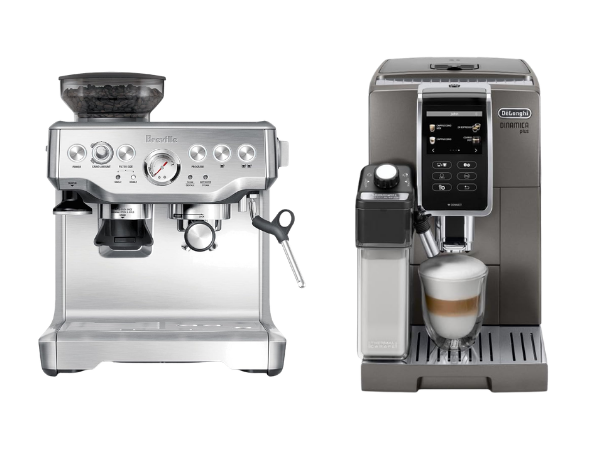
Choosing between Breville and DeLonghi in 2026 is more than just picking a coffee machine—it’s about aligning with a brand philosophy, design approach, and performance style that suits your lifestyle.
Breville vs DeLonghi: Brand Reputation and History
Known for its innovation, Breville introduced features like PID temperature control and advanced steam wands, appealing to serious home baristas. DeLonghi, established in Treviso, Italy in 1902, has a broader appliance portfolio but is equally respected in the espresso market.
Key Highlights:
- Breville – Australian brand, premium positioning, barista‑focused features.
- DeLonghi – Italian heritage, versatile appliances, strong value proposition.
- Breville Strengths – Precision, innovation, professional‑grade feel.
- DeLonghi Strengths – Accessibility, affordability, compact design.
- Consumer Perception – Breville appeals to enthusiasts; DeLonghi appeals to everyday users.
Breville’s reputation rests on delivering café‑style experiences at home, while DeLonghi emphasizes convenience and affordability.
Design and Build Quality: Breville vs DeLonghi
Breville machines are often larger, with stainless steel finishes and robust construction. They feel like professional equipment, designed to last and withstand heavy use. DeLonghi machines, by contrast, prioritize slim profiles and lightweight builds, making them ideal for smaller kitchens or apartments.
Design Comparison:
- Breville – Stainless steel, larger footprint, professional look.
- DeLonghi – Slim, lightweight, compact footprint.
- Breville Advantage – Long‑term durability, premium feel.
- DeLonghi Advantage – Space‑saving, easy portability.
- User Preference – Breville for heavy daily use; DeLonghi for convenience.
Breville’s machines are built to impress and endure, while DeLonghi’s designs ensure accessibility and adaptability. Ultimately, your kitchen size and usage frequency will determine which design philosophy works best.
Espresso Performance: Pressure, Heating, and Consistency
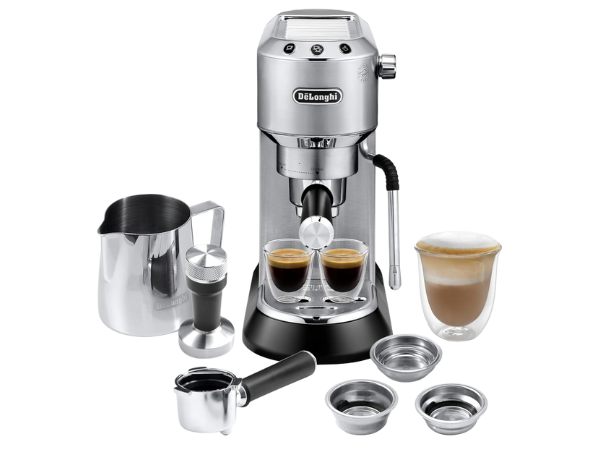
Performance is where Breville often shines. Its machines feature 20‑bar pumps, PID temperature control, and rapid heating systems that deliver consistent espresso shots. DeLonghi machines, while also offering 15–20 bar pumps, tend to focus on ease of use rather than fine‑tuned control.
Performance Breakdown:
- Breville – PID control, faster heating, consistent extraction.
- DeLonghi – Reliable pressure, simpler operation.
- Breville Strength – Professional‑grade espresso quality.
- DeLonghi Strength – Accessible performance for beginners.
- Result – Breville excels in precision; DeLonghi balances simplicity.
Breville’s performance appeals to enthusiasts who want café‑quality espresso at home, while DeLonghi provides dependable results without overwhelming the user.
Milk Frothing and Latte Art Capabilities Compared
Breville machines often feature commercial‑style steam wands, giving users the ability to create microfoam suitable for latte art. DeLonghi machines typically include simpler frothing systems, sometimes automatic, which are easier for beginners but less versatile for advanced techniques.
Frothing Features:
- Breville – Manual steam wand, microfoam control, latte art potential.
- DeLonghi – Automatic frother options, simpler wand systems.
- Breville Advantage – Greater control, professional results.
- DeLonghi Advantage – Ease of use, beginner‑friendly.
- Best For – Breville for artistry; DeLonghi for convenience.
Breville empowers users to experiment with latte art, while DeLonghi ensures anyone can enjoy cappuccinos and lattes without mastering technique.
Ease of Use: Touchscreens, Controls, and Automation
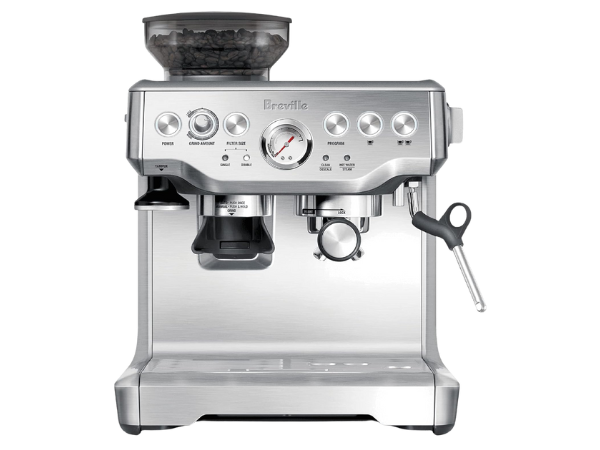
Breville machines often include intuitive interfaces, but they lean toward manual control, requiring users to learn the craft. DeLonghi machines, on the other hand, emphasize automation and simplicity, with programmable settings and compact touchscreens.
Ease of Use Comparison:
- Breville – Manual controls, learning curve, barista‑style experience.
- DeLonghi – Programmable settings, compact touchscreens, automation.
- Breville Advantage – Customization and mastery.
- DeLonghi Advantage – Beginner‑friendly, quick setup.
- User Fit – Breville for enthusiasts; DeLonghi for casual drinkers.
Breville rewards patience and skill, while DeLonghi caters to convenience seekers who want great coffee with minimal effort.
Breville vs DeLonghi: Grinder Options and Coffee Customization
Breville frequently integrates grinders into its machines, offering multiple grind settings for customization. DeLonghi machines often require separate grinders or provide fewer customization options.
Grinder Comparison:
- Breville – Integrated grinders, multiple settings, customization.
- DeLonghi – Limited grinder options, external grinders often needed.
- Breville Advantage – Full control over grind size and flavor.
- DeLonghi Advantage – Lower cost, simpler setup.
- Best Fit – Breville for enthusiasts; DeLonghi for budget buyers.
Breville’s grinder integration enhances flavor precision, while DeLonghi’s approach keeps costs down and simplifies the process.

Maintenance, Cleaning, and Long‑Term Durability
Breville machines, with their robust builds, often require more detailed maintenance but reward users with long‑term durability. DeLonghi machines are easier to clean and maintain, but their lighter construction may not last as long under heavy use.
Maintenance Insights:
- Breville – Durable, requires regular cleaning, long lifespan.
- DeLonghi – Easier maintenance, lighter build, shorter lifespan.
- Breville Advantage – Professional durability.
- DeLonghi Advantage – Simplicity in upkeep.
- User Fit – Breville for long‑term investment; DeLonghi for convenience.
Breville demands more care but offers longevity, while DeLonghi prioritizes ease of maintenance for everyday users.
Price and Value: Which Espresso Machine Is Worth It?
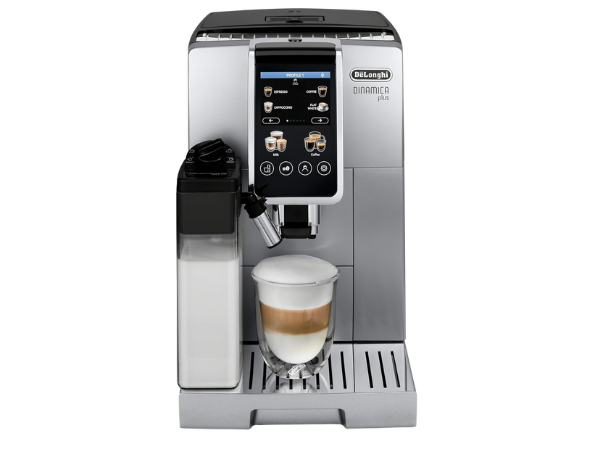
Breville machines are generally more expensive, reflecting their premium features and durability. DeLonghi machines are more affordable, making them attractive to budget‑conscious buyers. The choice depends on whether you value long‑term investment or immediate affordability.
Price Comparison Table:
| Brand | Average Price Range | Key Value Proposition |
|---|---|---|
| Breville | $500 – $1,200 | Premium features, durability, barista control |
| DeLonghi | $230 – $700 | Compact design, affordability, ease of use |
Breville offers long‑term value for enthusiasts, while DeLonghi provides accessible pricing for everyday coffee lovers.
Final Verdict: Breville vs DeLonghi in 2026
In 2026, Breville remains the choice for serious home baristas who want precision, durability, and café‑quality results. DeLonghi continues to dominate the entry‑level and mid‑range market, offering affordability, compact design, and ease of use. The winner depends on your priorities: Breville for mastery and long‑term investment, DeLonghi for convenience and budget‑friendly performance.
Breville excels in performance and customization, while DeLonghi shines in accessibility and practicality. Both brands are winners in their own right, serving different audiences with distinct strengths.