
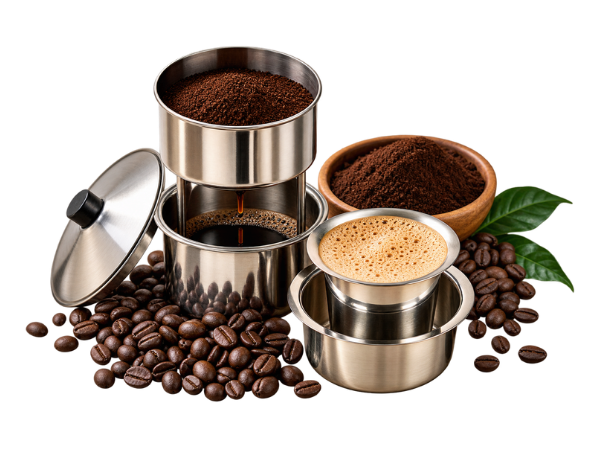
South Indian filter coffee is more than just a beverage—it’s a cultural ritual that blends tradition, flavor, and aroma into every cup. The choice of coffee beans plays a crucial role in determining the richness and authenticity of the brew.
What Is South Indian Filter Coffee?
South Indian filter coffee is a traditional brewing style popular across southern India. It uses a two-part metal filter that allows hot water to slowly pass through finely ground coffee, producing a concentrated brew called decoction.
| Feature | Typical South Indian Filter Coffee |
|---|---|
| Brewing method | Metal filter |
| Coffee | Arabica, Robusta, or a blend |
| Chicory | Often included |
| Grind | Fine |
| Roast | Medium to dark |
| Sweetener | Usually sugar |
Unlike many Western brewing methods, South Indian filter coffee commonly uses a blend of coffee and chicory, which adds body and a distinctive roasted flavor.
Best 6 Coffee Beans for Making South Indian Filter Coffee
The following six products offer different approaches to the traditional flavor profile. Several are sold as ground coffee or filter powder rather than whole beans, which is convenient if you do not want to grind the coffee yourself.
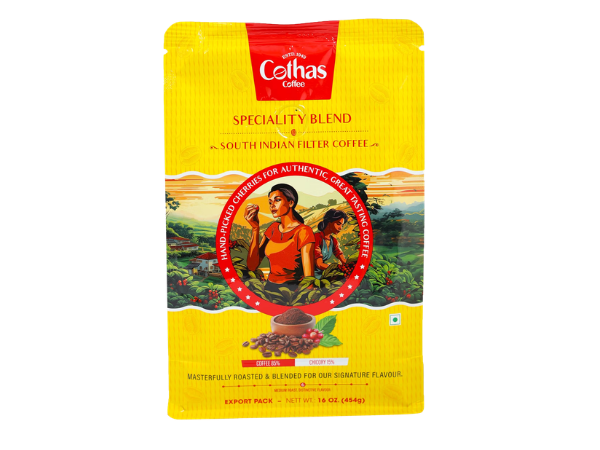
Cothas Traditional South Indian Speciality Blend Filter Coffee
Cothas Speciality Blend follows a classic South Indian coffee formula, combining roasted coffee with chicory to create a concentrated, full-bodied decoction.
Key features:
- 85% coffee and 15% chicory
- Roast-and-ground filter coffee
- Medium roast profile
- Rich, full-bodied character
- Suitable for traditional steel filters
- Works well with hot milk
The relatively moderate chicory proportion gives this blend enough body for a traditional cup without making the roasted chicory flavor dominant.
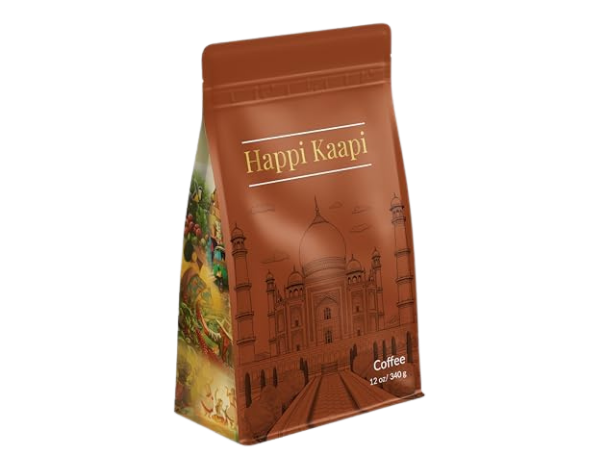
Happi Kaapi South Indian Filter Coffee with Chicory
Happi Kaapi is aimed at drinkers who want a stronger, darker-style South Indian filter coffee. Its medium-dark roast and chicory blend are intended to produce a bold, aromatic cup that can stand up well to milk. .
Key features:
- Medium-dark roast
- Coffee and chicory blend
- Ground coffee
- Bold and aromatic profile
- Suitable for South Indian filters
- Works with milk-based coffee
The darker roasting style makes Happi Kaapi a good option for people who prefer pronounced roasted notes rather than a light or delicate coffee.
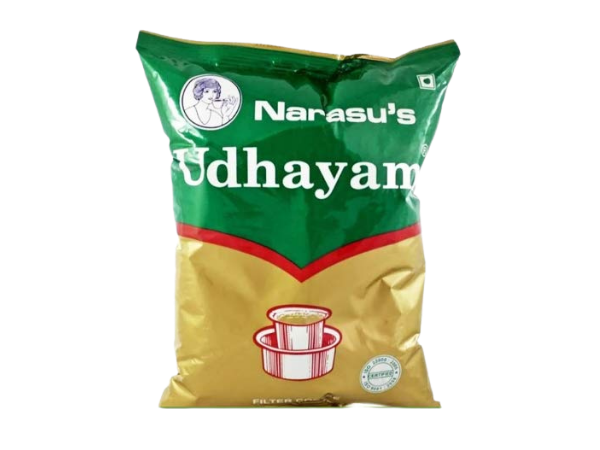
Narasu’s Udhayam South Indian Filter Coffee
The brand describes it as an everyday filter coffee with a rich flavor and smooth body, while the chicory contributes additional depth to the finished brew.
Key features:
- 80% coffee and 20% chicory
- Finely prepared for filter brewing
- Rich and rounded flavor
- Smooth body
- Designed for traditional South Indian preparation
- Suitable with hot milk
The 20% chicory content gives Udhayam a noticeably traditional character while keeping coffee as the larger component.
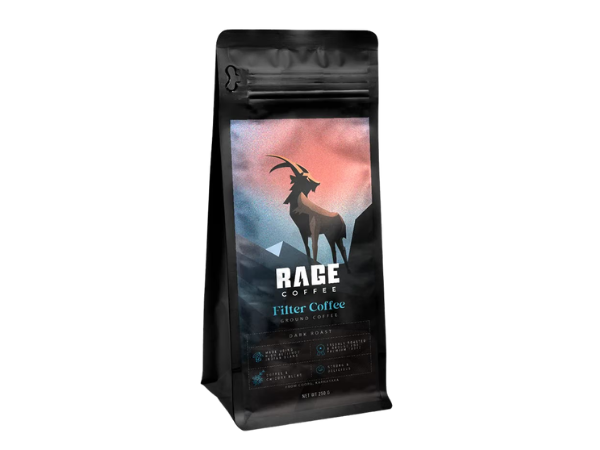
RAGE COFFEE South Indian Filter Powder
RAGE COFFEE takes a slightly different approach by focusing on Arabica in its South Indian filter powder while also incorporating chicory.
Key features:
- Arabica-based coffee blend
- Includes chicory
- Freshly roasted and ground
- 250 g package
- Ground for convenient brewing
- Suitable for South Indian filter preparation
Compared with more traditional blends that emphasize a specific coffee-to-chicory ratio, RAGE COFFEE puts more attention on the Arabica component.
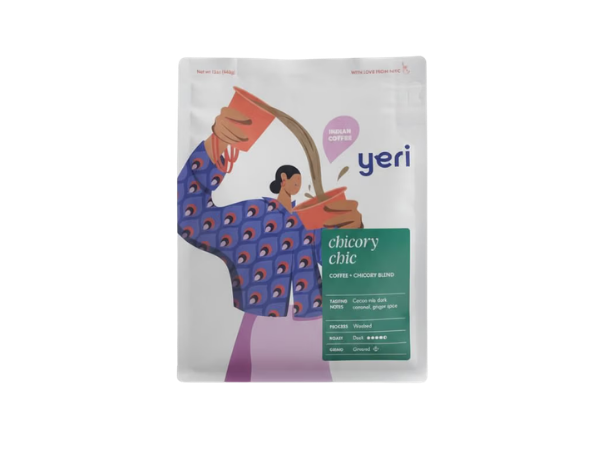
Yeri Coffee CHICORY CHIC – South Indian Chicory Coffee Blend
It is pre-ground with a fine grind intended for South Indian filter brewing and features tasting notes of cocoa nib, dark caramel, citrus spice, and ginger.
Key features:
- Dark roast
- Arabica from Karnataka
- Roasted chicory root
- Fine pre-ground coffee
- Cocoa and dark caramel notes
- Suitable for South Indian filter and Moka pot
The combination of dark roast, Arabica, and chicory creates a syrupy cup with deeper flavor notes, particularly when served with hot milk.
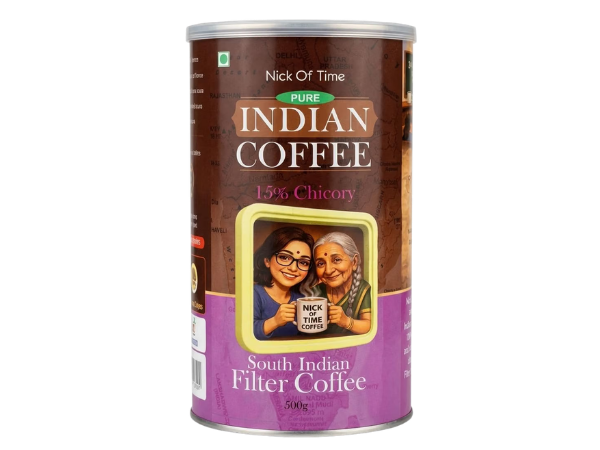
Nick of Time South Indian Filter Coffee
Nick of Time uses an 85% coffee and 15% chicory formula made with Arabica AA Grade dark-roasted coffee. The blend is ground for traditional filter preparation and is designed to produce a concentrated decoction that can be combined with hot milk.
Key features:
- 85% coffee and 15% chicory
- Arabica AA Grade
- Dark roast
- 500 g package
- Ground for filter brewing
- Designed for milk-based South Indian coffee
The 85:15 ratio keeps the coffee component dominant while allowing chicory to add body and its characteristic earthy sweetness.
Do You Need Chicory in South Indian Filter Coffee?
No. Chicory is not mandatory, but it is an important part of many traditional South Indian coffee blends.
Chicory can add:
- More body and thickness
- A deeper roasted taste
- Extra bitterness
- A distinctive traditional character
If you prefer a cleaner coffee flavor, choose a blend with little or no chicory. If you want a more traditional, robust cup, a coffee-chicory blend may be more suitable.
A 10–20% chicory ratio is a useful starting point if you are experimenting with your own blend.
How to Brew South Indian Filter Coffee Step by Step
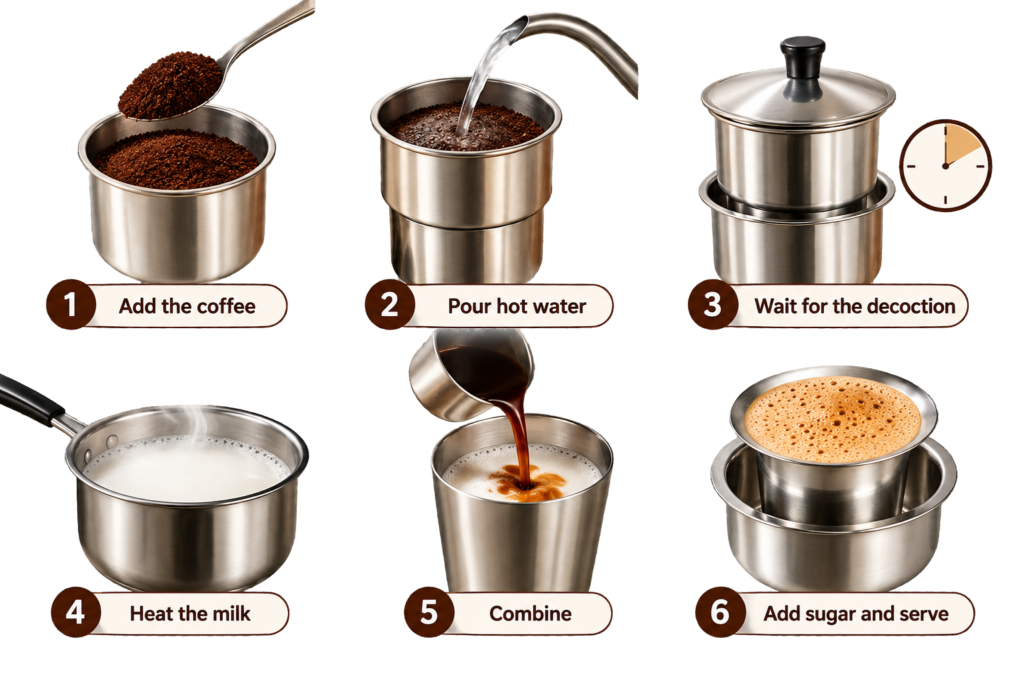
You only need a South Indian metal coffee filter, finely ground coffee, hot water, milk, and sugar.
1. Add the coffee
Place about 2–3 tablespoons of finely ground coffee into the upper section of the filter. Do not pack it too tightly.
2. Add hot water
Pour hot water over the grounds until the upper chamber is filled. Place the lid on the filter and allow the water to slowly pass through the coffee.
3. Wait for the decoction
Give the filter around 10–15 minutes to produce a concentrated decoction. The exact time depends on the coffee and grind.
4. Heat the milk
Warm your milk separately. Avoid boiling it aggressively, as overheating can affect its flavor.
5. Combine
Add approximately 1–2 tablespoons of decoction to a cup, followed by hot milk. Adjust the amount of decoction depending on how strong you want the coffee.
6. Add sugar and serve
Add sugar to taste. Traditional South Indian filter coffee is often poured between a tumbler and a small metal cup to mix and cool it slightly while creating its characteristic frothy surface.
Final Tip
For the most traditional result, focus on freshly roasted coffee, a fine grind, and a slow extraction. If the coffee tastes too bitter, reduce the decoction or use a slightly lighter roast. If it tastes weak, increase the decoction rather than simply adding more milk.