

This page contains affiliate links. As an Amazon Associate I earn from qualifying purchases.
Coffee is a popular morning drink, but people with ulcerative colitis may find that caffeine, acidity, or certain coffee additives affect their digestive symptoms.
Can You Drink Coffee With Ulcerative Colitis?
Many people with ulcerative colitis can drink coffee, but tolerance can vary depending on symptoms, caffeine intake, and the individual. Coffee may stimulate the digestive system, which can be uncomfortable during periods of active symptoms.
Tips to consider:
- Start with a small cup rather than a large serving.
- Try decaf if caffeine seems to cause digestive discomfort.
- Avoid drinking coffee on an empty stomach if that bothers you.
- Limit high-sugar or very rich creamers if they cause symptoms.
If regular coffee seems to make symptoms worse, consider trying a smaller serving, a low-acid roast, or decaf coffee.
Best Low-Acid Coffee Options to Try
Low-acid coffee is made or processed to have lower perceived acidity than many conventional coffees. It may be worth trying if regular coffee causes stomach discomfort, although low-acid coffee is not specifically a treatment for ulcerative colitis.
Puroast Low Acid Coffee
Puroast is a low-acid coffee designed for people who want a smoother cup without giving up the flavor of traditionally roasted coffee.
Key features:
- Low-acid coffee with a reported pH around 5.7–5.9 for some Puroast roasts
- Specialized conduction roasting process
- Available in medium and dark roast options
- Coffeehouse, French roast, espresso, and flavored varieties
- Made from coffee beans without added acidity-reducing chemicals
- Available as ground coffee and whole beans
Puroast may be worth considering if you want a conventional coffee experience with a lower-acid profile.

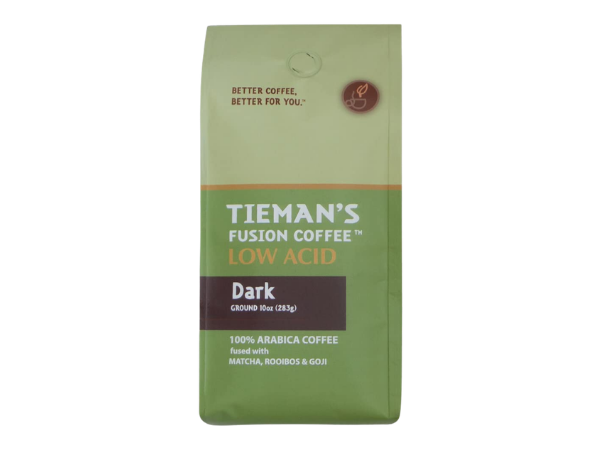
Tieman’s Fusion Coffee, Low Acid Dark Roast, Ground
Tieman’s Fusion Coffee combines low-acid roasted coffee with functional ingredients such as matcha, rooibos, and goji. Its Dark Fusion Ground variety is intended for people looking for a darker coffee profile while keeping the brand’s low-acid positioning.
Key features:
- Low-acid ground coffee
- Dark roast profile
- Made with premium Arabica coffee
- Contains matcha, rooibos, and goji
- Designed for everyday brewing
- Also available in medium and decaf versions
The combination of coffee and additional plant-based ingredients makes Tieman’s different from a standard low-acid coffee.
Lifeboost Coffee Ground Medium Roast Coffee
The company describes this roast as having chocolate, fig, creamy, and nutty notes, making it an option for people who prefer a balanced medium roast rather than a very dark coffee.
Key features:
- Medium roast
- Low-acid coffee
- Single-origin Arabica beans
- USDA organic certification
- Small-batch roasted
- Mountain shade-grown and fairly traded
Lifeboost’s medium roast can be a useful option for someone who wants a low-acid coffee without moving to an especially dark roast.

VitaCup Perfect Low Acid Coffee Grounds
VitaCup Perfect Low Acid Ground Coffee is a dark roast made from 100% Arabica beans. The brand describes it as a smooth, balanced coffee with cocoa and caramel notes and markets it specifically as a low-acid option for people with sensitive stomachs.
Key features:
- 100% Arabica dark roast
- Low-acid formulation
- Smooth flavor with cocoa and caramel notes
- Organic and non-GMO positioning
- Single-origin beans sourced from Guatemalan farms
- Third-party tested according to the manufacturer
VitaCup may appeal to drinkers who prefer a bold dark roast but want a coffee marketed around lower acidity.

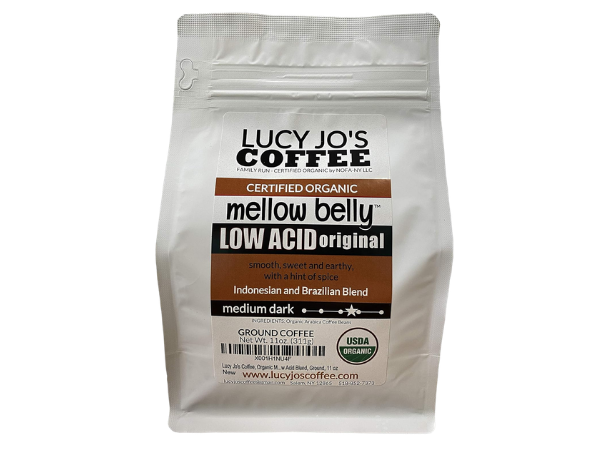
Lucy Jo’s Organic Mellow Belly Low Acid Blend
The brand offers the Mellow Belly line in several versions, including regular, dark, half-caff, and decaf, giving coffee drinkers more flexibility when choosing their preferred caffeine level and roast.
Key features:
- Organic low-acid coffee blend
- Available as ground coffee
- Regular and dark roast options
- Half-caff version available
- Decaf version available
- Also offered as whole beans
The Mellow Belly range is particularly interesting for people who want to experiment with different caffeine levels without leaving the low-acid category.
How Coffee May Affect Ulcerative Colitis Symptoms
Coffee contains caffeine and other compounds that can influence the digestive system. For some people, this may lead to more noticeable bowel activity or discomfort. However, individual responses differ considerably.
| Coffee factor | Possible consideration |
|---|---|
| Caffeine | May stimulate bowel activity in some people |
| Acidity | Can contribute to digestive discomfort for some individuals |
| Large servings | May provide more caffeine and coffee compounds at once |
| Creamers | Dairy, fat, or added ingredients may be difficult for some people |
| Added sugar | Large amounts may contribute to digestive discomfort |
A useful approach is to change one factor at a time. For example, you could switch from regular coffee to decaf while keeping the serving size and other ingredients similar. This makes it easier to determine what your body tolerates.
Coffee Alternatives for People With Ulcerative Colitis
If coffee consistently causes discomfort, there are several alternatives worth exploring. The best choice depends on whether you want a coffee-like flavor, caffeine, or simply a warm morning beverage.
Popular alternatives include:
- Decaf coffee: Provides a similar coffee experience with much less caffeine.
- Chicory root drinks: Have a roasted, coffee-like flavor and are naturally caffeine-free.
- Herbal tea: A caffeine-free option with many different flavors.
- Green tea: Contains caffeine but generally less than a typical cup of coffee.
- Rooibos tea: Naturally caffeine-free and can be served hot or iced.
- Warm water with a mild flavor: A simple option when you want to avoid coffee and caffeine completely.
If you have ulcerative colitis, your personal tolerance matters more than choosing a particular “best” coffee. A low-acid or decaf option may be worth trying, but if coffee repeatedly worsens your symptoms, switching to a caffeine-free alternative may be more practical.