This page contains affiliate links. As an Amazon Associate I earn from qualifying purchases.
For people who find that caffeine makes them feel restless or jittery, switching to decaf can reduce caffeine intake without giving up coffee. But is decaf coffee good for anxiety, and how should you choose it?
Is Decaf Coffee Good for Anxiety?
Decaf coffee can be a good option for people who notice that caffeine makes them feel anxious, restless, or jittery. It is not a treatment for anxiety, but it can help reduce caffeine intake while keeping the taste and routine of coffee.
Why Choose Decaf?
- Less caffeine — Decaf has much less caffeine than regular coffee.
- Fewer stimulants — Lower caffeine intake may mean less jitteriness or restlessness for caffeine-sensitive people.
- Keep your coffee routine — You can still enjoy the taste, aroma, and ritual of a daily cup.
- Different for everyone — Some people are more sensitive to caffeine than others.
- Not caffeine-free — An 8-ounce cup of decaf typically contains 2–15 mg of caffeine.
Bottom line: If regular coffee seems to make you feel more anxious, switching to decaf is a simple way to reduce your caffeine intake. However, decaf still contains some caffeine and should not be considered a treatment for anxiety.
7 Best Decaf Coffee Beans for Anxiety
When choosing decaf coffee for a lower-caffeine lifestyle, look for good-quality beans, a decaffeination method you prefer, and a roast profile that matches your taste.
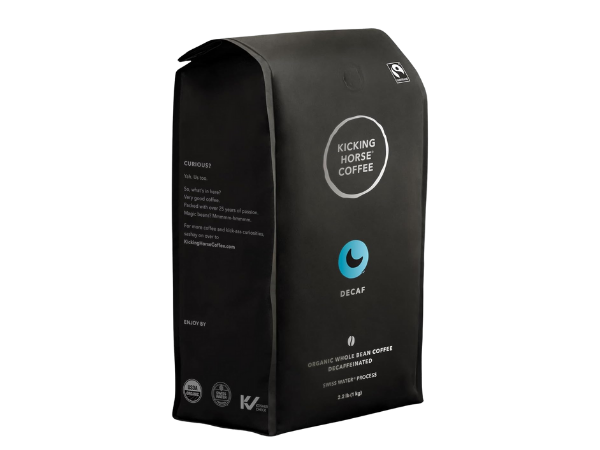
Kicking Horse Coffee Decaf, Swiss Water Process
Kicking Horse Decaf is a dark-roast coffee with a rich, chocolate-forward character. It uses the Swiss Water Process, making it a good option for coffee drinkers who want to cut down on caffeine while keeping a bold cup.
- Roast: Dark
- Process: Swiss Water
- Beans: Organic Arabica
- Origin: Central and South America
- Flavor: Chocolate and roasted hazelnut
- Brewing: Drip, French press, pour-over, or espresso
The brand states that its Swiss Water Process removes 99.9% of the caffeine. The coffee also has a mellow finish despite its darker roast, making it suitable for drinkers who prefer full-bodied decaf.
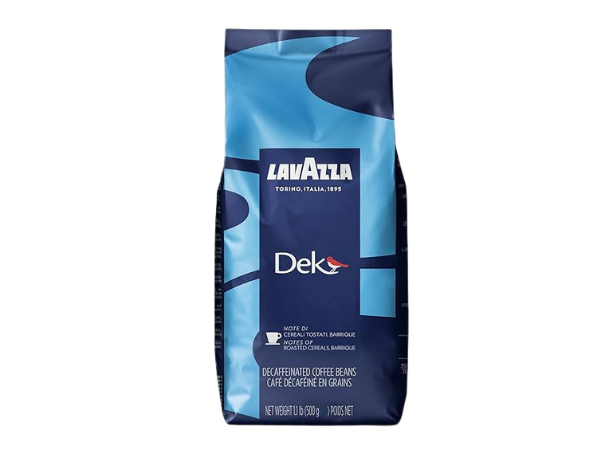
Lavazza Decaf
Lavazza Decaf offers a more traditional Italian coffee style, with a decaffeination process based on carbon dioxide rather than the Swiss Water method.
- Style: Italian coffee
- Process: CO₂ decaffeination
- Beans: Arabica and Robusta blends are available
- Flavor: Rich and aromatic
- Options: Decaf Classico and Decaf Intenso
- Best for: Espresso, moka, and everyday coffee
Lavazza is a useful choice if you want decaf with a classic Italian profile. Its range also gives you a choice between a more balanced Classico style and the stronger Intenso option.
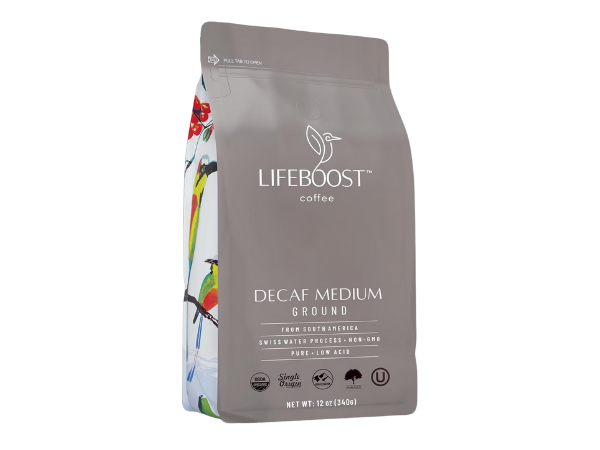
Lifeboost Medium Roast Decaf Coffee
Lifeboost Medium Roast Decaf is a single-origin Arabica coffee with a medium roast and a relatively smooth, rounded flavor profile.
- Roast: Medium
- Beans: 100% Arabica
- Origin: Single origin
- Process: Swiss Water
- Flavor: Creamy, nutty, with dried-fruit notes
- Acidity: Low-acid profile
Lifeboost also states that the beans are hand-picked, spring-water washed, sun-dried, and small-batch roasted.
Cafe Don Pablo Subtle Earth Decaf
Cafe Don Pablo’s Subtle Earth Decaf is a medium-dark roast made from organic Arabica beans. It combines a rich body with chocolate and caramel-like flavors while using the Swiss Water Process for decaffeination.
- Roast: Medium-dark
- Beans: 100% Arabica
- Process: Swiss Water
- Certification: Certified organic
- Flavor: Chocolate, caramel, honey, and cocoa
- Acidity: Low
This coffee is particularly suited to people who prefer a richer decaf without moving all the way to a very dark roast.

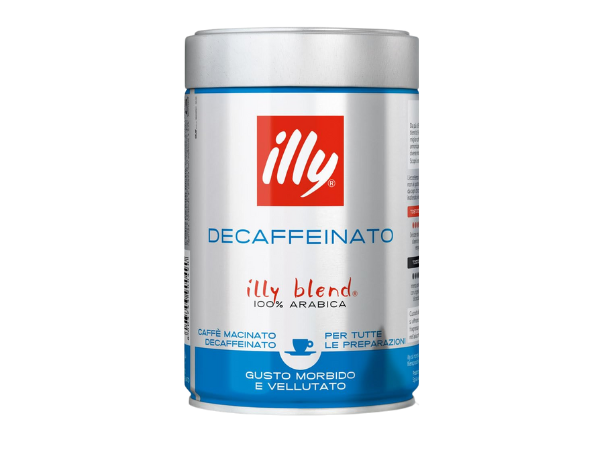
illy Decaf Espresso Ground Coffee
illy Classico Decaffeinated Ground Espresso is designed for espresso lovers who want the brand’s signature style with less caffeine. It uses a 100% Arabica blend and has a medium roast with a smooth, balanced flavor.
- Roast: Medium
- Beans: 100% Arabica
- Flavor: Caramel, chocolate, and toasted bread
- Intensity: 5/9
- Grind: Espresso
- Best for: Espresso machines
Because it is already ground for espresso, it is a convenient option for anyone who regularly prepares espresso at home.
Peet’s Coffee Decaf Blend
The House Blend is a dark-roast Latin American blend with a rich, balanced profile, while the broader Decaf Series includes both dark- and medium-roast options.
- Roast options: Medium and dark
- Beans: Latin American blends and other origins
- Decaffeination: Water process
- Flavor: Rich, balanced, spicy, citrus, or chocolate notes
- Formats: Whole bean and ground
- Brewing: Drip, French press, espresso, and more
The company also reports that an average 6-ounce serving of its decaf coffee contains about 4–8 mg of caffeine, although the amount varies with preparation.

Bristot Decaf Ground Espresso
Bristot Decaf Ground Espresso is an Italian-style option made for espresso brewing. The blend combines decaffeinated Arabica and Robusta, giving it a more traditional espresso character and a fuller body than some Arabica-only decafs.
- Roast: Medium
- Blend: Arabica and Robusta
- Caffeine: Less than 0.10%
- Flavor: Spice and milk chocolate
- Intensity: 6/10
- Best for: Espresso, moka, filter, and French press
The combination of Arabica and Robusta makes Bristot an interesting choice for people who prefer a classic Italian espresso profile.

How Does Caffeine Affect Anxiety and Stress?
Caffeine is a stimulant that increases alertness and activates the nervous system. For some people, this stimulation can feel similar to anxiety symptoms.
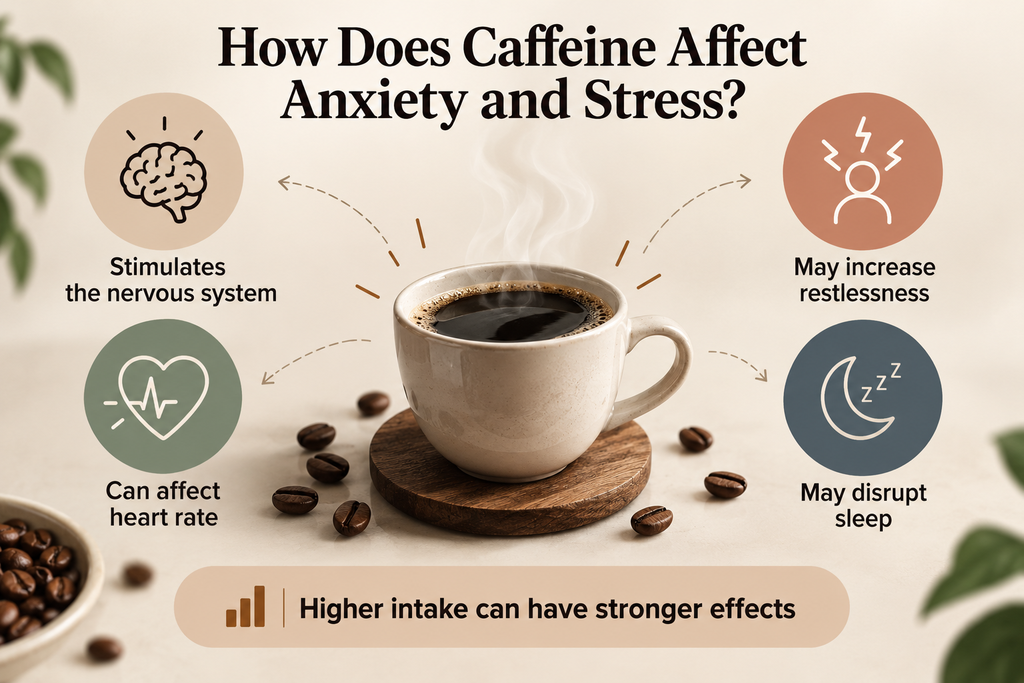
Research suggests that the effect can depend on how much caffeine you consume and how sensitive you are to it. A 2026 systematic review found evidence of a dose-dependent increase in anxiety-related effects, while a 2024 meta-analysis also found an association between caffeine intake and increased anxiety.
What Can Caffeine Do?
- Increase alertness — Caffeine stimulates the central nervous system.
- Cause restlessness — Higher amounts may make some people feel jittery or uneasy.
- Increase heart rate — This can sometimes feel similar to physical symptoms of anxiety.
- Affect sleep — Caffeine-related sleep disruption may contribute to anxiety symptoms.
Not everyone reacts to caffeine in the same way. Your usual caffeine intake, individual sensitivity, and the time of day you drink coffee can all influence how you feel.
How Much Caffeine Is in Decaf Coffee?
Decaf does not mean zero caffeine. According to the FDA, an 8-ounce cup of decaf coffee typically contains 2–15 mg of caffeine. Regular brewed coffee, by comparison, generally contains considerably more caffeine.
| Coffee Type | Typical Caffeine |
|---|---|
| Decaf coffee, 8 oz | 2–15 mg |
| Regular brewed coffee, 8 oz | About 80–100 mg |
| Caffeine-free beverage | 0 mg |
The exact amount can vary by coffee bean, decaffeination process, roast, serving size and brewing method. If you are particularly sensitive to caffeine, check the manufacturer’s information rather than assuming that every decaf coffee contains the same amount.
Bottom Line
Decaf coffee can be a good choice for people who enjoy coffee but want to reduce their caffeine intake. It is not completely caffeine-free and should not be viewed as a treatment for anxiety, but replacing regular coffee with decaf may help reduce exposure to a stimulant that can increase anxiety symptoms in some people.
For the best experience, choose a decaf bean based on caffeine content, decaffeination method, roast level, freshness and flavor preferences rather than focusing on the word “decaf” alone.