This page contains affiliate links. As an Amazon Associate I earn from qualifying purchases.
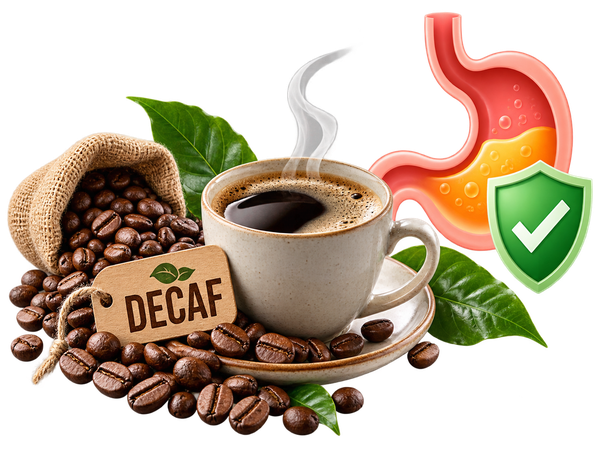
If coffee tends to trigger heartburn, switching to decaf may be worth trying. Decaffeinated coffee contains much less caffeine than regular coffee, and some studies have found that decaf can cause less reflux than caffeinated coffee.
Is Decaf Coffee OK for Acid Reflux?
Decaf coffee can be OK for some people with acid reflux, especially if caffeine appears to trigger their symptoms. Research has found that decaffeination can reduce reflux compared with regular coffee, although coffee itself contains other compounds that may affect the digestive system.
Key points:
- Less caffeine than regular coffee
- Not completely acid-free
- Low-acid and decaf are different
- Darker roasts may be less acidic
- Smaller servings may be easier to tolerate
- Individual reactions vary
Keep in mind that “low-acid” and “decaf” are not the same thing. A coffee can be decaffeinated without being specifically formulated as low-acid.
8 Best Decaf Coffee Beans to Try for Acid Reflux
There is no single coffee bean that works for everyone with reflux. Instead of looking only for a particular origin or brand, consider these eight types and characteristics when choosing your next bag.
Cafe Don Pablo Subtle Earth Decaf
Cafe Don Pablo Subtle Earth Decaf is a medium-dark roast made from 100% Arabica beans from Honduras. It uses the Swiss Water Process for decaffeination and is specifically marketed as a low-acidity coffee.
Key features:
- 100% Arabica beans
- Medium-dark roast
- Swiss Water decaffeination
- Certified organic and non-GMO
- Low-acidity profile with chocolate and caramel notes
For an acid reflux-focused coffee guide, this is one of the more straightforward choices because the manufacturer specifically identifies it as low acidity while also offering a decaf formula.

Kicking Horse Decaf Coffee
Kicking Horse Decaf is a dark-roast whole-bean coffee made from organic Arabica beans sourced from Central and South America.
Key features:
- Organic Arabica coffee
- Dark roast
- Swiss Water Process
- Roasted hazelnut and chocolate tasting notes
- Suitable for French press, drip, pour-over, and espresso
Its darker roast and relatively mellow flavor make it interesting for coffee drinkers who find bright, acidic-tasting coffees unpleasant.

Lifeboost Medium Roast Decaf Whole Bean Coffee
Lifeboost Medium Roast Decaf is a single-origin, 100% Arabica coffee with a medium roast profile. The beans are Swiss Water decaffeinated and are described by the brand as low-acid.
Key features:
- 100% single-origin Arabica
- Medium roast
- Swiss Water decaffeination
- Low-acid positioning
- Chocolate, fig, nutty, and dried-fruit notes
The combination of medium roasting and a rounded flavor profile makes this a versatile choice if you do not want an intensely dark coffee.

illy Decaf Espresso Ground Coffee
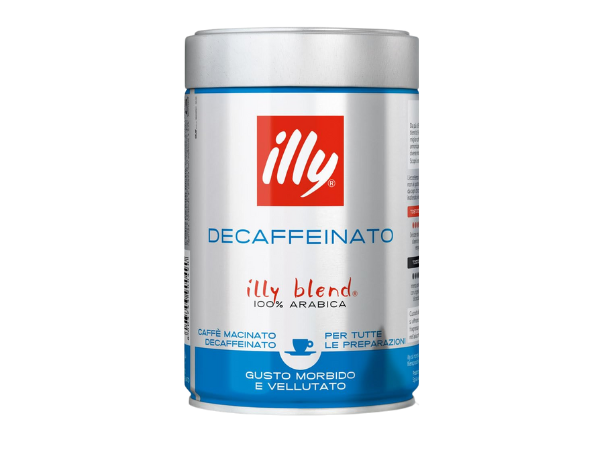
illy Decaf Espresso is a medium-roast ground coffee made from the brand’s 100% Arabica blend. It has a balanced flavor with notes of caramel, chocolate, and toasted bread, followed by a sweet finish.
Key features:
- 100% Arabica blend
- Medium roast
- Decaffeinated espresso coffee
- Caramel, chocolate, and toasted-bread notes
- Designed for Italian espresso preparation
This option makes sense for someone who wants decaf without moving away from a traditional espresso-style coffee.
Lavazza Dek
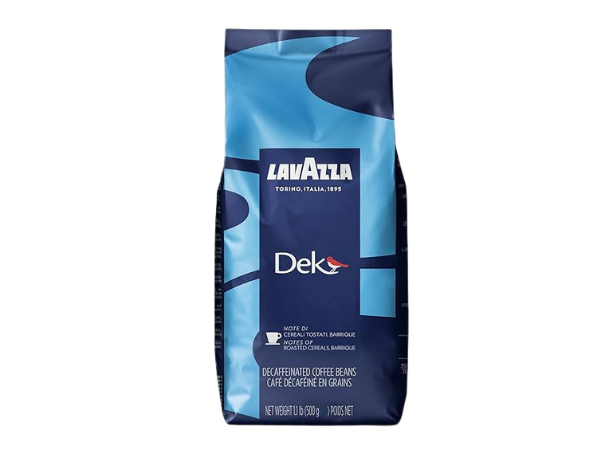
Lavazza Dek is an Italian decaffeinated coffee designed primarily for espresso machines and moka pots. The blend combines Arabica and Robusta beans, giving it a stronger traditional Italian coffee character.
Key features:
- 60% Arabica and 40% Robusta
- Medium roast
- Decaffeinated coffee
- Designed for espresso and moka pots
- Full, intense flavor with persistent crema
Lavazza Dek is a better match for someone who wants the taste and body of classic Italian coffee rather than a delicate decaf.
San Francisco Bay Coffee DECAF French Roast
San Francisco Bay Coffee DECAF French Roast is a dark-roast decaf available as whole beans and ground coffee. The company uses the Swiss Water Process for its decaffeinated coffees and states that the process removes 99.9% of the caffeine.
Key features:
- Dark French roast
- Swiss Water Process
- Available whole bean and ground
- Dark chocolate and brown-spice notes
- Long, smoky finish
This coffee can work well for people who prefer a darker, more intense cup while still wanting a decaf option.

Allegro Coffee Decaf Organic Espresso Bel Canto
Allegro Coffee Decaf Organic Espresso Bel Canto is a whole-bean organic decaf designed with espresso brewing in mind. Current product listings describe it as a medium roast with a rich profile featuring deep berry and cocoa-powder notes.
Key features:
- Organic decaf whole beans
- Medium roast
- Espresso-focused blend
- Deep berry and cocoa notes
- Suitable for espresso and milk-based drinks
The combination of berry sweetness and cocoa gives this coffee a different character from the darker chocolate-heavy decafs on this list.

How Does Decaf Coffee Affect Acid Reflux?
Caffeine is only one part of the equation. Older research found that decaffeination reduced reflux compared with regular coffee, but other studies suggest that coffee’s effects cannot be explained by caffeine alone.
- Less caffeine: Decaf may cause less reflux than regular coffee.
- Other compounds: Coffee still contains acids and other compounds.
- Roasting matters: Roasting changes coffee’s chemical composition.
- Brewing matters: Different methods can affect the final cup.
- Fasting may matter: Coffee on an empty stomach may trigger symptoms.
- Individual response: Everyone reacts differently to coffee.
A 1999 controlled study found no important overall effect of coffee on reflux in most tested situations, although coffee increased acid reflux when consumed during fasting in the GERD participants studied.
Does Decaf Coffee Have Acid?
Yes. Decaffeination removes most of the caffeine, but it does not remove all of the naturally occurring acids and other coffee compounds.
Roasting changes the concentration and balance of these compounds. Research shows that chlorogenic acids generally decrease as roasting becomes more intense, although coffee acidity is chemically complex and cannot be reduced to one specific compound.
This is why decaf and low-acid are two different terms.
How to Brew Decaf Coffee to Reduce Reflux
Choosing the right beans is only part of the equation. Your brewing habits may also affect how comfortable the coffee feels.
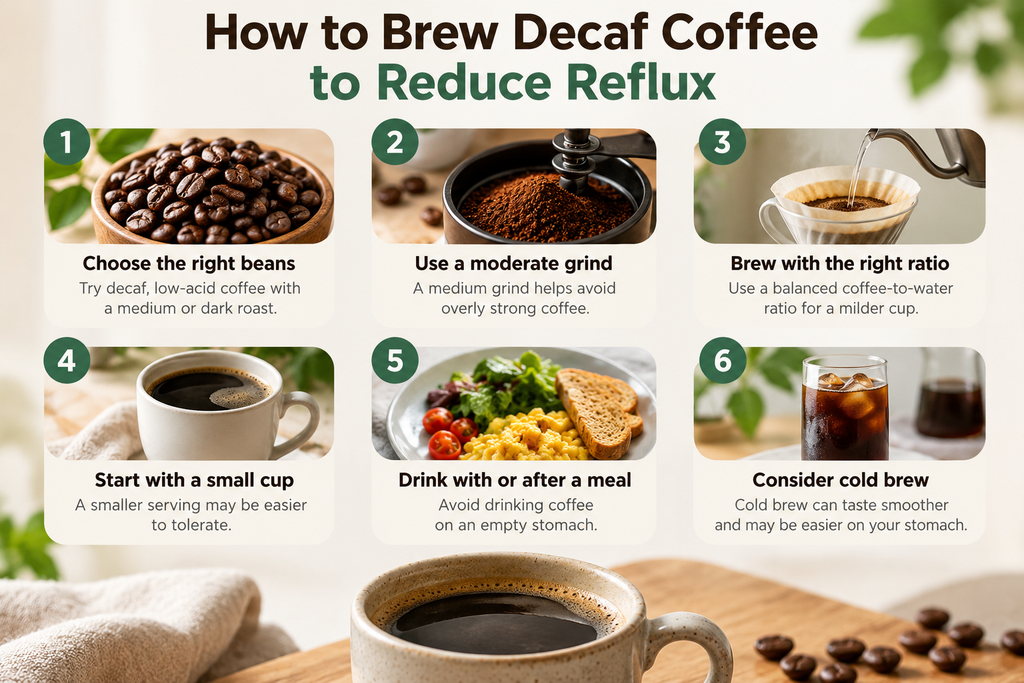
1. Start With a Small Cup
Instead of drinking a large mug immediately, start with a smaller serving. This makes it easier to see how your body responds.
2. Avoid Drinking It on an Empty Stomach
If coffee seems to cause symptoms when you have not eaten, try drinking it with or after a meal. Research has found that fasting can influence the reflux response to coffee in some people with GERD.
3. Don’t Make the Coffee Extremely Strong
A concentrated cup may be more difficult to tolerate than a milder brew. Try using a normal coffee-to-water ratio and adjust gradually.
4. Skip Common Reflux Triggers
Adding ingredients such as chocolate, peppermint, or high-fat creamers may make the drink less suitable for someone whose symptoms are triggered by those foods. NIDDK lists chocolate, mint, high-fat foods, and coffee among common GERD triggers for some people.
5. Give Cold Brew a Try
Cold-brew coffee can taste smoother and less sharp than some hot-brewed coffees. However, cold brew is not automatically low-acid or reflux-safe, so your personal response is still the best guide.
6. Avoid Coffee Close to Bedtime
If reflux tends to occur at night, timing matters. NIDDK recommends eating meals at least three hours before lying down or going to bed for people whose GERD symptoms occur at night or when lying down.