
This page contains affiliate links. As an Amazon Associate I earn from qualifying purchases.
Caffeine pills offer a simple way to get a measured amount of caffeine without brewing coffee or drinking an energy drink. They are available in different strengths, from lower-dose formulas to 200 mg tablets, and some combine caffeine with ingredients such as L-theanine.
What Is a Caffeine Pill and What Effects Can You Expect?
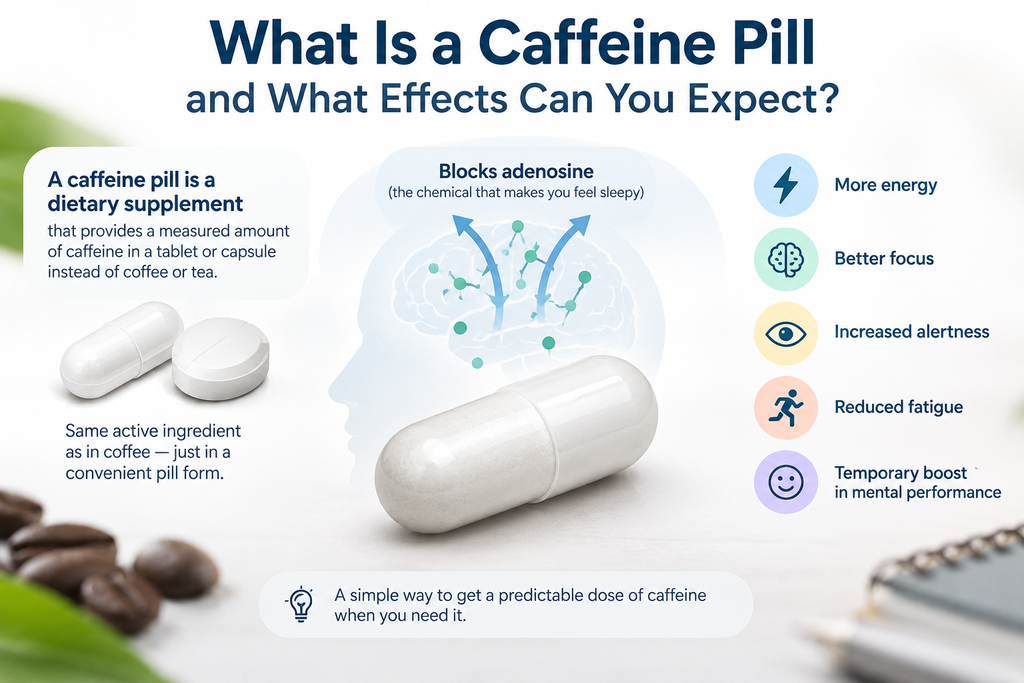
A caffeine pill is a dietary supplement that provides caffeine in a tablet, caplet, or capsule form. Instead of getting caffeine from coffee, tea, or an energy drink, you take a predetermined amount in a compact format.
Depending on the dose and your individual sensitivity to caffeine, you may notice:
- Increased alertness
- Greater wakefulness
- Improved ability to stay focused
- Reduced perception of fatigue
- Increased energy during physical activity
- A temporary boost in mental performance
The experience is not identical for everyone. Someone who regularly consumes caffeine may notice less of an effect than a person who rarely uses it.
Best 10 Caffeine Pills to Consider in 2026
The following options represent different approaches to caffeine supplementation, including standard caffeine tablets, lower-dose formulas, and products combining caffeine with L-theanine or other ingredients.
1. Nutricost Caffeine Pills — Best for Everyday Energy
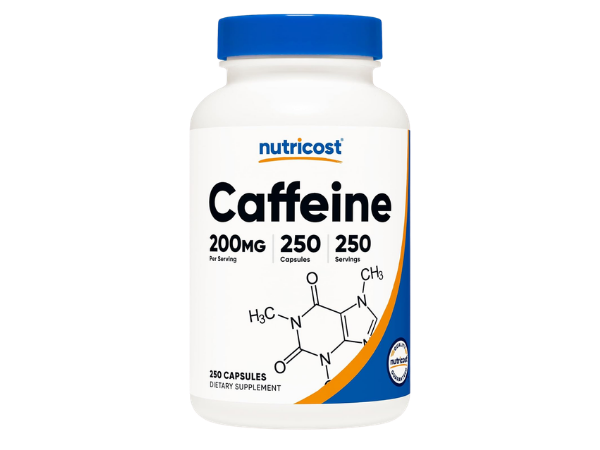
Nutricost Caffeine Pills provide 200 mg of caffeine per serving, making them a straightforward option for people looking for a substantial caffeine dose without additional stimulants.
Key points:
- 200 mg caffeine per serving
- Straightforward caffeine formula
- Designed for energy and alertness
- Convenient alternative to coffee
- Suitable for people who prefer a higher caffeine serving
Consider it if: you want a simple caffeine supplement with a clearly stated 200 mg serving.
2. SmarterVitamins Caffeine — Best for Smooth Energy & Focus
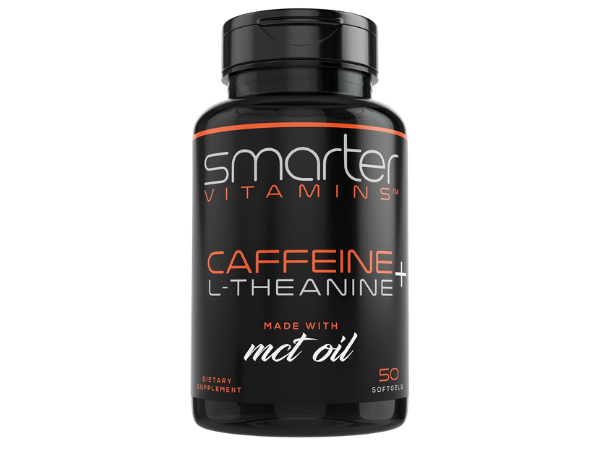
This formula combines 200 mg of caffeine with 100 mg of L-theanine and coconut MCT oil.
The combination is aimed at people who want caffeine alongside ingredients commonly associated with focus and mental performance. L-theanine is an amino acid naturally found in tea and is frequently paired with caffeine in nootropic-style supplements.
Key points:
- 200 mg caffeine
- 100 mg L-theanine
- Includes coconut MCT oil
- Focus-oriented formula
- Convenient single supplement
Consider it if: you prefer a caffeine product that combines stimulation with L-theanine.
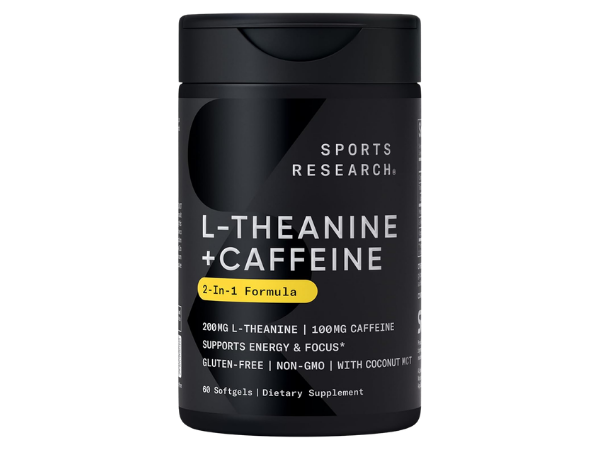
3. Sports Research L-Theanine + Caffeine — Best for Focus
Sports Research combines caffeine with L-theanine in a formula designed around mental focus and alertness.
Rather than offering caffeine alone, this type of supplement is aimed at consumers who specifically want a combination formula.
Key points:
- Caffeine and L-theanine formula
- Focus-oriented supplement
- Convenient capsule format
- Designed for mental alertness
Consider it if: focus is more important to you than simply getting the highest caffeine dose.
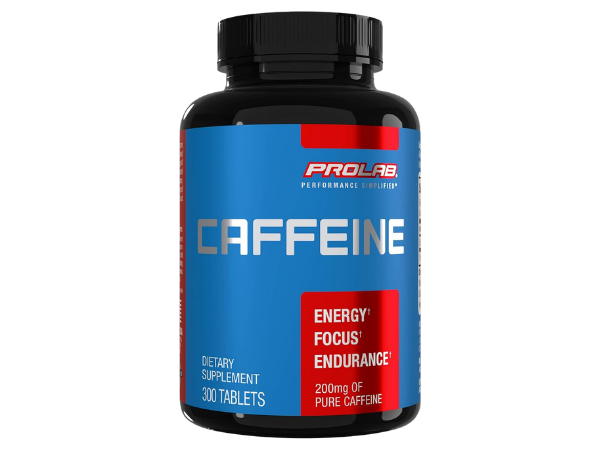
4. ProLab Caffeine 200mg — A Solid Choice for Energy & Endurance
ProLab Caffeine provides 200 mg of caffeine and is marketed toward energy, focus, endurance, and pre-workout use.
Its simple caffeine-based approach makes it particularly relevant for people who already use supplements around exercise and want caffeine without buying a multi-ingredient pre-workout formula.
Key points:
- 200 mg caffeine
- Energy and focus support
- Suitable for workout routines
- Simple formula
- Pre-workout-friendly option
Consider it if: you want caffeine that can fit into an exercise or pre-workout routine.
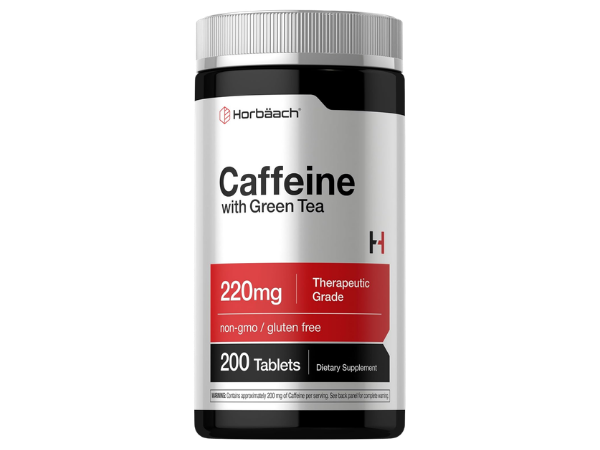
5. Horbäach Caffeine Pills 220mg — With Green Tea for Added Support
Horbäach offers a slightly higher stated serving of 220 mg caffeine and includes green tea in its formula.
The combination makes it different from basic caffeine-only tablets. However, because caffeine can come from multiple sources in combination products, it’s important to consider the total caffeine amount rather than looking at individual ingredients separately.
Key points:
- 220 mg caffeine per serving
- Includes green tea
- Higher-dose option
- Tablet format
- Suitable for consumers looking beyond plain caffeine
Consider it if: you prefer a caffeine supplement that includes green tea as part of the formula.
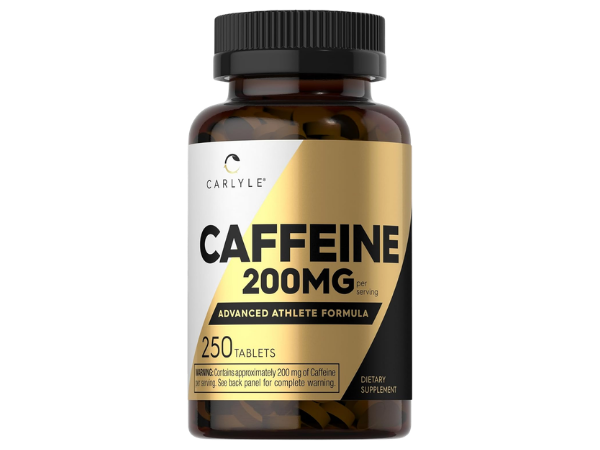
6. Carlyle Caffeine Pills 200mg — 250 Tablets for Long-Term Value
Carlyle’s caffeine tablets provide 200 mg per serving and come in a large 250-tablet bottle.
A larger bottle can make sense for people who use caffeine tablets regularly and prefer buying a higher quantity at once.
Key points:
- 200 mg caffeine
- 250 tablets
- Large-count bottle
- Simple caffeine format
- Convenient for regular users
Consider it if: quantity and convenience are important factors when comparing caffeine supplements.
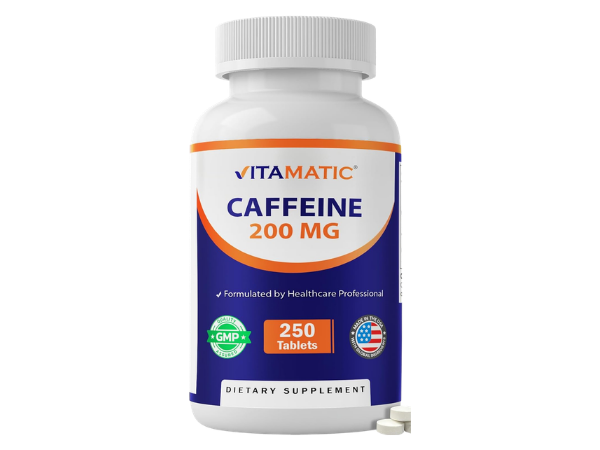
7. Vitamatic Caffeine 200mg — A High-Count Vegetarian Option
Vitamatic provides 200 mg of caffeine per serving in vegetarian tablets. The straightforward formula makes it another option for people who don’t need additional nootropic ingredients.
Its vegetarian tablet format may also appeal to consumers who pay attention to supplement formulation.
Key points:
- 200 mg caffeine
- 250 vegetarian tablets
- Simple formula
- High tablet count
- Designed for energy and alertness
Consider it if: you want a high-count caffeine supplement in vegetarian tablet form.
8. NoDoz 200mg Maximum Strength — A Well-Known Caffeine Tablet
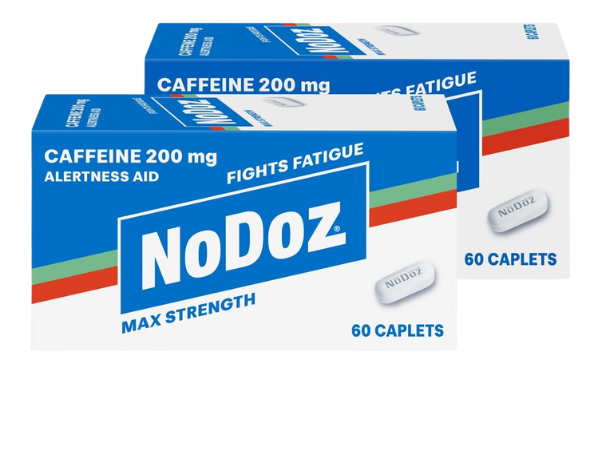
NoDoz is one of the more recognizable names in caffeine tablets. Its Maximum Strength product provides 200 mg of caffeine per caplet.
Unlike newer supplement brands, NoDoz has long been associated specifically with caffeine tablets, making it a familiar choice for consumers looking for a traditional caffeine product.
Key points:
- 200 mg caffeine
- Maximum Strength formulation
- 120 caplets
- Traditional caffeine tablet format
- Recognizable caffeine-focused brand
Consider it if: you prefer a familiar caffeine tablet rather than a complex supplement blend.
9. VALI Caffeine 50mg + L-Theanine — A Lower-Dose Option for Smooth Energy
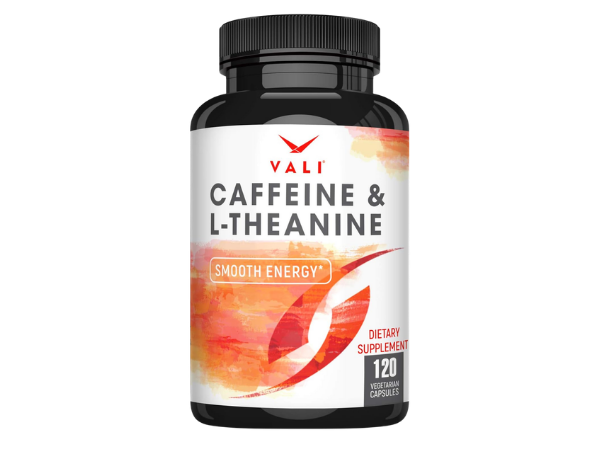
VALI takes a different approach with 50 mg of caffeine and 100 mg of L-theanine.
The lower caffeine amount makes this particularly interesting compared with the many 200 mg products in this category. It may be worth considering for people who are more sensitive to caffeine or prefer smaller servings.
Key points:
- 50 mg caffeine
- 100 mg L-theanine
- Lower-dose caffeine option
- Focus-oriented formula
- Designed for a smoother caffeine experience
Consider it if: 200 mg feels like more caffeine than you need.
10. Vivarin Caffeine Pills 200mg — A Classic Caffeine Tablet
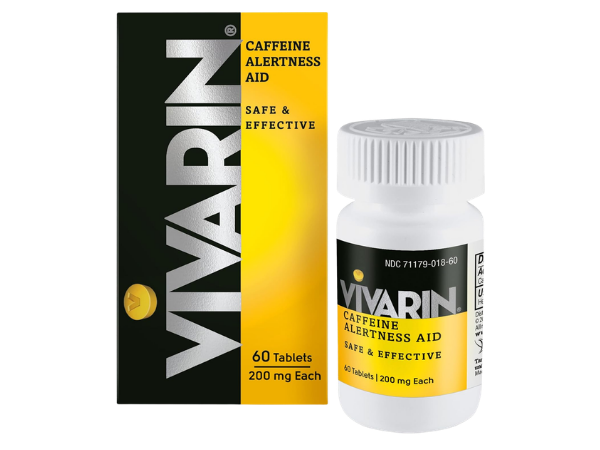
Vivarin is another established name in the caffeine-tablet category. Its caffeine tablets provide 200 mg per serving and are positioned as an energy supplement.
Its familiar tablet format makes it a straightforward alternative to drinking coffee when you want a measured caffeine serving.
Key points:
- 200 mg caffeine
- 60 tablets
- Traditional caffeine tablet
- Energy-focused formula
- Convenient alternative to coffee
Consider it if: you want a recognizable caffeine tablet with a simple format.
How Much Caffeine Is in a Pill?
The amount of caffeine in a pill varies by product. Many caffeine tablets contain 200 mg per serving, while lower-dose products may provide 50 or 100 mg.
When comparing products, check three things:
- Caffeine per tablet — Don’t assume the serving size equals one pill.
- Serving size — Some labels define a serving as more than one tablet.
- Other caffeine sources — Green tea, guarana, coffee extract, and other ingredients can also contribute caffeine.
Caffeine pills come in different strengths, so checking the label is important. Most options provide around 200 mg per serving, while lower-dose pills may contain 50 or 100 mg.
Why Caffeine Dosage Matters
More caffeine does not necessarily mean a better result. The ideal amount depends on factors such as your caffeine tolerance, sensitivity, the time of day, and whether you’re also consuming coffee, tea, energy drinks, or other caffeinated products.
How Long Do Caffeine Pills Take to Work?
Caffeine pills generally don’t work instantly. After you take a tablet, caffeine needs to be absorbed into your system before you begin noticing its effects.
Many people start noticing caffeine’s effects within roughly 15–45 minutes, although the timing can vary.
Several factors can influence how quickly you feel the effects:
- Whether you have eaten recently
- Your individual metabolism
- Caffeine tolerance
- The specific formulation
- Your sensitivity to caffeine
- The amount consumed
The effects may become more noticeable after the initial onset and can remain in your system for several hours.
When Should You Take a Caffeine Pill?
Timing depends on why you’re using caffeine.
For daytime alertness, taking it before you expect to become tired may be more useful than waiting until you’re already struggling to stay awake.
For exercise, some people use caffeine before a workout because its stimulating effects can be useful during physical activity.
However, taking caffeine too late in the day can interfere with sleep. Even if you don’t feel particularly stimulated at bedtime, caffeine can remain in your system for hours.
Caffeine Pills vs. Coffee: What’s the Difference?
Pills make it easier to control your caffeine intake and take your dose anywhere, while coffee provides caffeine as part of a drink and adds flavor, aroma, and a familiar daily ritual.
| Feature | Caffeine Pills | Coffee |
|---|---|---|
| Caffeine amount | Usually clearly labeled | Can vary |
| Preparation | No brewing required | Requires preparation |
| Convenience | Very portable | Less convenient |
| Taste | No taste | Flavor and aroma |
| Dose consistency | Generally more predictable | Can vary by cup |
| Additional compounds | Depends on formula | Naturally contains various coffee compounds |
| Calories | Usually minimal | Depends on additions |
| Speed of use | Quick and convenient | Requires brewing/drinking |
Overall, caffeine pills are more convenient when you want a measured and portable dose of caffeine, while coffee offers a more flexible experience that includes taste, aroma, and the option to adjust the strength of your drink.
Caffeine Pills
The biggest advantage of caffeine pills is dose convenience. You can carry them easily and know the stated caffeine amount without measuring coffee or estimating how strong a cup is.
They’re particularly convenient for travel, work, studying, or situations where coffee isn’t readily available.
Coffee
Coffee offers more than caffeine. Many people choose it for the taste, aroma, ritual, and social experience as much as for its stimulating effect.
Coffee also allows you to adjust the serving size and strength, although this means the actual caffeine content can be less predictable.
Which One Should You Choose?
Choose caffeine pills if you prioritize portability, convenience, and a predictable caffeine dose.
Choose coffee if you enjoy the brewing process and taste or prefer getting caffeine as part of a beverage.
Neither option is automatically better for everyone. The better choice depends on your caffeine habits, sensitivity, and personal preferences.