
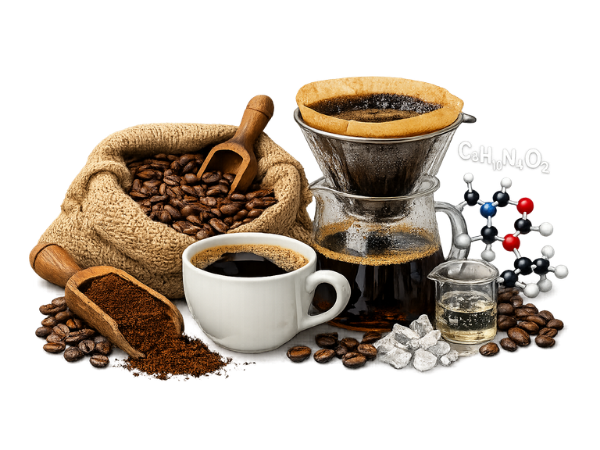
Unlike espresso, which is concentrated and intense, filter coffee allows water to pass slowly through ground beans, extracting flavors and caffeine in a more gradual process. This makes it an ideal choice for those who enjoy savoring a larger cup with nuanced notes.
What Is the Filter Coffee?
Filter coffee refers to a brewing method where hot water passes through ground coffee held in a paper or metal filter, producing a clean, aromatic beverage. It is distinct from espresso, which uses pressure, and from instant coffee, which is pre‑processed.
- Brewing method – Hot water flows through coffee grounds by gravity, not pressure.
- Filter types – Paper filters absorb oils, while metal filters allow more body.
- Flavor profile – Typically lighter, more nuanced, and less bitter than espresso.
- Serving size – Usually larger cups, ranging from 200–400 ml.
- Global popularity – Common in Europe, North America, and Asia.
Filter coffee is often considered the “slow brew” option, allowing drinkers to appreciate subtle notes of origin and roast.
How Much Caffeine Is in a Typical Cup of Filter Coffee?
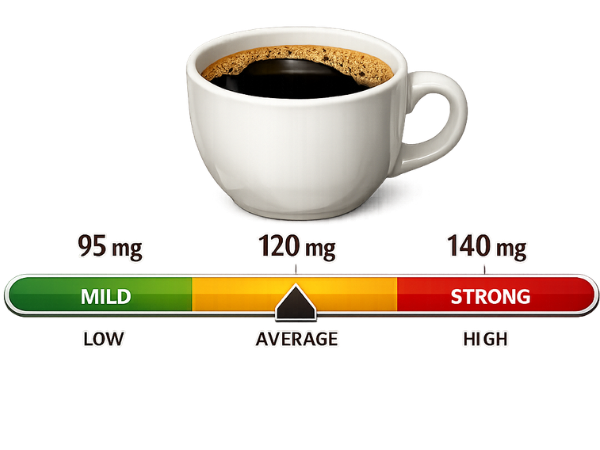
The caffeine content in filter coffee varies depending on bean type, grind, and brewing time, but on average, an 8‑oz (240 ml) cup contains between 95–140 mg of caffeine.
- Average caffeine – Roughly 100 mg per standard serving.
- Cup size impact – Larger mugs naturally deliver more caffeine.
- Bean variety – Robusta beans contain nearly twice the caffeine of Arabica.
- Brewing strength – Stronger brews extract more caffeine per ml.
- Comparison – Filter coffee has more caffeine overall than espresso due to larger serving size.
While espresso is more concentrated, filter coffee often delivers more total caffeine because of its volume. This makes it a preferred choice for those seeking sustained energy rather than a quick jolt.
Best Coffee Beans for Filter Coffee
Choosing the right beans is essential for both flavor and caffeine balance in filter coffee. Specialty roasters often recommend medium‑roast Arabica beans for clarity, but blends with Robusta can increase strength.
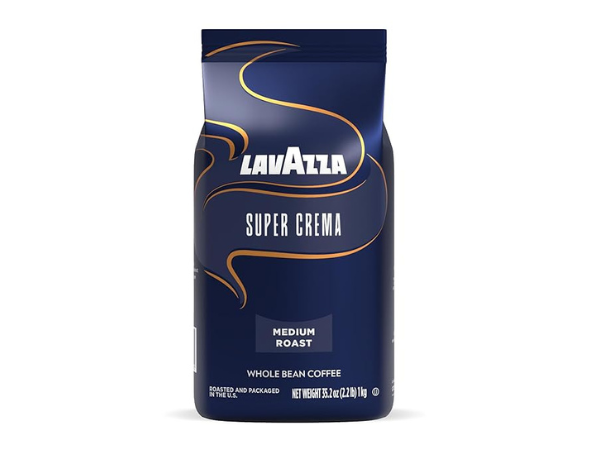
Lavazza Super Crema
Lavazza Super Crema is one of the most popular blends from Italy’s iconic coffee brand. This medium roast blend combines beans from Brazil, Colombia, and Indonesia, offering a flavor profile that appeals to a wide range of coffee drinkers.
Defining features of Lavazza Super Crema:
- Balanced Flavor – Notes of honey, almonds, and dried fruit.
- Medium Roast – Smooth taste with gentle acidity.
- Velvety Crema – Creates a rich, golden layer on espresso.
- Versatile Brewing – Works well for espresso, drip, and French press.
- Trusted Brand – Lavazza’s heritage ensures consistent quality.
Whether brewed as espresso or filter coffee, it offers a comforting, approachable flavor that suits both casual drinkers and enthusiasts.
Peet’s Coffee French Roast
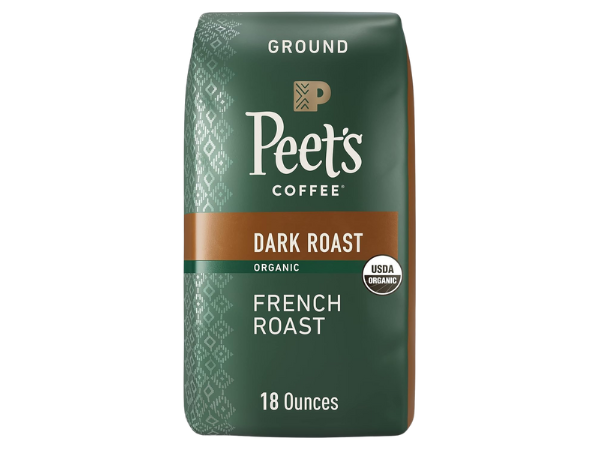
Peet’s Coffee French Roast is a bold, dark roast that has become a staple for fans of strong, smoky flavors. Known for its deep intensity, this blend is roasted to the edge of darkness, producing a cup that is powerful yet smooth.
Defining features of Peet’s French Roast:
- Dark Roast Profile – Intense, smoky, and full‑bodied.
- Rich Aroma – Notes of dark chocolate and toasted caramel.
- Smooth Finish – Bold flavor without bitterness.
- Versatile Brewing – Excellent for drip, pour‑over, and French press.
- Legacy Brand – Peet’s has been roasting since 1966, trusted by coffee lovers.
Its bold character makes it a favorite for morning brews, offering the kind of depth and richness that stands out in filter coffee.
Brewing Time and Its Impact on Caffeine Strength
Brewing time directly affects caffeine extraction. Longer contact between water and coffee grounds generally increases caffeine levels, but over‑extraction can lead to bitterness.
- Short brew – Less caffeine, lighter flavor.
- Standard brew – 4–6 minutes for balanced taste and caffeine.
- Extended brew – Higher caffeine but risk of harsh flavors.
- Cold brew – Steeps for hours, producing smooth but strong caffeine.
- Consistency – Essential for predictable caffeine levels.
Managing brew time allows drinkers to fine‑tune strength. A carefully timed extraction ensures both enjoyable taste and reliable caffeine delivery.
Coffee-to-Water Ratio and Caffeine Levels Explained
The ratio of coffee grounds to water is one of the most important factors in determining caffeine strength. Standard recommendations are 1:15 to 1:17 (coffee to water by weight).
- Strong ratio – More grounds per water yield higher caffeine.
- Balanced ratio – Standard 1:16 ratio ensures clarity and strength.
- Weak ratio – Less caffeine, lighter body.
- Precision – Digital scales help maintain consistency.
- Taste impact – Ratios influence both caffeine and flavor balance.
Adjusting ratios allows customization of caffeine levels without altering brewing time. This flexibility makes filter coffee highly adaptable to personal preference.
How Grind Size Affects Caffeine Extraction
Grind size determines how quickly water extracts caffeine and flavor compounds. Fine grinds increase extraction speed, while coarse grinds slow it down.
- Fine grind – Higher caffeine but risk of bitterness.
- Medium grind – Ideal for balanced filter brewing.
- Coarse grind – Lower caffeine, lighter taste.
- Uniformity – Consistent grind ensures even extraction.
- Grinder quality – Burr grinders provide precision and consistency.
Grind size is a controllable variable that directly impacts caffeine strength. Adjusting it allows coffee drinkers to fine‑tune both flavor and energy levels.
Does Roast Level Change Caffeine Content in Filter Coffee?
Roast level influences flavor more than caffeine content, but it does affect perception. Contrary to popular belief, darker roasts do not contain less caffeine — they simply taste bolder.
- Light roast – Bright flavors, slightly higher density per bean.
- Medium roast – Balanced taste, widely preferred for filter brewing.
- Dark roast – Bold flavor, perceived as stronger though caffeine is similar.
- Roast myths – Misconceptions about caffeine loss in roasting.
- Flavor impact – Roast level changes taste profile more than caffeine.
Ultimately, roast level is a matter of taste preference rather than caffeine control. Coffee lovers should choose based on flavor, knowing caffeine content remains relatively stable across roast levels.