
Caffeine
12–18 mg
Note: Caffeine amounts are based on the cocoa solids used in Cadbury Dairy Milk chocolate. Levels may vary slightly depending on regional recipes and manufacturing processes.
| Attribute | Value |
|---|---|
| Total Caffeine | 12–18 mg |
| Caffeine Level | Low |
| Serving Size | 100 g bar |
| Sugar | 56 g |
| Calories | 534 kcal |
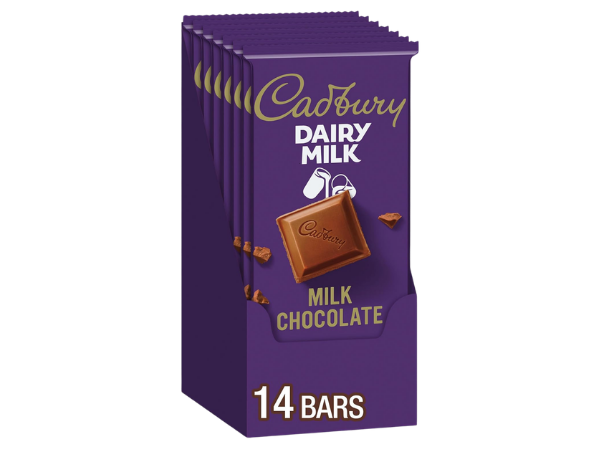
Cadbury Dairy Milk is one of the world’s most iconic chocolate bars, loved for its creamy texture and sweet flavor. While it is primarily enjoyed as a treat, many people are curious about its nutritional profile, especially its caffeine content.
What Is the Cadbury Dairy Milk Chocolate Bar?
The Cadbury Dairy Milk chocolate bar is a flagship product of Cadbury, first launched in 1905 in the United Kingdom. It quickly became popular due to its rich, creamy taste, achieved by using a higher proportion of milk compared to other chocolates of its time.
- Classic Milk Chocolate – Smooth and creamy, made with fresh milk and cocoa solids.
- Variety Flavors – Includes options like Fruit & Nut, Caramel, and Oreo.
- Global Popularity – Available in over 30 countries, with regional variations.
- Heritage – Over 100 years of tradition in chocolate-making.
- Packaging – Distinctive purple wrapper symbolizing quality and indulgence.
Its creamy taste and global reach make it a staple in the confectionery world, appealing to both children and adults.
How Many Calories Are in a Cadbury Dairy Milk Chocolate Bar?
Calories are an important consideration for those monitoring their diet. A standard 100 g Cadbury Dairy Milk bar contains approximately 534 calories, making it a high-energy snack. These calories come primarily from sugar and fat, which contribute to its sweet taste and smooth texture.
- 100 g Bar – Around 534 calories.
- Smaller Portions – Mini bars or snack sizes contain fewer calories, typically 120–150 per serving.
- Calories from Fat – Roughly 50% of total calories.
- Calories from Sugar – A significant portion comes from added sugars.
- Comparison – Dark chocolate often has fewer sugars but similar calorie counts.
While Cadbury Dairy Milk is calorie-dense, it is usually consumed in moderation as a treat rather than a staple food. Portion control is key to enjoying it without exceeding daily energy needs.
How Much Sugar Is in Cadbury Dairy Milk Chocolate?
Sugar is one of the main ingredients in Cadbury Dairy Milk, giving it its signature sweetness. A 100 g bar contains about 56 g of sugar, which is more than double the recommended daily intake for adults.
- Sugar Content – 56 g per 100 g bar.
- Daily Limit – WHO recommends less than 25 g per day for optimal health.
- Impact – Excess sugar can contribute to weight gain, diabetes, and dental issues.
- Alternatives – Dark chocolate or sugar-free versions may be healthier.
- Taste Balance – Sugar enhances creaminess and balances cocoa bitterness.
Although the sugar content is high, Cadbury Dairy Milk is designed as a treat, not a health food. Moderation is essential to avoid excessive sugar intake.
Does Cadbury Dairy Milk Chocolate Contain Caffeine?
Yes, Cadbury Dairy Milk contains caffeine, but in small amounts compared to coffee or tea. The caffeine comes naturally from cocoa solids used in the recipe.
- Caffeine in 100 g – 12–18 mg.
- Comparison to Coffee – A cup of coffee has 95–120 mg, much higher.
- Comparison to Tea – Black tea has 40–70 mg per cup.
- Safe Levels – Most adults can safely consume up to 400 mg per day.
- Sensitivity – Those sensitive to caffeine may notice mild effects.
For most people, the caffeine in Cadbury Dairy Milk is negligible. However, children or caffeine-sensitive individuals should be aware of its presence.
Cadbury Dairy Milk Ingredients and Nutrition Facts Explained
Cadbury Dairy Milk is crafted with a blend of simple yet indulgent ingredients that give it its signature creamy taste. Each component plays a role in shaping the chocolate’s flavor, texture, and nutritional profile.
- Milk – Provides creaminess and calcium.
- Sugar – Adds sweetness and energy.
- Cocoa Solids – Source of flavor and caffeine.
- Vegetable Fats – Helps achieve smooth texture.
- Emulsifiers – Maintain consistency and shelf life.
The nutritional profile shows high sugar and fat, moderate protein, and small amounts of caffeine. While delicious, it should be consumed in moderation.
Is Cadbury Dairy Milk Chocolate Gluten-Free?
Gluten-free diets are increasingly common, and many chocolate lovers wonder if Cadbury Dairy Milk fits into this category. The classic bar is generally considered gluten-free because it does not contain wheat, barley, or rye.
- Classic Bar – Generally gluten-free.
- Flavored Versions – Some may contain gluten (e.g., Oreo).
- Cross-Contamination – Manufacturing facilities may process gluten products.
- Label Check – Always check packaging for allergen warnings.
- Alternatives – Certified gluten-free chocolates are available.
In summary, while the classic Cadbury Dairy Milk bar is typically gluten-free, those with celiac disease or gluten intolerance should remain cautious. Regional recipes and factory practices can vary, so checking the packaging is the safest way to confirm.
Does Cadbury Hot Chocolate Contain Milk?
Cadbury Hot Chocolate is a comforting beverage enjoyed worldwide, but its milk content depends on the specific product and preparation method. The classic powdered mix often contains milk derivatives, and most recipes recommend mixing it with hot milk for a creamy texture.
- Powder Mix – Contains cocoa and sugar, often with milk powder.
- Preparation – Usually mixed with hot milk for creaminess.
- Variants – Some versions are dairy-free, designed for vegans.
- Taste – Rich, sweet, and comforting.
- Nutritional Profile – Similar to chocolate bars, high in sugar.
In conclusion, most Cadbury Hot Chocolate products do contain milk, either directly in the powder or through preparation with hot milk.
Is Cadbury Dairy Milk Chocolate a Healthy Treat? Final Verdict
Cadbury Dairy Milk is undeniably delicious, but when it comes to health, the verdict is mixed. Its creamy texture and sweet flavor make it a popular indulgence, yet its nutritional profile shows high sugar and calorie content.
- Pros – Creamy taste, source of calcium, small caffeine boost.
- Cons – High sugar, high calories, limited nutritional value.
- Moderation – Best enjoyed in small portions.
- Alternatives – Dark chocolate or sugar-free varieties.
- Lifestyle Fit – Works as an occasional indulgence, not a daily snack.
In conclusion, Cadbury Dairy Milk is a comforting and nostalgic chocolate bar that delivers joy but should be consumed in moderation.