
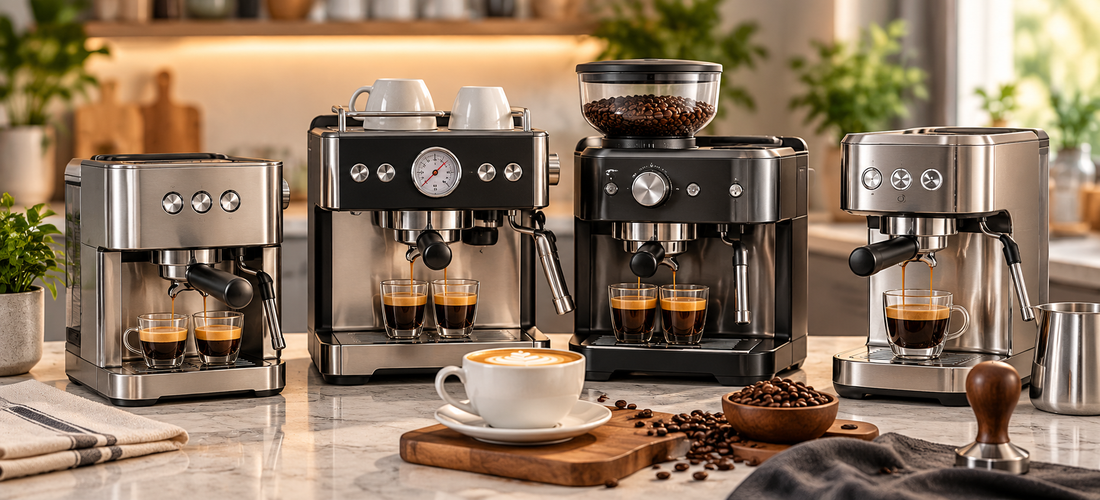
Finding an espresso machine that is easy to dial in can make learning espresso less frustrating. Consistent temperature, adjustable settings, and reliable dosing help beginners achieve balanced shots without endless trial and error.
What Does “Dialing In” Espresso Mean?
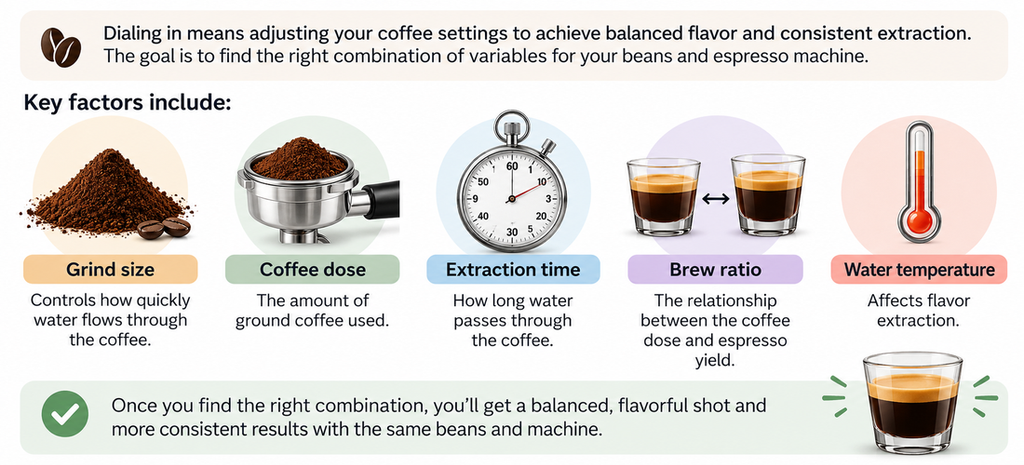
Dialing in means adjusting your coffee settings to achieve balanced flavor and consistent extraction. The goal is to find the right combination of variables for your beans and espresso machine.
Key factors include:
- Grind size: Controls how quickly water flows through the coffee.
- Coffee dose: The amount of ground coffee used.
- Extraction time: How long water passes through the coffee.
- Brew ratio: The relationship between the coffee dose and espresso yield.
- Water temperature: Affects flavor extraction.
Once you find a combination that tastes good, keep the settings consistent. This makes it easier to repeat successful shots and adjust your recipe when you change beans.
Best Espresso Machines That Are Easy to Dial In
A machine does not need every feature to produce good espresso. A reliable grinder and consistent brewing temperature often matter more than extra settings, especially for beginners.
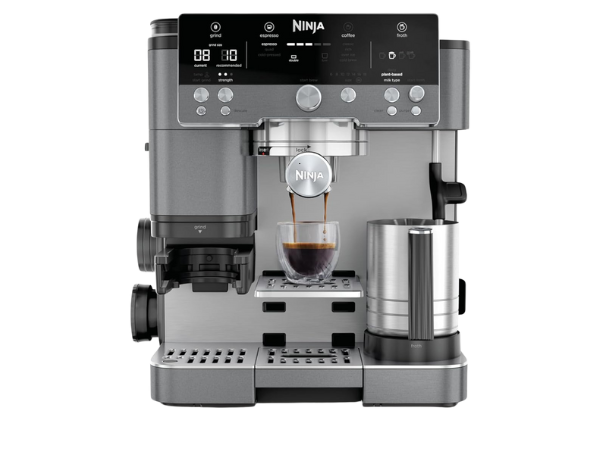
Ninja Luxe Café Premier ES601
The Ninja Luxe Café Premier simplifies espresso preparation with guided settings and automatic dosing. Its built-in grinder and Barista Assist technology help beginners adjust brewing without relying entirely on trial and error.
Key features:
- Grinder: Integrated conical burr grinder
- Grind settings: 25 options
- Dosing: Built-in scale for weight-based dosing
- Guidance: Automatic grind recommendations
- Brewing: Monitors and adjusts temperature and pressure
- Additional functions: Espresso, drip coffee, and cold brew
The Ninja suits beginners who want guided brewing and more consistent espresso without adjusting every setting manually.
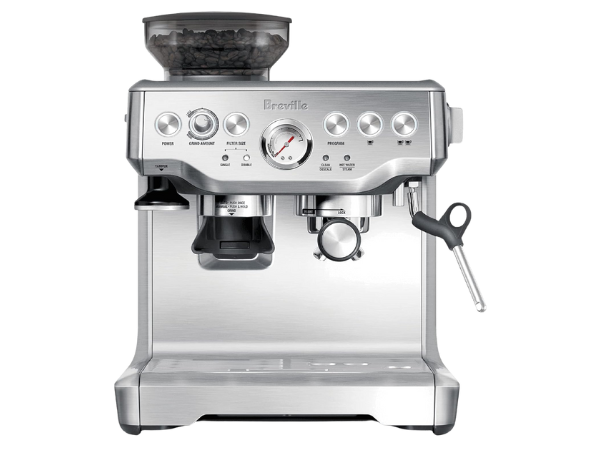
Breville Barista Express
The Breville Barista Express combines an espresso machine and grinder in one unit. Adjustable grinding, dose control, and temperature regulation give users the tools to develop a consistent brewing recipe.
Key features:
- Grinder: Integrated conical burr grinder
- Grind settings: 16 options
- Dosing: Adjustable grind amount with automatic dosing
- Temperature: PID control
- Extraction: Low-pressure pre-infusion followed by 9-bar extraction
- Feedback: Espresso pressure gauge and programmable shot volumes
Beginners can adjust the grind and dose while monitoring extraction, making it useful for learning how different settings affect flavor.
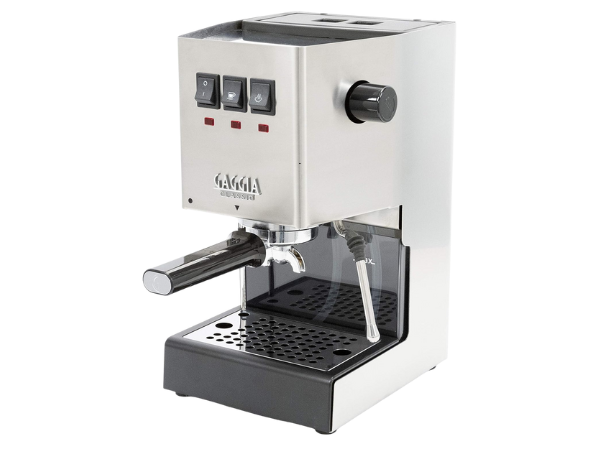
Gaggia Classic Pro E24
The Gaggia Classic Pro E24 is a traditional semi-automatic espresso machine built with durable components and a brass boiler.
Key features:
- Boiler: Single brass boiler
- Portafilter: Commercial-style 58 mm
- Extraction pressure: 9-bar OPV
- Temperature control: No built-in PID
- Brewing system: Three-way solenoid valve
- Milk preparation: Commercial-style steam wand
The Gaggia suits users learning traditional espresso skills, but its lack of PID control makes temperature consistency harder for beginners.
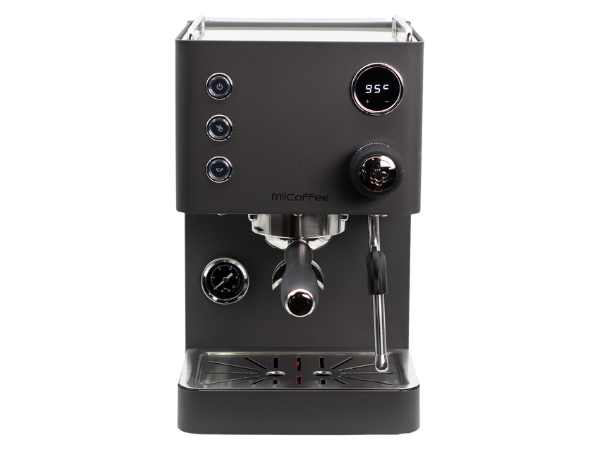
MiiCoffee Apex Espresso Machine V2
The MiiCoffee Apex V2 offers adjustable temperature and pre-infusion, while its pressure gauge helps users monitor extraction and refine their espresso settings.
Key features:
- Boiler: 550 ml stainless steel brew boiler
- Heating system: Separate steam thermoblock
- Temperature: Dual PID controls for brewing and steaming
- Brew temperature: Adjustable from 85°C to 102°C
- Pressure feedback: Built-in pressure gauge
- Extraction: Adjustable pre-infusion and OPV on the V2
The Apex V2 suits enthusiasts who want precise brewing control. It requires a separate grinder, and its extra settings take practice to master.
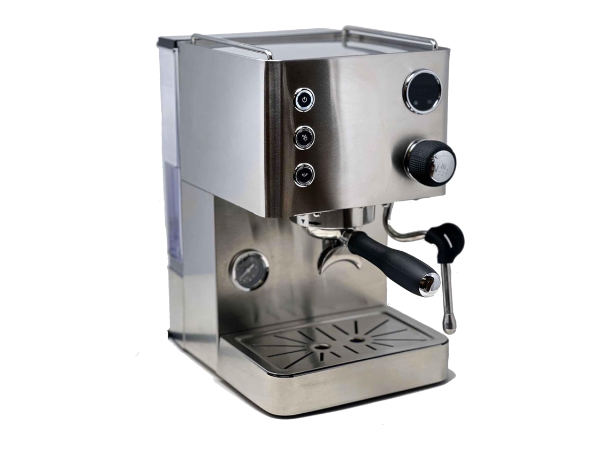
Turin Legato V2 Espresso Machine
The Turin Legato V2 offers adjustable temperature, pre-infusion, and pressure settings, making it a useful option for experimenting with espresso recipes.
Key features:
- Brew boiler: 550 ml stainless steel
- Steam system: Separate thermoblock
- Temperature: Independent brew and steam PID settings
- Pressure: Externally adjustable OPV
- Pre-infusion: Adjustable duration and delay
- Portafilter: Standard 58 mm
The Legato V2 offers extensive control for its class, allowing users to tune temperature, pressure, and pre-infusion.
De’Longhi La Specialista Arte Evo
The La Specialista Arte Evo combines an integrated grinder with guided dosing and tamping accessories. Its temperature profiles and adjustable grinding settings help users explore different coffees without assembling a separate grinder setup.
Key features:
- Grinder: Integrated grinder with adjustable settings
- Temperature: Three infusion temperature profiles
- Temperature stability: Active Temperature Control
- Pump: 15-bar rated pump
- Dosing: Dosing and tamping guide
- Additional functions: Manual steam wand and cold brew preparation
The Arte Evo is a convenient all-in-one machine with an integrated grinder and temperature controls that help simplify espresso dialing in.

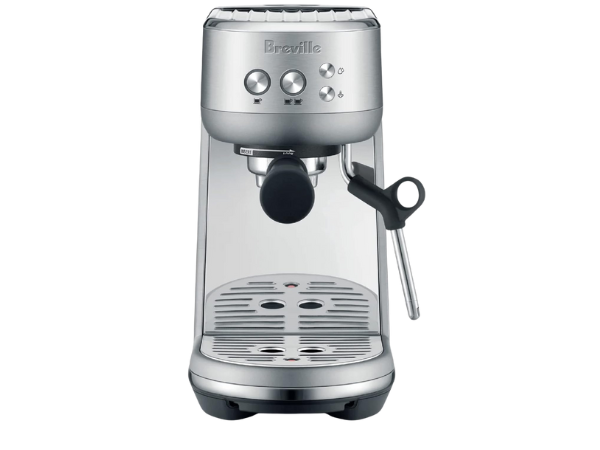
Breville Bambino Plus
The Breville Bambino Plus heats quickly and offers automatic milk texturing. PID temperature control and low-pressure pre-infusion help deliver consistent espresso with minimal effort.
Key features:
- Heating system: ThermoJet, ready in approximately 3 seconds
- Temperature: PID control
- Extraction: Low-pressure pre-infusion followed by 9-bar extraction
- Portafilter: 54 mm
- Shot controls: One- and two-cup volumetric settings
- Milk frothing: Automatic texturing with adjustable temperature and texture
The Bambino Plus is beginner-friendly and easy to operate. Since it lacks a built-in grinder, a separate espresso grinder is essential for dialing in shots.
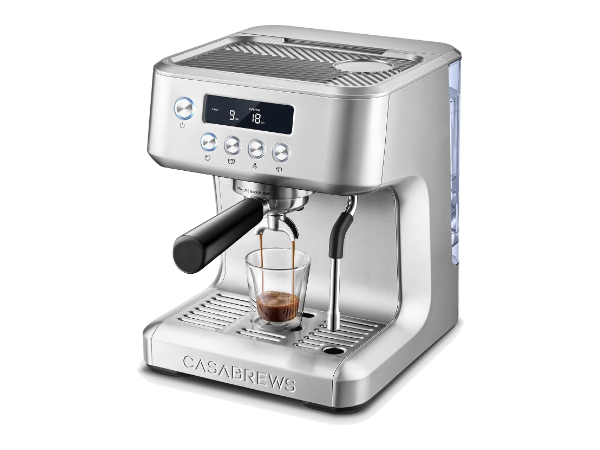
CASABREWS ULTRA PRO 20-Bar Espresso Machine
The CASABREWS ULTRA PRO combines rapid heating with adjustable brewing temperatures and a built-in pressure sensor.
Key features:
- Heating: Advertised heat-up time of approximately 5 seconds
- Pump: Rated at 20 bar
- Temperature: Adjustable brewing range of 194°F–204°F
- Pressure feedback: Built-in pressure sensor
- Portafilter: 58 mm
- Brewing controls: Single- and double-shot settings with programmable volume
The CASABREWS ULTRA PRO offers a useful set of adjustment features at a relatively accessible price.
Which Features Make an Espresso Machine Easier to Dial In?
Choose features that make adjustments simple and help produce consistent espresso. Stable temperature, adjustable grind settings, and repeatable dosing help beginners improve flavor with less trial and error.
- Adjustable grind settings: Allow finer control over extraction.
- PID temperature control: Helps maintain a more consistent brewing temperature.
- Pre-infusion: Wets the coffee puck before full extraction pressure.
- Dose control: Helps keep the amount of coffee consistent.
- Pressure gauge: Provides feedback about brewing pressure.
- Programmable shot volume: Helps repeat a preferred brew, though it does not guarantee identical extraction.
A built-in grinder can be convenient, but a separate quality grinder can also work well. Choose a setup that lets you make small adjustments and repeat successful results.
How to Dial In Espresso for the First Time
Start with a simple recipe and keep your settings consistent while testing. Change one variable at a time, starting with grind size, to understand how each adjustment affects extraction, flavor, and shot consistency.
- Use fresh beans: Choose properly stored, recently roasted coffee.
- Measure the dose: Keep the coffee amount consistent.
- Set a brew ratio: Start with 18 g of coffee and 36 g of espresso.
- Track the time: Aim for around 25–30 seconds as a starting point.
- Taste the shot: Check for balanced sweetness, acidity, and bitterness.
- Adjust the grind: Go finer for faster-flowing, sour shots or coarser for slow, bitter ones, then taste again.
Keep a simple record of dose, yield, time, and flavor. Once you find a balanced shot, save those settings as your baseline for future adjustments.
How Grind Size, Coffee Dose, and Extraction Time Affect Espresso
Grind size, coffee dose, and extraction time all influence how espresso tastes. Understanding how these variables interact helps you identify the cause of sour, bitter, or weak shots and make more consistent adjustments.
| Variable | Typical Effect |
|---|---|
| Finer grind | Usually slows water flow and increases extraction |
| Coarser grind | Usually speeds up water flow and reduces extraction |
| Higher coffee dose | Can increase resistance to water flow |
| Lower coffee dose | Can reduce resistance and change the brew ratio |
| Longer extraction | May increase extraction, but can also produce bitterness |
| Shorter extraction | May produce a sharper or sour taste if under-extracted |
If espresso tastes sour or thin, try a slightly finer grind or a longer extraction. If it tastes harsh or overly bitter, test a coarser grind or a shorter extraction.